
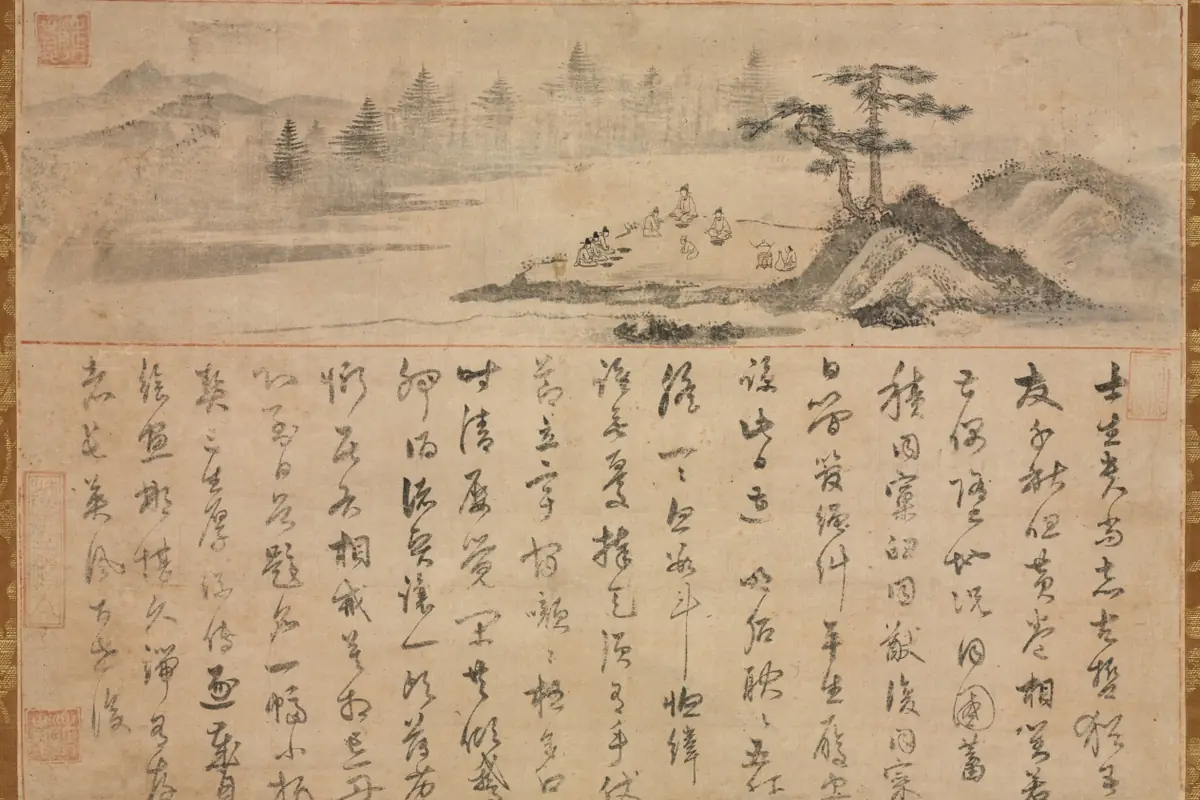
 Cleveland Museum of Art · CC0 1.0
Current alerts
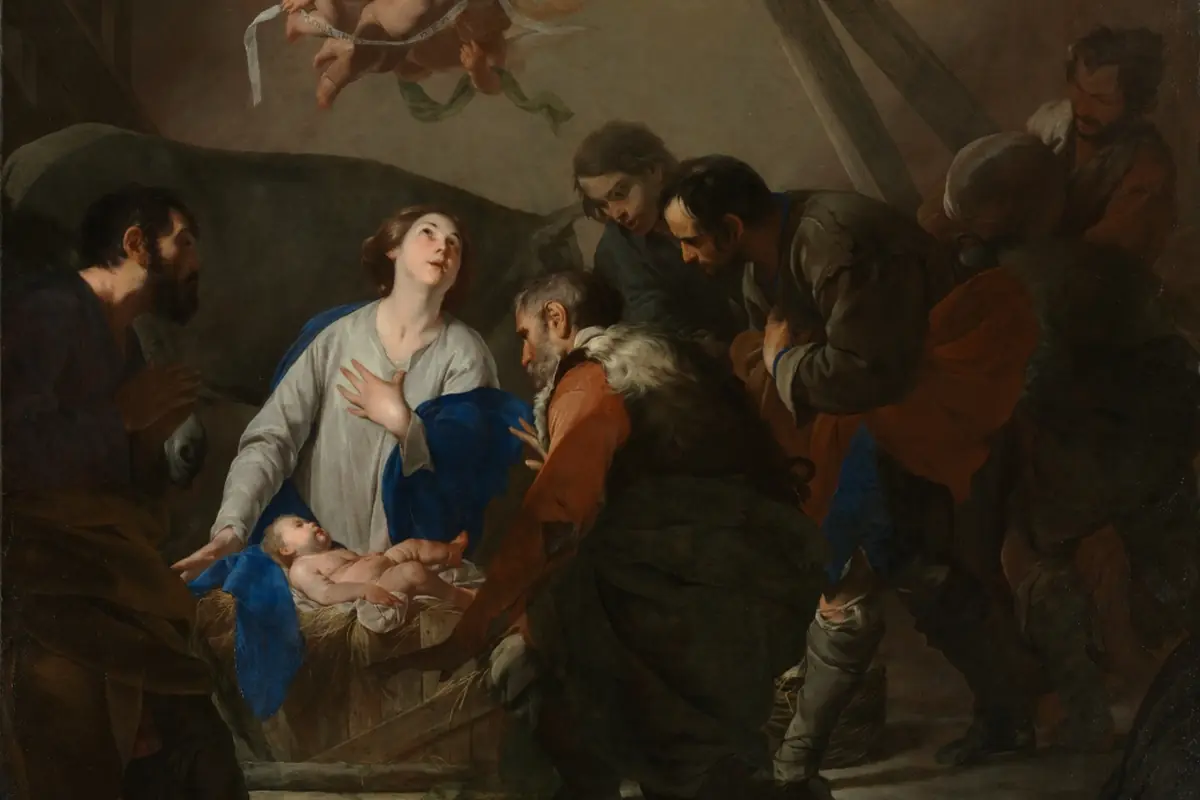
This page presents the BIOP alerts that are still active, that is, those for which the work has not been recovered. Each alert gives the nature of the object, the date and place of disappearance, and the person to contact.
A closed alert leaves this list and joins the archives. To receive new alerts by e-mail, see Subscribe to alerts.
Active alerts in figures
Source: OIMAP General Secretariat.
How to read an alert
An alert includes a title, a photograph where one exists, a technical description (technique, dimensions, distinguishing marks), the date of disappearance and the country concerned. A reference number allows it to be cited unambiguously.
Distinguishing features are the most useful part: an inscription on the back, an old restoration, a collection label. They help recognize the object even when the photograph is old.
Filtering and searching
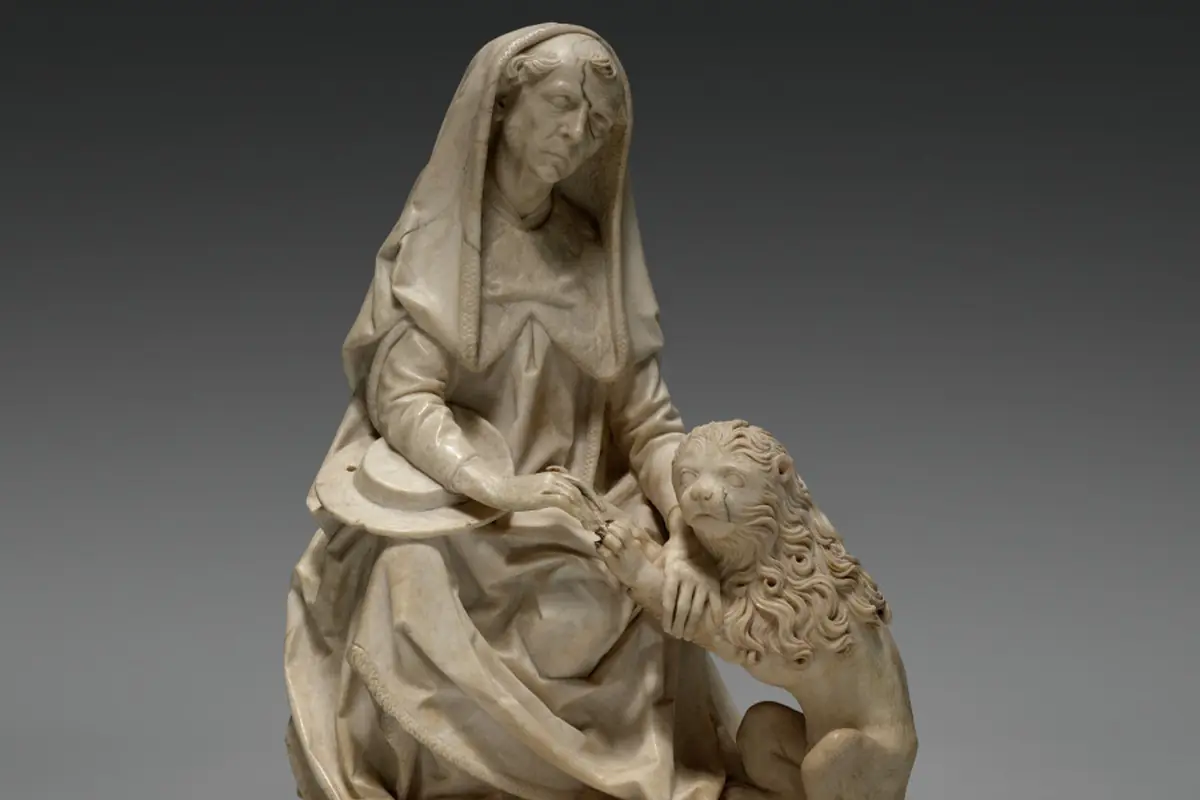
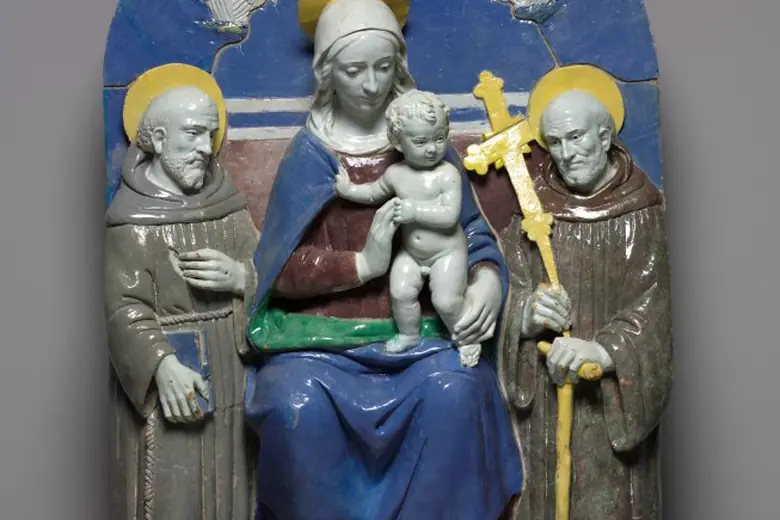
The list can be filtered by alert type, by country of disappearance and by object category: painting, sculpture, archaeology, manuscripts, decorative arts. A keyword search complements these filters.
To check a specific object, start with a search by category and period, then compare the distinguishing features. Avoid relying on the photograph alone.
What to do if you recognize an object
Do not contact the presumed holder and do not take any personal action. Note the circumstances of the encounter, keep any photographs you may have taken and contact the Protection Directorate.
The Organization passes the information to the authorities of the country concerned. This channel protects the safety of individuals and the evidentiary value of the material gathered.
Reliability and updates
Alerts are validated by the Protection Directorate before publication. They are regularly reviewed: an alert whose documents are no longer justified is withdrawn, and a recovered work is closed with the date noted.
Information received after publication, for example a new photograph, may be added to the record at the request of the person who made the report.
Fields of an alert
| Field | Content | Purpose |
|---|---|---|
| Reference | Unique number of the alert | Cite the alert |
| Type | Theft, loss, suspicious work, fake | Adapt the response |
| Description | Technique, dimensions, marks | Recognize the object |
| Date and place | Time and country of disappearance | Place the event |
| Contact | Protection Directorate | Pass on information |
Milestones
- Filing of the report
Online form or transmission by an authority.
- Validation
Checking of documents and search for duplicates.
- Distribution
Publication and sending to the subscribers concerned.
- Follow-up
Update or closure of the alert.
Do not intervene yourself
Theft alert and fake alert
Theft alert
Identified object- A single work
- Photograph and distinguishing features
- Immediate response
Targeted check.
Fake alert
Family of objects- Several copies possible
- Technical clues
- Lasting vigilance
Market monitoring.
Using the list effectively
- Choose the type
Theft, loss, suspicious or fake.
- Filter
Country, category, period.
- Compare
Distinguishing features and dimensions.
- Act
Contact the Protection Directorate in case of doubt.
A professional's reflexes
An auctioneer
« Checking the list is part of our sale preparation routine, on a par with verifying provenance. »
Glossary
- Alert reference
- Unique number assigned to each alert.
- Distinguishing feature
- Characteristic that makes it possible to identify a specific object.
- Closing
- End of an alert, for example when the work is recovered.
- Duplicate
- Report that repeats an object already listed.
Alerts and data protection
Alerts do not disclose the owner's address or the security measures of their home. Only elements useful for identifying the object are published.
The contacts shown are those of the Protection Directorate and the authorities concerned, never those of private individuals, unless they have expressly agreed.
Frequently asked questions
Are the active alerts complete?
They cover validated reports; an object absent from the list is not necessarily free of all doubt.
Can I contest an alert?
Yes, through the contact form, with supporting documents.
How long does an alert remain active?
Until the work is recovered or the alert is withdrawn.
Where can I see past alerts?
See Alert archives.
Useful documents
Contacts
Related pages
 BIOP alertsThe BIOP alert system: report a theft or loss, view current alerts and subscribe free of charge.›
 Alert archivesBIOP alerts closed since 2012: a useful memory for researchers, buyers and authorities.›
 Subscribe to alertsReceive the BIOP alerts of your choice free of charge by e-mail: types, frequency, changes and unsubscription.›
 ProtectionRecovering stolen works, fighting illicit trafficking and protecting heritage: the BIOP database, international cooperation, restitutions and guides for law enforcement.›
Receive alerts
Image credits (17)
- Gathering among the Members of Office Censor-General (1700s) — Cleveland Museum of Art, CC0 1.0
- Adoration of the Shepherds, Bernardo Cavallino (c. 1650) — Cleveland Museum of Art, CC0 1.0
- Saint Jerome and the Lion (From the former Church of St. Peter in Erfurt), Tilman Riemenschneider (c. 1495) — Cleveland Museum of Art, CC0 1.0
- Virgin and Child Enthroned with Saints Francis and Giovanni Gualberto, Benedetto Buglioni (c. 1510–20) — Cleveland Museum of Art, CC0 1.0
- Lace Towel End (c. 1700s–1800s) — Cleveland Museum of Art, CC0 1.0
- Vue générale prise à l'angle sud-ouest, Philoe, Maxime Du Camp (1849–50) — Cleveland Museum of Art, CC0 1.0
- Bidri Hookah Bowl with Roses (c. 1650s) — Cleveland Museum of Art, CC0 1.0
- Sports on a Frozen River, Aert van der Neer (ca. 1660) — The Metropolitan Museum of Art, CC0 1.0
- Farmhouse on the Slope of a Hill, Fra Bartolommeo (c. 1508) — Cleveland Museum of Art, CC0 1.0
- Amitabha Triad (1400s) — Cleveland Museum of Art, CC0 1.0
- Panel (c. 1780–1840) — Cleveland Museum of Art, CC0 1.0
- Temple of Ramesses II, Abu Simbel, Antonio Beato (c. 1860s) — Cleveland Museum of Art, CC0 1.0
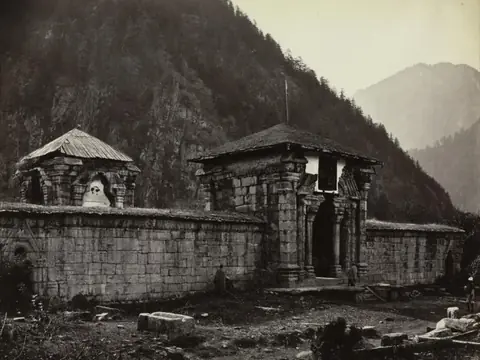
- Temple at Naveshera, Kashmir, India, Samuel Bourne (1864) — Cleveland Museum of Art, CC0 1.0
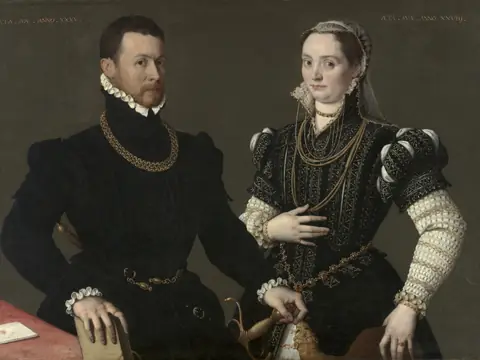
- Portrait of a Couple (c. 1580–88) — Cleveland Museum of Art, CC0 1.0
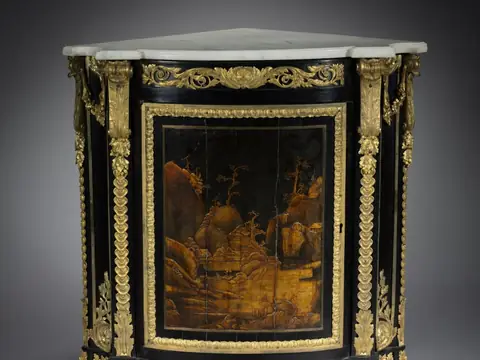
- Corner Cabinet, René Dubois (c. 1765–1770) — Cleveland Museum of Art, CC0 1.0
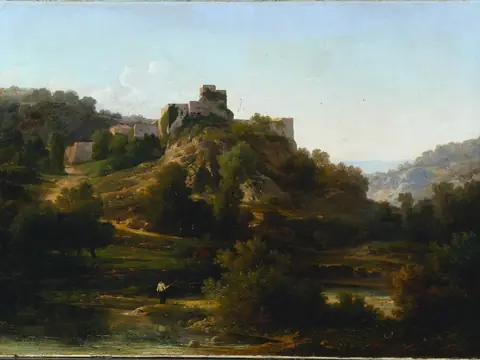
- Châteauvieux-sur-Suran, Antoine-Claude Ponthus-Cinier (1848) — Cleveland Museum of Art, CC0 1.0
- Egypt and Nubia: Volume I - No. 4, Slave Boats on the Nile, View Looking Towards the Pyramids of Dashour and Saccara, Louis Haghe (1838) — Cleveland Museum of Art, CC0 1.0