
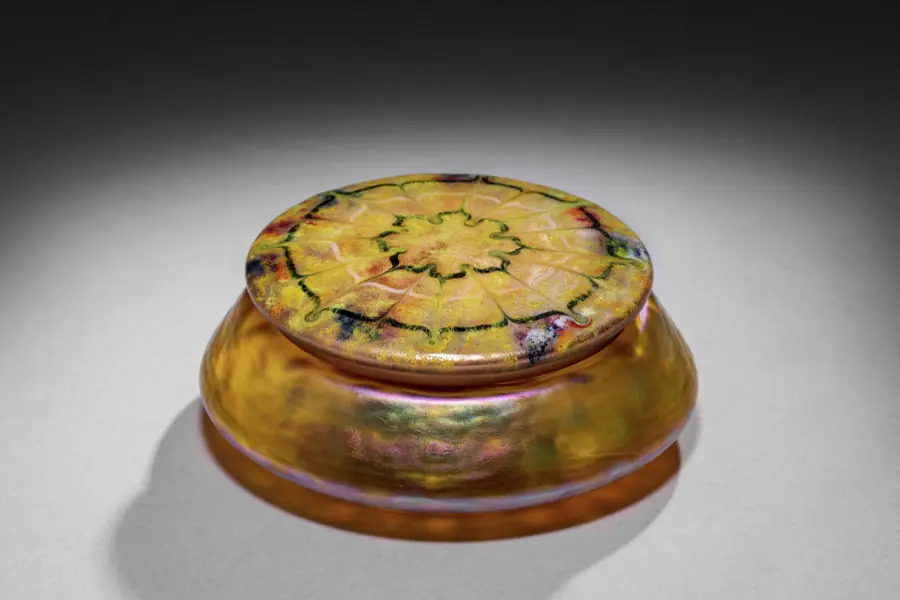
 Cleveland Museum of Art · CC0 1.0
A market for connoisseurs
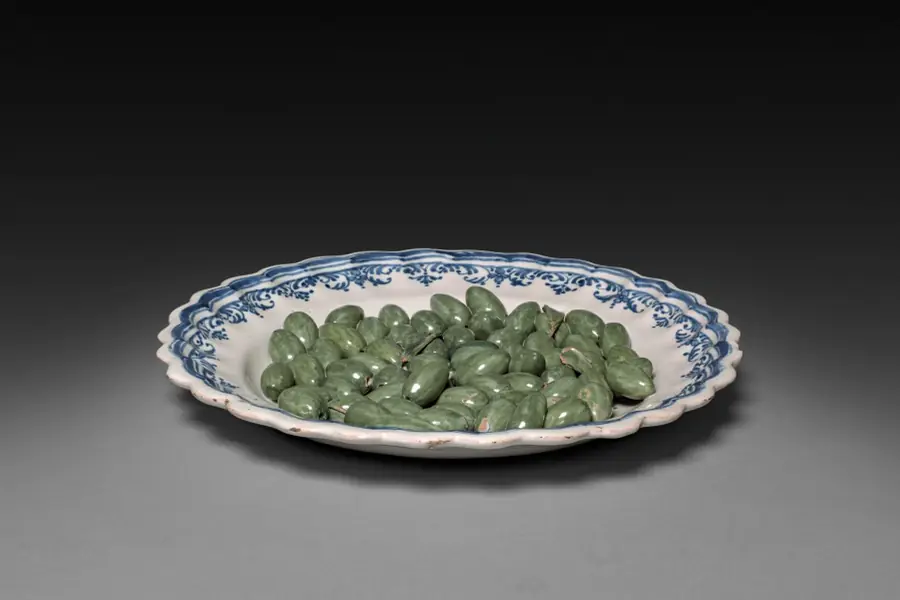
Antique furniture accounts for €4.1 billion in 2024, with a median price of €2,900. It is a specialists' market, where the expert's eye counts for more than the catalogue.
It distinguishes the great historical styles (Renaissance, Louis XIV, Régence, Louis XV, Louis XVI, Empire) and signed pieces by famous cabinetmakers, which are highly sought after.
This page explains how the value of a piece of furniture is formed and how to avoid the most common buying mistakes.
Antique furniture in figures
Source: OIMAP Observatory.
What makes a piece of furniture valuable
The value of a piece of furniture depends on five things: the period, the quality of execution, the signature or stamp, the condition and the provenance. A piece by a great cabinetmaker, in original condition and with a prestigious provenance, can be worth a hundred times an anonymous piece of the same style.
Condition is decisive: a light restoration is accepted, but replacement of structural elements, a redone veneer or a changed top considerably reduce value.
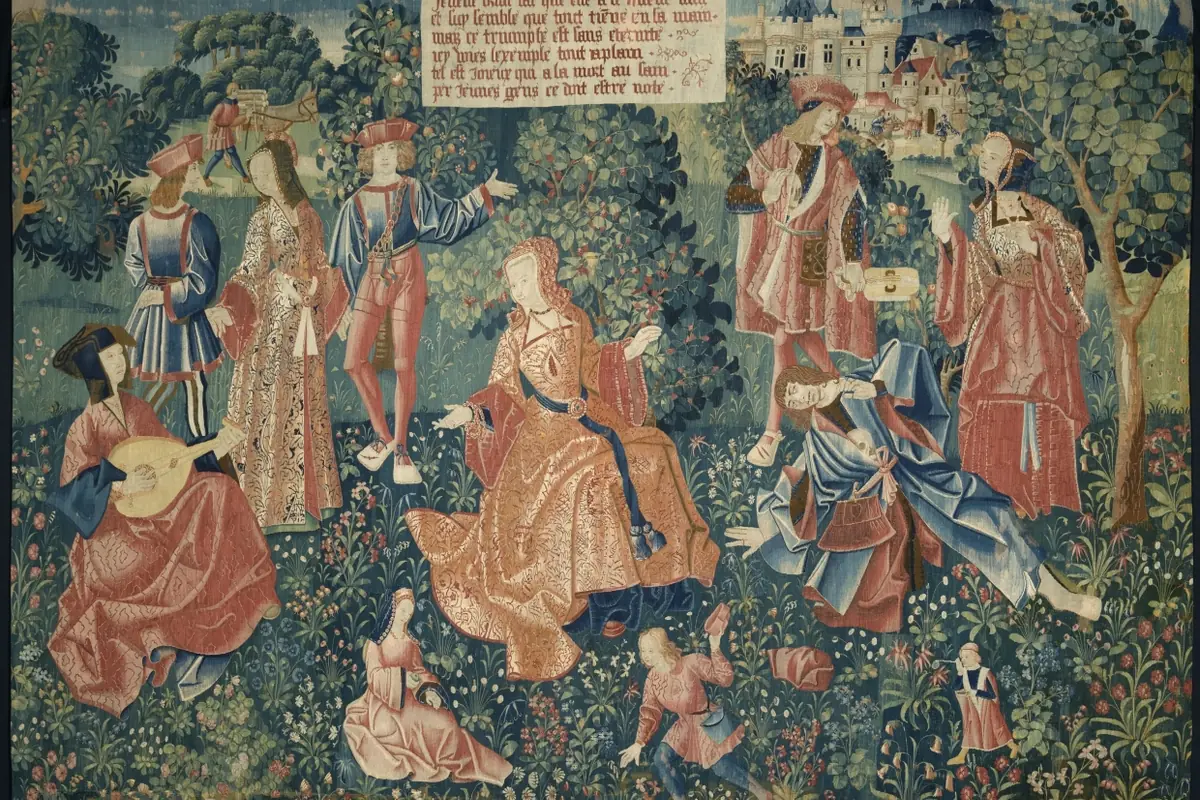
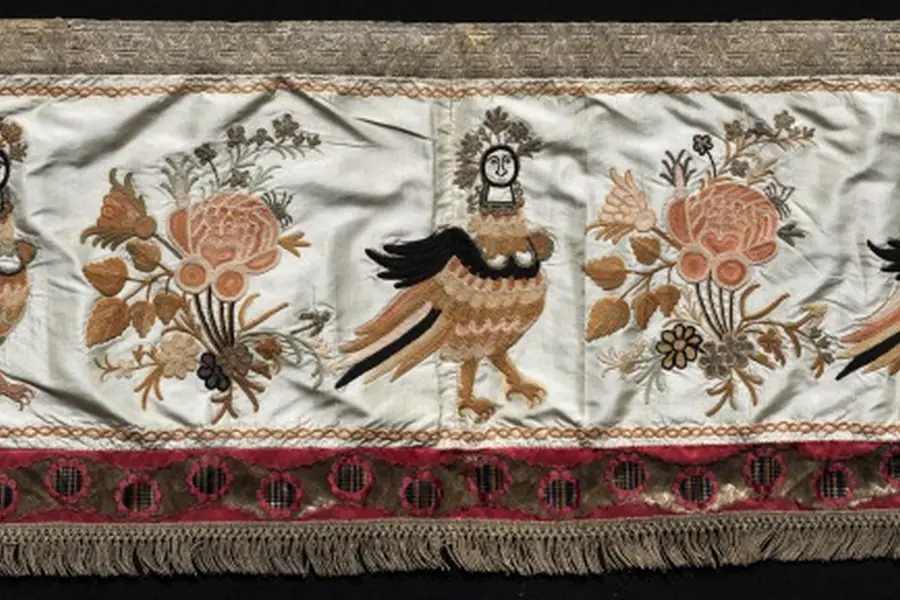
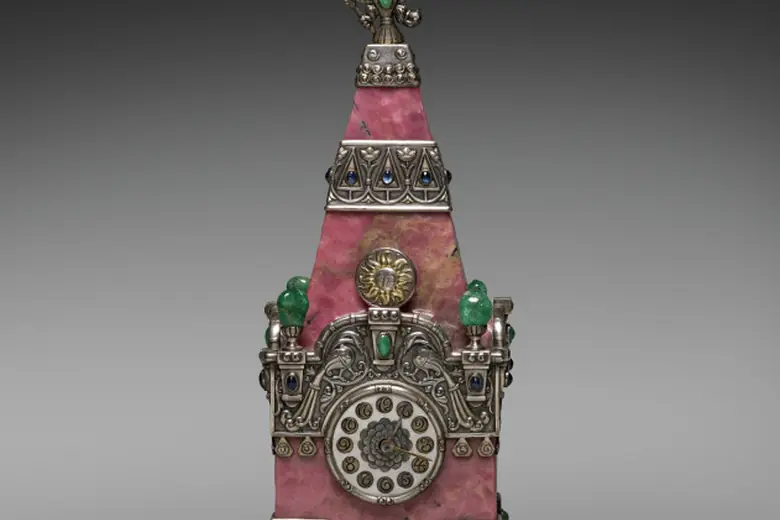
Recognising marriages and restorations
A piece of furniture is a "marriage" when two elements of different origin have been assembled, for example a desk placed on a base from another period. It is one of the most common frauds, because it allows a "period" piece to be made from authentic fragments.
The signs of a marriage are: differences in patina, inconsistent wood species, unused keyholes, odd proportions. Only a thorough examination by an expert can confirm it.
20th-century furniture
20th-century furniture (Art Deco, modernism, post-war design) is now the engine of the segment: its median price reaches €4,800 and its index rises by more than 7%. Designers such as the Bauhaus workshops and Scandinavian or Italian designers appeal to a young clientele.
This furniture raises specific questions: numbered editions, authorised reissues, copies. Original documentation (publishers' catalogues, invoices, correspondence) is a decisive price factor.
Styles and prices
| Style | Period | Median price | Trend |
|---|---|---|---|
| Louis XIV | 1643–1715 | €6,800 | Stable |
| Régence | 1715–1723 | €5,400 | Stable |
| Louis XV | 1723–1774 | €4,200 | Slight fall |
| Louis XVI | 1774–1792 | €3,900 | Stable |
| Empire | 1804–1815 | €2,700 | Rising |
Landmarks
- Art Deco
Return of the straight line.
- 18th-century peak
Records for cabinetmakers.
- Fall of period-style furniture
Change of taste.
- €4.1bn
Up 1.8%.
Protected species
Cabinetmaker's piece or anonymous piece
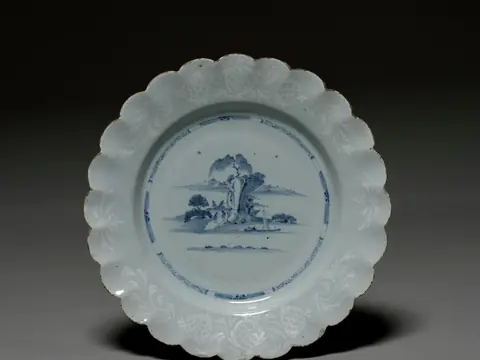
Signed piece
Cabinetmaker's stamp- Documented value
- Higher price
- Counterfeit stamps
Reference piece.
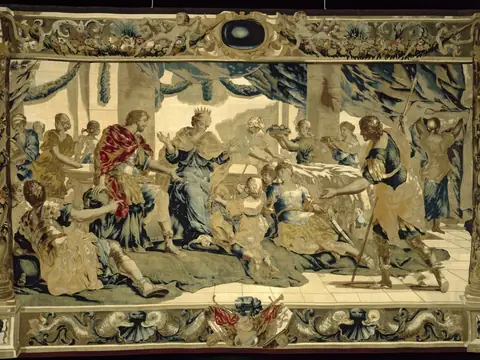
Anonymous piece
No identifiable mark- More accessible price
- Variable quality
- Attribution more difficult
Piece for use.
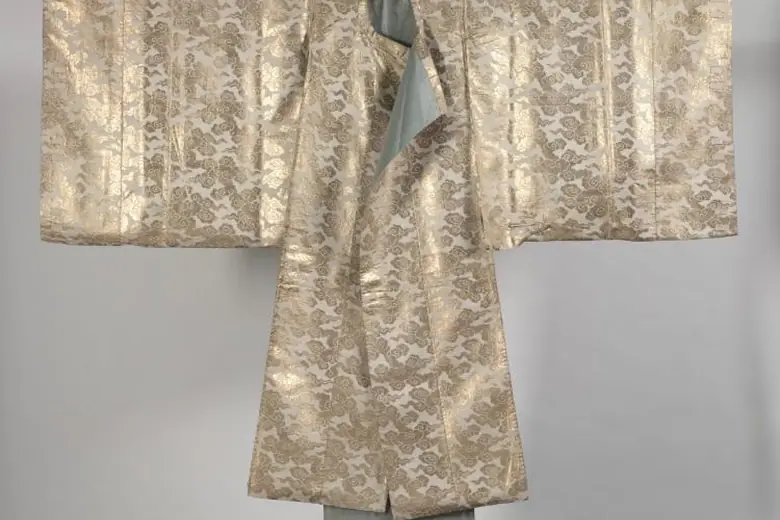
Examining a piece of furniture before buying
- Turn over
Observe back, bottom, underside.
- Open
Examine drawers and joints.
- Touch
Feel the patina and the surfaces.
- Compare
Check the wood species.
- Have it examined
Obtain a conservation report.
Signs of replacement
A restorer-cabinetmaker
« I always tell my clients: an antique piece of furniture must show its age, but not its history of repairs. »
Vocabulary of furniture
- Cabinetmaker
- Craftsman specialised in veneered furniture.
- Veneer
- Thin sheet of precious wood.
- Mortise and tenon
- Traditional joint.
- Dovetail
- Swallowtail-shaped joint.
Frequently asked questions
How do I read a stamp?
With the directory of stamps, linked to OIMAP's experts.
Is a restored piece of furniture unsellable?
No, if the restoration is documented.
What papers should I ask for?
Invoice, conservation report, certificate of authenticity.
Are there alerts for stolen furniture?
Yes, in the BIOP database.
Useful documents
Contacts
Related pages
 Decorative arts and furnitureThe market for antique furniture, glass, ceramics and silverware: stamps, hallmarks, restorations and prices.›
 Glass and ceramicsThe market for earthenware, porcelain and glassware: manufactories, marks, fragility and authenticity.›
 Conservation reportsThe condition of a work, certified and dated: examination, restoration recommendations and insurance value in a single document.›
See glass and ceramics
Image credits (16)
- Covered Box, Tiffany Glass & Decorating Company (c. 1898–1902) — Cleveland Museum of Art, CC0 1.0
- Plate of Olives (mid-1700s) — Cleveland Museum of Art, CC0 1.0
- Youth (from Chateau de Chaumont set) (1512–15) — Cleveland Museum of Art, CC0 1.0
- Border (c 1800– 1825) — Cleveland Museum of Art, CC0 1.0
- Kremlin Tower Clock, House of Fabergé (c. 1913) — Cleveland Museum of Art, CC0 1.0
- Plate, Bristol Porcelain Factory (mid-1700s) — Cleveland Museum of Art, CC0 1.0
- Cupid disguised as Aeneas's son, presents gifts to Dido, Giovanni Francesco Romanelli (1679) — Cleveland Museum of Art, CC0 1.0
- Noh Costume (Kariginu) (1800–1850) — Cleveland Museum of Art, CC0 1.0
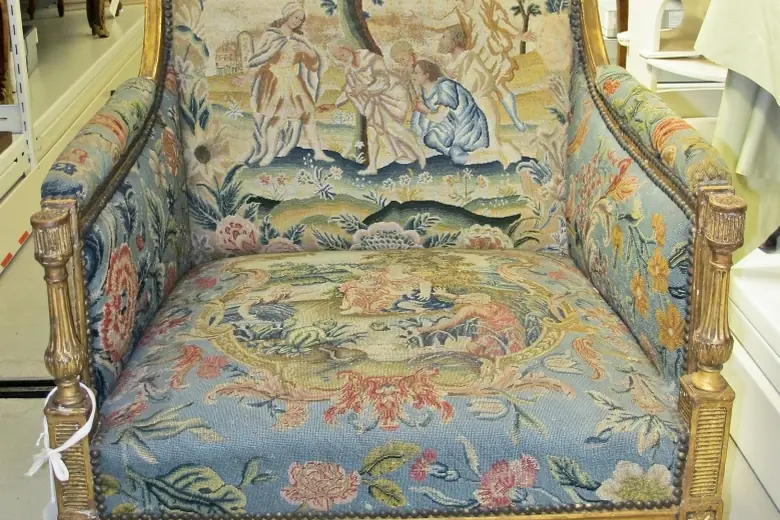
- Embroidered Back and Seat for Chair (late 1600s) — Cleveland Museum of Art, CC0 1.0
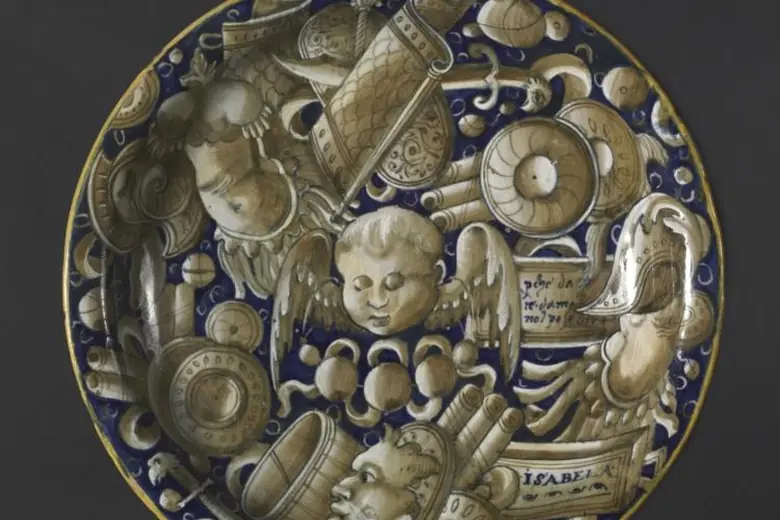
- Plate with Putto, Masques, and Trophies (c. 1530–50) — Cleveland Museum of Art, CC0 1.0
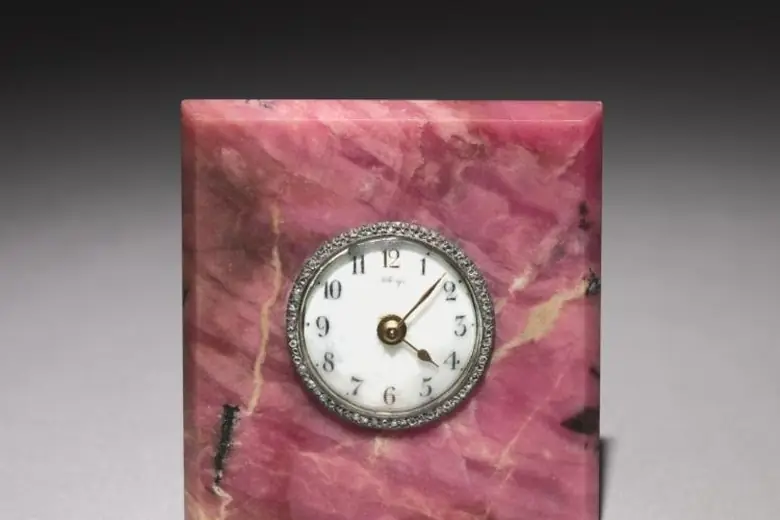
- Clock, Henrik Wigström (c. 1905–15) — Cleveland Museum of Art, CC0 1.0
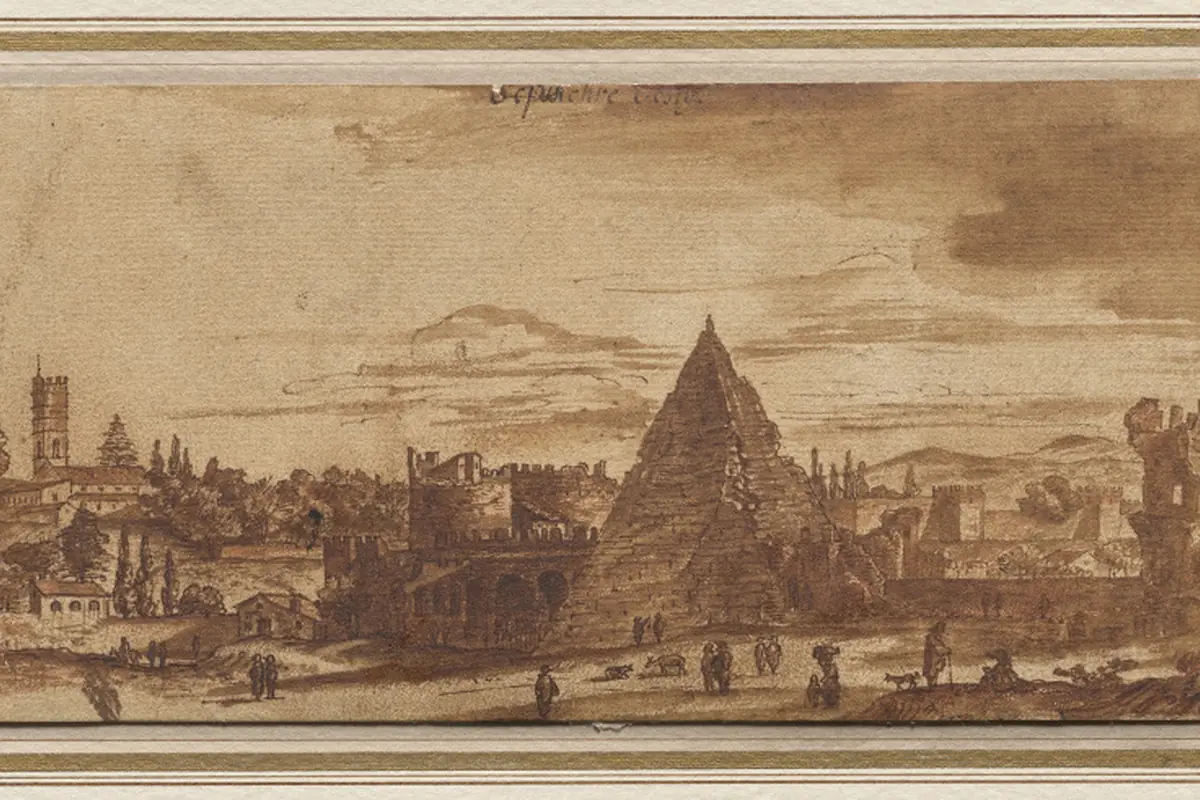
- The Pyramid of Cestius, Rome, Michiel van Overbeek (c. 1650–80) — Cleveland Museum of Art, CC0 1.0
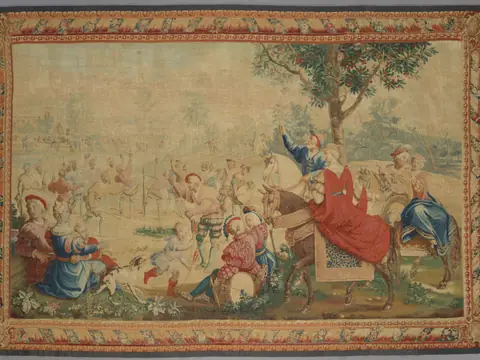
- Month of May: Scene of May Day Festival, Gobelins Manufactory (1723–1774) — Cleveland Museum of Art, CC0 1.0
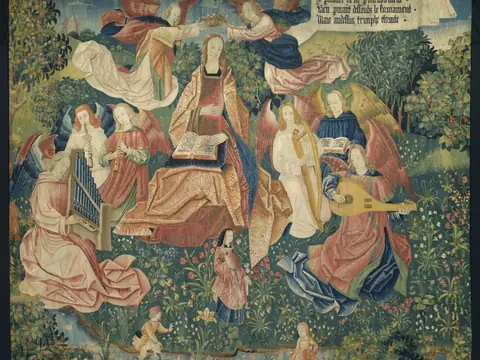
- The Triumph of Eternity (from Chateau de Chaumont set) (1512–15) — Cleveland Museum of Art, CC0 1.0
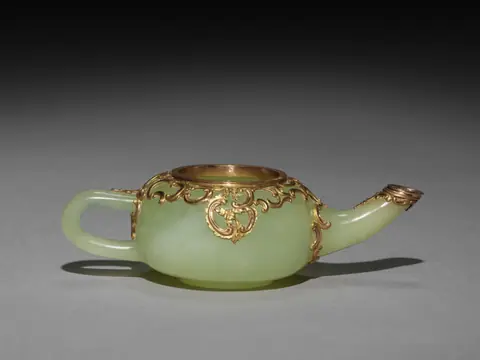
- Miniature Teapot, Mikhail Evlampievich Perkhin (1886–96) — Cleveland Museum of Art, CC0 1.0
- Textile with Tiny Leaves (1275–1350) — Cleveland Museum of Art, CC0 1.0