
 Cleveland Museum of Art · CC0 1.0
An admissible application from the start
Not all works can be certified in all conditions. This page indicates what is eligible, what is not and what is required of the applicant.
The conditions serve a double purpose: to protect the applicant from a late refusal and to protect the market from the certification of works of doubtful origin.
They are checked at the admissibility stage, within 5 working days of submission.
The conditions in brief
The five basic conditions
A case is admissible if the following conditions are met:
Eligible works
| Category | Examples | Expert specialties |
|---|---|---|
| Painting | Oils, watercolours, icons, miniatures | Old masters, 19th century, modern |
| Sculpture | Bronzes, marbles, wood, terracotta | Ancient and modern sculpture |
| Graphic arts and photography | Prints, drawings, vintage prints | Graphic arts, photography |
| Decorative arts | Furniture, ceramics, glass, silverware | Decorative arts |
| Tribal arts | Masks, statues, ritual objects | Africa, Oceania, Americas |
Who can submit a case
The owner, their representative holding a written mandate, the heir proving their capacity, or the legal representative of a legal entity. An auction house may submit a case for a lot on consignment with the seller's written consent.
The applicant undertakes on their honour to disclose any known element that could affect the conclusion: restoration, prior challenge, negative expert opinion.
A special case: the living artist
In which cases is the request inadmissible?
| Situation | Ground | What to do |
|---|---|---|
| BIOP alert on the work | Possible theft or loss | Contact the Secretariat |
| Object from undeclared excavations | Presumed unlawful origin | Regularisation with the State concerned |
| Work under sequestration or seizure | Legal unavailability | Wait for the court's decision |
| Applicant without capacity | Right to act not shown | Provide a mandate or a succession deed |
| Unidentifiable work | Insufficient photographs or description | Complete the file |
How admissibility is checked
- Identity
Check of the identity document and, for a company, of the mandate.
- Right to act
Verification of titles, invoices, succession deeds or mandates.
- BIOP
Search for alerts on the work, its numbers and its artist.
- Expert
Verification that an accredited specialty is available.
- Quote
Drawing up of the quote and the amount of the deposit.
Old work or recent work

Old work
More than 100 years old- Importance of material analyses
- Extended archive research
- Dating possible by carbon 14 if organic
Longer timeframe, strong probative value.
Recent work
Less than 50 years old- Confirmation by the artist or successor in title
- Workshop and gallery documents
- Few analyses necessary
Shorter timeframe.
Case study: a representative
A file submitted by a gallery
A gallery wishes to have a bronze certified that it received on consignment for sale.
- The submission is made with the consignment contract and the owner's written consent.
- The Desk checks the owner's identity and the absence of a BIOP alert.
- The file is declared admissible in four days.
The certificate is issued in the owner's name, with the gallery mentioned as representative.
A principle of common sense
« Better an admissibility refusal in five days than an opinion refusal after two months. »
Vocabulary of eligibility
- Admissibility
- Check of the conditions before any examination.
- Right to act
- Capacity that authorises one to request the certification of a work.
- Mandate
- Written authority given to the submitter by the owner.
- Sequestration
- Placing of an asset under judicial control pending a decision.
Frequently asked questions
Can a restored work be certified?
Yes, if the restorations are declared. They are described in the certificate.
Is a work in co-ownership admitted?
Yes, with the written consent of all co-owners.
Can a work abroad be certified?
Yes, if a branch or partner laboratory can examine it; otherwise a supervised transport is arranged.
My file is inadmissible: do I lose the deposit?
The deposit is refunded in full if inadmissibility is declared at the admissibility stage.
Contacts
Related pages
 File to provideComplete list of documents, photographs and information to attach to an application for a certificate of authenticity.›
 Registration of a workEntering a work in the OIMAP Registry: unique number, certified description and work passport, first step of any certification.›
 BIOP databaseThe international database of protected works: 48,200 stolen, lost or suspect works, searchable by all and enriched by police forces and museums.›
Put the file together
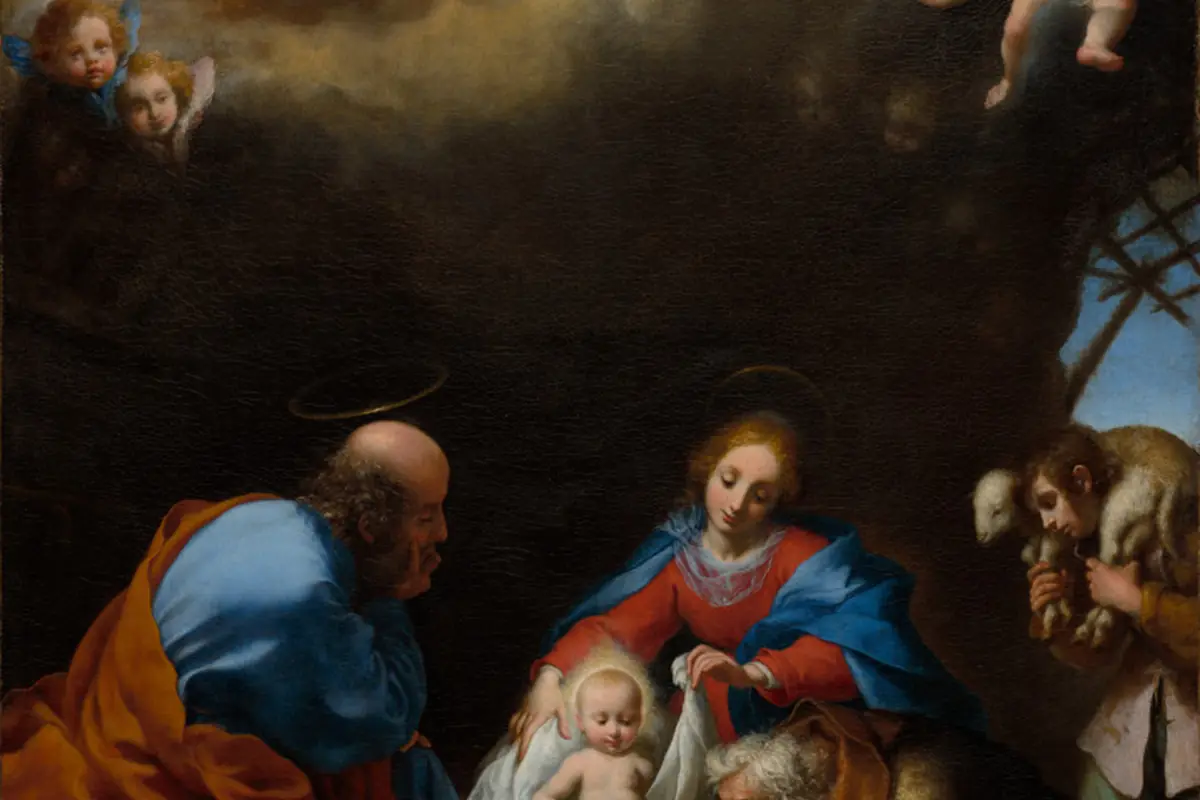
Image credits (16)
- Mercury (Budha), from a Mandi Astrology Series, Sanju (c. 1810) — Cleveland Museum of Art, CC0 1.0
- Portrait Head of a Noble or Official (175–200 CE) — Cleveland Museum of Art, CC0 1.0
- Chemin de fer de Toulouse à Bayonne. Pont de l'Aran (en trois arches de 17m d'ouverture chacune). Situation des travaux au 21 juillet 1861, Édouard Baldus (1861) — Cleveland Museum of Art, CC0 1.0
- Interior of a Synagogue, Alessandro Magnasco (c. 1725–35) — Cleveland Museum of Art, CC0 1.0
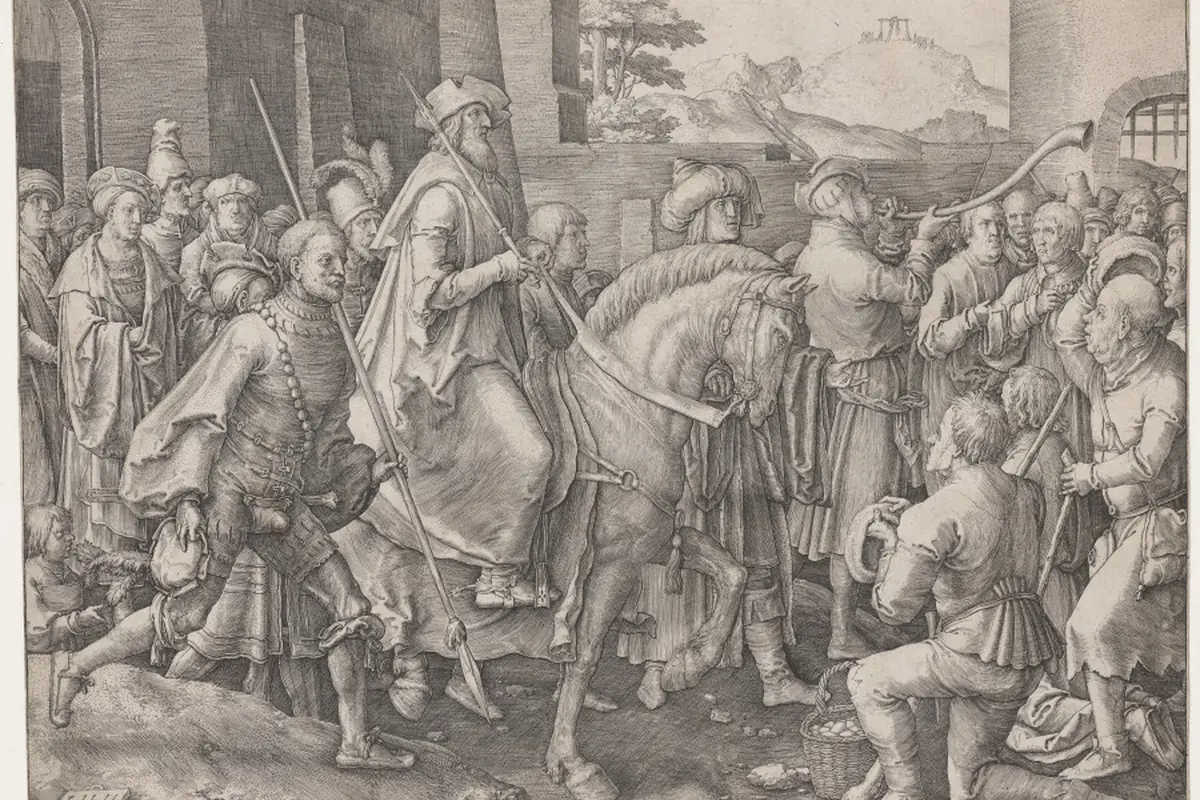
- The Triumph of Mordecai, Lucas van Leyden (1515) — Cleveland Museum of Art, CC0 1.0
- Portrait of Georges Arnold Fitzwilliam, Charles Balthazar Julien Fevret de Saint-Mémin (c. 1790–1852) — Cleveland Museum of Art, CC0 1.0
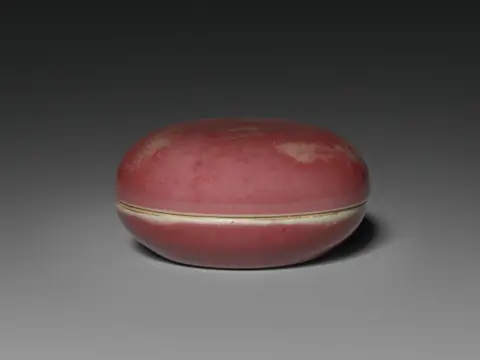
- Seal Color Box (1662–1722) — Cleveland Museum of Art, CC0 1.0
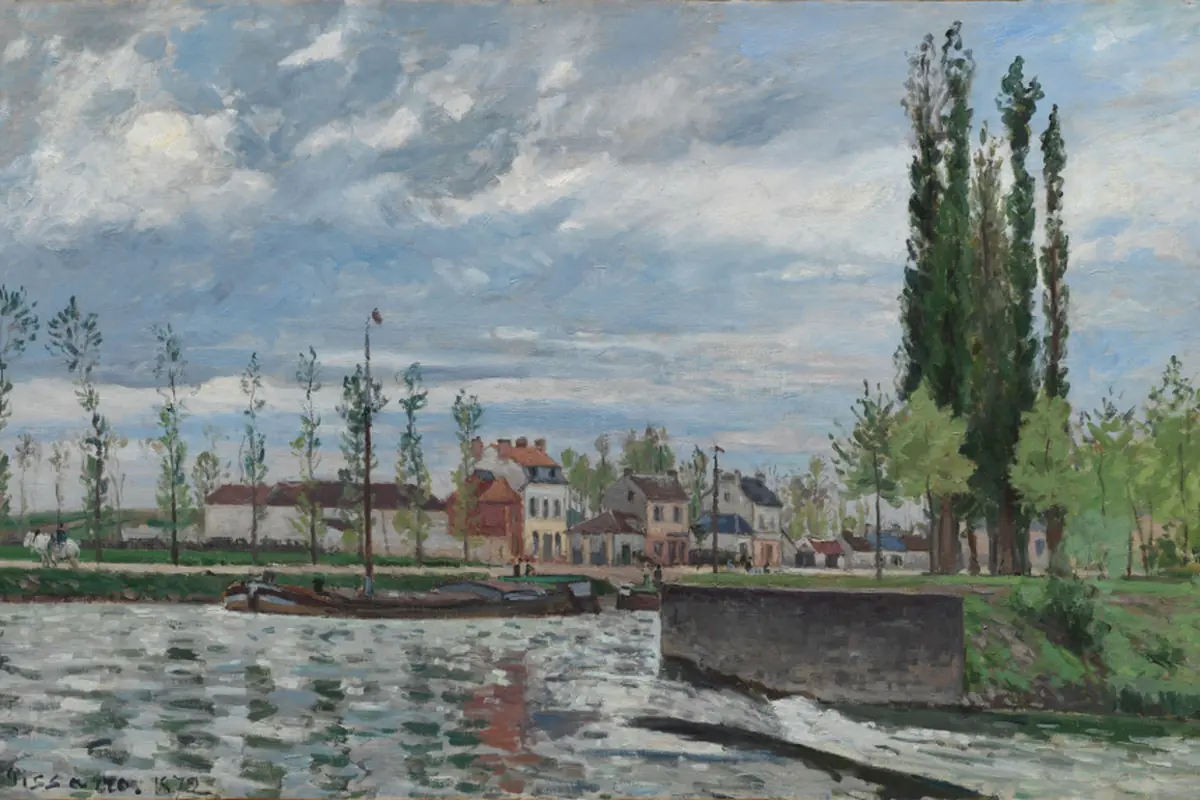
- The Lock at Pontoise, Camille Pissarro (1872) — Cleveland Museum of Art, CC0 1.0
- Seal Color Box (1662–1722) — Cleveland Museum of Art, CC0 1.0
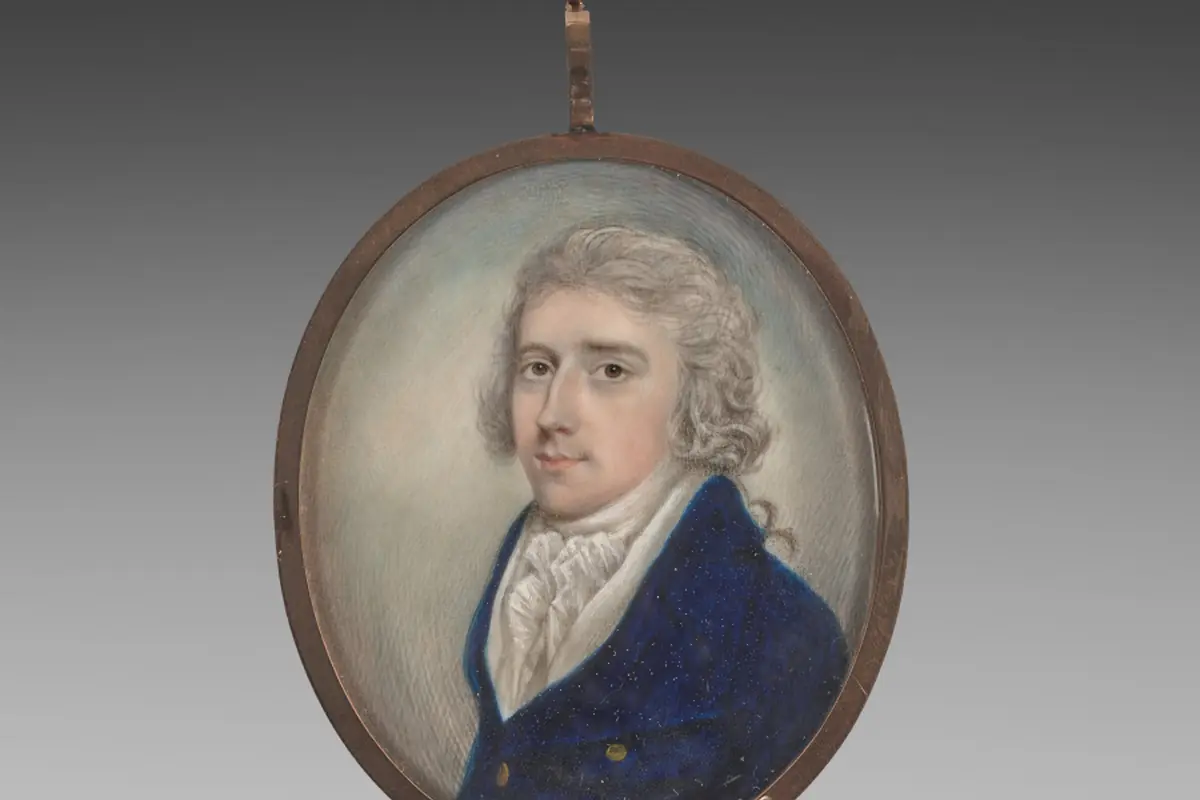
- Portrait of a Man, Nicholas Freese (c. 1795–1800) — Cleveland Museum of Art, CC0 1.0
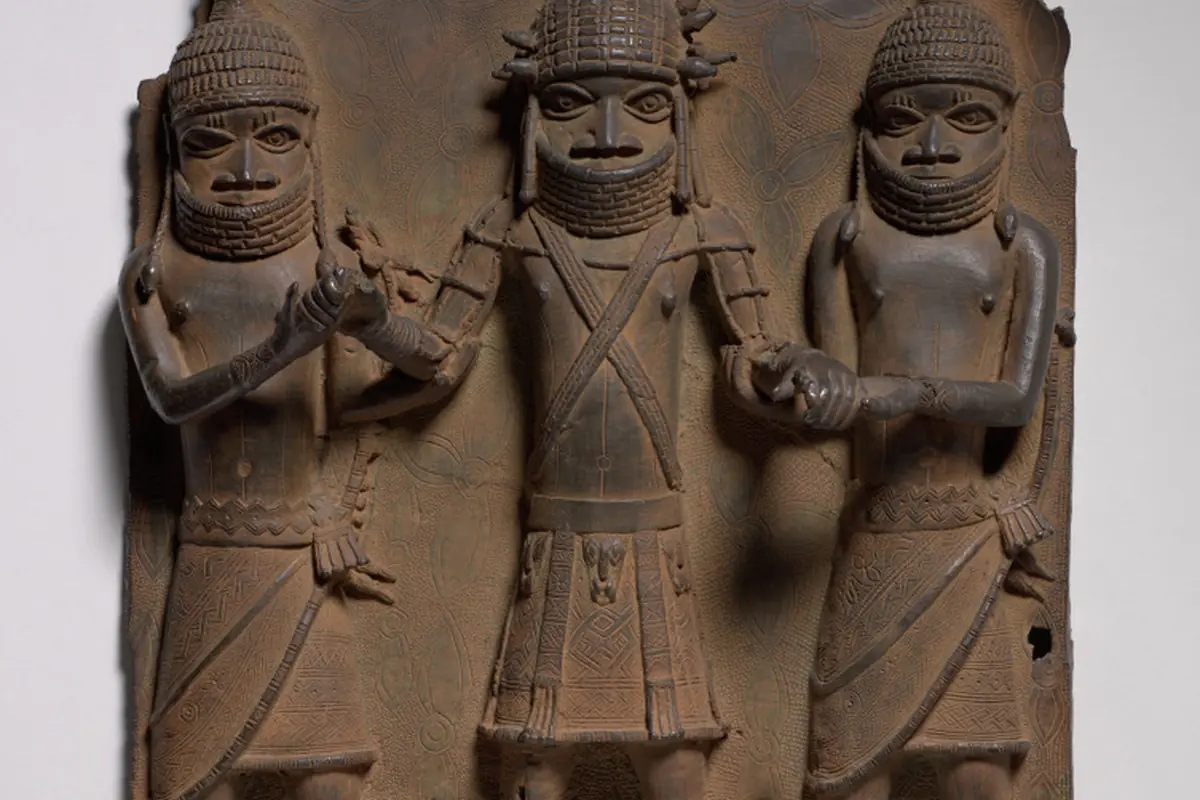
- Plaque (1500s–1600s) — Cleveland Museum of Art, CC0 1.0
- Pair of Drawings: Sketch of the Labyrinth of the Villa Pisani and Piazza San Marco with Doges' Palace, Francesco Guardi (1773–1778(?)) — Cleveland Museum of Art, CC0 1.0
- Portrait of a Woman, Corneille de Lyon (c. 1540) — Cleveland Museum of Art, CC0 1.0
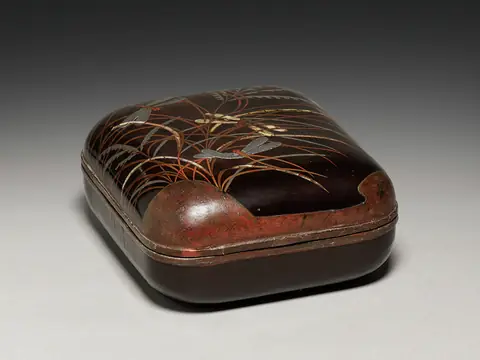
- Letter Box, Ogata Kōrin (1700s) — Cleveland Museum of Art, CC0 1.0
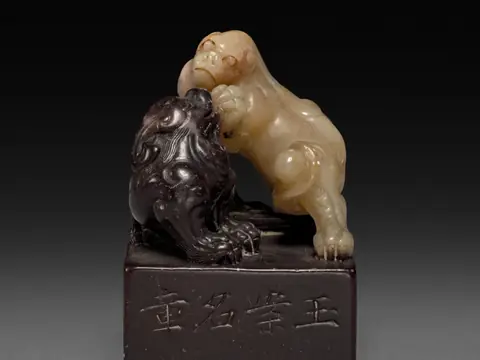
- Seal with Two Qilin Playing (1849) — Cleveland Museum of Art, CC0 1.0
- Adoration of the Shepherds, Carlo Dolci (c. 1670) — Cleveland Museum of Art, CC0 1.0