
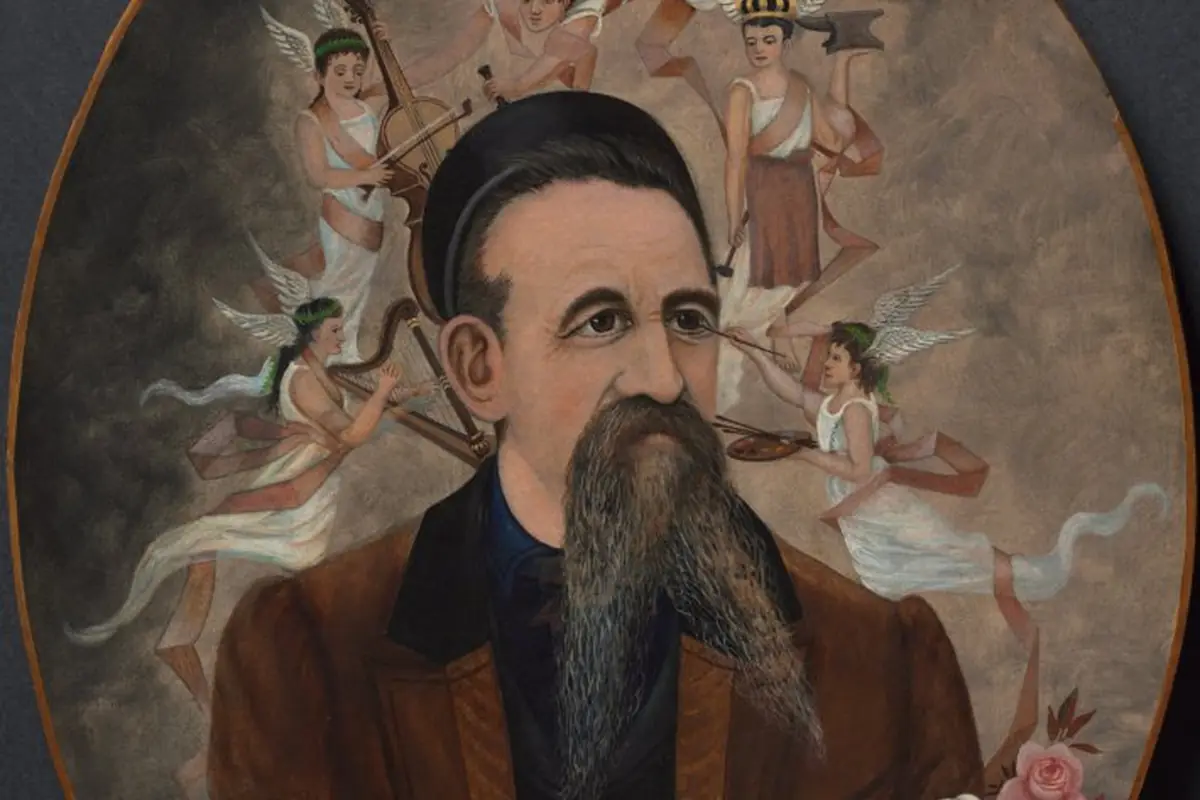
 Cleveland Museum of Art · CC0 1.0
Preserving what one has
The best protection for a work is the one that prevents its deterioration and its being forgotten. The six-day module teaches preventive conservation and documentation, two everyday actions that condition everything else: authentication, insurance, protection against theft, restitution.
It is aimed at curators, registrars, restorers and managers of private or public collections.
This page details the themes and tools.
Conservation and documentation in figures
Source: OIMAP Academy.
Preventive conservation
Climate (temperature, humidity, light), pollutants, pests and handling are the leading causes of deterioration. The module teaches how to measure, monitor and correct: sensors, thresholds, ventilation, storage, packing. Trainees design a conservation plan for a fictional collection.
They learn to adapt standards to local constraints: limited budgets, old buildings, tropical climate.
Inventory and documentation
A complete inventory combines a description, photographs, dimensions, a condition report, a location and a history. The module presents standard record forms, numbering, photography and international documentation recommendations.
Trainees inventory a sample of objects with simple digital tools.
Security and emergency plan
Theft, fire, flood, conflict, earthquake: each risk calls for a plan. The module shows how to prioritise works to be saved, prepare emergency kits, train staff and coordinate with rescue services. It links conservation with heritage protection in a crisis.
A simulated evacuation of an exhibition room completes the teaching.
Digital documentation
Digitising collections protects the memory of objects: a backup copy in case of destruction, an aid to research, a help to restitution. The module explains formats, metadata, storage and data security.
Participants learn to publish data in the BIOP database and the OIMAP Registry when useful.
Risks and measures
| Risk | Measure | Tool |
|---|---|---|
| Humidity | Climate control | Sensors, dehumidifiers |
| Light | Limit exposure | Suitable lighting |
| Theft | Security and inventory | Alarms, photographs |
| Fire | Prevention, emergency plan | Detection, extinguishers |
Milestones
- Preventive
Climate.
- Inventory
Entries.
- Emergencies
Plan.
- Digital
Safeguarding.
An inventory protects
International standards or local adaptation
Standards
International norms- Reference
- Comparability
- High cost
Ideal aimed for.
Adaptation
Local solutions- Realism
- Controlled cost
- Variable quality
Often necessary.
Protecting a collection
- Assess
Risks.
- Inventory
Objects.
- Keep
Conditions.
- Plan
Emergencies.
- Digitise
Safeguarding.
To put in place
A registrar
« We thought we could not afford an inventory. With the Academy's methods, we made four thousand records in a year. »
Vocabulary of conservation
- Preventive conservation
- Measures preventing deterioration.
- Registrar
- Person responsible for the movement of works.
- Metadata
- Data describing an object.
- Emergency plan
- Procedure in the event of a disaster.
Collaboration with communities
Collections reflect living cultures. The module stresses collaboration with communities of origin: consultation on the conservation of sacred objects, access restrictions, sharing of knowledge. It presents cases of shared stewardship.
These practices are recognised as elements of ethical conservation.
To go further
The Academy's reception service answers practical questions Monday to Friday, in French, English and Spanish, and can direct each visitor to the programme, scholarship or free resource that fits their situation. A guidance counsellor also offers a thirty-minute individual meeting, by appointment, to build a realistic training pathway.
Trainees' feedback is valuable: each session gives rise to a questionnaire, and the most useful suggestions are examined each quarter by the teaching committee. Do not hesitate to write to report a difficulty, propose a subject or tell us what the training has changed in your practice.
Frequently asked questions
Can a small museum apply these methods?
Yes.
Is the module practical?
Yes.
Are there free tools?
Yes.
Where to see ethics?
See Ethics.
Useful documents
Contacts
Related pages
 Experts and curatorsAuthentication, conservation and ethics: the Expert-Curator Diploma and continuing training for collection professionals.›
 Authentication of worksStylistic examination, scientific analysis, archival research: the three pillars of attribution, taught with real cases.›
 Ethics of experts and curatorsIndependence, conflicts of interest, confidentiality, respect for communities: the code of conduct taught to all trainees.›
See ethics
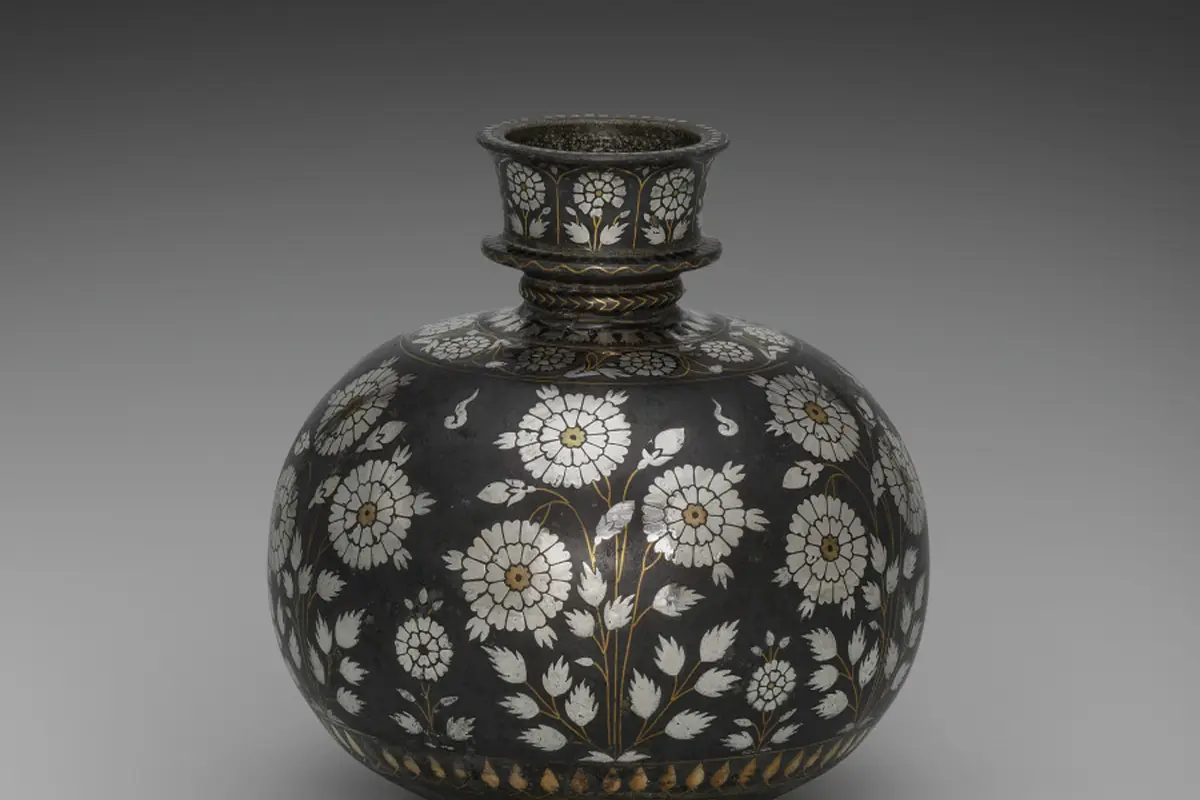
Image credits (16)
- Self-Portrait with Five Muses, Henry Church (c. 1880) — Cleveland Museum of Art, CC0 1.0
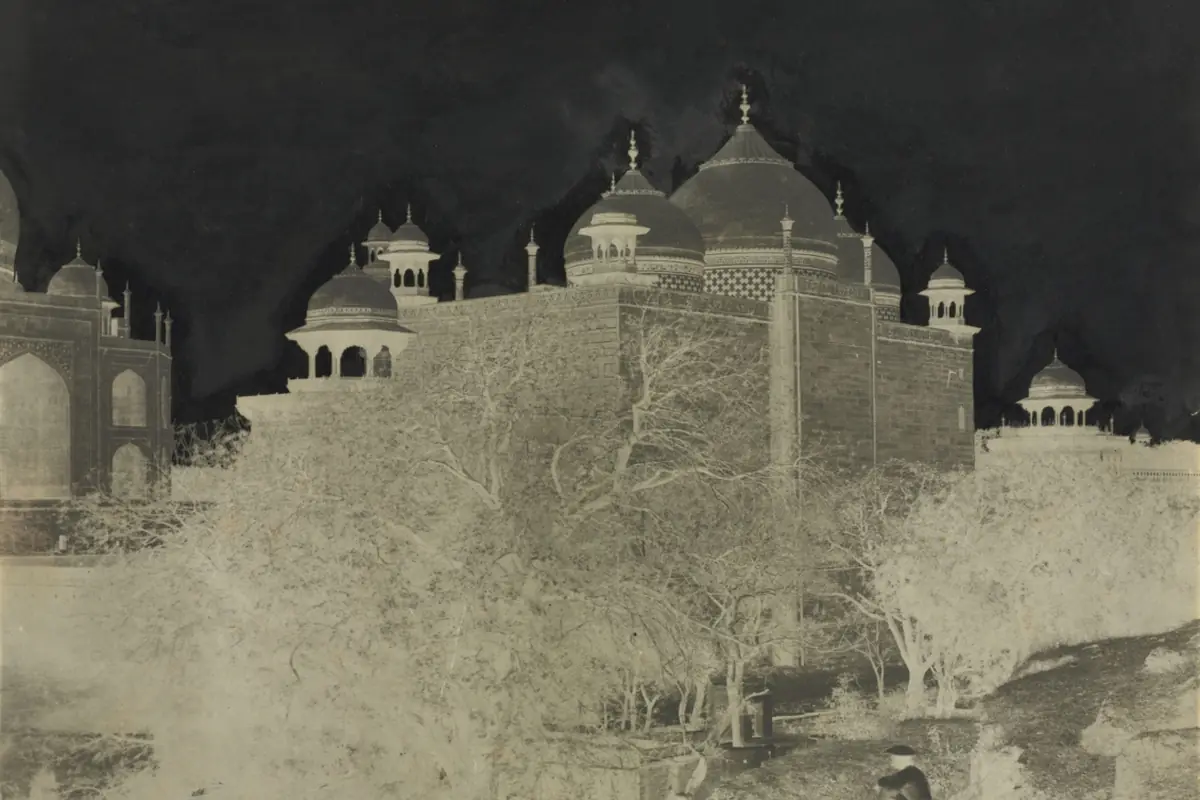
- Taj Mahal, Back View of the Rest-House, with Figure, Dr. John Murray (c. 1858–1862) — Cleveland Museum of Art, CC0 1.0
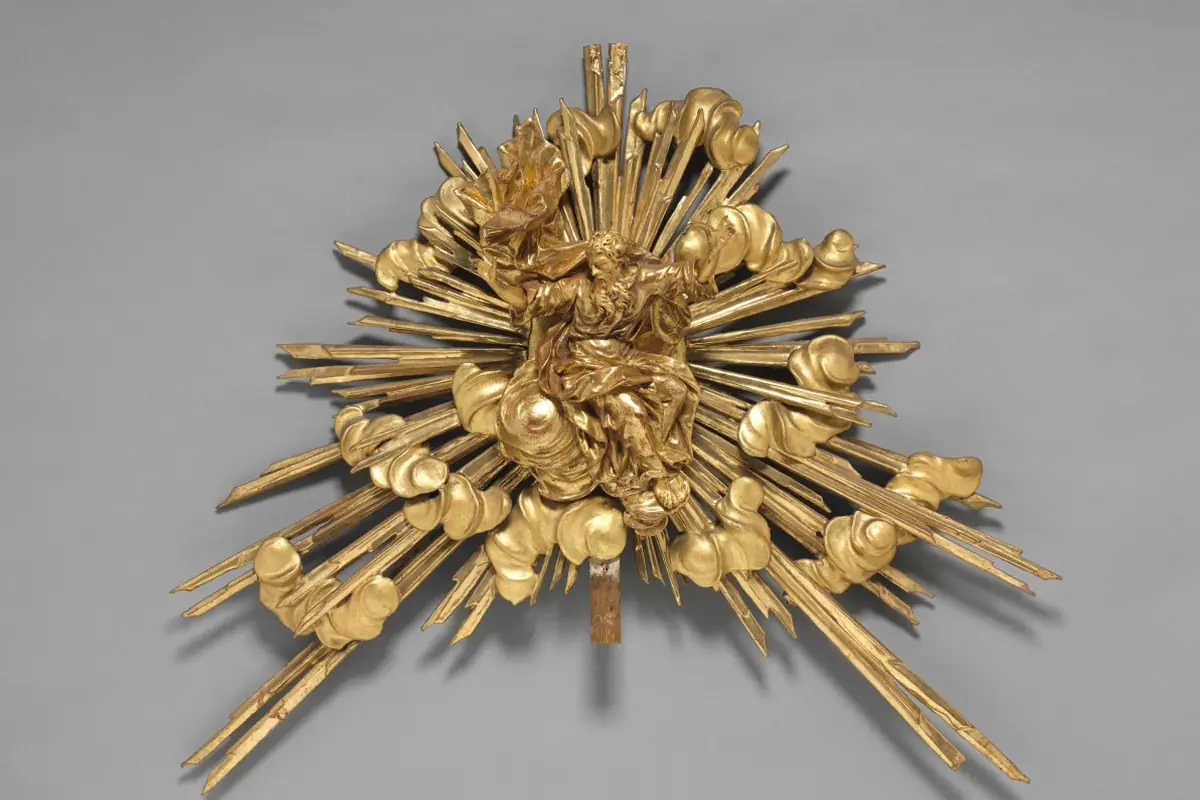
- Altarpiece with Relics - God the Father, Joseph Matthias Götz (1735–40) — Cleveland Museum of Art, CC0 1.0
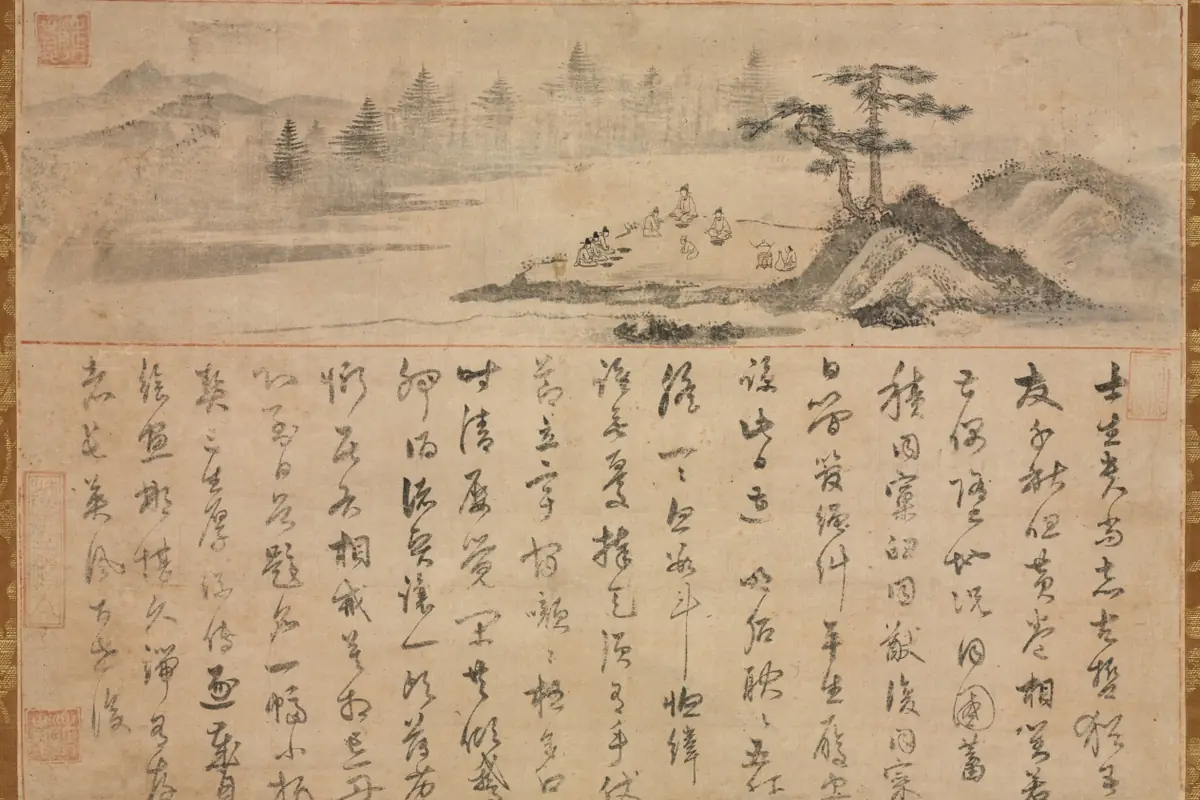
- Gathering among the Members of Office Censor-General (1700s) — Cleveland Museum of Art, CC0 1.0
- Study for "Bathers at Asnières", Georges Seurat (c. 1883–84) — Cleveland Museum of Art, CC0 1.0
- The Judgment of Midas, Nicolaes Clock (1589) — Cleveland Museum of Art, CC0 1.0
- The Shepherd, Paulus Potter (1644) — Cleveland Museum of Art, CC0 1.0
- Saint Jerome and the Lion (From the former Church of St. Peter in Erfurt), Tilman Riemenschneider (c. 1495) — Cleveland Museum of Art, CC0 1.0
- Carpenter's Plane (1400s) — Cleveland Museum of Art, CC0 1.0
- Peregrine Falcons (Duck Hawks), John James Audubon (c. 1827) — Cleveland Museum of Art, CC0 1.0
- Sake Pourers with Bamboo and Bellflowers, Seifū Yohei I (c. 1844–57) — Cleveland Museum of Art, CC0 1.0
- The Doge's Palace, Venice, Richard Parkes Bonington (1826) — Cleveland Museum of Art, CC0 1.0
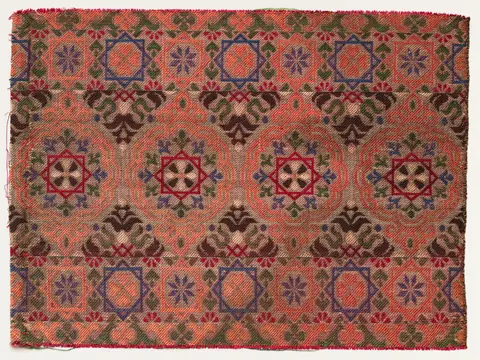
- Fragment of a belt (hizam) (1800s) — Cleveland Museum of Art, CC0 1.0
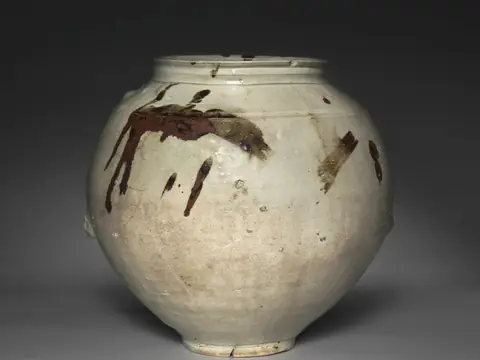
- Jar with Design in Underglaze Iron (1800s–1900s) — Cleveland Museum of Art, CC0 1.0
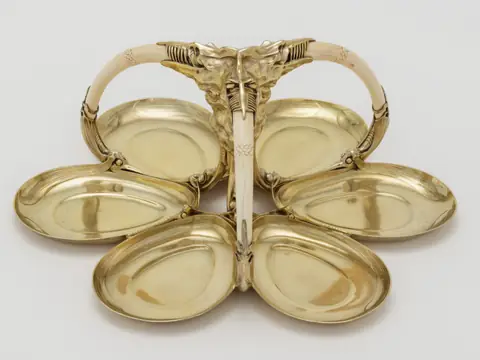
- Salver, Carlo Bugatti (c. 1907) — Cleveland Museum of Art, CC0 1.0
- Bidri Hookah Bowl with Roses (c. 1650s) — Cleveland Museum of Art, CC0 1.0