
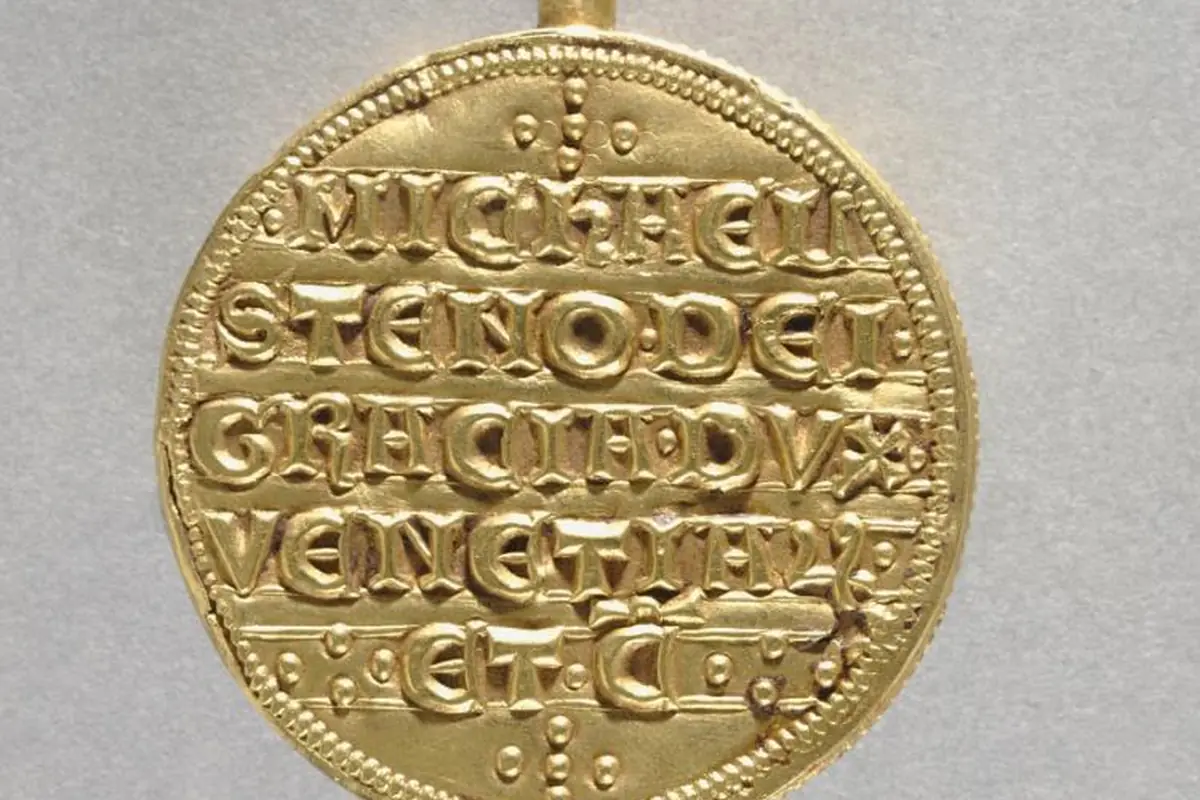
 Cleveland Museum of Art · CC0 1.0
Describing in order to recognise
The description form is the work's identity card. It must allow anyone, years later, to recognise the work unambiguously.
It comprises six blocks: identification, creation, materials, dimensions, signatures and inscriptions, condition and history. Each heading comes with online help and examples.
Precision is the key: a detailed form speeds up the expert assessment and reduces requests for additional documents.
The form in figures
The six blocks
| Block | Headings |
|---|---|
| Identification | Title, artist or attribution, category, inventory number |
| Creation | Date, place, period, school, series |
| Materials | Technique, support, materials, varnish, frame |
| Dimensions | Height, width, depth, weight, with and without frame |
| Signatures and inscriptions | Signature, monogram, labels, stamps, marks |
| Condition and history | Restorations, accidents, owners, exhibitions |
Filling in without error
- Stand in front of the work
Describe what you see, not what you believe.
- Measure
Use a rigid tape measure, take each reading twice.
- Photograph the inscriptions
Attach every signature, label and stamp.
- Declare doubts
Indicate any uncertainty about the attribution or the date.
- Reread
Check the units, the spelling of names, the consistency of dates.
Declaring restorations
Useful definitions
| Term | Meaning |
|---|---|
| Attribution | Linking with an artist, without certainty |
| Support | Material on which the work is made (canvas, wood, paper) |
| Technology | Process used (oil, watercolour, lost-wax bronze) |
| Dimensions without frame | Size of the work alone |
| Monogram | Artist's initials used as a signature |
Brief or detailed description
Brief
Minimum admissible- Mandatory fields only
- Longer expert assessment
- Frequent requests for additional documents
Admissible, but ineffective.
Detailed
Complete description- All fields completed
- Fewer additional documents
- Prepared expert assessment
Gain of two to three weeks.
Case study: an illegible signature
Describing without interpreting
An applicant reads “Monet” on a half-effaced signature.
- He describes the signature as “illegible, looks like a red signature at bottom right”.
- He attaches a sharp close-up.
- The expert draws their own conclusions.
The case avoids a hasty attribution that would have justified a refusal of admissibility.
A form designed to last
The information entered serves not only for the expert assessment: it feeds the Registry throughout the life of the work. A field badly completed today can make a search impossible in twenty years.
That is why the form favours controlled vocabularies (techniques, supports, categories) and standardised units, rather than free texts that are hard to compare.
Before sending the form
On precision
« A good description is recognised by the fact that it lets no neighbouring work slip into it. »
Vocabulary of the description
- Frame
- Framing of a work, sometimes old and separate.
- Registration
- Written mention on the work or on its back.
- Stamp
- Mark of a collection, a dealer or an administration.
- Inventory number
- Number assigned by a collection.
Frequently asked questions
Can I save the form without finishing it?
Yes, it is saved automatically for 60 days.
Do I have to know the artist?
No. A work by an “unknown artist” is admissible, with a precise description.
Can I correct an error after submission?
Yes, by a request for rectification before the expert is appointed.
Does the form exist in a paper version?
A PDF template can be downloaded, but submission is done online.
Useful documents
Contacts
Related pages
 Supporting documentsThe identity, ownership, description and provenance documents to attach to a registration case.›
 Work passportThe unique digital identity of a work: content, use, updating and consultation of the OIMAP work passport.›
 Submit a caseDescribe the work, choose the acts, upload the documents and pay the deposit: submitting a case step by step.›
Attach the documents
Image credits (16)
- Seal of Doge Michele Steno (reverse) (1400–1409) — Cleveland Museum of Art, CC0 1.0
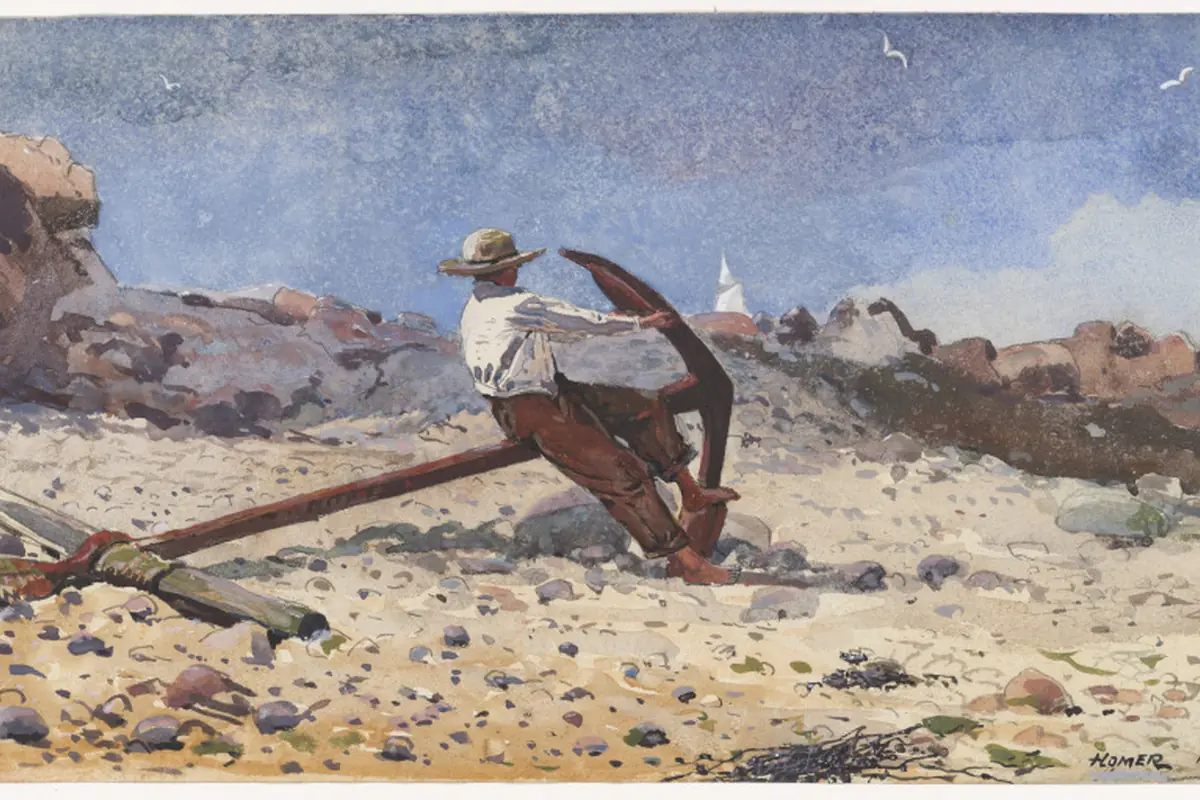
- Boy with Anchor, Winslow Homer (1873) — Cleveland Museum of Art, CC0 1.0
- Sweet Melancholy, Joseph-Marie Vien (1756) — Cleveland Museum of Art, CC0 1.0
- Flowers in a Glass, Ambrosius Bosschaert (1606) — Cleveland Museum of Art, CC0 1.0
- Letter Box, Ogata Kōrin (1700s) — Cleveland Museum of Art, CC0 1.0
- Corner Cabinet, René Dubois (c. 1765–1770) — Cleveland Museum of Art, CC0 1.0
- Carved Lacquer Scroll Box (1736–95) — Cleveland Museum of Art, CC0 1.0
- Still Life with Vegetables, Partridge, and a Jug, Adolphe-Félix Cals (1858) — Cleveland Museum of Art, CC0 1.0
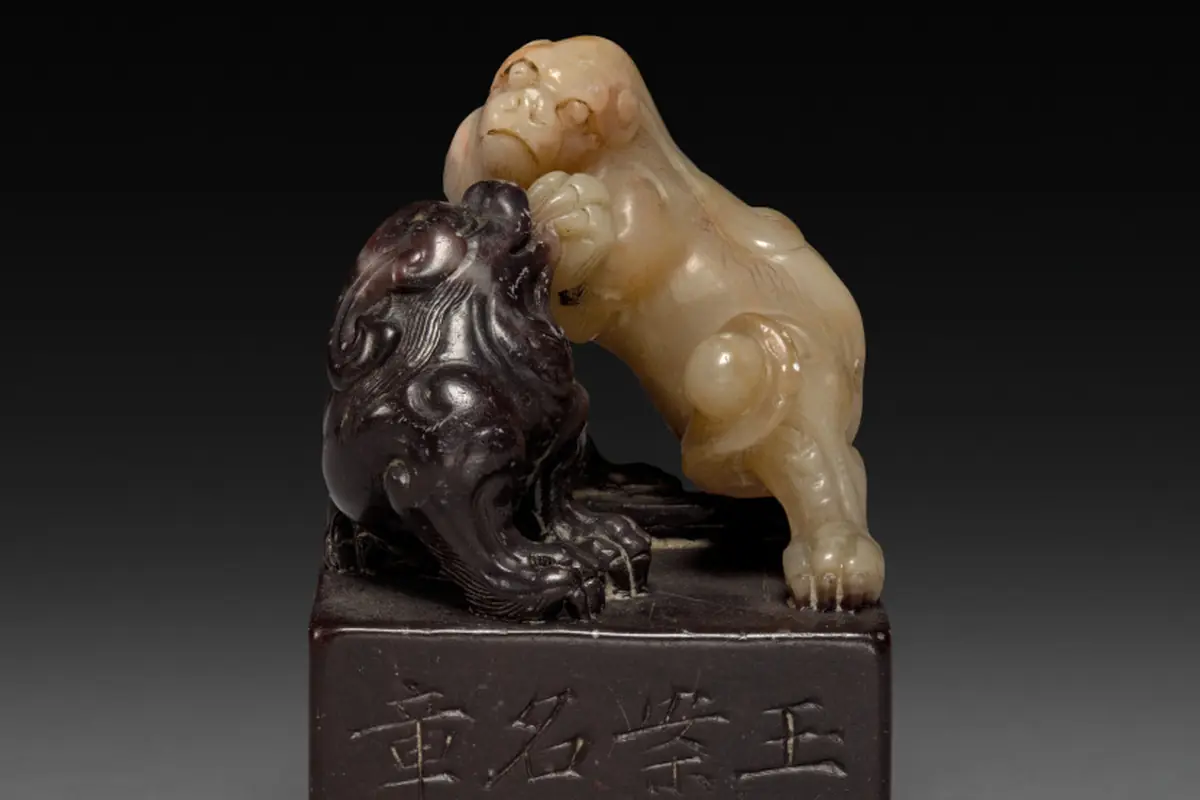
- Seal with Two Qilin Playing (1849) — Cleveland Museum of Art, CC0 1.0
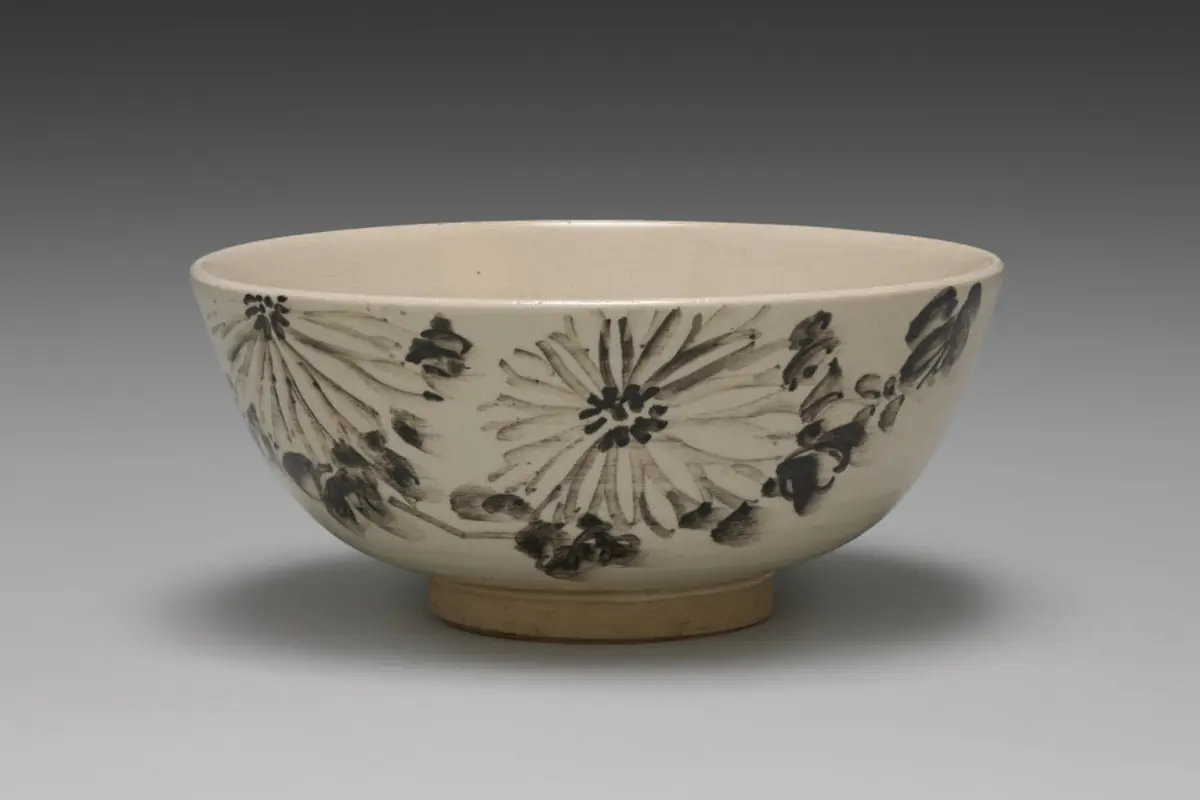
- Bowl with Chrysanthemums, Seifū Yohei IV (1914–46) — Cleveland Museum of Art, CC0 1.0
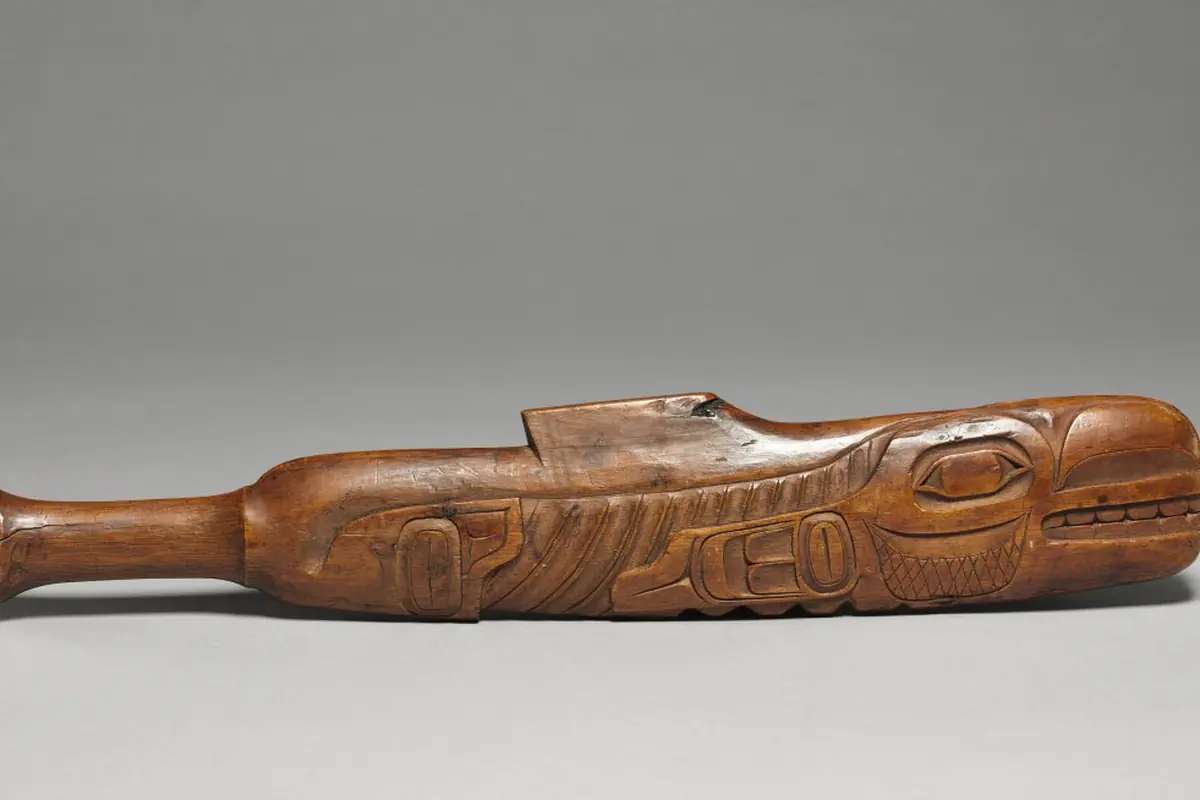
- Fish or Seal Club (X’ús’) (late 1800s–early 1900s) — Cleveland Museum of Art, CC0 1.0
- The Doge's Palace, Venice, Richard Parkes Bonington (1826) — Cleveland Museum of Art, CC0 1.0
- Mercury (Budha), from a Mandi Astrology Series, Sanju (c. 1810) — Cleveland Museum of Art, CC0 1.0
- The Four Seasons, Kano Tan’yū (1668) — Cleveland Museum of Art, CC0 1.0
- Chemin de fer de Toulouse à Bayonne. Pont de l'Aran (en trois arches de 17m d'ouverture chacune). Situation des travaux au 21 juillet 1861, Édouard Baldus (1861) — Cleveland Museum of Art, CC0 1.0
- Still Life with Peaches, Auguste Renoir (1881) — The Metropolitan Museum of Art, CC0 1.0