
 Cleveland Museum of Art · CC0 1.0
Pages in this section
 Stages of arbitrationSeven stages from request to award: content of each act, responsibilities and points to watch.›
 Time limits of the procedureStatutory time limits, time limits set by the tribunal, extensions and sanctions: how the timetable of an arbitration is kept.›
 Arbitration hearingsPreparation, conduct and organisation of TAO hearings, on site or remotely: witnesses, experts, interpreters and confidentiality.›
A marked-out path
An arbitration procedure is first of all a timetable. The TAO Rules set each stage and each time limit, so that the parties know at every moment what is expected of them and when the decision will be made.
From request to award, the average duration is eleven months. It varies with the complexity of the case, the number of arbitrators and the diligence of the parties. The expedited procedure takes six months.
This page summarises the course of events; the following pages detail the stages, the time limits and the hearings.
Arbitration procedure in figures
Source: Registry of the OIMAP Arbitral Tribunal.
Three angles
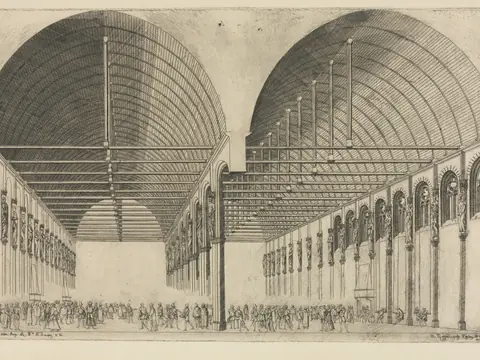
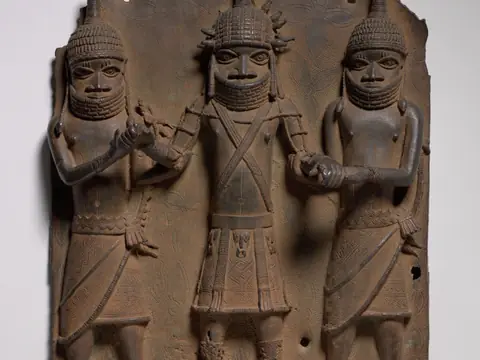
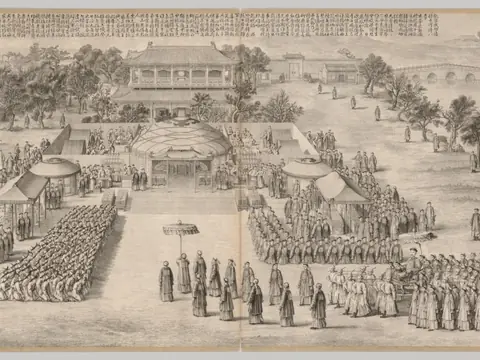
The main phases
The procedure runs in five phases: introduction (request and answer), constitution of the tribunal, written proceedings (briefs and documents), the hearing, then deliberation and award. Each is framed by a timetable that the tribunal sets at the first meeting.
This timetable may be adjusted if circumstances justify it, but the tribunal ensures that such changes remain exceptional.
Everyone's role
The parties present their claims and their evidence. The arbitrators direct the procedure, question the parties and make the award. The Registry notifies documents, keeps the timetable and holds the file. Experts, appointed by the parties or the tribunal, shed light on technical questions.
The tribunal may order the production of documents, hear witnesses and call on independent experts. It ensures that the burden of proof is fairly shared.
Applicable law and language
The parties choose the law applicable to the merits, including non-State law such as the UNIDROIT principles. Failing that, the tribunal applies the law designated by the conflict rules it considers appropriate. It takes account of art-trade customs.
The language of the proceedings is that of the arbitration agreement or, failing that, chosen by the tribunal. Documents in another language are translated at least in summary.
Interim measures and confidentiality
At any time, a party may request interim measures: keeping a work on deposit, a ban on sale, preservation of evidence. The tribunal rules quickly and may make the measure subject to security.
The whole procedure is confidential. The parties, their counsel, the arbitrators and the experts are barred from disclosing the existence and content of the case, except where legally required or agreed by all parties.
Typical timetable
| Stage | Indicative time limit |
|---|---|
| Requête | Day 0 |
| Answer | + 30 days |
| Constitution | + 60 days |
| Briefs | + 5 to 7 months |
| Hearing | + 8 months |
| Award | + 11 months |
Milestones
- Requête
Filing.
- Answer
Respondent.
- Tribunal
Appointment.
- Hearing
Debates.
- Award
Reasoned decision.
The timetable is binding
Ordinary or expedited procedure
Ordinary
One or three arbitrators- Eleven to fourteen months
- Full debates
- For major disputes
Default procedure.

Expedited
Sole arbitrator- Six months
- One exchange of briefs
- For under €250,000
Fast and economical.
Following the procedure
- Introduce
Request and answer.
- Constitute
Appoint the arbitrators.
- Investigate
Exchange the briefs.
- Plead
Hold the hearing.
- Decide
Obtain the award.
Good practices
An arbitrator
« The key to a successful arbitration is a realistic timetable, accepted by everyone from the first meeting. »
Vocabulary of procedure
- Proceedings
- Preparation phase and exchange of evidence.
- Brief
- Written statement setting out the arguments.
- Deliberation
- Arbitrators' reflection before the award.
- Extension
- Prolongation of a time limit.
Frequently asked questions
How long does it take?
Eleven months on average.
Can an appeal be made?
The award is final, save for a limited action for annulment.
Is a hearing needed?
No, if the parties agree.
Where can I read the time limits?
See Time limits.
Useful documents
Contacts
Related pages
 Stages of arbitrationSeven stages from request to award: content of each act, responsibilities and points to watch.›
 Time limits of the procedureStatutory time limits, time limits set by the tribunal, extensions and sanctions: how the timetable of an arbitration is kept.›
 Arbitration hearingsPreparation, conduct and organisation of TAO hearings, on site or remotely: witnesses, experts, interpreters and confidentiality.›
See the stages
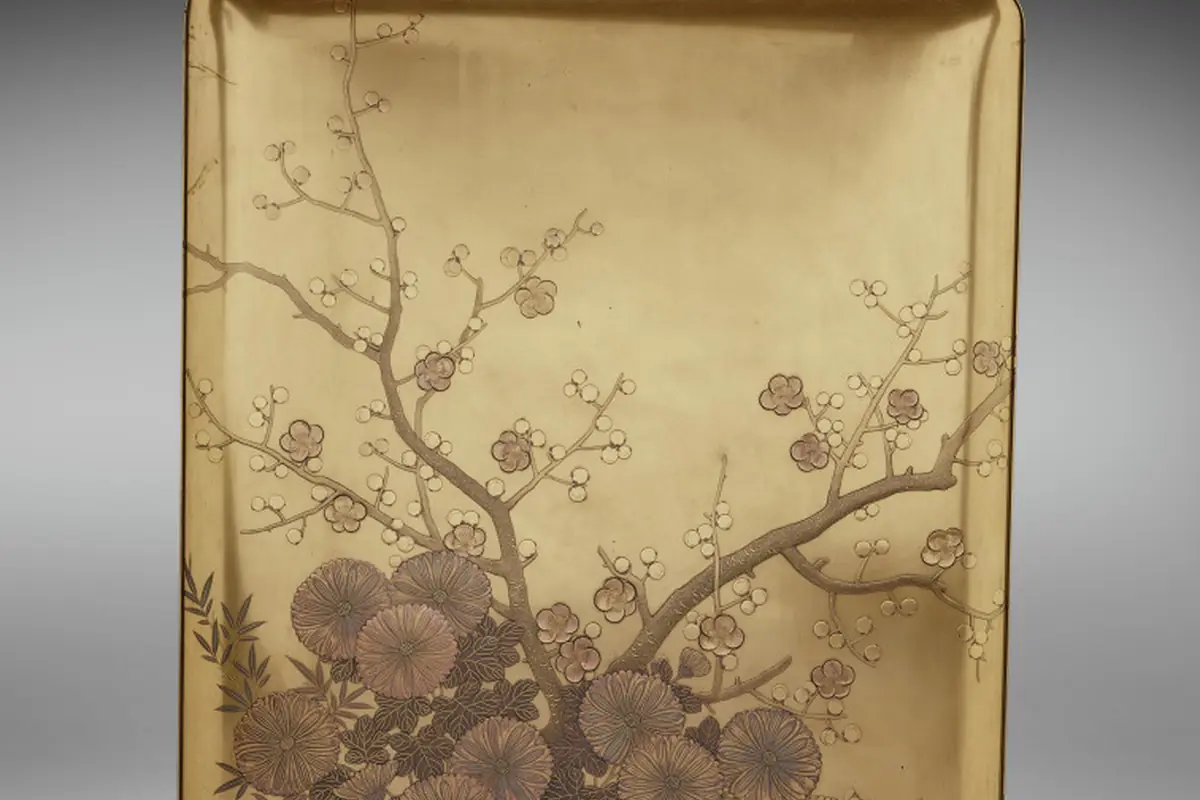
Image credits (22)
- The Judgment of Solomon and Esther before Ahasuerus (pair), Dirk Vellert (c. 1530) — Cleveland Museum of Art, CC0 1.0
- Sketches in Belgium and Germany, Volume I: Hall of Justice of the Magistrates du Franc, Bruges, Louis Haghe (1840) — Cleveland Museum of Art, CC0 1.0
- Dr. James Stuart; Mary Campbell Stuart, Gilbert Stuart (c. 1815) — Cleveland Museum of Art, CC0 1.0
- The Calumny of Apelles, Giorgio Ghisi (1560) — Cleveland Museum of Art, CC0 1.0
- Portrait of John VIII Palaoelogus, Emperor of Constantinople, 1424-1428 (reverse), Pisanello (c. 1438–1439) — Cleveland Museum of Art, CC0 1.0
- The Antechamber of the Palace of Justice, Paris, Charles Meryon (1855) — Cleveland Museum of Art, CC0 1.0
- Plaque (1500s–1600s) — Cleveland Museum of Art, CC0 1.0
- The Victory Banquet: from Battle Scenes of the Quelling of Rebellions in the Western Regions, with Imperial Poems (c. 1765–74; poem dated 1760) — Cleveland Museum of Art, CC0 1.0
- Seal Color Box (1662–1722) — Cleveland Museum of Art, CC0 1.0
- Coronation of the Virgin, Christoffel Jegher (1632–36) — Cleveland Museum of Art, CC0 1.0
- The Dance at the Court of Herod, Israhel van Meckenem (c. 1500) — Cleveland Museum of Art, CC0 1.0
- Seal Color Box (1662–1722) — Cleveland Museum of Art, CC0 1.0
- The Triumph of Mordecai, Lucas van Leyden (1515) — Cleveland Museum of Art, CC0 1.0
- Chemin de fer de Toulouse à Bayonne. Pont de l'Aran (en trois arches de 17m d'ouverture chacune). Situation des travaux au 21 juillet 1861, Édouard Baldus (1861) — Cleveland Museum of Art, CC0 1.0
- Mercury (Budha), from a Mandi Astrology Series, Sanju (c. 1810) — Cleveland Museum of Art, CC0 1.0
- Letter Box, Ogata Kōrin (1700s) — Cleveland Museum of Art, CC0 1.0
- Sweet Melancholy, Joseph-Marie Vien (1756) — Cleveland Museum of Art, CC0 1.0
- The Apotheosis of Romulus: Design for a Ceiling, Domenico Maria Canuti (c. 1675–76) — Cleveland Museum of Art, CC0 1.0
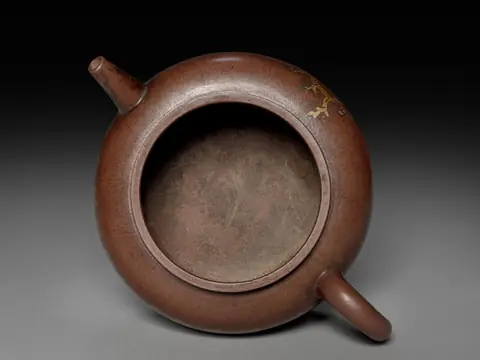
- Teapot with Landscape and Imperial Poem, Chen Hanwen (1762–95) — Cleveland Museum of Art, CC0 1.0
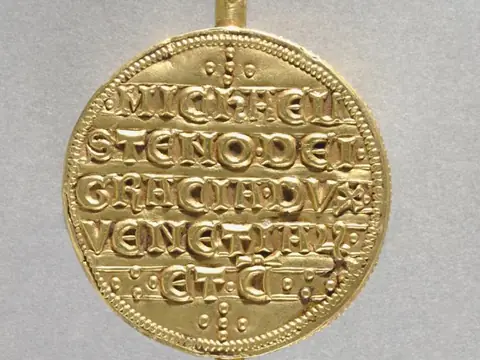
- Seal of Doge Michele Steno (reverse) (1400–1409) — Cleveland Museum of Art, CC0 1.0
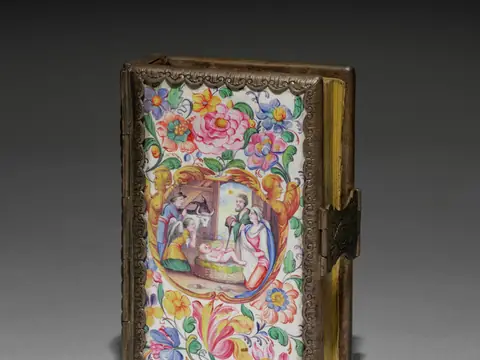
- Carnet (1863–1865) — Cleveland Museum of Art, CC0 1.0
- Document Box (Ryōshibako) with Chrysanthemum and Plum (lid) (late 1800s-early 1900s) — Cleveland Museum of Art, CC0 1.0