
 Cleveland Museum of Art · CC0 1.0
38% of the global market
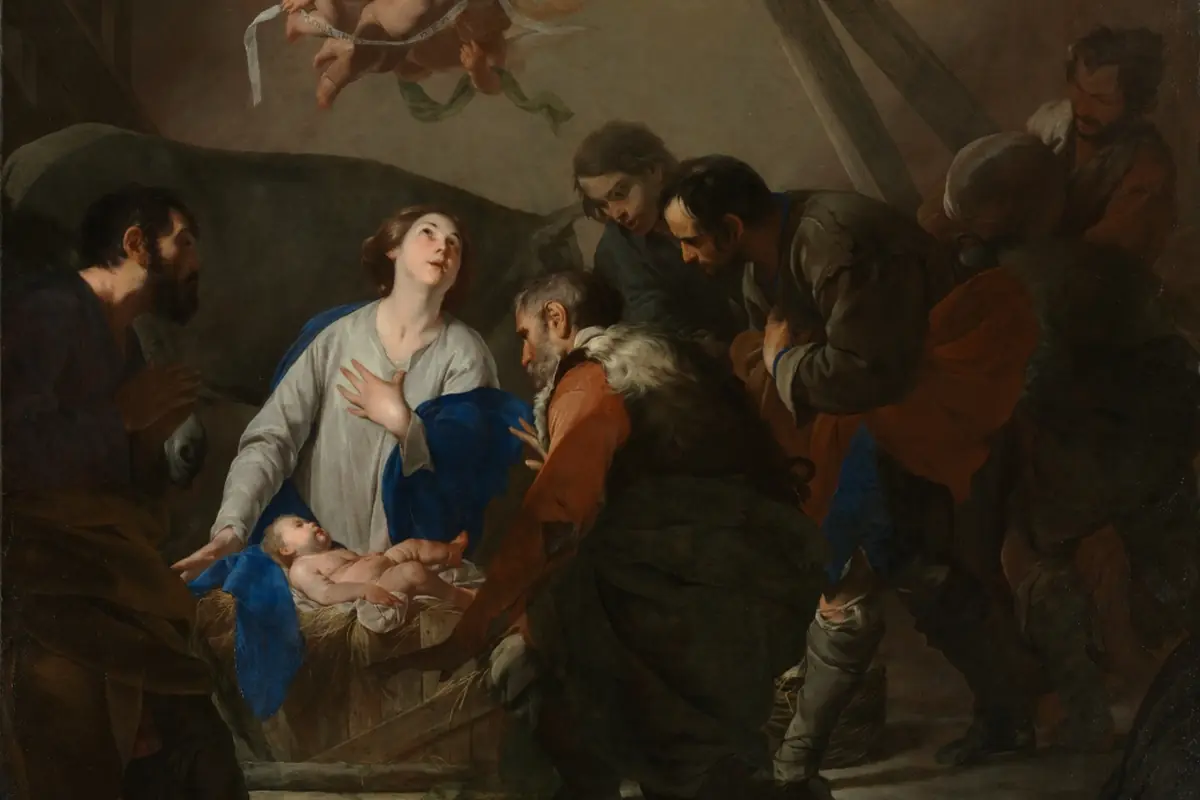
Painting remains the dominant segment: €25.8 billion in transactions in 2024, i.e. 910,000 lots, for a median price of €9,400.
The segment covers oils, watercolours, gouaches, pastels and acrylics, from old masters to modern painting. It is the oldest, the best documented and the one that concentrates the largest sales.
This page presents the segment's breakdown by period, price drivers and points of vigilance.
Painting in 2024
Source: OIMAP Observatory.
What makes the price of a painting
Four factors dominate: attribution, condition, provenance and rarity. An attribution confirmed by an OIMAP certificate can double the price compared with the same work "attributed to". A painting in good condition, without heavy restoration, sells markedly better.
Provenance plays a growing role: a painting that belonged to a famous collection or was shown in a major retrospective benefits from a premium, while patchy provenance brings a discount.
Finally, rarity is assessed at the level of the artist: a master almost all of whose works are in museums sees the few works still in private hands reach very high prices.
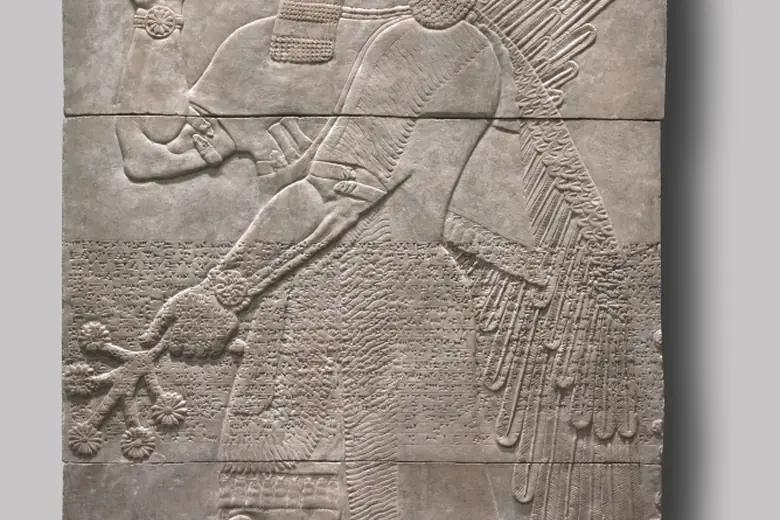
Major periods of painting
| Period | Volume | Median price | 2024 change |
|---|---|---|---|
| Old masters | €5.7bn | €18,500 | +3.6% |
| 19th century | €6.2bn | €11,200 | +4.4% |
| Modern | €9.3bn | €12,700 | +5.4% |
| Post-war | €4.6bn | €7,800 | +5.1% |
Landmarks of the segment
- 46% of the market
Maximum weight of the segment.
- Decline
Slowdown in physical sales.
- Resumption
Return of the major sales.
- €25.8bn
Highest historic volume.
The trap of attributions
Old painting or modern painting
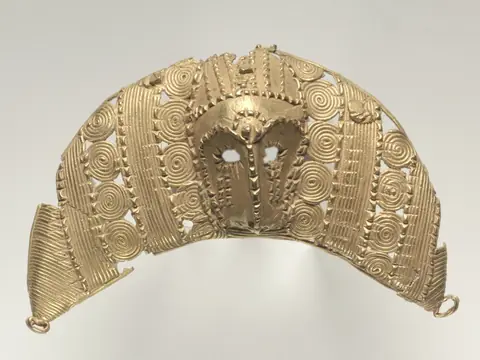
Old painting
Before 1860- Very rare supply
- Stable prices
- Documents to check
For heritage collections.
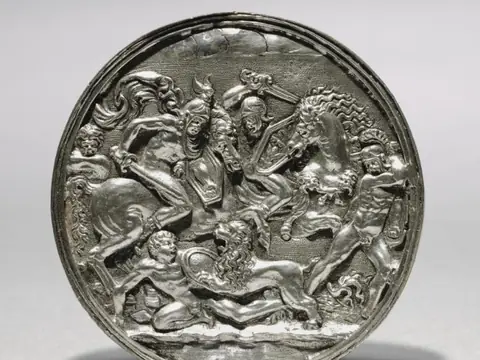
Modern painting
1860–1945- Wider supply
- Very active market
- More frequent counterfeits
For dynamic collections.
Buying a painting with confidence
- Identify
Note signature, dimensions, support.
- Check
Consult the BIOP and the Registry.
- Document
Ask for provenance and a conservation report.
- Have it certified
Obtain a certificate of authenticity.
- Insure
Declare the work to the insurer.
Minimal file for a painting for sale
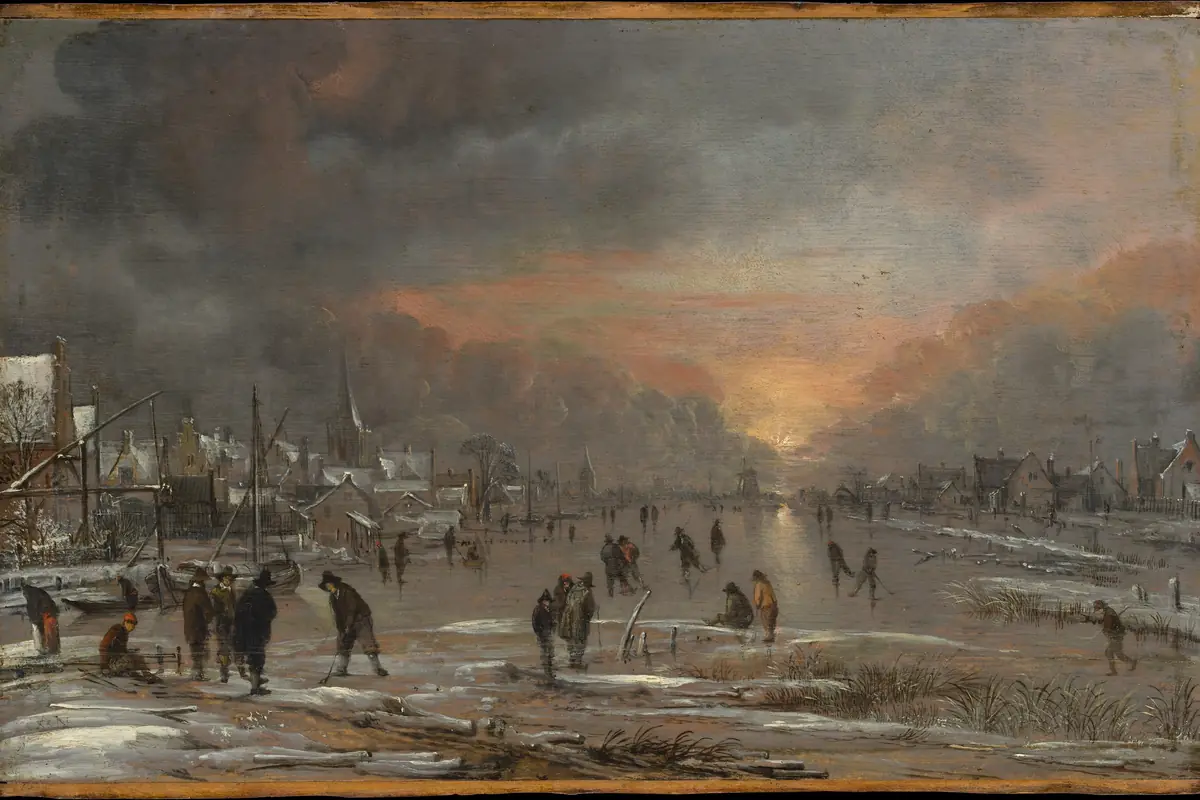


An auctioneer
« The market forgives a price that is too high more easily than a doubt about origin. »
Vocabulary of painting
- Attributed to
- Wording indicating a probable but unestablished attribution.
- Relining
- Backing of an old canvas.
- Overpaint
- Area retouched afterwards.
- Original frame
- Frame contemporary with the work.
The place of painting in collections
For most collectors, painting is the entry point into the market. It offers a great diversity of prices: from a few hundred euros for a work on paper to several tens of millions for a masterpiece. This diversity explains why the segment attracts amateurs, institutions and investors alike.
Museums are important players in the segment, sometimes buyers, sometimes lenders. Their acquisitions take works off the market for good, which sustains the rarity of old masters and supports the prices of those that remain available.
Frequently asked questions
What is an old master?
A painter active before 1800, according to the Observatory's nomenclature.
Is the segment stable?
It is the least volatile: the margin of error of its index is ±0.5 points.
How do I have a painting certified?
See the certification of authenticity.
Where can I see the major sales?
In the top 10.
Useful documents
Contacts
Related pages
 PaintingThe painting market: old masters, the 19th century and the modern period, with their prices, players and precautions.›
 Old mastersThe market for painters before 1800: rarity, attributions, provenance and major sales.›
 Certificates of authenticityThe OIMAP certificate of authenticity establishes, through independent expertise and scientific analysis, that the work is indeed the one claimed.›
See the painting market
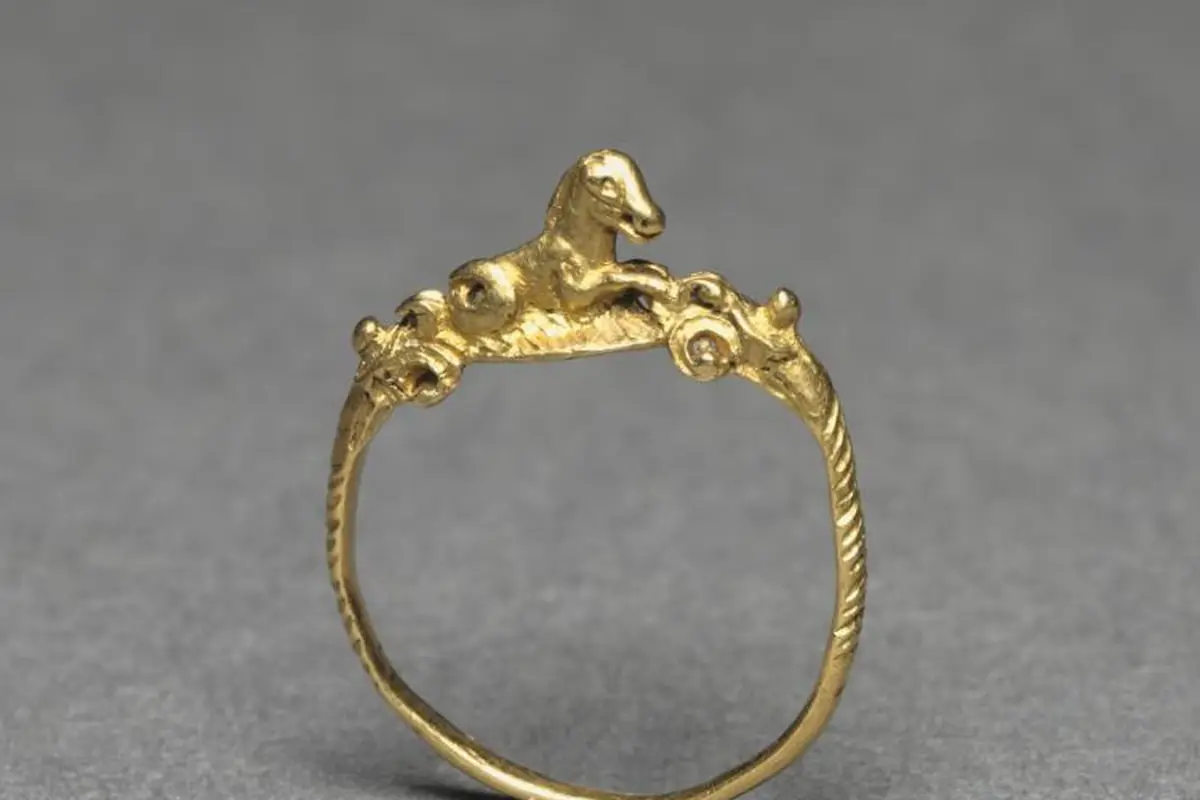
Image credits (16)
- Figure from a Crèche: Standing Man (1780–1830) — Cleveland Museum of Art, CC0 1.0
- Adoration of the Shepherds, Bernardo Cavallino (c. 1650) — Cleveland Museum of Art, CC0 1.0
- Shrine Figure (misi or mishi) (late 1800s-early 1900s) — Cleveland Museum of Art, CC0 1.0
- Jar (25–220 CE) — Cleveland Museum of Art, CC0 1.0
- Saluting Protective Spirit (883–859 BCE) — Cleveland Museum of Art, CC0 1.0
- Pendant (1900s) — Cleveland Museum of Art, CC0 1.0
- Lion Hunt, Moderno (1581 or later) — Cleveland Museum of Art, CC0 1.0
- Sports on a Frozen River, Aert van der Neer (ca. 1660) — The Metropolitan Museum of Art, CC0 1.0
- Amitabha Triad (1400s) — Cleveland Museum of Art, CC0 1.0
- Bowl with Stamped Floral Decoration (1600s–1700s) — Cleveland Museum of Art, CC0 1.0
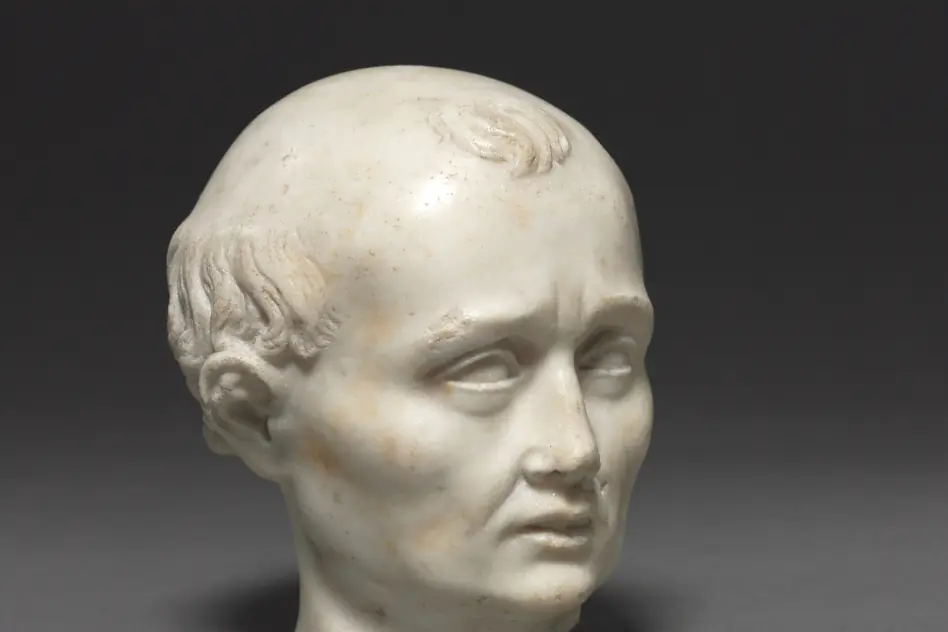
- Head of a Man, Michel Colombe (1520–25) — Cleveland Museum of Art, CC0 1.0
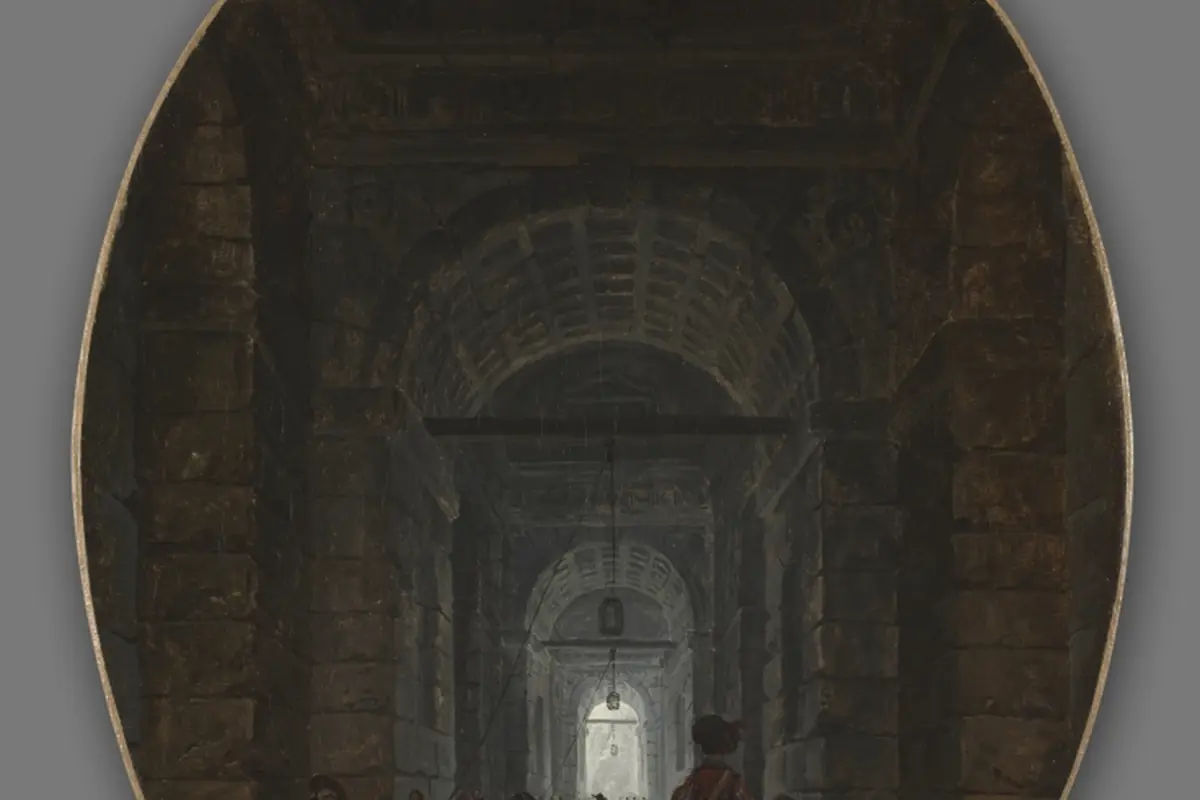
- The Grotto of Posillipo, Hubert Robert (c. 1769) — Cleveland Museum of Art, CC0 1.0
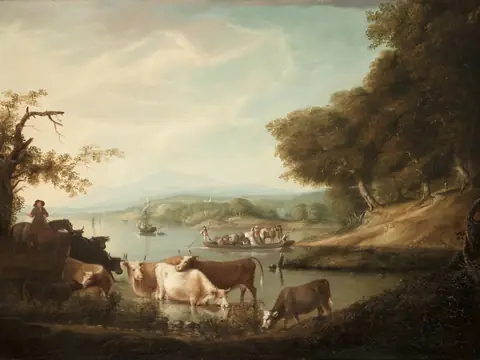
- A Calm Watering Place—Extensive and Boundless Scene with Cattle, Alvan Fisher (1816) — Cleveland Museum of Art, CC0 1.0
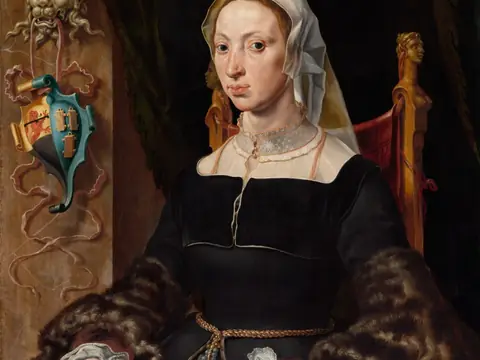
- Portrait of Machtelt Suijs, Maerten van Heemskerck (c. 1540–45) — Cleveland Museum of Art, CC0 1.0
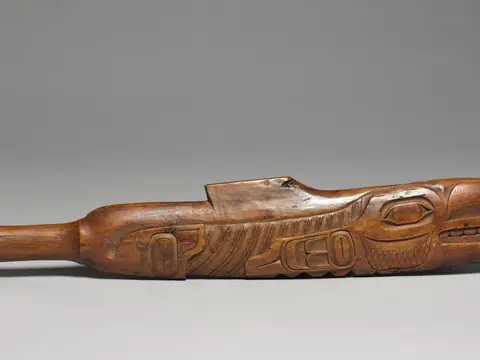
- Fish or Seal Club (X’ús’) (late 1800s–early 1900s) — Cleveland Museum of Art, CC0 1.0
- Ring with Hippocampus (100–200 CE) — Cleveland Museum of Art, CC0 1.0