
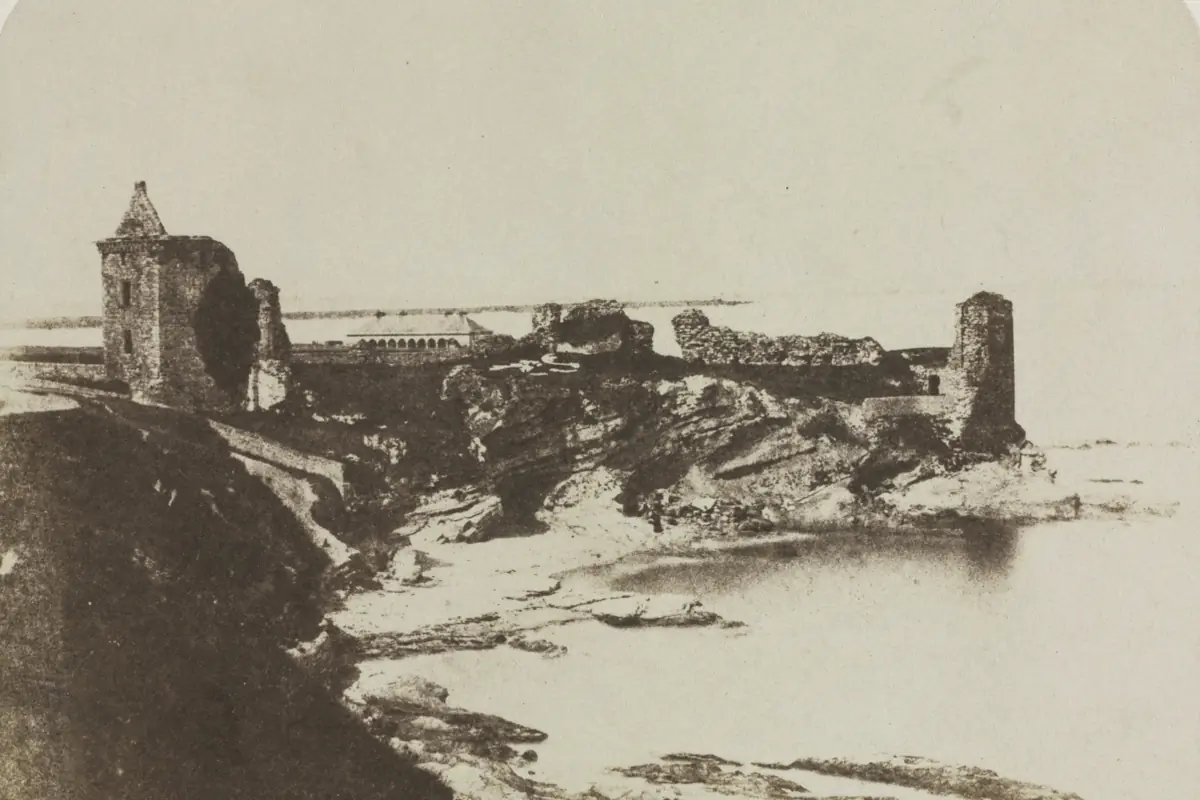
 Cleveland Museum of Art · CC0 1.0
When the book becomes a work
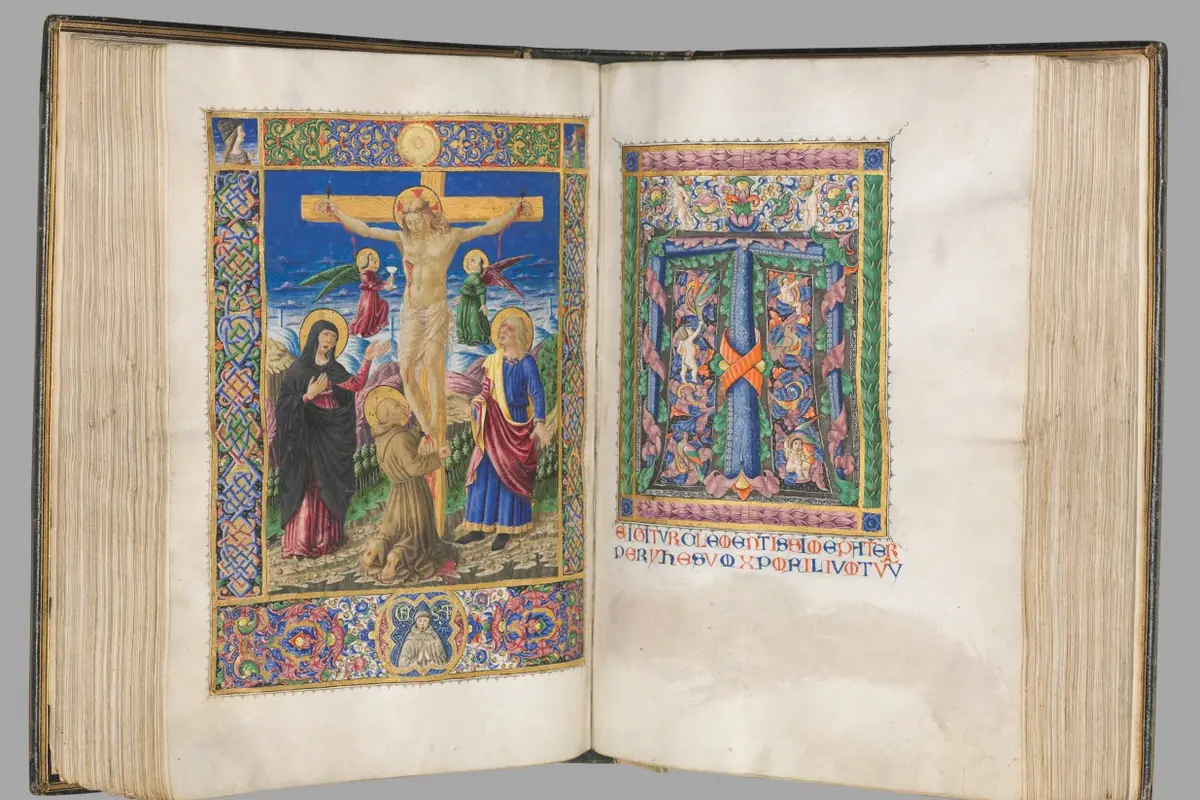
An artist's book is a work conceived by an artist, in which text, image and material form make up a whole. It is printed in a limited run, often numbered and signed.
The market reaches €610 million in 2024, with a median price of €3,100. It attracts bibliophiles, museums and collectors of works on paper.
This page explains what distinguishes an artist's book from an illustrated book, how to read a colophon and how to preserve these fragile objects.
Artists' books in figures
Source: OIMAP Observatory.
Illustrated book or artist's book
An illustrated book is a text accompanied by images; an artist's book is an overall work, in which the layout, the paper, the binding and even the object are conceived by the artist. This distinction guides prices: artists' books often reach several tens of thousands of euros.
Many historical books, published by major publishers with original illustrations by famous painters, belong to this category.
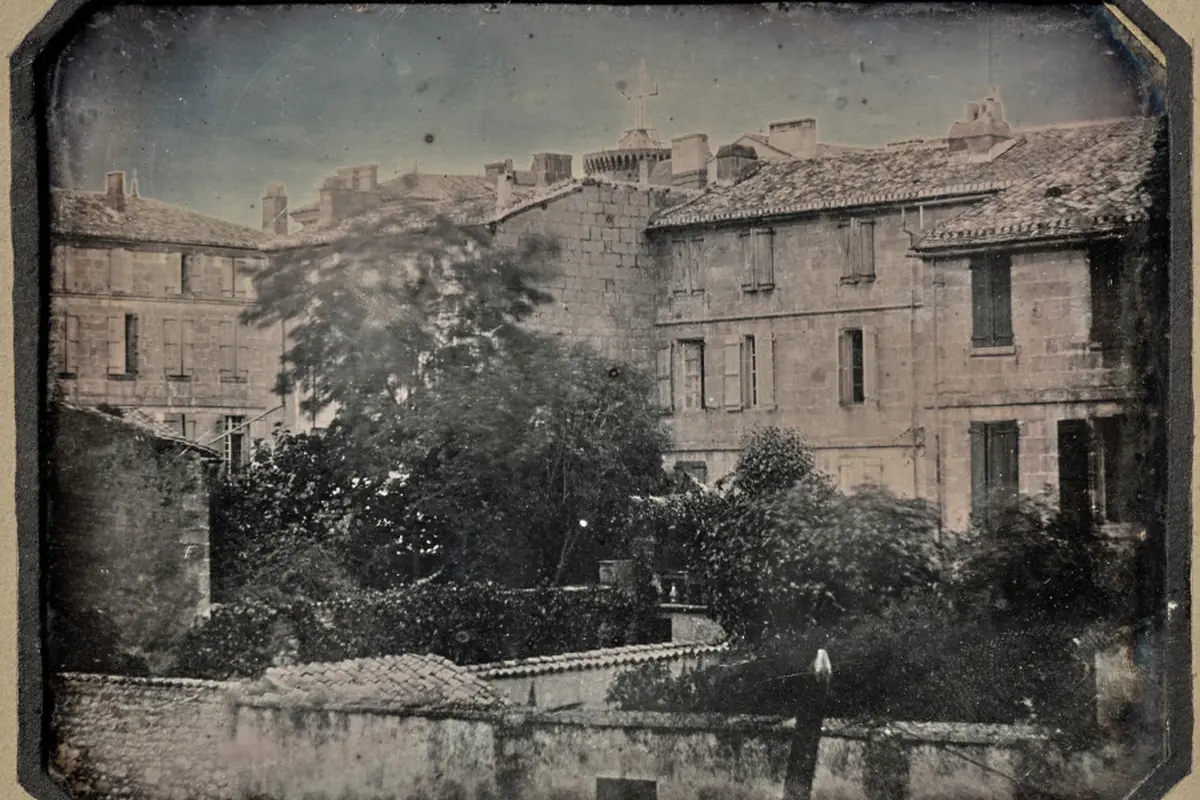
The colophon
The colophon, printed at the end of the volume, states the number of copies, their distribution across different papers and their numbering. Copies on luxury paper, often accompanied by a suite or an original print, are the most sought after.
The condition of copies is decisive: original binding, unrestored cover, absence of foxing. An intact copy can be worth ten times a worn one.
Libraries and public collections
National libraries and major public collections regularly buy artists' books to build reference holdings. They also make exhibitions of them, which feed the interest of private collectors.
Some OIMAP member institutions cooperate to digitise their holdings and make them accessible. These documentary databases ease the identification of copies and the fight against counterfeits.
Copies of the same book
| Type of copy | Print run | Distinctive feature | Relative value |
|---|---|---|---|
| Copy on luxury paper | 10 to 25 | Old paper, suite of prints | 100% |
| Copy on heavy paper | 25 to 50 | Higher-quality paper | 40 to 60% |
| Ordinary copy | 50 to 200 | Standard paper | 15 to 30% |
| Not for sale | Variable | Often annotated | Variable |
Landmarks
- First illustrated books
Collaboration between artists and publishers.
- Golden age
Major art publishers.
- Contemporary artists' books
New generation.
- €610M
Up 6.2%.
Paper that ages
Loose-leaf book or bound book
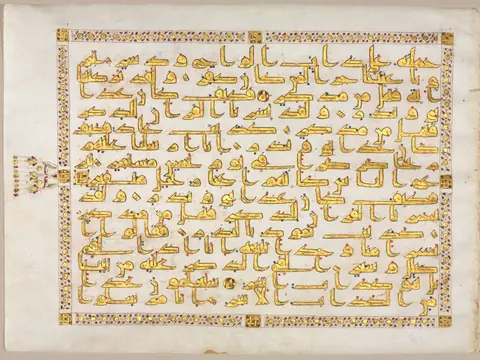
Loose leaves
Unbound gatherings- Custom binding
- Better for collectors
- Fragility
For enthusiasts.
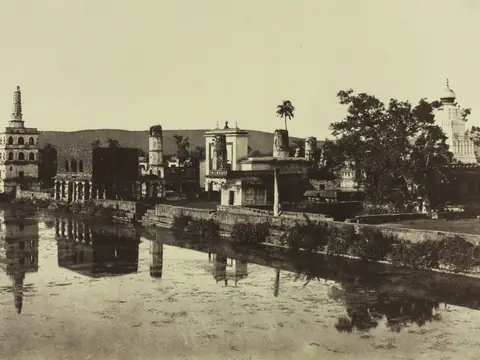
Bound
Original or publisher's binding- Ready to read
- Value depends on the binding
- More protective
For bibliophiles.
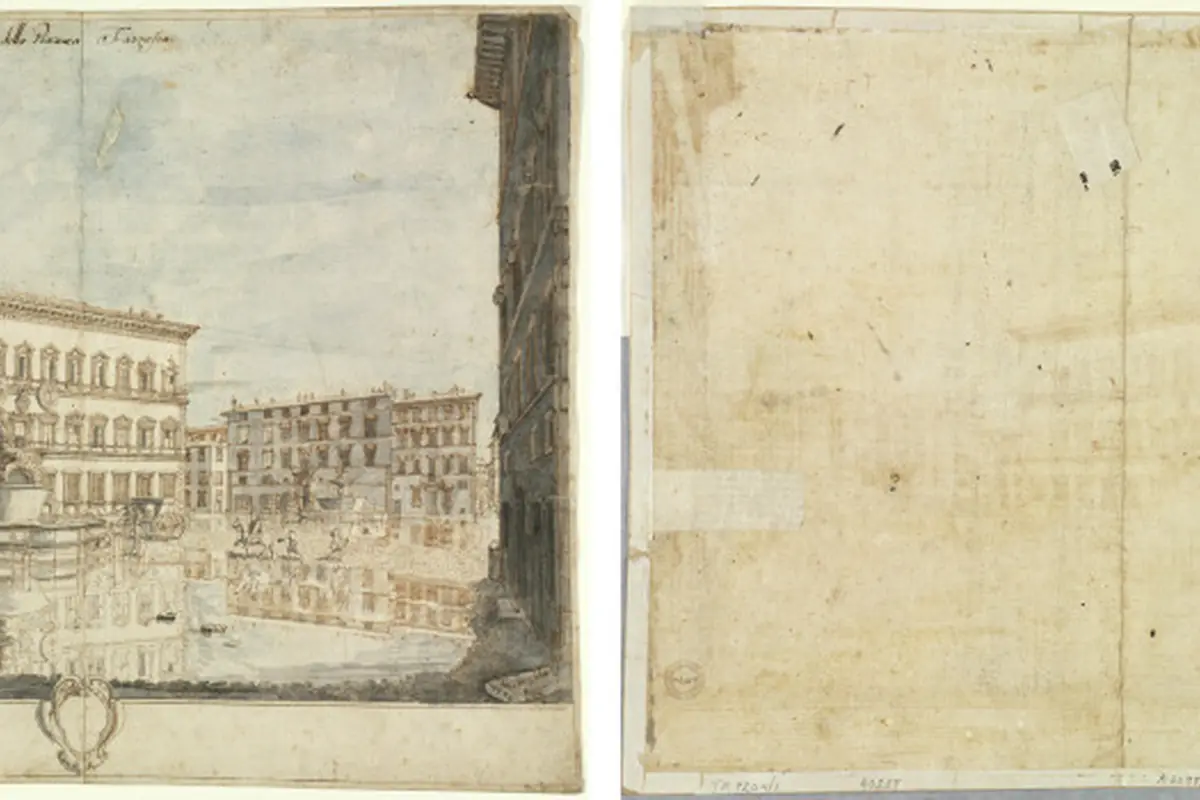
Buying an artist's book
- Identify
Publisher, date, print run.
- Compare
With reference copies.
- Examine
Paper, binding, condition.
- Document
Provenance and invoice.
- Register
Work passport.
Basic checks
A specialist bookseller
« An artist's book is an object to read and to look at. But its first duty is to have been well preserved. »
Vocabulary of artists' books
- Colophon
- Page stating the print run.
- Foxing
- Brown spots on paper.
- Suite
- Set of prints attached to a book.
- Publisher's binding
- Binding commissioned by the publisher.
Frequently asked questions
Is a signed book more expensive?
Yes, if the signature is authenticated.
Can an old book be restored?
Yes, by a binder or a paper restorer.
Are artists' books lent?
Yes, to museums and libraries.
Where can I see the whole segment?
On the Photography and graphic arts page.
Useful documents
Contacts
Related pages
 Photography and graphic artsThe market for photographic prints, limited editions and artists' books: prints, editions, states and authentication.›
 Vintage printsVintage photographic and engraved prints: historical processes, states, conservation and authentication.›
 Conservation reportsThe condition of a work, certified and dated: examination, restoration recommendations and insurance value in a single document.›
Back to the segment
Image credits (16)
- St. Andrews Castle, from the Southeast, David Octavius Hill (1846) — Cleveland Museum of Art, CC0 1.0
- Missale: Fol. 185v: Crucifixion with borders (full page), Bartolommeo Caporali (1469) — Cleveland Museum of Art, CC0 1.0
- Priest, France (c. 1840s–50s) — Cleveland Museum of Art, CC0 1.0
- Roman Ruins, Villa Pamfili, Hubert Robert (1774) — Cleveland Museum of Art, CC0 1.0
- View of Angoulême, Paul Michel Hossard (c. 1844) — Cleveland Museum of Art, CC0 1.0
- Qur'an Manuscript Folio (recto; verso); Left side of Bifolio (800s) — Cleveland Museum of Art, CC0 1.0
- Tank and Temples at Bunshunkuree, Col. Thomas Biggs (c. 1857) — Cleveland Museum of Art, CC0 1.0
- Eighteen Views of Rome: The Piazza Farnese (recto); Cartouche (verso), Lievin Cruyl (1664) — Cleveland Museum of Art, CC0 1.0
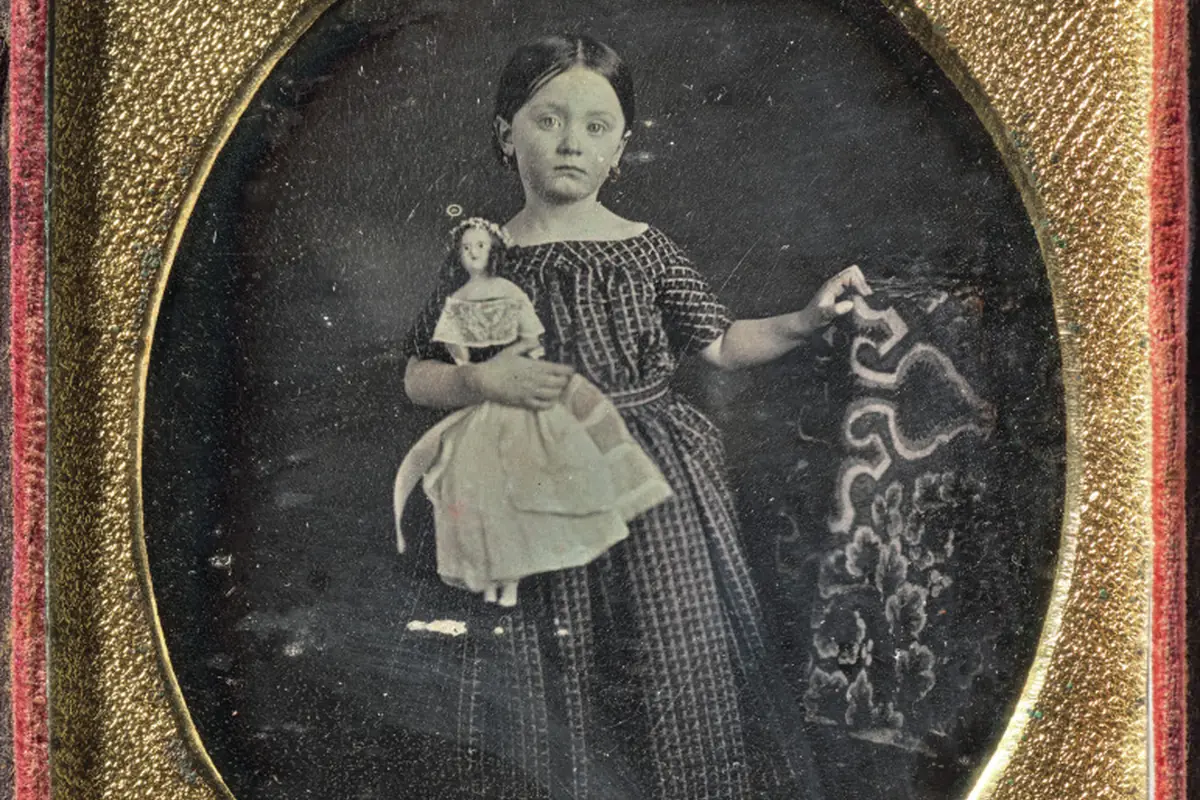
- Girl with Doll (1850s) — Cleveland Museum of Art, CC0 1.0
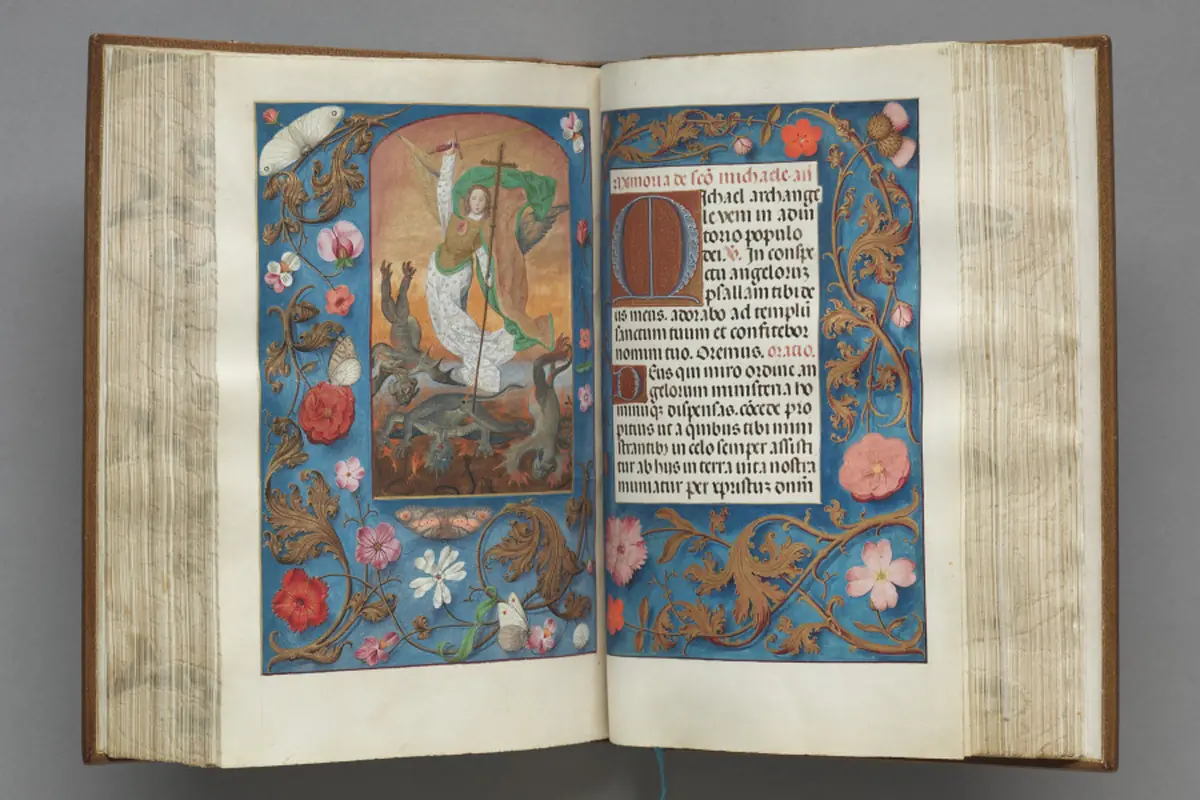
- Hours of Queen Isabella the Catholic, Queen of Spain, Master of the First Prayerbook of Maximillian (c. 1500) — Cleveland Museum of Art, CC0 1.0
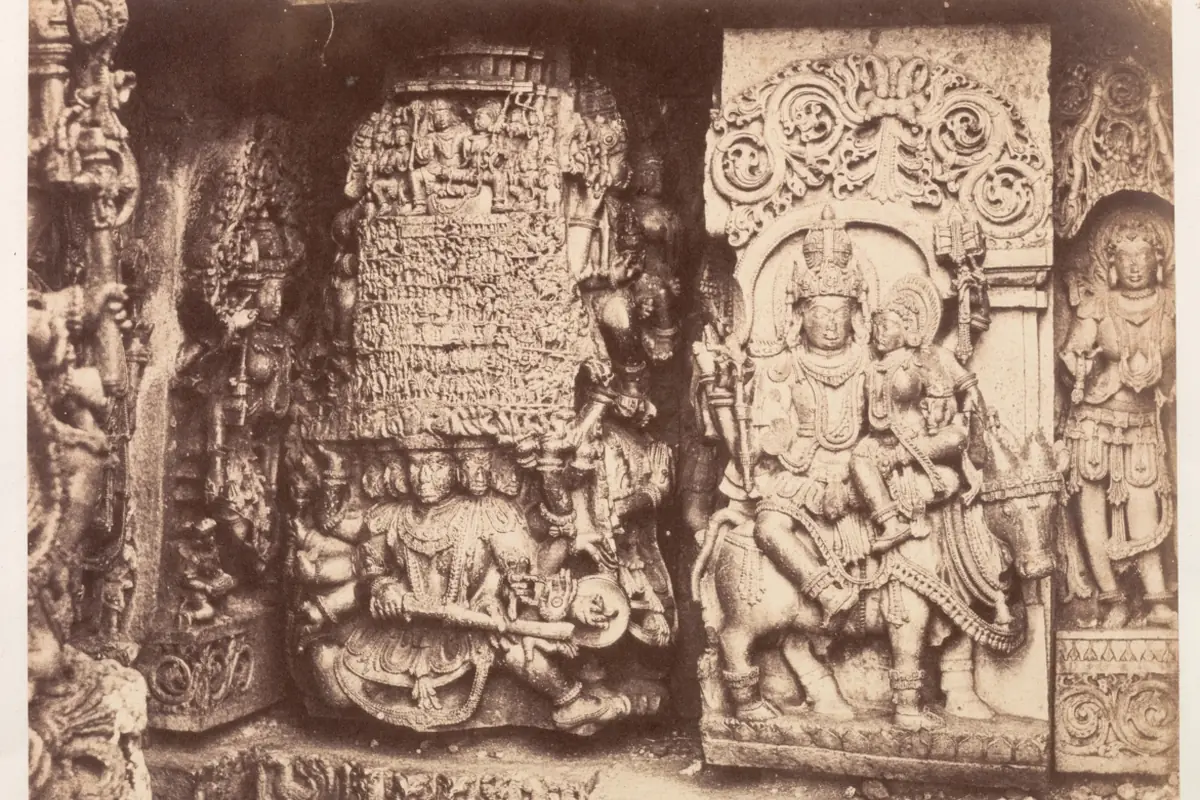
- Hoyshaleshvara Temple Sculpture, Halebidu (Halebeedu), Richard Banner Oakeley (1856–57) — Cleveland Museum of Art, CC0 1.0
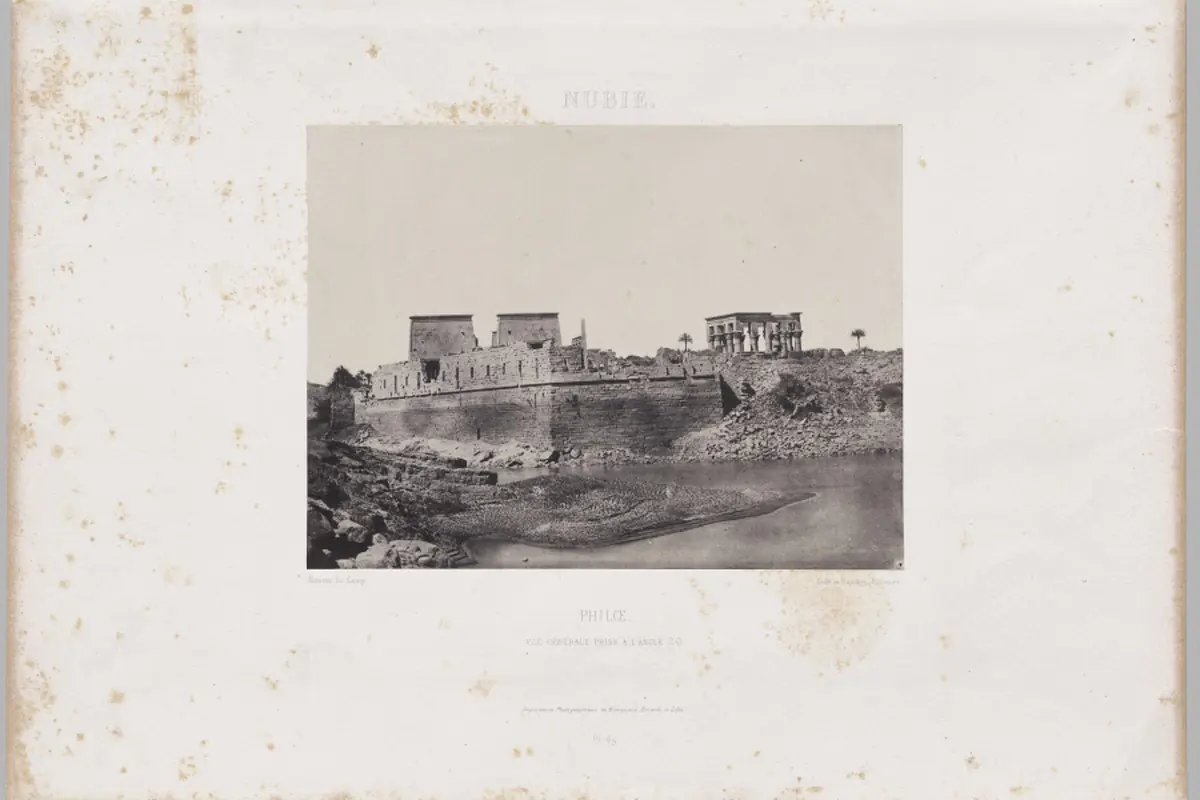
- Vue générale prise à l'angle sud-ouest, Philoe, Maxime Du Camp (1849–50) — Cleveland Museum of Art, CC0 1.0
- Portrait of a Naval Officer, Lai Fong (1870s) — Cleveland Museum of Art, CC0 1.0
- Boy with Cigar (c. 1855) — Cleveland Museum of Art, CC0 1.0
- Miniature Teapot, Mikhail Evlampievich Perkhin (1886–96) — Cleveland Museum of Art, CC0 1.0
- Temple of Ramesses II, Abu Simbel, Antonio Beato (c. 1860s) — Cleveland Museum of Art, CC0 1.0