
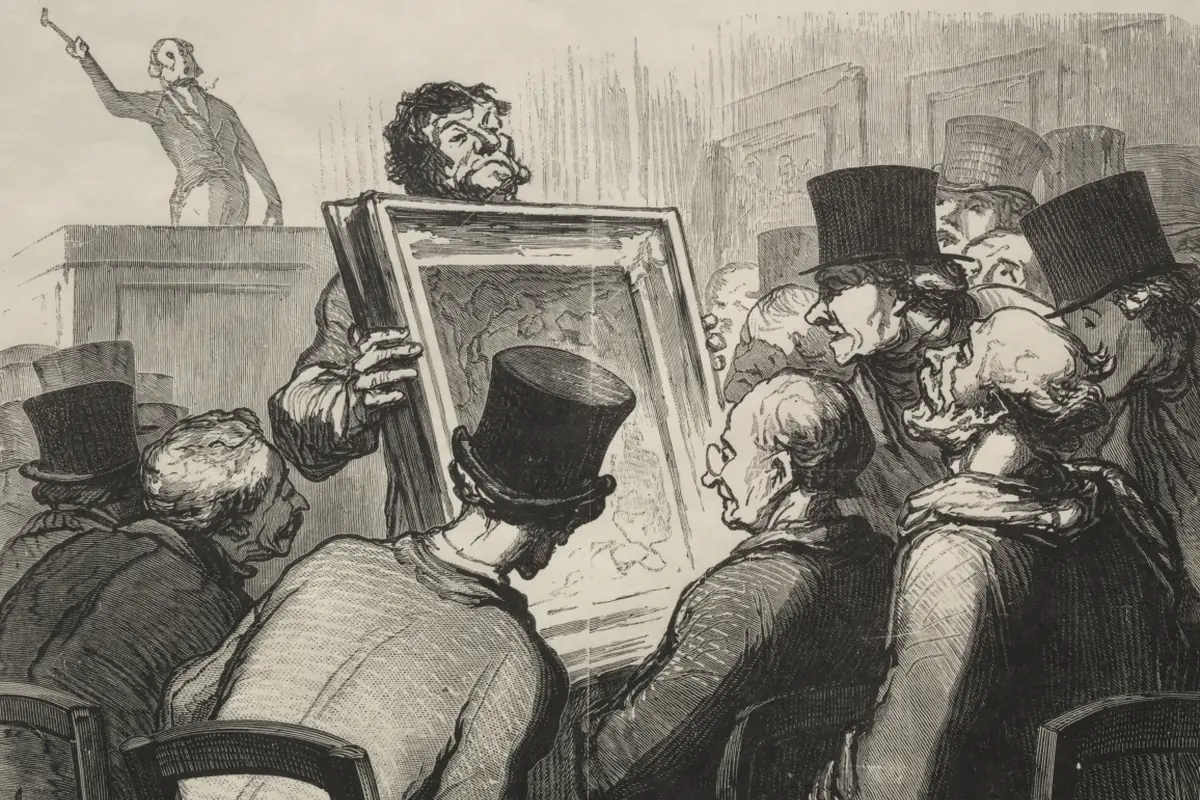
 Cleveland Museum of Art · CC0 1.0
Collecting with full knowledge
A collection is a personal adventure, but also a responsibility: towards artists, heritage and heirs. The one-day programme, followed by 1,000 collectors, gives the bearings to acquire with peace of mind, document, insure and pass on.
It is for anyone who owns or plans to build a collection, whatever its value. No legal knowledge is required.
This page details the content and resources.
Training for collectors in figures
Source: OIMAP Academy.
Acquiring with discernment
Before buying, one must ask questions about the work (authenticity, condition), the seller (identity, title) and the transaction (price, warranties, payment). The module presents a purchase checklist and the questions to ask. It teaches how to consult the BIOP database and read a certificate.
Real cases show how good-faith buyers lost their property for lack of precautions.
Documenting your collection
A complete inventory — photographs, dimensions, condition, invoices, certificates, correspondence — eases insurance, resale, transmission and restitution in case of theft. The module presents record templates and digital tools, including registration in the OIMAP Registry.
It covers conservation at home: climate, light, handling.
Insuring and protecting
Collectors learn to choose suitable insurance: agreed value, transport cover, exhibition, theft. They see how to secure their home, prepare an emergency plan and report a theft to the BIOP database. The module stresses the importance of updating insured values.
One part deals with the risks of online sales and scams.
Lending, giving, passing on
Lending a work to a museum, making a donation, setting up a foundation, organising one's estate: each choice has legal and tax consequences. The module presents loan contracts, donations with reserved usufruct, payment in kind and arbitration clauses.
It recommends being supported by a notary and specialist advice.
One-day programme
| Moment | Theme | Format |
|---|---|---|
| Morning | Acquisition and due diligence | Talk, cases |
| Midday | Documentation and insurance | Workshop |
| Afternoon | Transmission, loans, ethics | Round table |
Milestones
- First session
Collectors.
- Exchange circle
Creation.
- Online version
Webinar.
- 1,000 collectors
Review.
Advice, not an opinion
Private collection or foundation
Private
In one's own name- Simplicity
- Freedom
- Transmission to organise
General case.
Foundation
Dedicated structure- Sustainability
- Taxation
- Governance
For large collections.
Managing your collection
- Inventory
Works.
- Document
Documents.
- Insure
Value.
- Protect
Home.
- Pass on
Plan.
Documents to gather
A collector
« I thought I knew my works. The day taught me to know their history, and to document it for my children. »
Vocabulary of the collection
- Agreed value
- Value fixed in advance with the insurer.
- Donation
- Gift of property.
- Payment in kind
- Payment by handing over property.
- Usufruct
- Right to use property.
Ethics of the collector
To collect is also to choose to respect the cultures from which objects come. The module addresses provenance issues for archaeological and ethnographic objects, restitution requests and how to respond with dignity. It presents good practice for sharing the collection.
Trained collectors join an exchange circle that meets twice a year.
To go further
The Academy's reception service answers practical questions Monday to Friday, in French, English and Spanish, and can direct each visitor to the programme, scholarship or free resource that fits their situation. A guidance counsellor also offers a thirty-minute individual meeting, by appointment, to build a realistic training pathway.
Trainees' feedback is valuable: each session gives rise to a questionnaire, and the most useful suggestions are examined each quarter by the teaching committee. Do not hesitate to write to report a difficulty, propose a subject or tell us what the training has changed in your practice.
Frequently asked questions
Is a large collection needed?
No.
Is the programme available online?
Yes.
What price?
About €450.
Where to see the Registry?
See Certification.
Useful documents
Contacts
Related pages
 Market professionalsAuctioneers, gallery owners and collectors: training to buy, sell and conserve safely.›
 Training for gallery ownersContracts with artists, provenance, consignment, fairs and online sales: the programme for galleries.›
 CertificationAuthenticating, tracing and protecting a work: all the certificates, titles, licences and labels issued by OIMAP.›
See certification
Image credits (16)
- Painting Enthusiasts at Auction House Bouillon, Honoré Daumier (1862, printed 1920) — Cleveland Museum of Art, CC0 1.0
- Leaf from a Lectionary with St. Luke (1057–1063) — Cleveland Museum of Art, CC0 1.0
- Christ Driving the Money Changers from the Temple, Rembrandt van Rijn (1635) — Cleveland Museum of Art, CC0 1.0
- Portrait of a Woman, Corneille de Lyon (c. 1540) — Cleveland Museum of Art, CC0 1.0
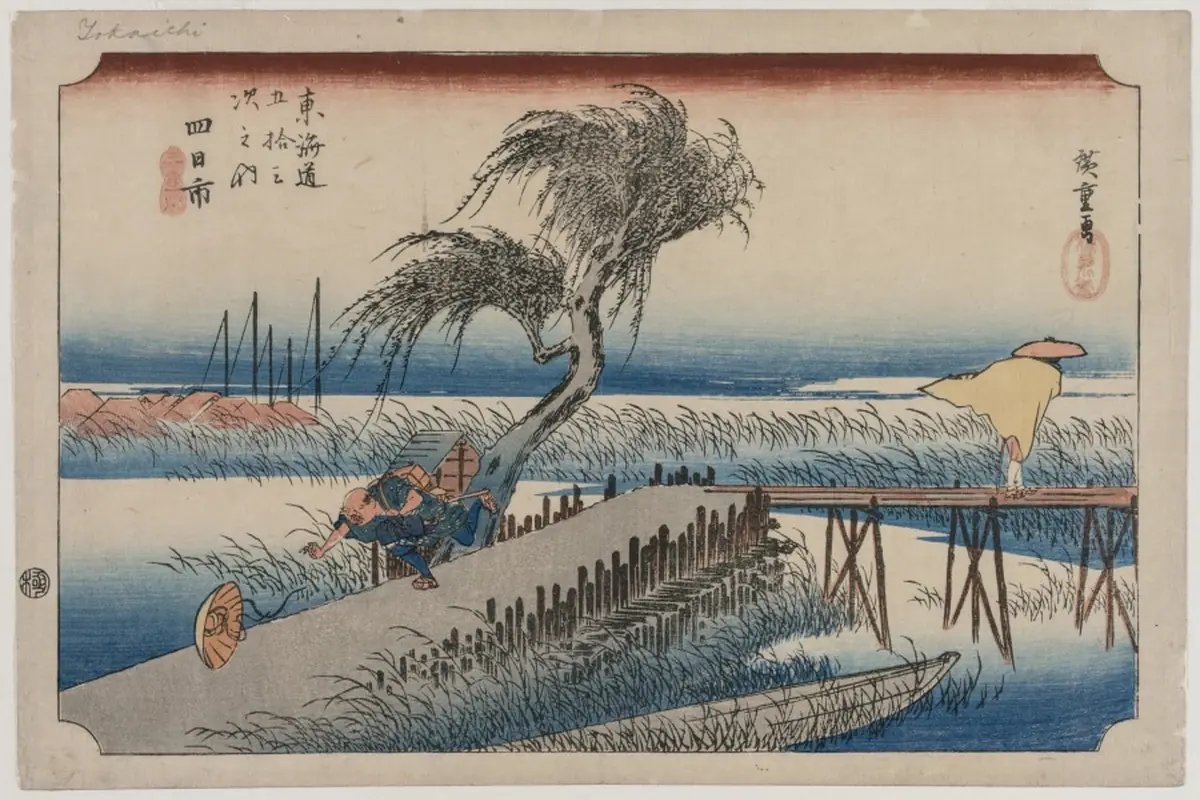
- Yokkaichi: View of the Mie River, from the series The Fifty-Three Stations of the Tōkaidō, Utagawa Hiroshige (c. 1833–34) — Cleveland Museum of Art, CC0 1.0
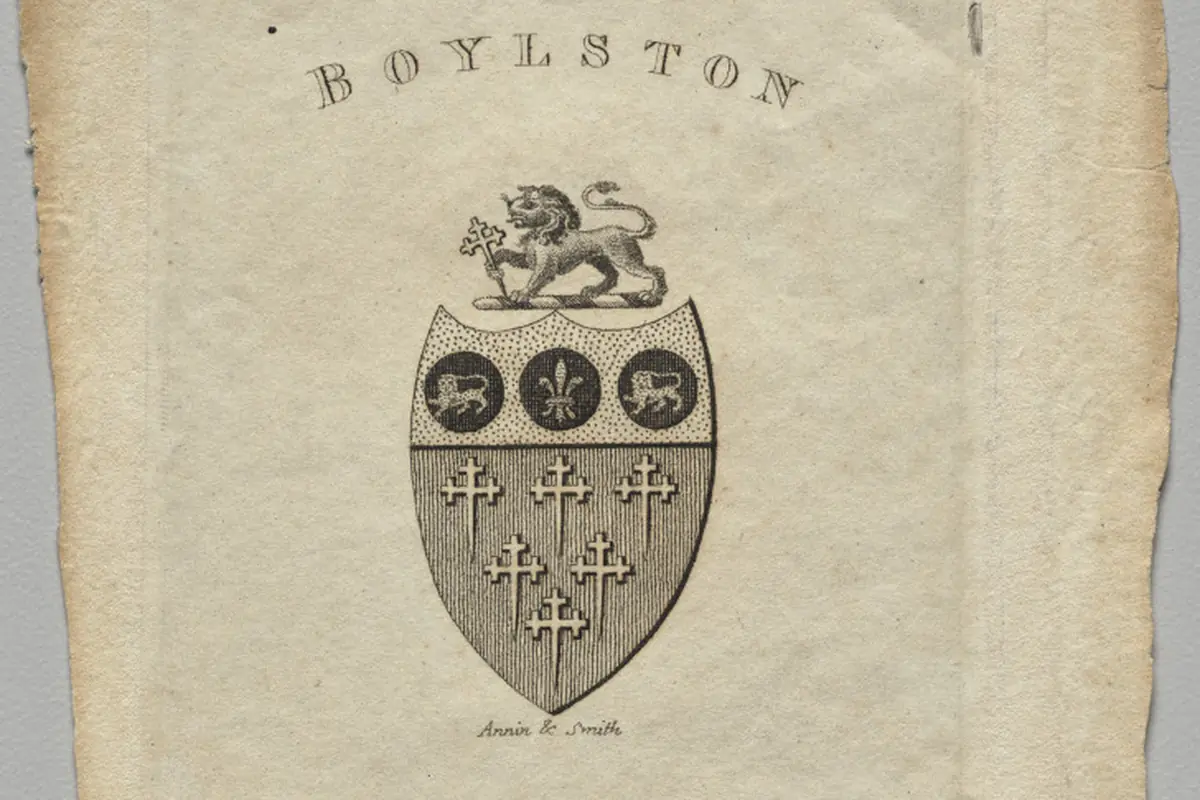
- Bookplate: Boylston Medical Library, George Girdler Smith (1806–39) — Cleveland Museum of Art, CC0 1.0
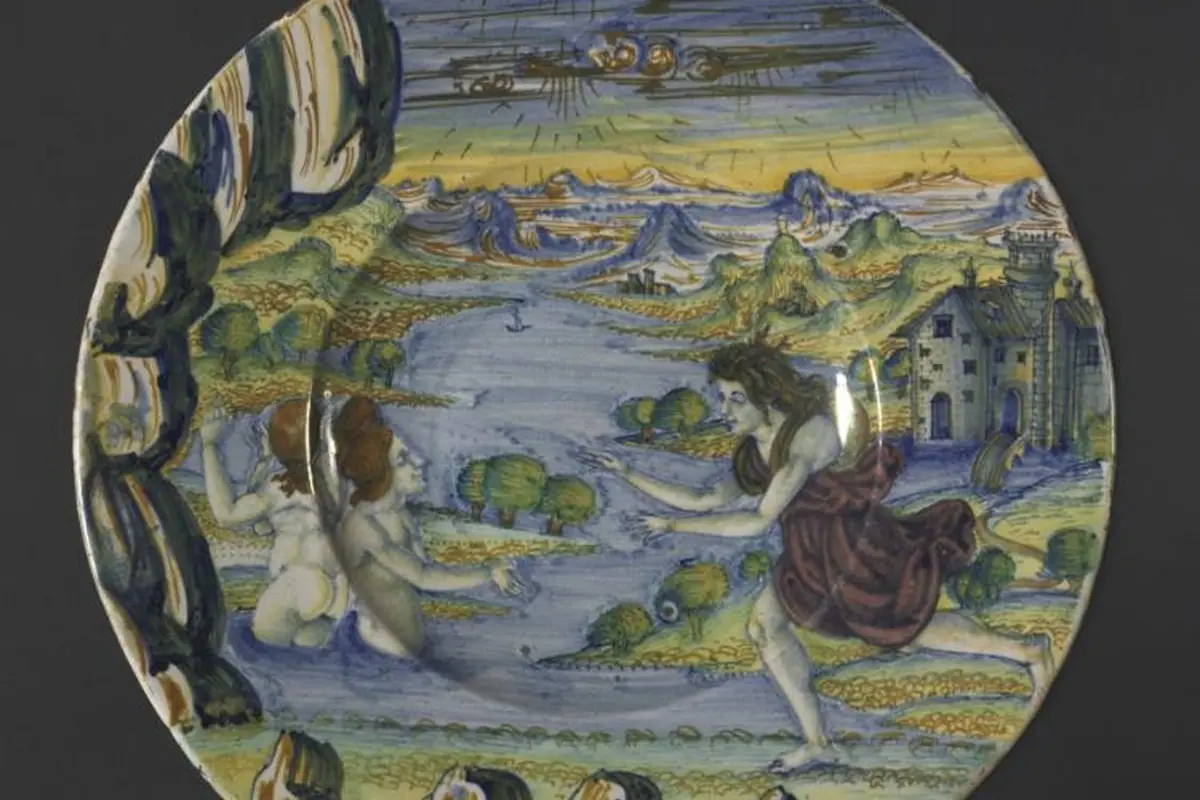
- Plate: Diana and Acteon, Maestro Giorgio Andreoli (1522) — Cleveland Museum of Art, CC0 1.0
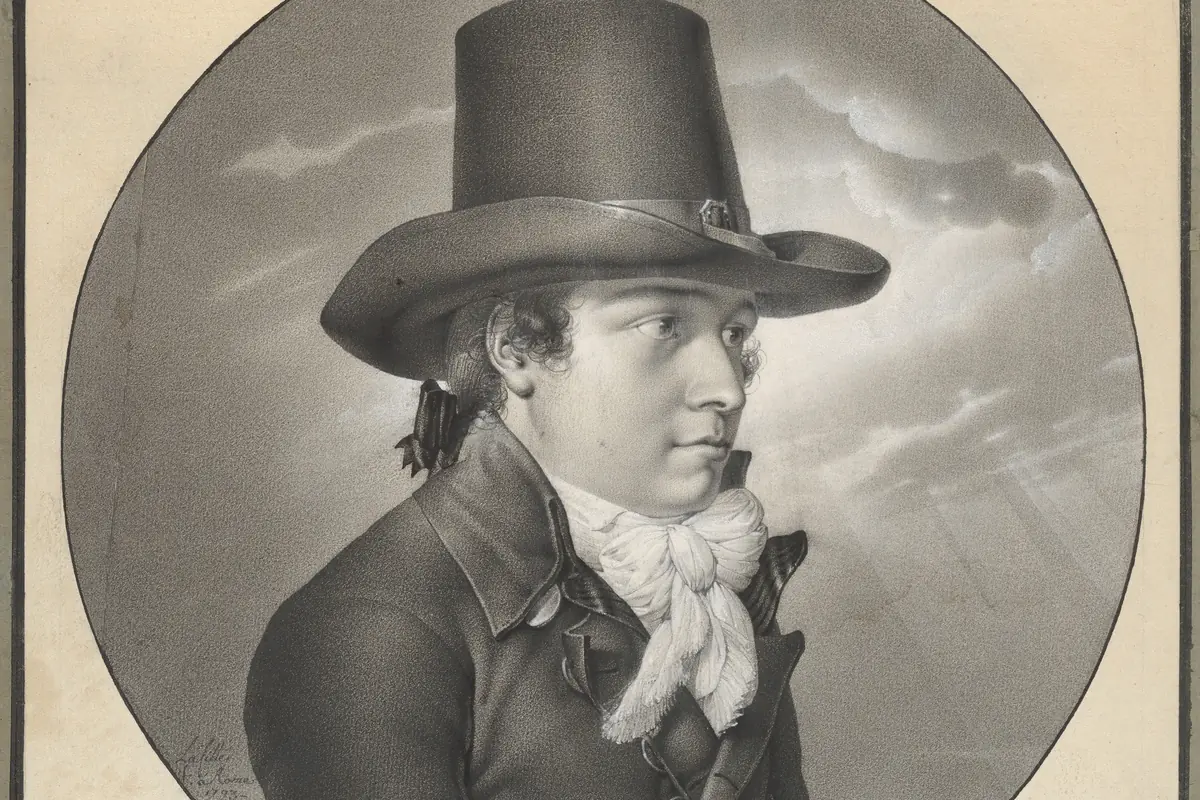
- Portrait of a Man, Louis Lafitte (1793) — The Metropolitan Museum of Art, CC0 1.0
- Creamer, Louis Rorimer (c. 1910) — Cleveland Museum of Art, CC0 1.0
- A Lady Reading, Francis Seymour Haden (1833–1910) — Cleveland Museum of Art, CC0 1.0
- The Auction House: The Town Crier, Honoré Daumier (1864, printed 1920) — Cleveland Museum of Art, CC0 1.0
- The Pyramid of Cestius, Rome, Michiel van Overbeek (c. 1650–80) — Cleveland Museum of Art, CC0 1.0
- Woman Sitting Reading , Georges Lemmen (1905) — Cleveland Museum of Art, CC0 1.0
- St. Anthony Reading, Albrecht Dürer (1519) — Cleveland Museum of Art, CC0 1.0
- Plaque (1500s–1600s) — Cleveland Museum of Art, CC0 1.0
- Portraits of the Qianlong Emperor and His Twelve Consorts, Giuseppe Castiglione (1736–70s) — Cleveland Museum of Art, CC0 1.0