
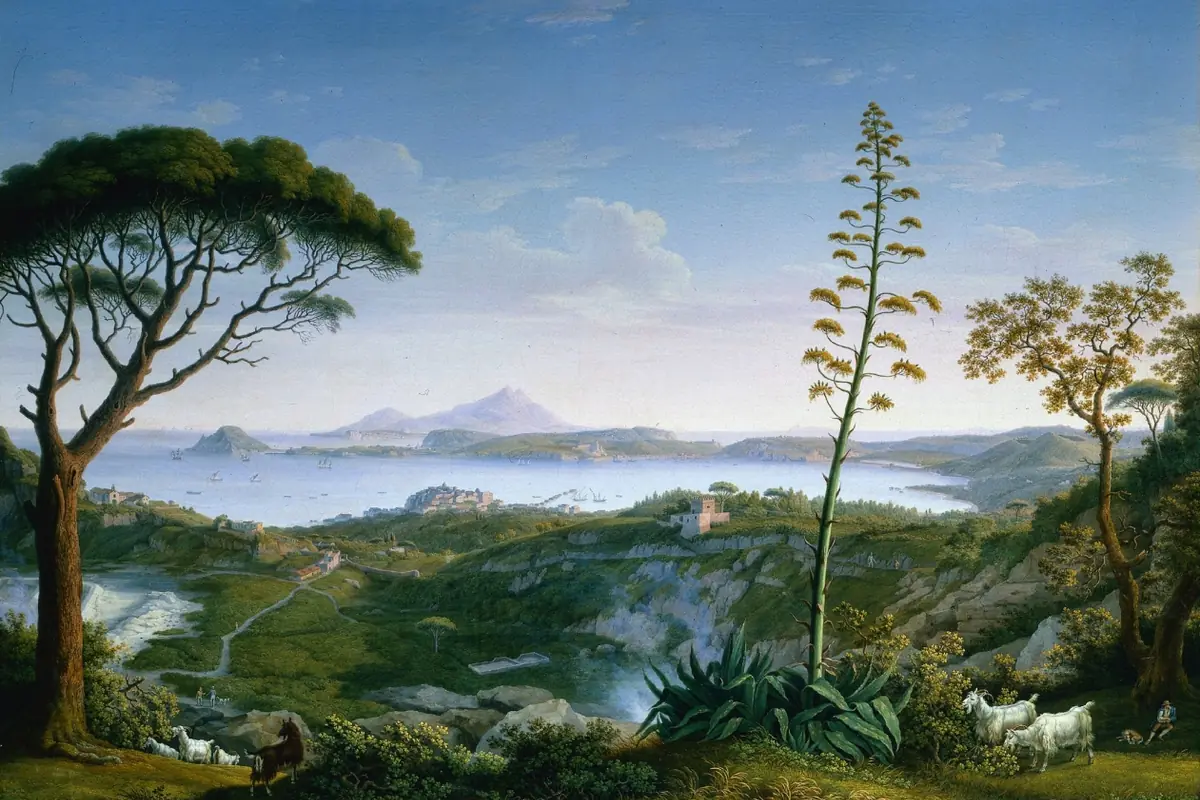
 Cleveland Museum of Art · CC0 1.0
Pages in this section
 Risk zonesThe eighteen zones monitored by OIMAP: classification criteria, indicators, alert levels and prevention measures.›
 Emergency protectionWhat to do when a museum, a site or a collection is threatened: moving to safety, documentation, logistical support and deployment of teams.›
 Emergency fundThe 4.2 million euro fund that finances protection of heritage in crisis: criteria, procedure, examples of use and follow-up.›
When heritage becomes a target
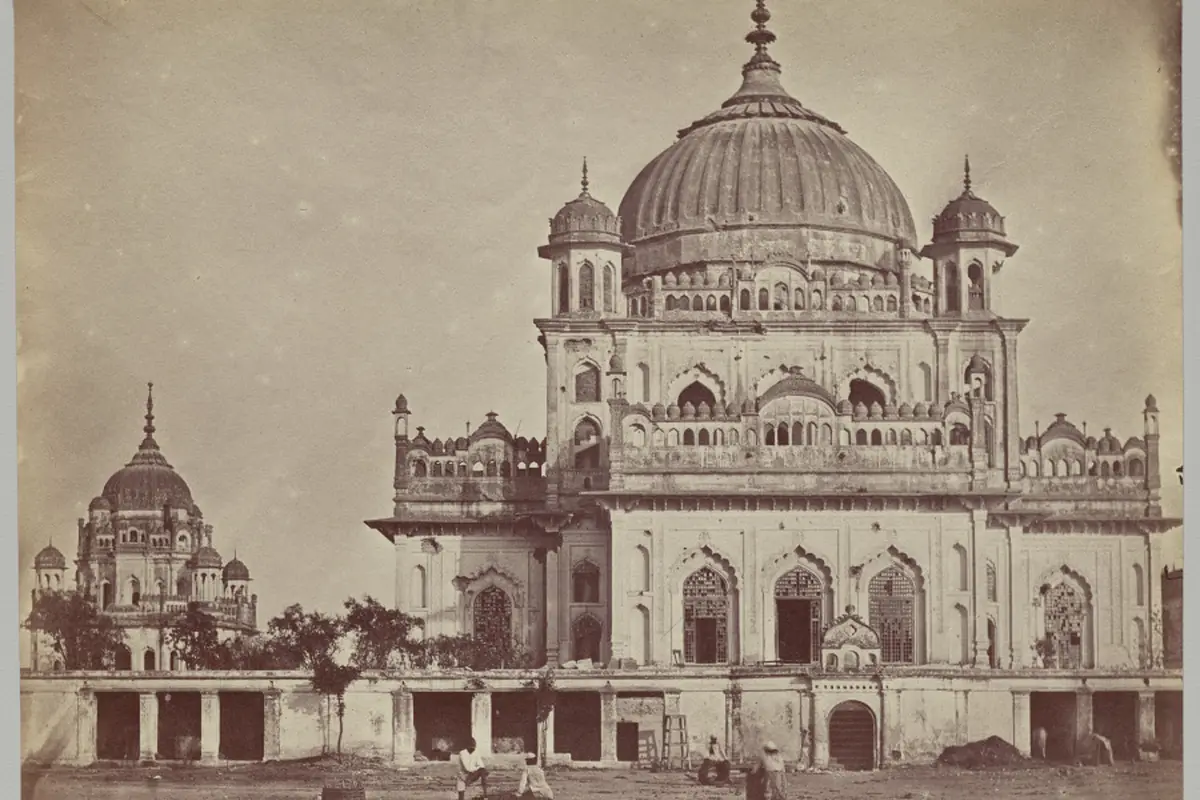
In armed conflicts, heritage is at once a collateral victim and a deliberate target. Looted museums, destroyed sites, collections sold to finance the fighting: the consequences are irreversible. OIMAP acts to prevent them, to respond to them and to repair.
It monitors eighteen risk zones, has an emergency fund of 4.2 million euros and can deploy a team within seventy-two hours. It works with the Blue Shield, UNESCO, ICOM and armed forces trained in the law of armed conflict.
The section presents the risk zones, emergency protection and the emergency fund.
Cultural property in armed conflict in figures
Source: OIMAP Heritage Protection Department.
The three stages of protection
Before the crisis, prevention: inventories, evacuation plans, staff training, marking with the blue and white emblem. During the crisis, intervention: moving to safety, documentation, logistical support, coordination with local actors. After the crisis, repair: restoration, restitution, reconstruction.
Each stage has its OIMAP tools: training, BIOP database, emergency fund, expert teams, restitutions unit. They rely on the 1954 Hague Convention and its protocols.
A market under watch
Property from conflict zones sometimes enters the lawful market. To prevent this, OIMAP requires operators to exercise enhanced vigilance: proof of possession predating the conflict, consultation of the list of endangered property, refusal of doubtful provenances.
It publishes a red list of types of property that are particularly threatened, drawn up with ICOM, which helps customs officers and operators recognise objects at risk.
Field partners
OIMAP's work relies on local partners: museums, associations, universities, communities. They know the sites, spot threats and pass on valuable information. OIMAP supports them through training, equipment and project funding.
It also cooperates with armed forces, to whom it offers modules on respect for cultural property, and with humanitarian actors, who are often the first on the ground.
A matter of memory
The destruction of heritage in a conflict often aims to erase a people's identity. That is why its protection is also a matter of peace: rebuilding a monument helps a community to recover its history.
OIMAP upholds the idea that heritage protection is part of emergency humanitarian aid, and argues that the Hague conventions should be better known and applied by all belligerents.
Tools by stage
| Stage | Objective | Tools |
|---|---|---|
| Before | Prevent | Inventories, training, emblem |
| During | Protect | Intervention, evacuation, documentation |
| After | Repair | Restoration, restitution |
Landmarks
- Hague Convention
First protection.
- Second Protocol
Enhanced protection.
- Emergency fund
Creation.
- Red list
With ICOM.
- 18 zones monitored
Permanent watch.
Document above all
Evacuate or protect on site
Evacuation
Move the works- Puts the property to safety
- Complex logistics
- Risk during transport
If danger is imminent.
Protection on site
Wall up, cover, secure- No movement
- Suited to large objects
- Less effective if the site is targeted
If evacuation is impossible.
Reacting to a crisis
- Alert
Contact OIMAP.
- Assess
List the risks.
- Protect
Move to safety.
- Document
Photograph and inventory.
- Rebuild
Plan for afterwards.
A museum's reflexes
A curator
« We put the most fragile pieces in crates the day before. The next day the building was hit. Without that preparation, we would have lost everything. »
Vocabulary of conflict
- Blue and white emblem
- Sign of protection of cultural property.
- Red list
- List of particularly threatened property.
- Evacuation
- Moving to a safe place.
- Blue Shield
- Network for the protection of heritage in crisis.
Frequently asked questions
Whom to contact in an emergency?
The emergency line: see Contacts.
Does OIMAP operate in combat zones?
No, it supports local actors and operates in safe areas.
Is the emergency fund open to museums?
Yes, on application.
Where can I read the texts?
See Hague Protocol 1954.
Useful documents
Contacts
Related pages
 Risk zonesThe eighteen zones monitored by OIMAP: classification criteria, indicators, alert levels and prevention measures.›
 Emergency protectionWhat to do when a museum, a site or a collection is threatened: moving to safety, documentation, logistical support and deployment of teams.›
 Emergency fundThe 4.2 million euro fund that finances protection of heritage in crisis: criteria, procedure, examples of use and follow-up.›
See the risk zones
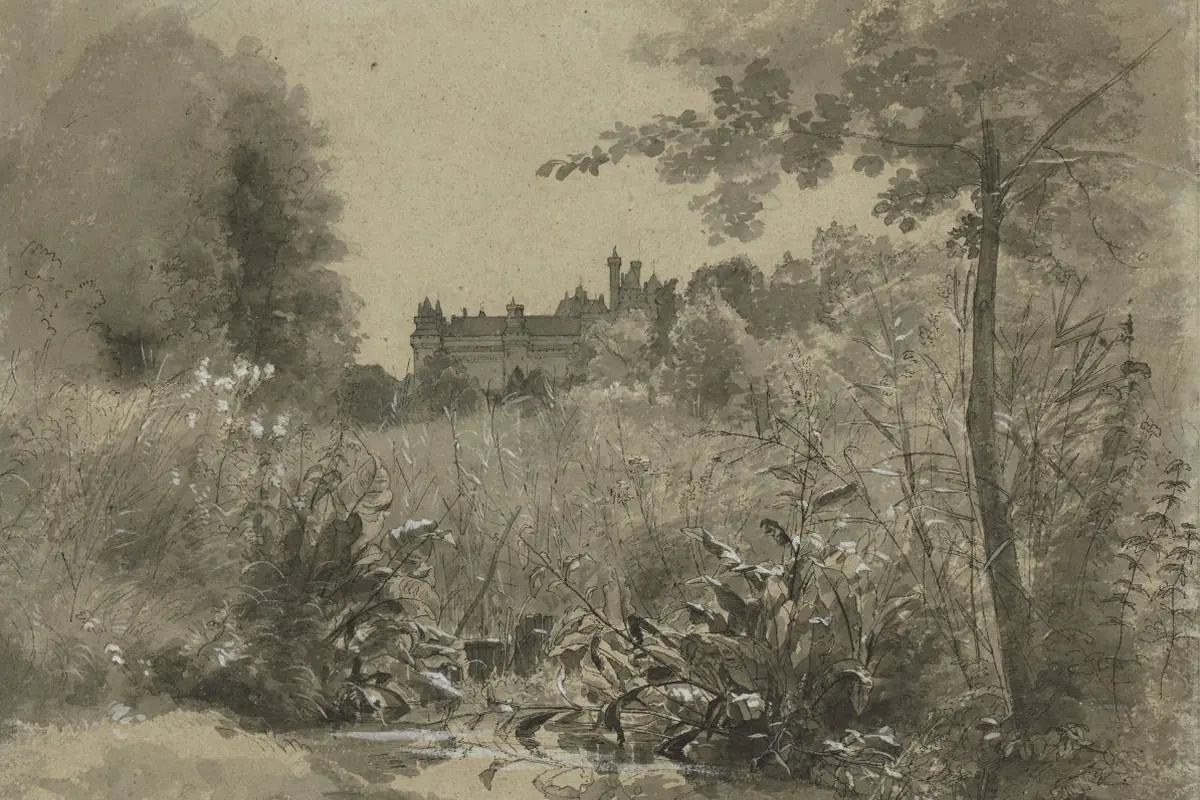
Image credits (19)
- View of the Gulf of Pozzuoli from Solfatara, Philipp Hackert (1803) — Cleveland Museum of Art, CC0 1.0
- India. Benares. Aurangzeb's Mosque, after a photo by Dr. Kurt Boeck, Photoglob Co. (c. 1890–1910) — Cleveland Museum of Art, CC0 1.0
- Karnak, Les Pylônes d'Horus, Henri Béchard (1860s) — Cleveland Museum of Art, CC0 1.0
- Châteauvieux-sur-Suran, Antoine-Claude Ponthus-Cinier (1848) — Cleveland Museum of Art, CC0 1.0
- Small Mosque in the Kaiserbagh, Felice A. Beato (1858) — Cleveland Museum of Art, CC0 1.0
- Temple of Athene Nike. Venus Victrix—Wingless Victory, Dimitrios Constantin (c. 1850s–60s) — Cleveland Museum of Art, CC0 1.0
- Figure from a Crèche: Standing Man (1780–1830) — Cleveland Museum of Art, CC0 1.0
- The Grotto of Posillipo, Hubert Robert (c. 1769) — Cleveland Museum of Art, CC0 1.0
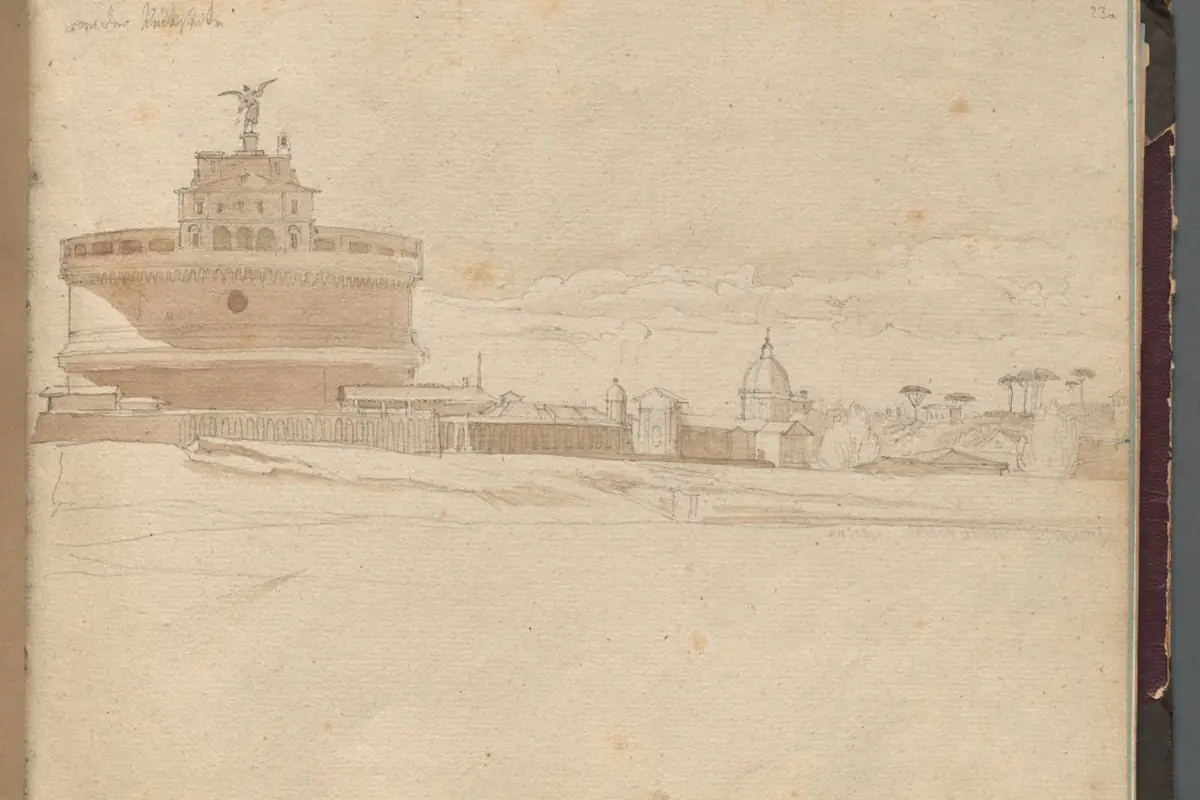
- Album with Views of Rome and Surroundings, Landscape Studies, page 23a: Castle Saint Angelo, Rome, Franz Johann Heinrich Nadorp (c. 1830s-70s) — Cleveland Museum of Art, CC0 1.0
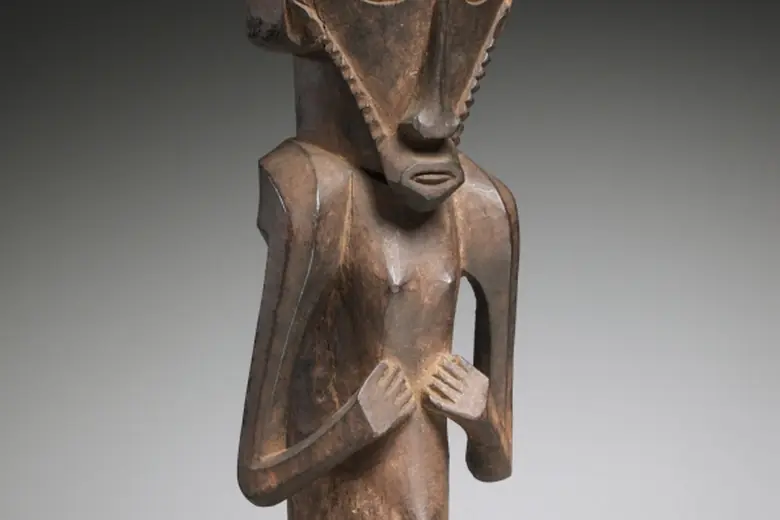
- Shrine Figure (misi or mishi) (late 1800s-early 1900s) — Cleveland Museum of Art, CC0 1.0
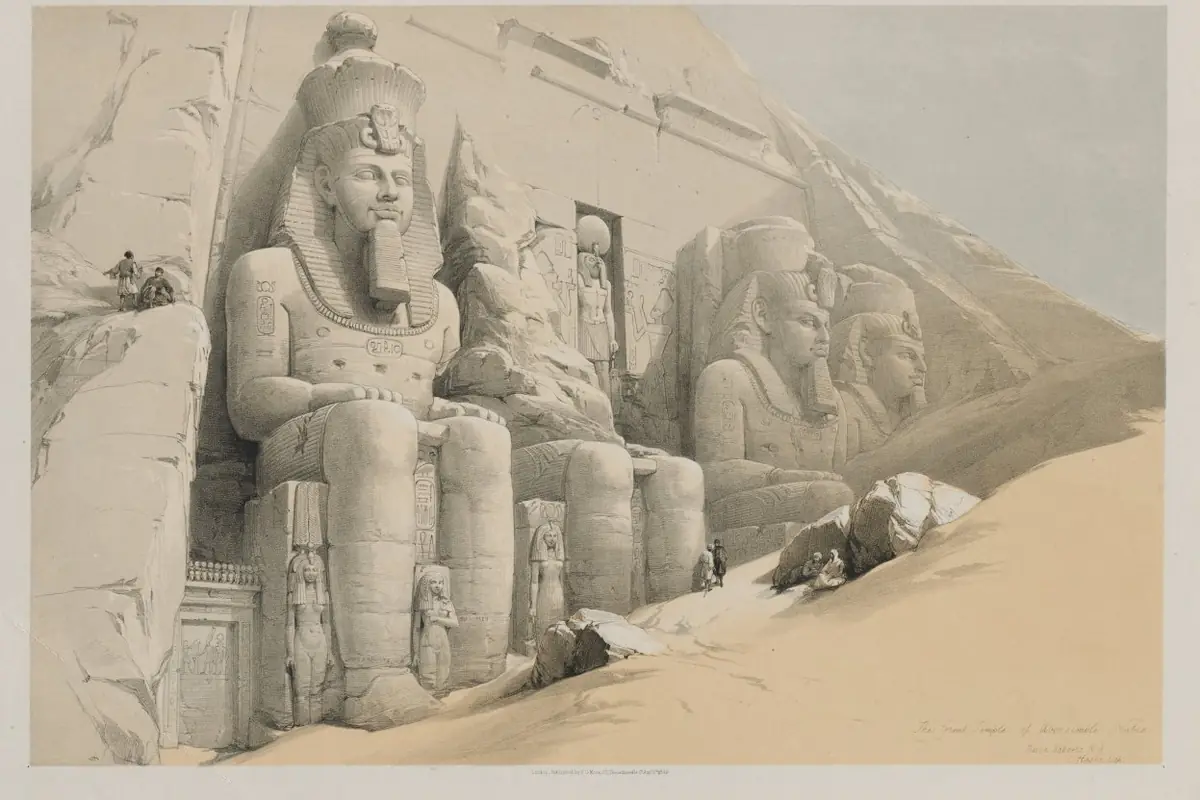
- Egypt and Nubia, Volume I: The Great Temple of Aboo-Simble, Nubia, Louis Haghe (1846) — Cleveland Museum of Art, CC0 1.0
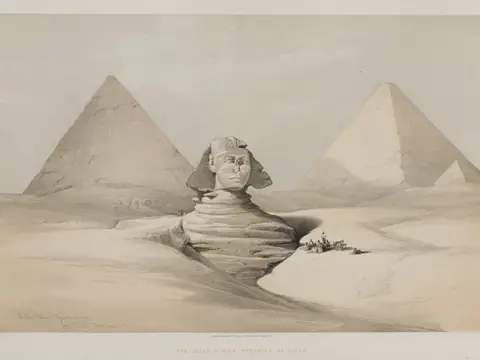
- Egypt and Nubia, Volume I: The Great Sphinx, Pyramids of Gezeeh, Louis Haghe (1846) — Cleveland Museum of Art, CC0 1.0
- Saluting Protective Spirit (883–859 BCE) — Cleveland Museum of Art, CC0 1.0
- Landscape with Castle and Shepherds, Achille Etna Michallon (1814) — Cleveland Museum of Art, CC0 1.0
- Pair of Drawings: Sketch of the Labyrinth of the Villa Pisani and Piazza San Marco with Doges' Palace, Francesco Guardi (1773–1778(?)) — Cleveland Museum of Art, CC0 1.0
- The Thinker, Auguste Rodin (1880–81) — Cleveland Museum of Art, CC0 1.0
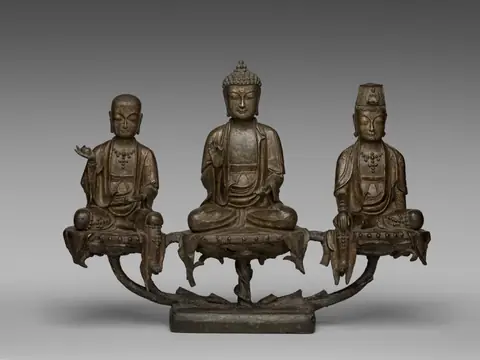
- Amitabha Triad (1400s) — Cleveland Museum of Art, CC0 1.0
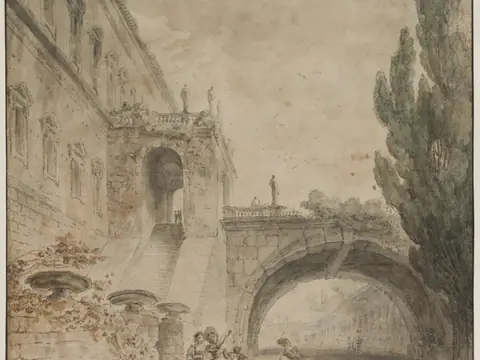
- A Palace with an Arched Bridge (A Roman Villa), Hubert Robert (1760) — Cleveland Museum of Art, CC0 1.0
- View of the Château of Pierrefonds, François-Louis Français (c. 1870) — Cleveland Museum of Art, CC0 1.0