
 Cleveland Museum of Art · CC0 1.0
Fragile, but highly sought after
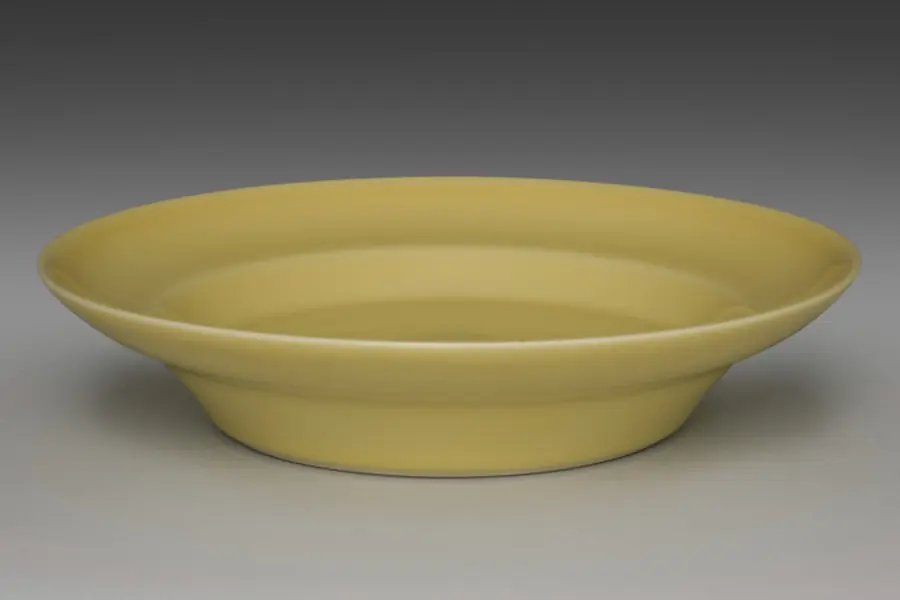
Glass and ceramics account for €2.2 billion in 2024, with a median price of €1,400. Historic manufactories and artists' pieces are the most sought after.
The segment covers earthenware, porcelain, stoneware, terracotta, blown glass and crystal. Each material has its techniques, its marks and its pitfalls.
Condition is decisive: a chip, a crack or a restoration greatly changes the price.
Glass and ceramics in figures
Source: OIMAP Observatory.
Manufactories, the reference names
The great European and Asian manufactories produced pieces whose mark, often painted under the glaze, is a valuable identifying element. Each manufactory changed its mark over time; the exact form makes it possible to date the piece to within a few years.
Marks are also copied. Fakes bear the marks of famous manufactories on modern pieces. Only examination of the paste, the glaze, the colours and the decoration can settle the matter.
Invisible restorations
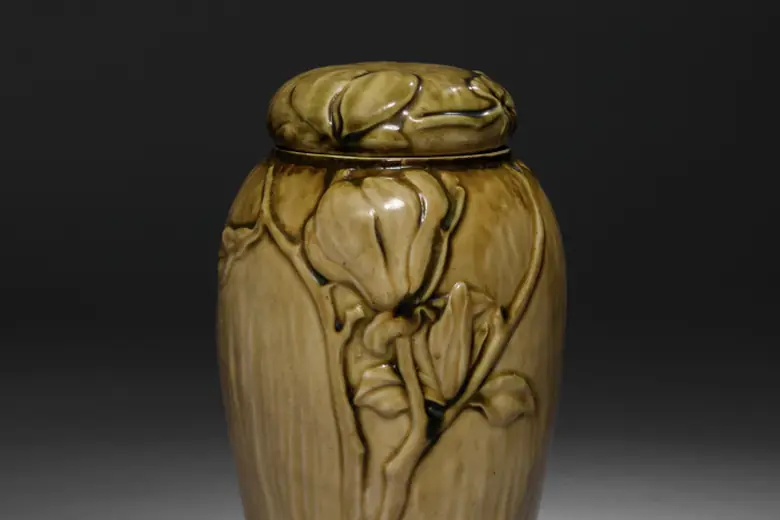
Ceramics and glass are particularly prone to concealed restorations. A filled chip, a redone base or a replaced handle can be almost invisible to the naked eye. Ultraviolet light and X-rays reveal them easily.
A conservation report is therefore strongly recommended before buying an important piece. Light, well-documented restorations are accepted; heavy restorations lead to a discount of 30 to 70%.
A specialists' market
Glass and ceramics attract highly specialised collectors: enthusiasts of one manufactory, one decoration or one period. They share their knowledge in learned societies, publish catalogues and organise specialist fairs.
For a beginner, joining these circles is the best way to learn to recognise authentic pieces, to spot marks and to build contacts with trusted dealers.
Materials and value
| Material | Distinctive feature | Main risk | Median price |
|---|---|---|---|
| Porcelain | Fine, translucent paste | Restorations | €1,800 |
| Earthenware | Opaque glazed paste | Chips | €900 |
| Glass | Blown or moulded | Cracks, nicks | €1,200 |
| Crystal | Lead, cutting | Imitations | €1,600 |
Landmarks
- First European porcelain
Start of the manufactories.
- Art glass
Peak of Art Nouveau.
- Collections
Rise of collectors.
- €2.2bn
Up 3.6%.
Ultraviolet light
Art glass or antique glass
Art glass
Art Nouveau and Art Deco- Artists' signatures
- High prices
- Numbered editions
Collectors' market.
Antique glass
Before 1800- Rarity
- Fragility
- Dating by analysis
Specialists' market.
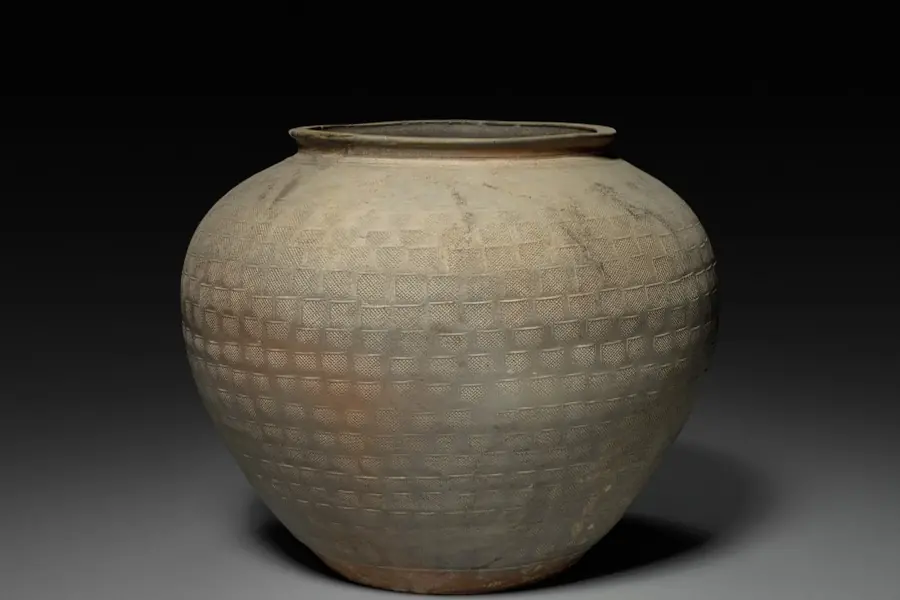
Examining a piece of ceramic
- Observe
Shape, decoration, mark.
- Touch
Weight, glaze, roughness.
- Light
Raking light and UV.
- Compare
With reference pieces.
- Have it examined
Conservation report.
Signs of a restoration
A conservator
« A ceramic may look perfect and have been 40% reconstructed. Ultraviolet never lies. »
Vocabulary of glass and ceramics
- Glaze
- Transparent varnish of a ceramic.
- Paste
- Material of a ceramic before firing.
- Nick
- Small chip on the rim.
- Crack
- Fine fissure in a piece.
Frequently asked questions
How do I recognise old porcelain?
By the fineness of the paste, the mark and the condition of the glaze.
Are marks reliable?
Not always: they are often copied.
How should a piece be transported?
With made-to-measure packing and nail-to-nail insurance.
Where can I see the experts?
In the directory of experts.
Useful documents
Contacts
Related pages
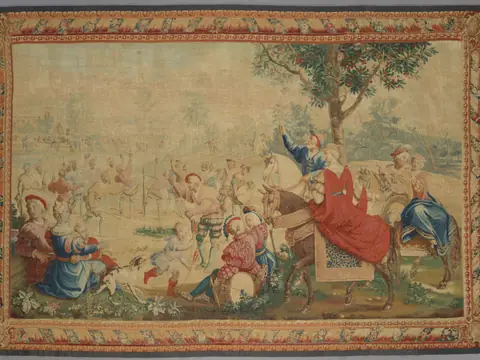 Decorative arts and furnitureThe market for antique furniture, glass, ceramics and silverware: stamps, hallmarks, restorations and prices.›
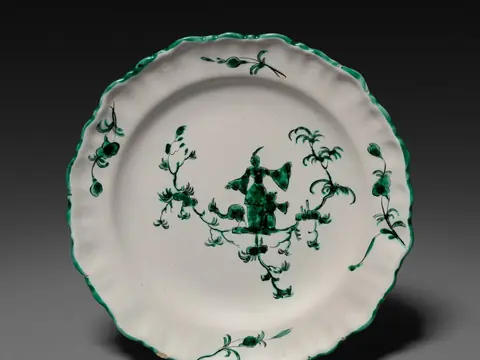 SilverwareThe market for silverware and precious objects: hallmarks, metals, silversmiths, authenticity and conservation.›
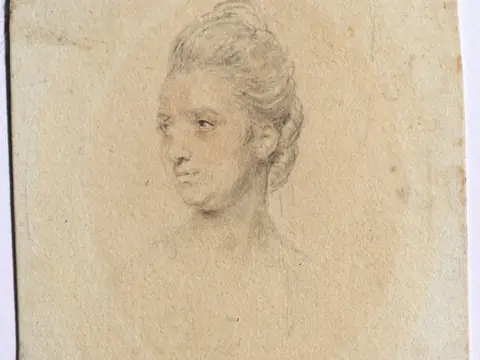 DirectoryThe public directory of accredited experts: search by name, specialty, country and language, and check the validity of an accreditation.›
See silverware
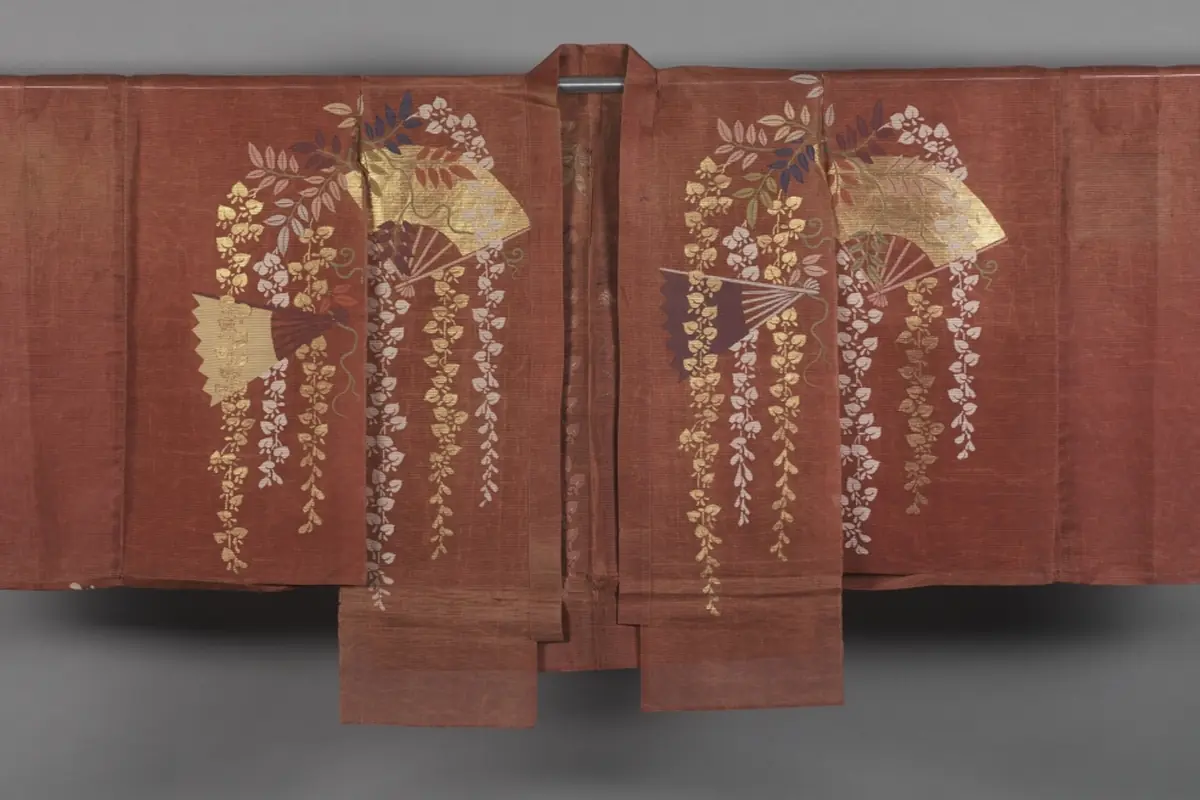
Image credits (16)
- The Triumph of Eternity (from Chateau de Chaumont set) (1512–15) — Cleveland Museum of Art, CC0 1.0
- Sweets Bowl, Seifū Yohei III (1893–1914) — Cleveland Museum of Art, CC0 1.0
- Magnolia Ginger Jar, Tiffany Studios (c. 1904–14) — Cleveland Museum of Art, CC0 1.0
- Noh Costume (Kariginu) (1800–1850) — Cleveland Museum of Art, CC0 1.0
- Side Chair (2 of 2), Jean Baptiste fils Lelarge (1700s) — Cleveland Museum of Art, CC0 1.0
- Bowl with Stamped Floral Decoration (1600s–1700s) — Cleveland Museum of Art, CC0 1.0
- Clock, Henrik Wigström (c. 1905–15) — Cleveland Museum of Art, CC0 1.0
- Silk curtain from the Alhambra palace (1300s) — Cleveland Museum of Art, CC0 1.0
- Mercury tells Aeneas to Leave Carthage, Giovanni Francesco Romanelli (1679) — Cleveland Museum of Art, CC0 1.0
- Jar (25–220 CE) — Cleveland Museum of Art, CC0 1.0
- Embroidered Back and Seat for Chair (late 1600s) — Cleveland Museum of Art, CC0 1.0
- The Apotheosis of Romulus: Design for a Ceiling, Domenico Maria Canuti (c. 1675–76) — Cleveland Museum of Art, CC0 1.0
- Month of May: Scene of May Day Festival, Gobelins Manufactory (1723–1774) — Cleveland Museum of Art, CC0 1.0
- Plate, Ferrat Factory (c. 1775) — Cleveland Museum of Art, CC0 1.0
- Portrait of a Woman, John I Smart (c. 1772) — Cleveland Museum of Art, CC0 1.0
- Noh Costume (Chōken) (1800–1850) — Cleveland Museum of Art, CC0 1.0