
 The Metropolitan Museum of Art · CC0 1.0
Pages in this section
 Old mastersThe market for painters before 1800: rarity, attributions, provenance and major sales.›
 19th centuryThe 19th-century painting market: romanticism, realism, impressionism, prices and collectors' tastes.›
 Modern paintingThe modern painting market (1860–1945): avant-gardes, signature, series and vigilance over fakes.›
The king segment of the market
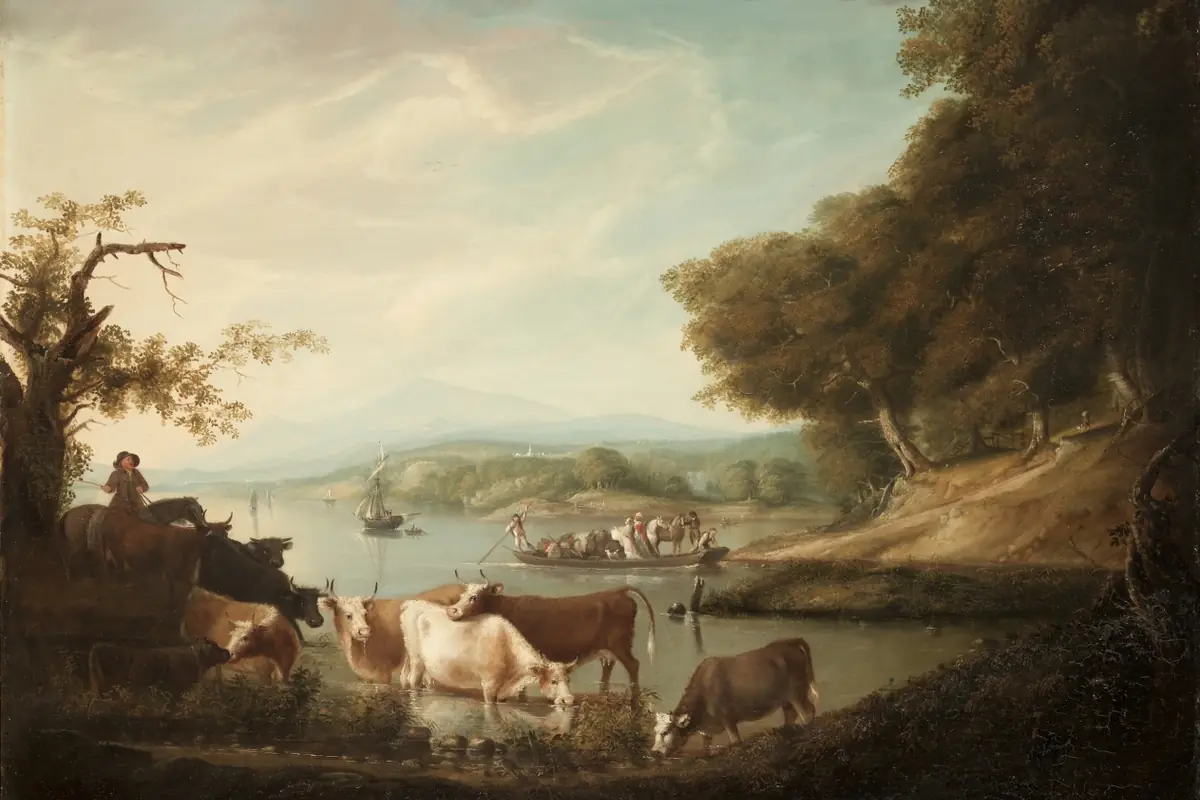
Painting accounts for 38% of the global market, i.e. €25.8 billion in 2024. It brings together three major worlds: old masters, the 19th century and the modern period.
Each world has its rules: old masters are traded on attribution and provenance, the 19th century on quality and condition, modern painting on signature and authenticity.
This section rests on three pages: old masters, 19th century and modern painting. It complements the breakdown by segment page.
Painting in figures
Source: OIMAP Observatory.
Three worlds to explore
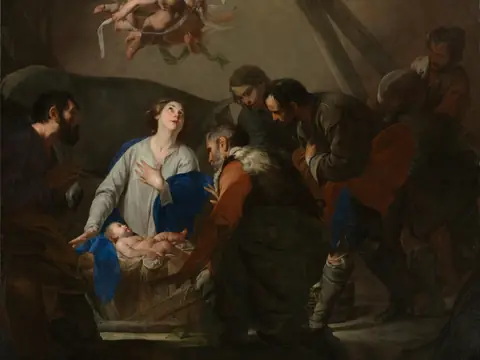
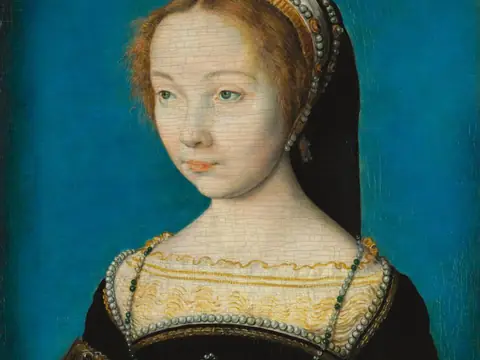
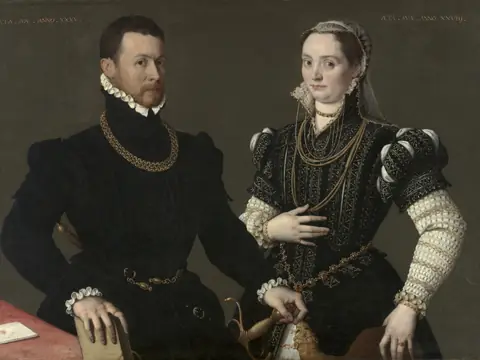
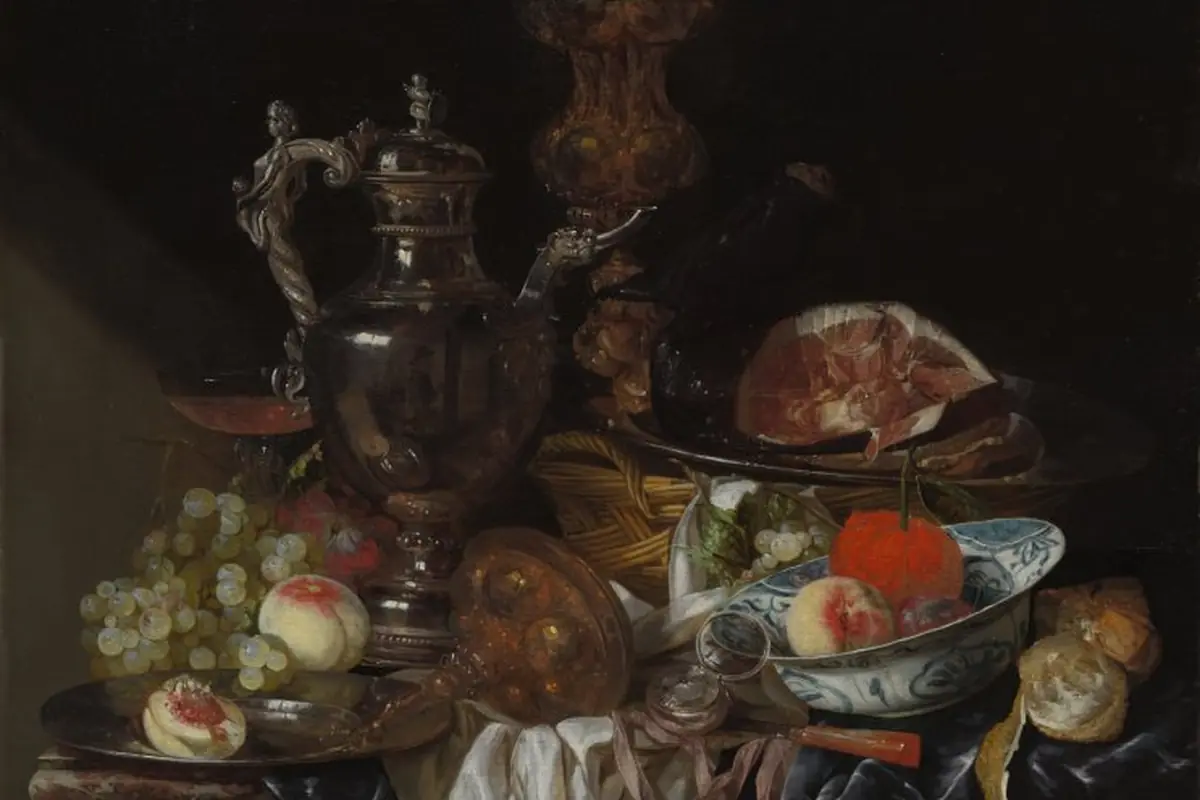
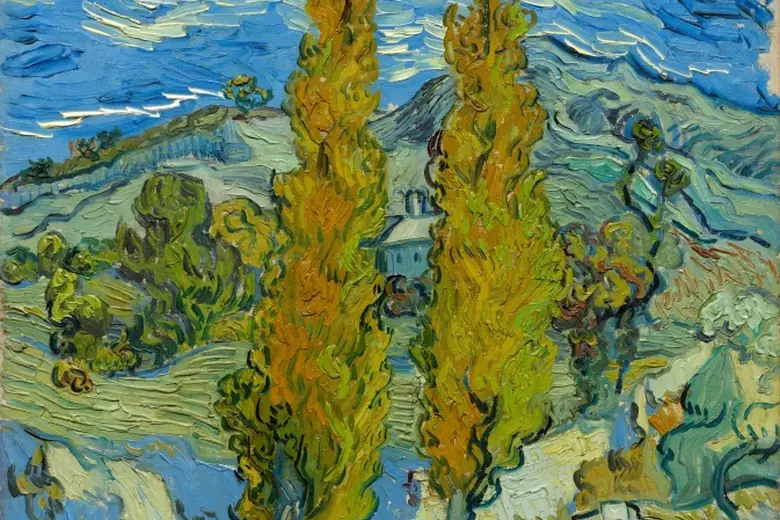
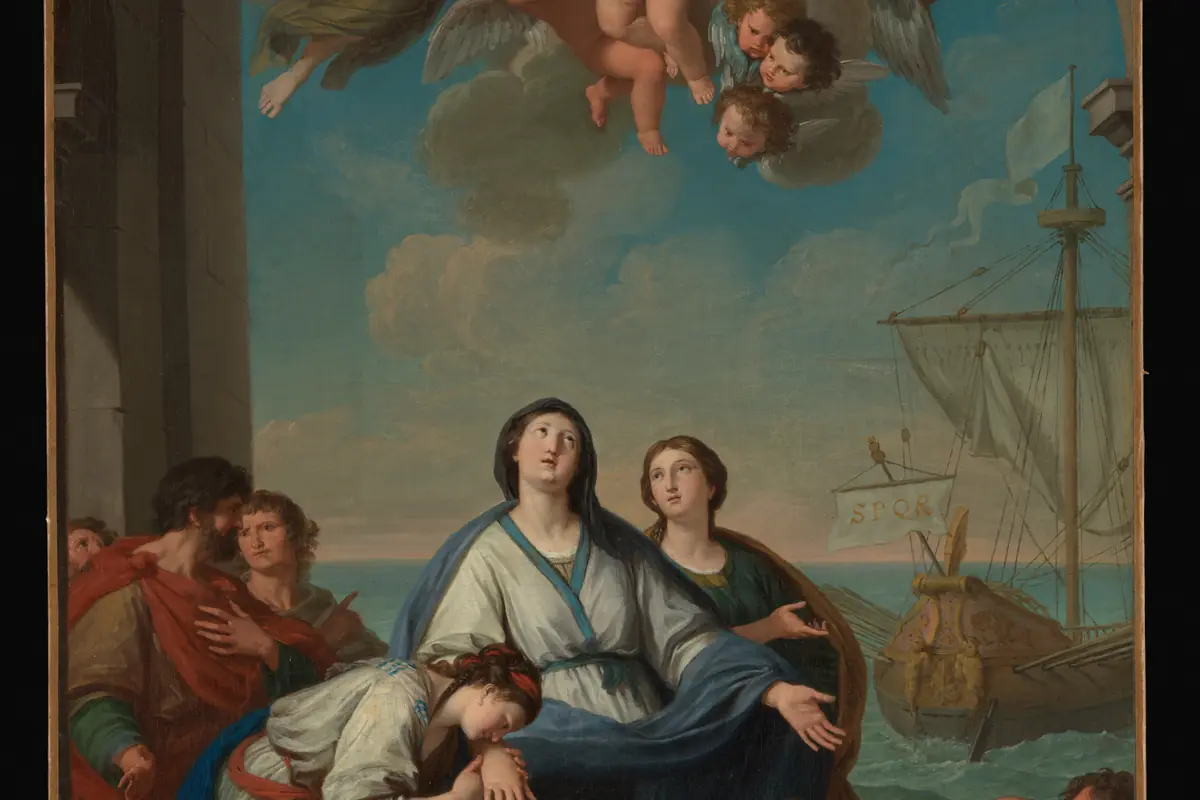
Three worlds, three logics
Old masters, before 1800, form a market of rarity: few works, many buyers, extreme attention paid to attribution. The 19th century is a market of quality and condition, where the emotion of the subject counts as much as the artist's name. Modern painting is a market of signature and series, very active and very exposed to fakes.
Understanding which world you are in tells you which document to ask for: a certificate of authenticity for old masters, a conservation report for the 19th century, a certificate of provenance for modern painting.
Why painting is often certified
Painting is the most certified segment: 4,120 certificates of authenticity were issued for it in 2024, nearly half of the total. The financial stakes are high, attributions sometimes debated, and counterfeits numerous.
The certificate rests on a visual examination, an analysis of materials and documentary research. It may conclude to authenticity, to an attribution to the workshop, the school or a follower, or refuse the attribution.
The importance of catalogues raisonnés
For many artists, the catalogue raisonné is authoritative: if it does not mention a work, that work has little chance of being accepted on the market. These works are compiled by historians, sometimes with the participation of rights holders.
OIMAP keeps a directory of recognised catalogues raisonnés and artist committees. Accredited experts refer to it systematically, and any disagreement with a committee is recorded in the reasoned opinion.
The three worlds of painting
| World | Period | Median price | 2024 change |
|---|---|---|---|
| Old masters | Before 1800 | €18,500 | +3.6% |
| 19th century | 1800–1860 | €11,200 | +4.4% |
| Modern | 1860–1945 | €12,700 | +5.4% |
Landmarks
- First catalogues raisonnés
Development of expertise.
- Global market
Opening to Asia.
- 46% of the market
Maximum weight.
- €25.8bn
Historic volume.
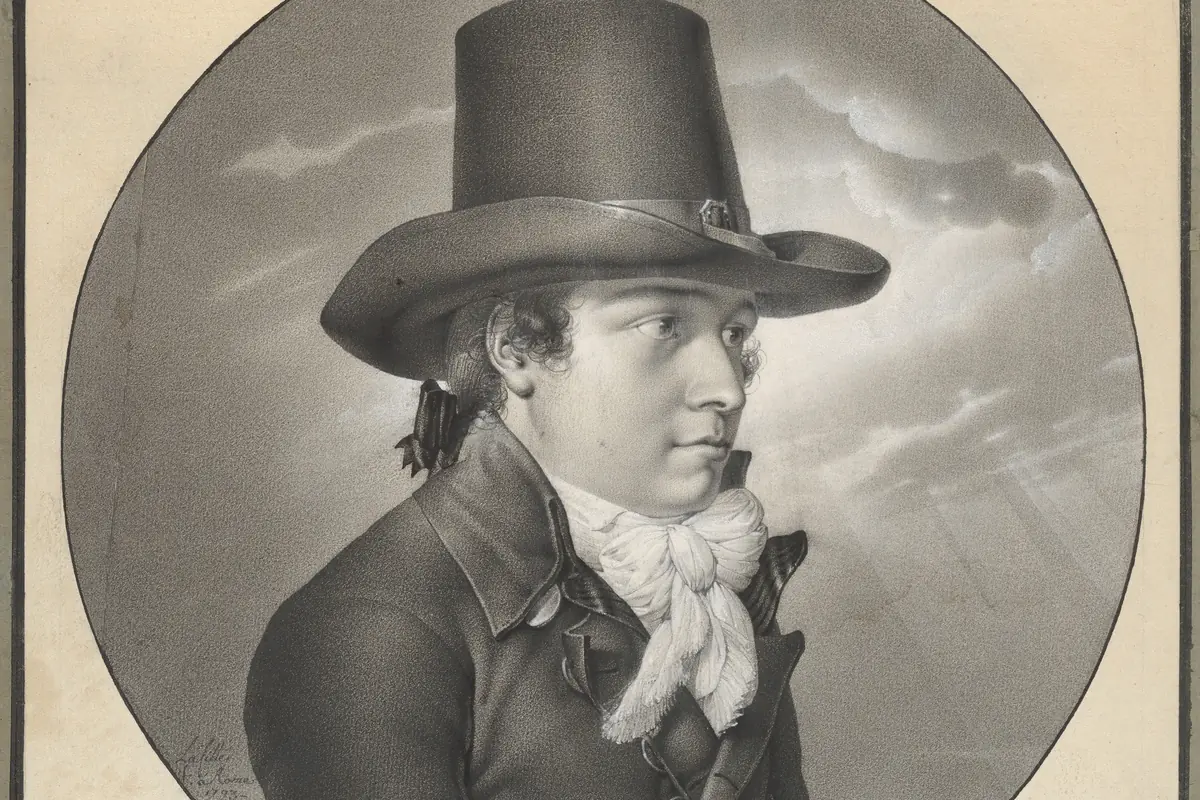
A market demanding proof
Buying at public sale or at a gallery
Public sale
Open auction- Transparent prices
- Competition
- Limited guarantees
For informed amateurs.
Gallery
Private treaty sale- Personalised advice
- Dealer's guarantee
- Negotiated price
For support.
The steps of a secure purchase
- Target
Define the artist, the period and the budget.
- Examine
See the work, ask for photographs.
- Check
Consult the BIOP and the Registry.
- Certify
Have the certificates drawn up or verified.
- Buy
Conclude and insure the work.
File to request before buying
A painting expert
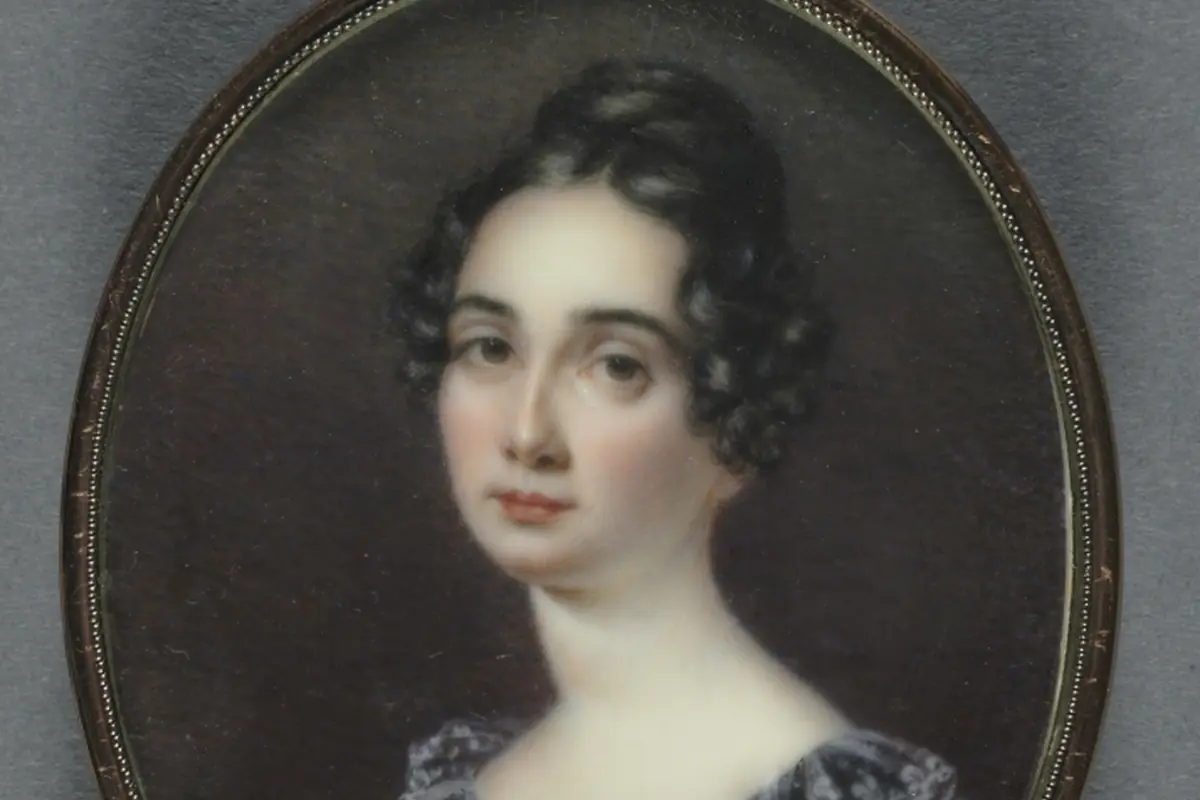
« A good painting is three things: the hand, the condition, the history. You must be able to prove all three. »
Vocabulary of painting
- Attribution
- Designation of the author of a work.
- Catalogue raisonné
- Critical inventory of an artist's work.
- Follower
- Artist who imitates a master's style.
- Overpaint
- Area retouched later.
Frequently asked questions
How can I tell whether a painting is authentic?
Only an independent expert examination can establish it: see the certificate of authenticity.
Does a restored painting lose its value?
A documented, light restoration preserves it.
Where can I see the major sales?
In the top 10.
What insurance should I take?
See the conservation report.
Useful documents
Contacts
Related pages
 Old mastersThe market for painters before 1800: rarity, attributions, provenance and major sales.›
 19th centuryThe 19th-century painting market: romanticism, realism, impressionism, prices and collectors' tastes.›
 Modern paintingThe modern painting market (1860–1945): avant-gardes, signature, series and vigilance over fakes.›
 Certificates of authenticityThe OIMAP certificate of authenticity establishes, through independent expertise and scientific analysis, that the work is indeed the one claimed.›
Explore old masters
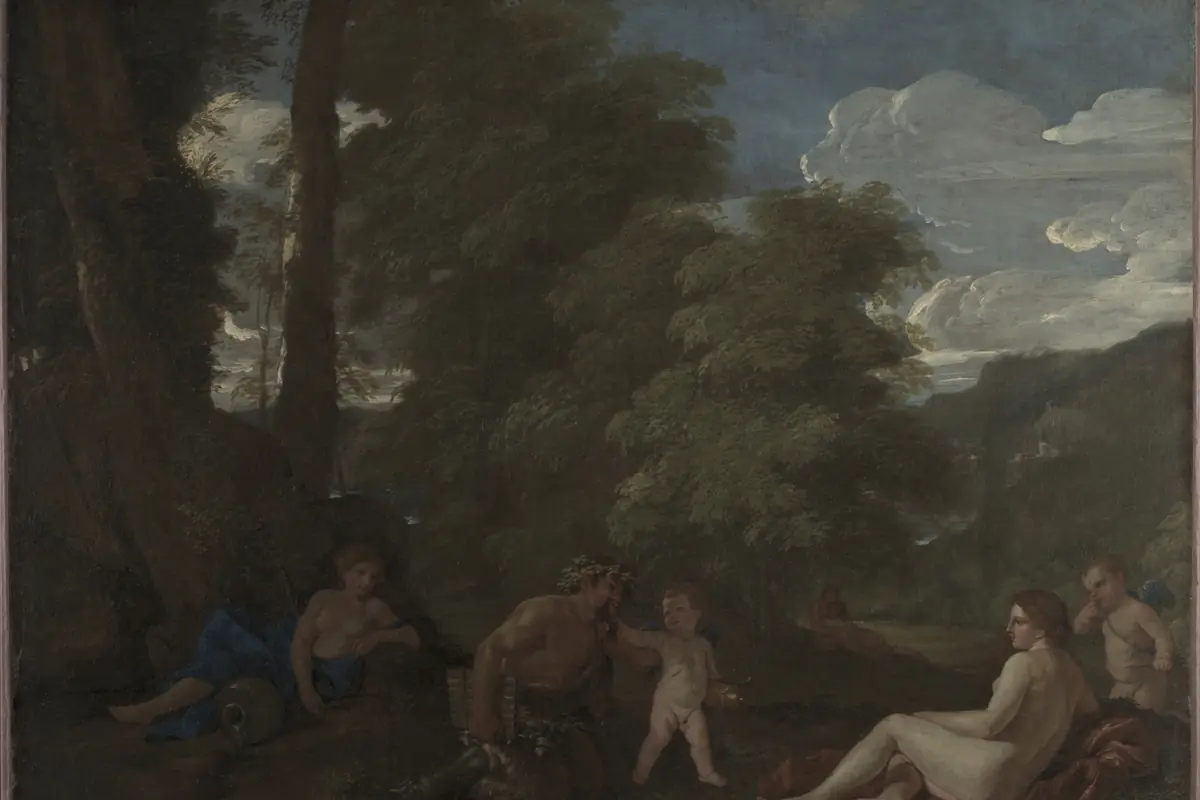
Image credits (23)
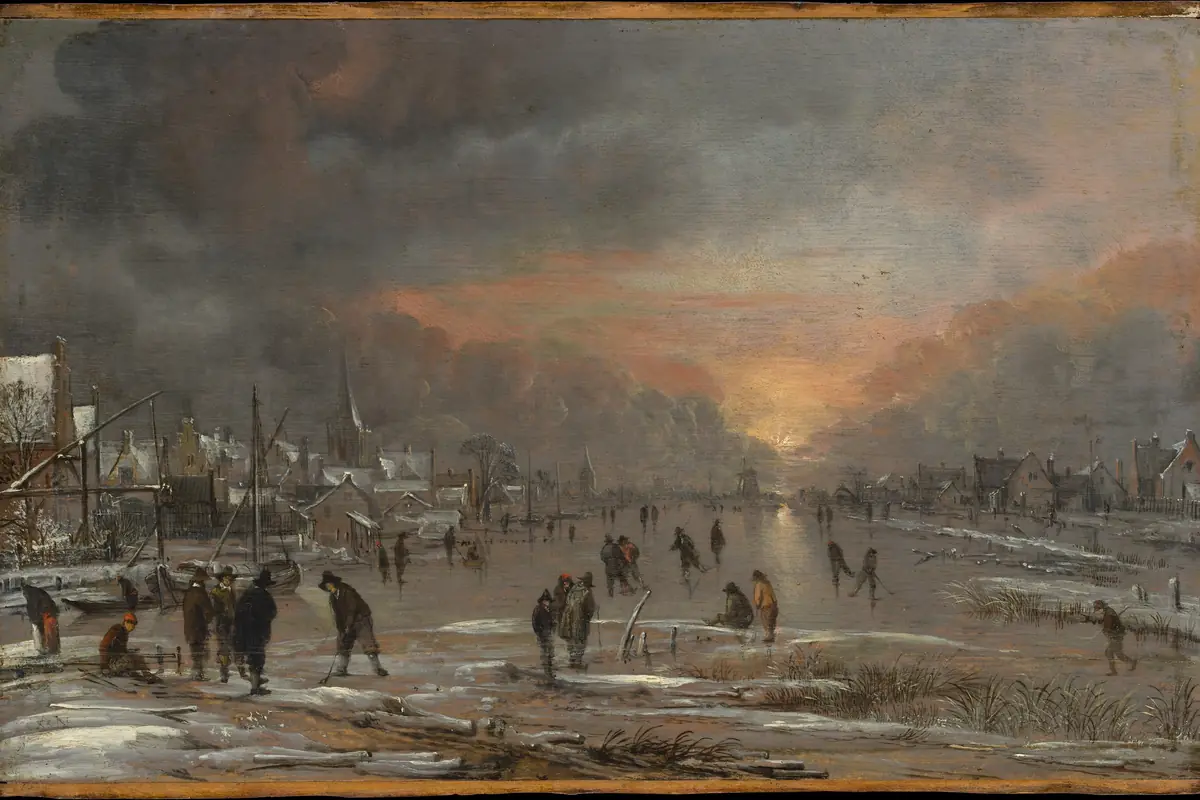
- Sports on a Frozen River, Aert van der Neer (ca. 1660) — The Metropolitan Museum of Art, CC0 1.0
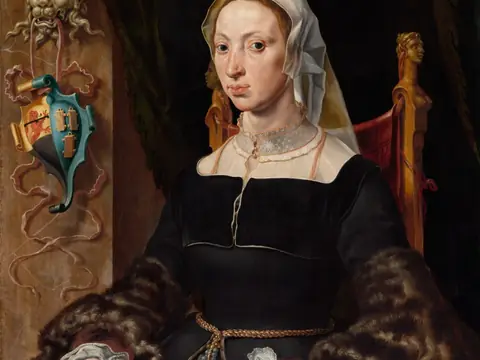
- Portrait of Machtelt Suijs, Maerten van Heemskerck (c. 1540–45) — Cleveland Museum of Art, CC0 1.0
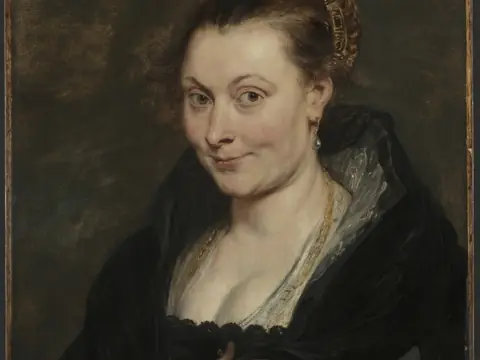
- Portrait of Isabella Brant, Peter Paul Rubens (c. 1620–25) — Cleveland Museum of Art, CC0 1.0
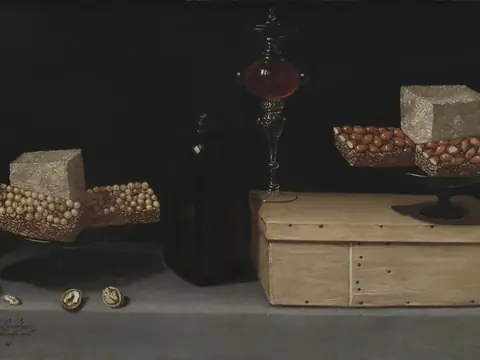
- Still Life with Sweets, Juan van der Hamen y Léon (1622) — Cleveland Museum of Art, CC0 1.0
- A Calm Watering Place—Extensive and Boundless Scene with Cattle, Alvan Fisher (1816) — Cleveland Museum of Art, CC0 1.0
- Adoration of the Shepherds, Bernardo Cavallino (c. 1650) — Cleveland Museum of Art, CC0 1.0
- Portrait of a Woman, Corneille de Lyon (c. 1540) — Cleveland Museum of Art, CC0 1.0
- Portrait of a Couple (c. 1580–88) — Cleveland Museum of Art, CC0 1.0
- Silver Wine Jug, Ham, and Fruit, Abraham van Beyeren (c. 1660–66) — Cleveland Museum of Art, CC0 1.0
- Two Poplars in the Alpilles near Saint-Rémy, Vincent van Gogh (1889) — Cleveland Museum of Art, CC0 1.0
- The Departure of Saints Paula and Eustochium for the Holy Land, Giuseppe Bottani — The Metropolitan Museum of Art, CC0 1.0
- Portrait of a Man, Louis Lafitte (1793) — The Metropolitan Museum of Art, CC0 1.0
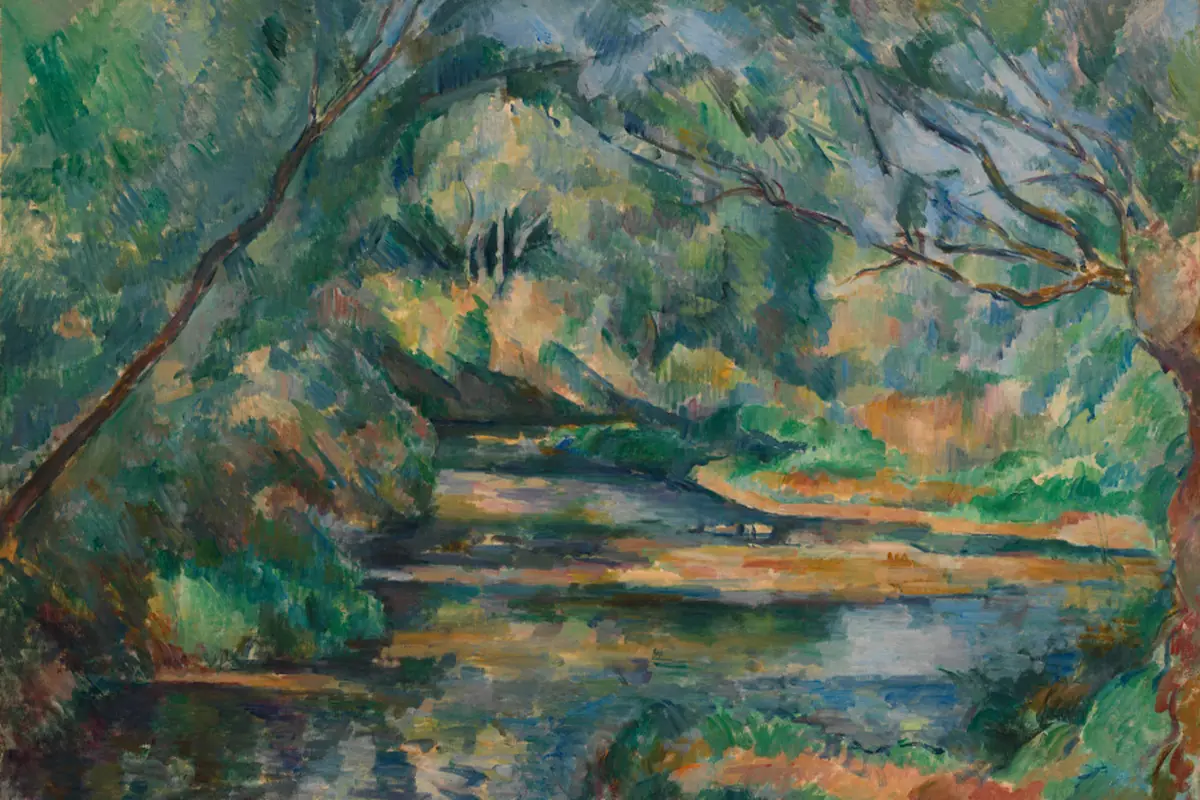
- The Brook, Paul Cezanne (c. 1895–1900) — Cleveland Museum of Art, CC0 1.0
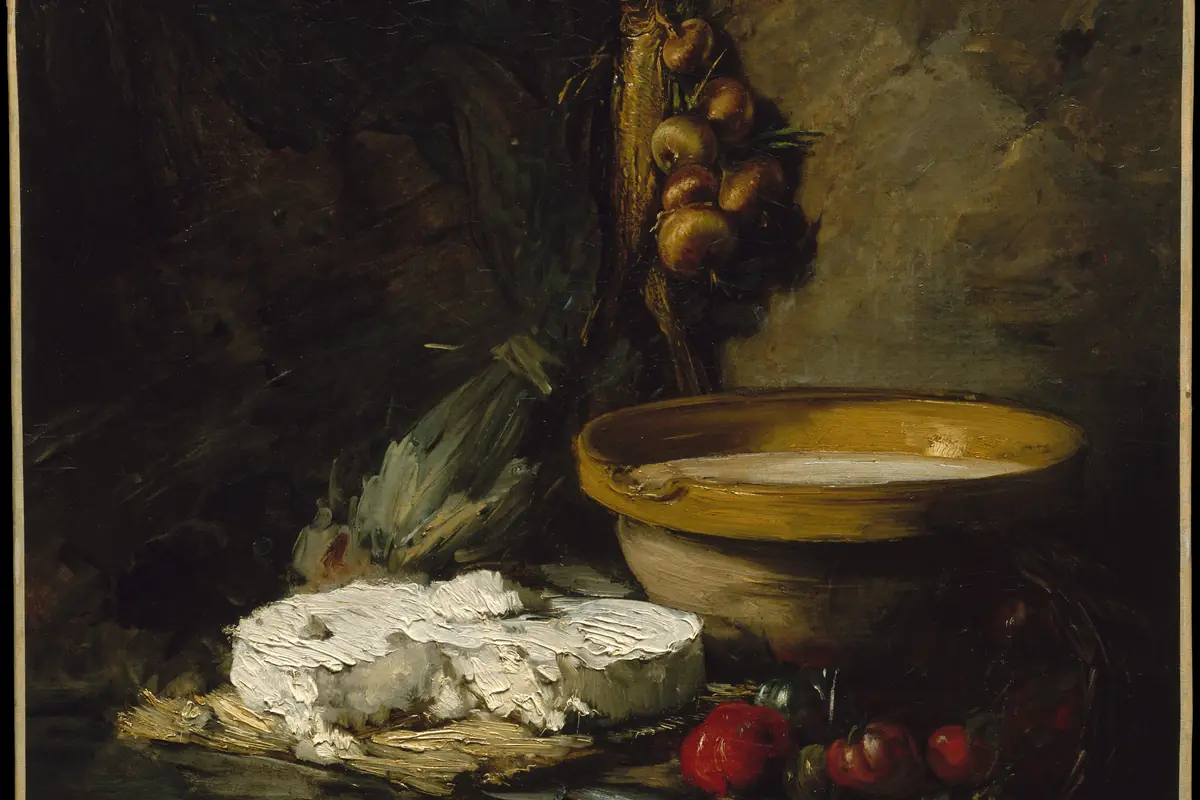
- Still Life with Cheese, Antoine Vollon (probably late 1870s) — The Metropolitan Museum of Art, CC0 1.0
- Seascape, Henry Ward Ranger (1892) — Cleveland Museum of Art, CC0 1.0
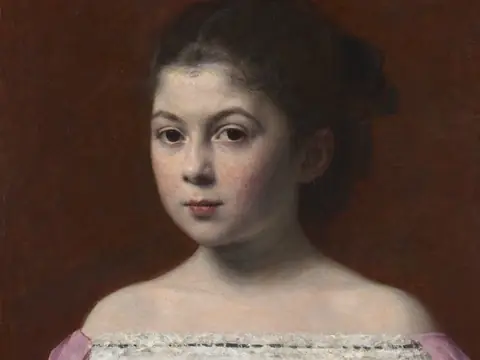
- Marie-Yolande de Fitz-James, Henri Fantin-Latour (1867) — Cleveland Museum of Art, CC0 1.0
- Portrait of a Woman, Anna Claypoole Peale (1820) — Cleveland Museum of Art, CC0 1.0
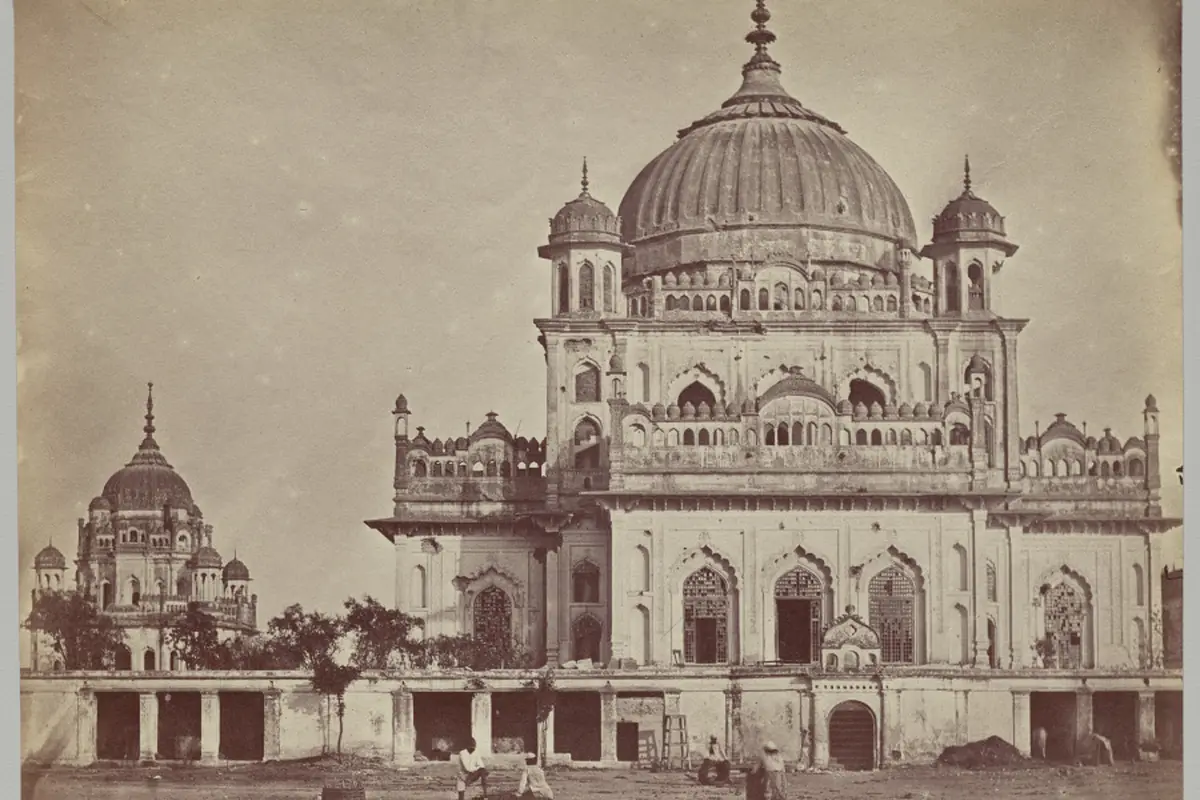
- Small Mosque in the Kaiserbagh, Felice A. Beato (1858) — Cleveland Museum of Art, CC0 1.0
- River Landscape with Large Tree at Left, Augustin Hirschvogel (1546) — Cleveland Museum of Art, CC0 1.0
- Still Life, William Michael Harnett (1888) — The Metropolitan Museum of Art, CC0 1.0
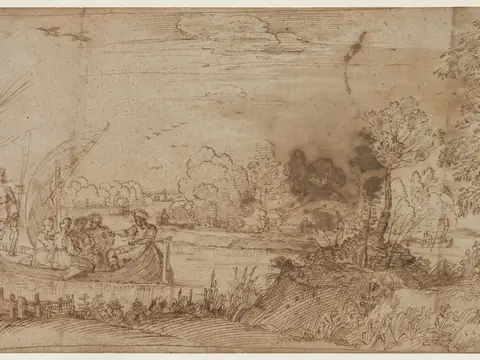
- River Landscape with Boats, Annibale Carracci (c. 1590) — Cleveland Museum of Art, CC0 1.0
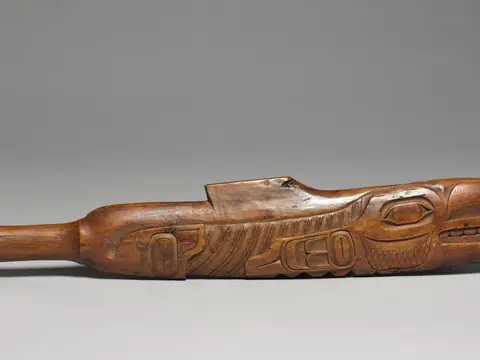
- Fish or Seal Club (X’ús’) (late 1800s–early 1900s) — Cleveland Museum of Art, CC0 1.0
- Nymphs and a Satyr (Amor Vincit Omnia), Nicolas Poussin (c. 1625–27) — Cleveland Museum of Art, CC0 1.0