
 Cleveland Museum of Art · CC0 1.0
Pages in this section
 Login to the member areaThe online login module: credentials, two-factor authentication, first access and forgotten password.›
 Restricted documentsReports, draft decisions, minutes and templates reserved for Member States: organization, access rights and rules of use.›
 User supportSupport, answers to frequently asked questions, troubleshooting procedures and member area support contacts.›
A portal reserved for Member States
The member area is the online portal through which Member States communicate with the Organization. It brings together working documents, the directory of national experts, the online help request, the meeting calendar and the tools for monitoring contributions.
Access is personal and protected. Each State has a local administrator, generally the focal point, who manages the accounts of his or her country.
This section describes the login, the restricted documents and the help pages.
Member area in figures
Source: Member States Relations Directorate.
Three pages
What the member area is for
The portal avoids scattering exchanges across e-mail and secures the circulation of sensitive documents. It allows delegations to prepare for the General Assembly, consult reports and follow the progress of their requests.
It also centralizes official forms: appointment of experts, change of focal point, help request, submission of statistical data.
Who has access
Accounts are held by focal points, national experts, delegates appointed for the General Assembly and officials authorized by their State. Secretariat staff have separate accounts with their own rights.
The local administrator creates and deletes the accounts of his or her State and is responsible for their proper use.
The sections of the portal
The home page presents the State's alerts and deadlines. The other sections are: documents, meetings, directory, requests, contributions and settings. A search engine makes it possible to find a text by title, date or keyword.
The interface is available in French, English and Spanish, and complies with digital accessibility rules.
Security and confidentiality
Access is protected by a password and a second authentication factor. Logins are recorded and sessions expire after a period of inactivity. Sensitive documents are encrypted and downloads are traced.
Users undertake not to share their credentials and to report any anomaly without delay.
Portal sections at a glance
| Section | Content | Audience |
|---|---|---|
| Documents | Reports, draft decisions | Delegates and focal points |
| Directory | Profiles of national experts | Experts and focal points |
| Requests | Forms and follow-up | Focal points |
| Settings | Accounts and alerts | Local administrators |
Milestones
- First portal
General Assembly documents.
- Directory
Integration of national experts.
- Two-factor authentication
Strengthened security.
- New interface
Improved accessibility.
Personal access
Personal account or State account
Personal account
One person- Personal credentials
- Appropriate rights
- Traceability
For every user.
Local administrator
One State- Account management
- Authorization of officials
- Contact person for support
For the focal point.
Starting to use the portal
- Receive
The invitation.
- Create
Your password.
- Activate
The second factor.
- Explore
The sections.
- Settle
Your alerts.
Before the first login
A delegate
« I prepare for the General Assembly directly from the portal: all the documents are in one place, in my language. »
Vocabulary
- Member Area
- Portal reserved for Member States.
- Second factor
- Second proof of identity.
- Local administrator
- Account manager for a State.
- Logging
- Recording of logins.
Evolution of the portal
The member area evolves according to user feedback. A user committee, made up of focal points from all regions, meets twice a year to propose improvements. New functions are announced on the portal home page.
Member States may also propose improvements to the Member States Relations Directorate.
Frequently Asked Questions
Is the portal public?
No, access is reserved for authorized accounts.
Who creates the accounts?
The State's local administrator.
Can it be accessed from a phone?
Yes, the interface adapts to screens.
How do I log in?
See Login.
Useful Documents
Contacts
Related pages
 Login to the member areaThe online login module: credentials, two-factor authentication, first access and forgotten password.›
 Restricted documentsReports, draft decisions, minutes and templates reserved for Member States: organization, access rights and rules of use.›
 User supportSupport, answers to frequently asked questions, troubleshooting procedures and member area support contacts.›
 National Focal PointsA designated contact in each Member State: the directory, the role and the annual plenary meetings.›
Log in
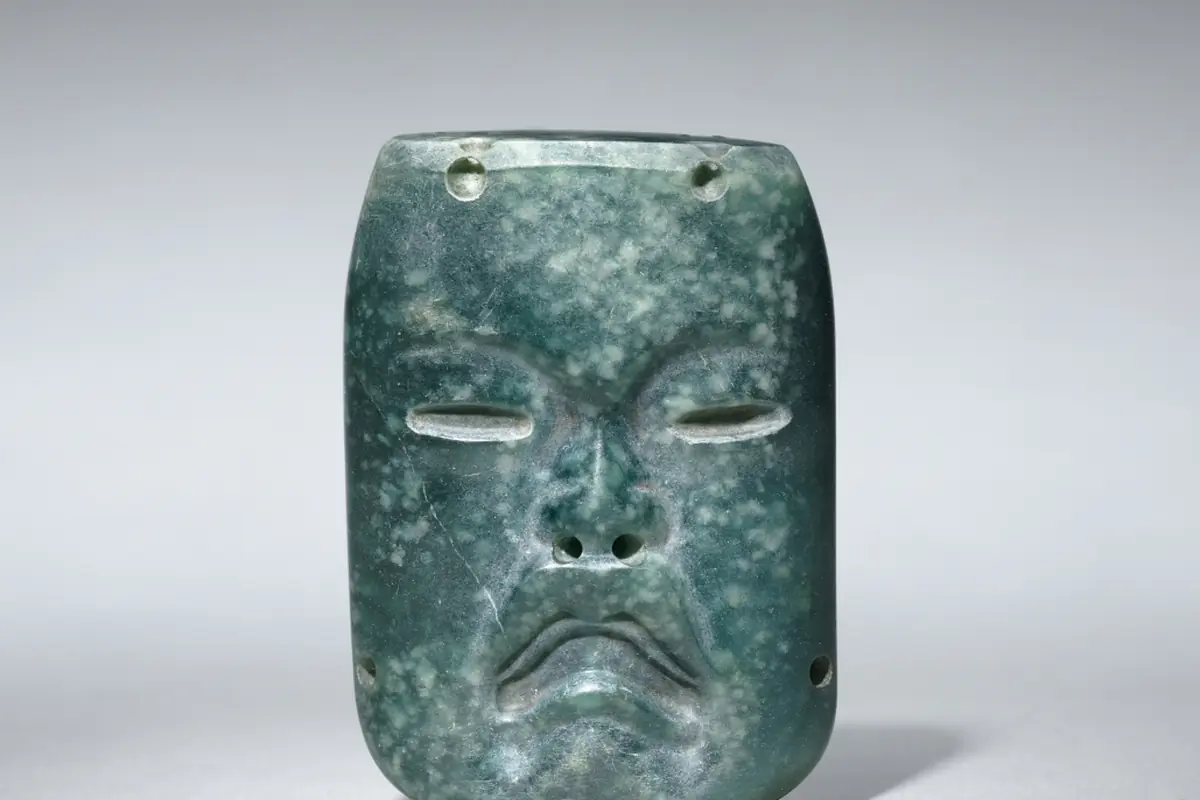
Image credits (23)
- Dune Scene with Peasant Figures, Willem van de Velde (mid-1650s) — Cleveland Museum of Art, CC0 1.0
- View of Venice, Jacopo de' Barbari (1500) — Cleveland Museum of Art, CC0 1.0
- Arrival of the "Southern Barbarians" (c. 1600) — Cleveland Museum of Art, CC0 1.0
- Nuova pianta di Roma data in luce da Giambattista Nolli l’anno MDCCXLVII, known as La Pianta Grande di Roma, Giovanni Battista Nolli (1748) — Cleveland Museum of Art, CC0 1.0
- Coronation of the Virgin, Christoffel Jegher (1632–36) — Cleveland Museum of Art, CC0 1.0
- Nuova pianta di Roma data in luce da Giambattista Nolli l’anno MDCCXLVII, known as La Pianta Grande di Roma, Giovanni Battista Nolli (1748) — Cleveland Museum of Art, CC0 1.0
- Sandal (mtalawanda / mtawanda) or Clog (kiatu cha mti) (c 1800s) — Cleveland Museum of Art, CC0 1.0
- Seven Jeweled Mountain (late 1800s) — Cleveland Museum of Art, CC0 1.0
- Akshobhya: the Buddha of the East (late 800s) — Cleveland Museum of Art, CC0 1.0
- Head in Mouth of Snake (1325–1519) — Cleveland Museum of Art, CC0 1.0
- Nuova pianta di Roma data in luce da Giambattista Nolli l’anno MDCCXLVII, known as La Pianta Grande di Roma, Giovanni Battista Nolli (1748) — Cleveland Museum of Art, CC0 1.0
- Prince and ascetics, from the Late Shah Jahan Album, Govardhan (c. 1630) — Cleveland Museum of Art, CC0 1.0
- Nuova pianta di Roma data in luce da Giambattista Nolli l’anno MDCCXLVII, known as La Pianta Grande di Roma, Giovanni Battista Nolli (1748) — Cleveland Museum of Art, CC0 1.0
- The Dance at the Court of Herod, Israhel van Meckenem (c. 1500) — Cleveland Museum of Art, CC0 1.0
- Disk Pendant (akrafokɔnmu) (1800s, before 1896) — Cleveland Museum of Art, CC0 1.0
- Bowl (1300s) — Cleveland Museum of Art, CC0 1.0
- Nuova pianta di Roma data in luce da Giambattista Nolli l’anno MDCCXLVII, known as La Pianta Grande di Roma, Giovanni Battista Nolli (1748) — Cleveland Museum of Art, CC0 1.0
- Eighteen Views of Rome: The Piazza Farnese (recto), Lievin Cruyl (1664) — Cleveland Museum of Art, CC0 1.0
- Portrait of John VIII Palaoelogus, Emperor of Constantinople, 1424-1428 (reverse), Pisanello (c. 1438–1439) — Cleveland Museum of Art, CC0 1.0
- The Victory Banquet: from Battle Scenes of the Quelling of Rebellions in the Western Regions, with Imperial Poems (c. 1765–74; poem dated 1760) — Cleveland Museum of Art, CC0 1.0
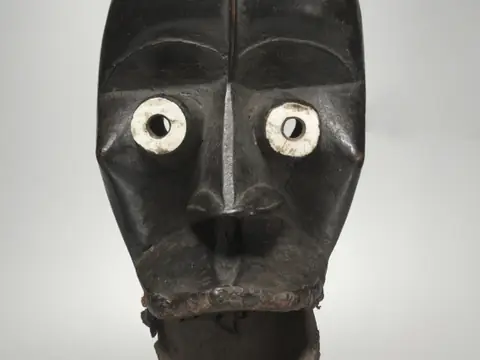
- Mask (early 1900s, before 1933–37) — Cleveland Museum of Art, CC0 1.0
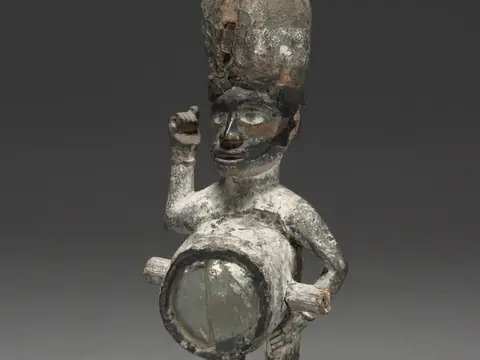
- Power figure (nkisi) (late 1800s-early 1900s) — Cleveland Museum of Art, CC0 1.0
- Small Mask Ornament (c. 900–300 BCE) — Cleveland Museum of Art, CC0 1.0