
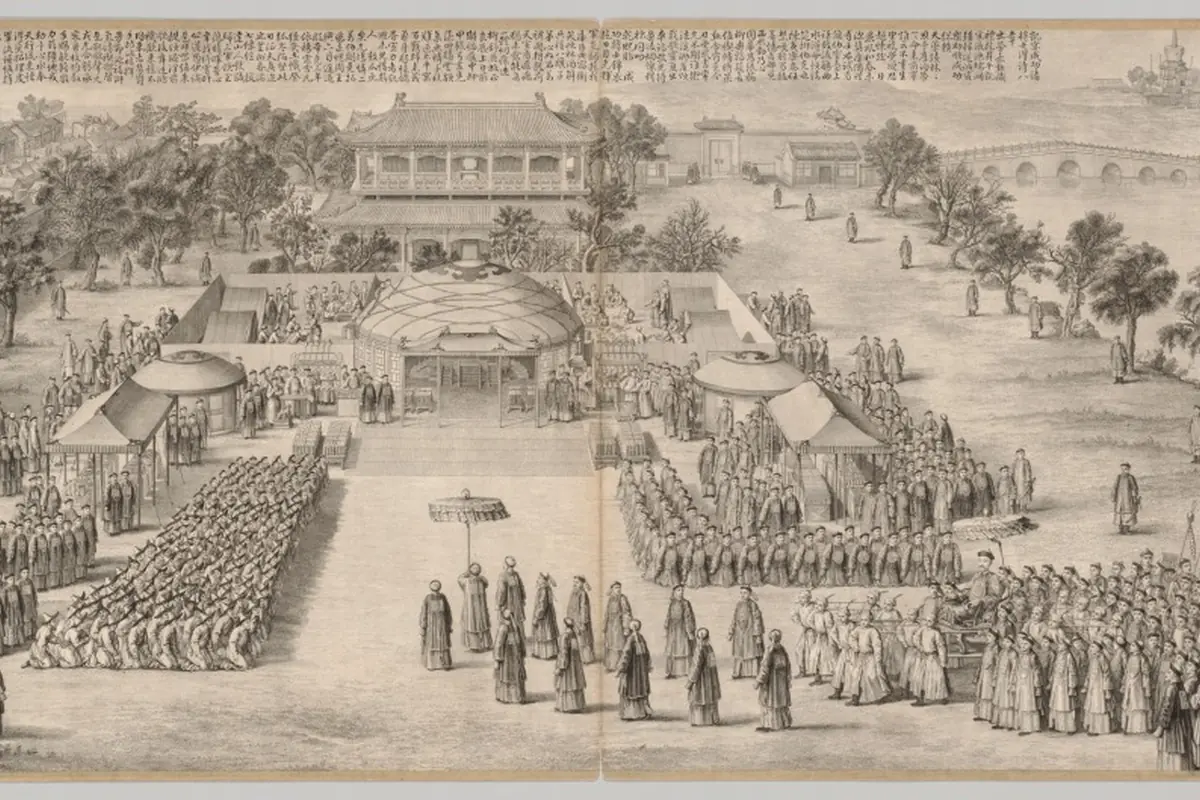
 Cleveland Museum of Art · CC0 1.0
Three major points of interpretation
The commentaries on the UNIDROIT Convention focus on three questions: how to assess the possessor's diligence, how to count the time limits, and how to calculate compensation.
They are prepared by the Legal Affairs Department from doctrine, the preparatory work and the first decisions given in States parties.
They do not replace legal advice but help to understand how judges read the text.
Commentaries on the UNIDROIT Convention 1995 in figures
Source: OIMAP Legal Affairs Department.
Assessing diligence
Article 4 lists criteria without ranking them. In practice, judges give particular weight to two elements: consultation of a register of stolen property, and the gap between the price paid and the market value. An abnormally low price is a warning sign that is hard to ignore.
The buyer's status also matters: a professional is expected to carry out more checks than a private individual. Diligence is therefore proportionate to the buyer's status, experience and means.
Counting the time limits
The three-year period runs from knowledge of the place and the possessor. Case law requires that this knowledge be effective and reasonably identifiable: a mere rumour is not enough, but a precise publication of the work in a catalogue can start the clock.
The absolute fifty-year limit is calculated from the theft. It does not apply to certain categories (monuments, archaeological sites, public collections), for which the State may provide longer periods.
Beyond the texts
The Convention also has an indirect normative effect: even in non-party States, it serves as a reference for assessing buyers' good faith. Museums and auction houses draw on it in their acquisition policies.
This diffuse influence explains why its importance far exceeds the number of its States parties. It helps establish the idea that a professional buyer must make enquiries before buying.
Questions of interpretation
| Question | Dominant reading | Consequence |
|---|---|---|
| Is diligence the same for a private individual and a professional? | No, more demanding for the professional | Heavier burden of proof |
| Is consulting a register enough? | No, but it is essential | One element among others |
| Who bears the compensation? | The claimant, save exceptions | Deterrent cost for some |
| Does the Convention apply to online sales? | Yes, the nature of the medium is irrelevant | Adapted diligence |
Landmarks
- Entry into force
First application.
- First decision
Case law of a State party.
- OIMAP directives
Direct inspiration.
- 17 decisions cited
Gradual accumulation.
Diligence must be proved
Restrictive or extensive interpretation
Restrictive
Strict application of the conditions- Security for buyers
- Fewer restitutions
- Preferred by importing States
Cautious approach.
Extensive
Application protective of heritage- More restitutions
- Increased burden on buyers
- Preferred by States of origin
Protective approach.
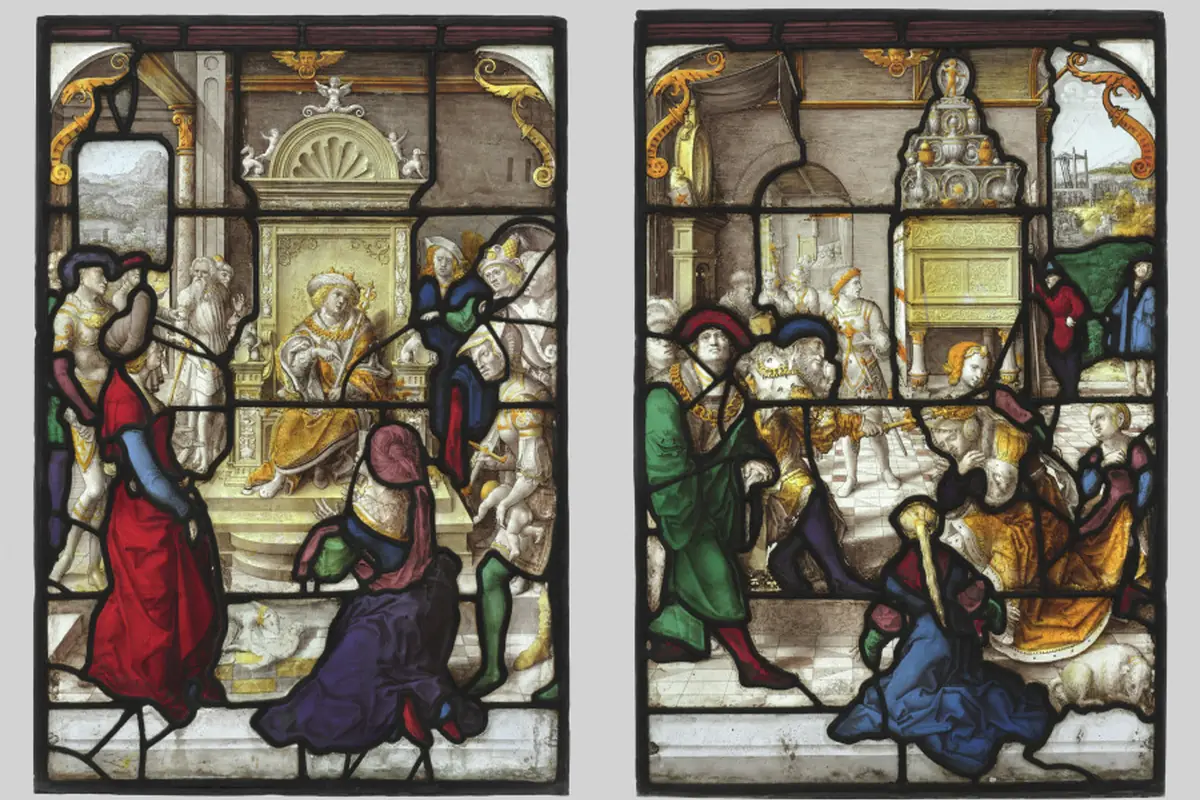
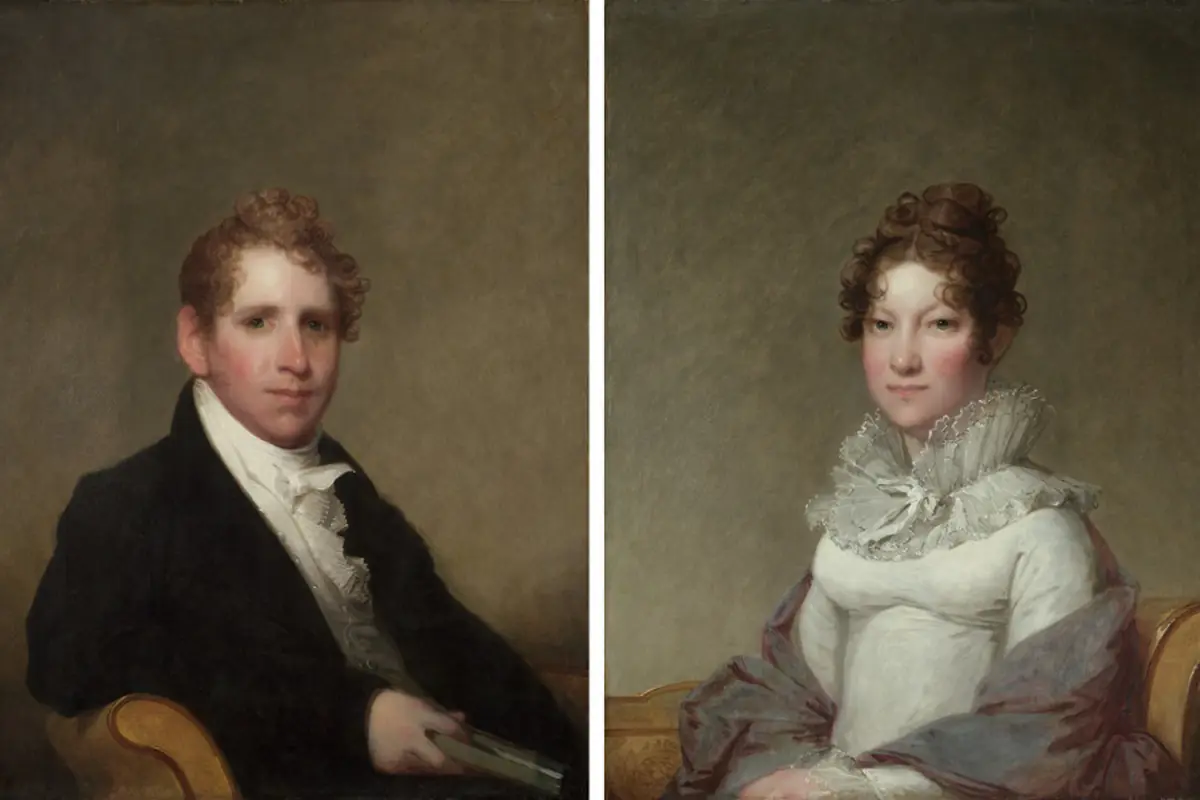
Using the commentaries
- Target
State the legal question.
- Search
Read the corresponding commentary.
- Compare
Compare with decisions.
- Adapt
Take national law into account.
- Consult
Seek an opinion if necessary.
Practical lessons
A professor
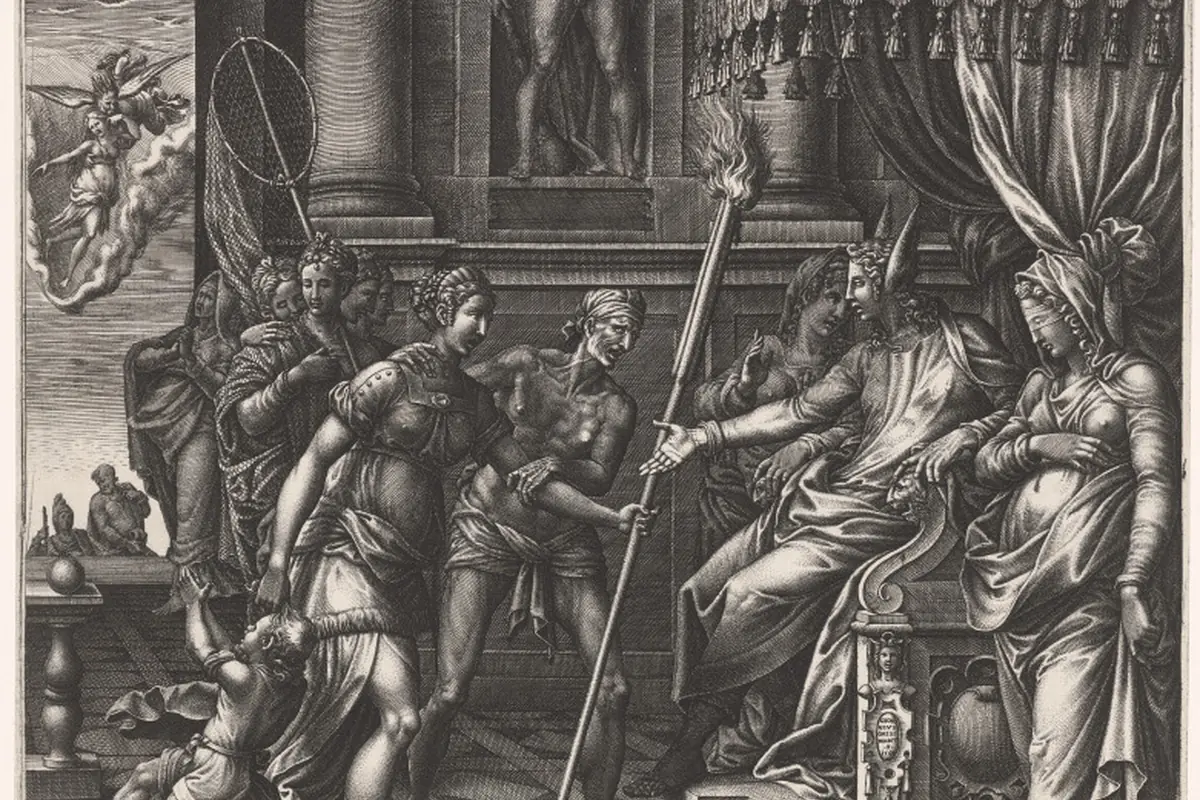
« The preparatory work of the Convention shows a delicate balance between two ideas: security of exchanges and respect for heritage. »
Vocabulary of the commentaries
- Preparatory work
- Documents preceding the adoption of a text.
- Burden of proof
- Obligation to prove a fact.
- Restrictive interpretation
- Strict reading of a text.
- Jurisdiction
- Power to judge.
Frequently asked questions
Are the decisions cited public?
Yes, see the case law.
Do the commentaries evolve?
Yes, they are updated every year.
Can I propose a contribution?
Yes, through the public consultations.
Where can I read the text?
On the Full text page.
Useful documents
Contacts
Related pages
 UNIDROIT Convention 1995The 1995 Rome Convention on stolen or illegally exported cultural objects: restitution before the courts and compensation of the diligent possessor.›
 Case law640 summarised court and arbitration decisions: authenticity, provenance, ownership, good faith, restitution and operators' liability.›
 Due diligenceThe checks every operator must carry out before buying, selling or presenting a work: guide, checklists and templates.›
Discover the OIMAP directives
Image credits (16)
- The Victory Banquet: from Battle Scenes of the Quelling of Rebellions in the Western Regions, with Imperial Poems (c. 1765–74; poem dated 1760) — Cleveland Museum of Art, CC0 1.0
- The Antechamber of the Palace of Justice, Paris, Charles Meryon (1855) — Cleveland Museum of Art, CC0 1.0
- Portrait of John VIII Palaoelogus, Emperor of Constantinople, 1424-1428 (reverse), Pisanello (c. 1438–1439) — Cleveland Museum of Art, CC0 1.0
- Red-Figure Column Krater (Mixing Vessel): Satyrs Pursuing Maenads, Naples Painter (440–430 BCE) — Cleveland Museum of Art, CC0 1.0
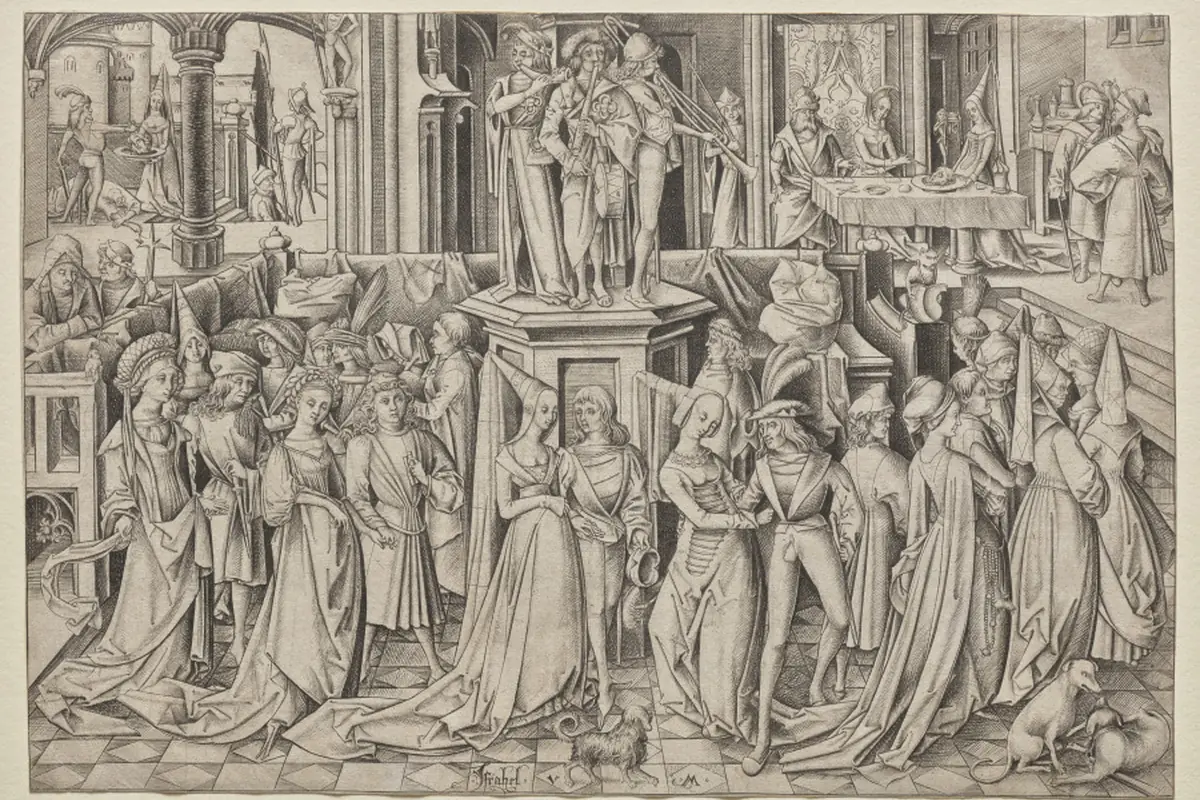
- The Dance at the Court of Herod, Israhel van Meckenem (c. 1500) — Cleveland Museum of Art, CC0 1.0
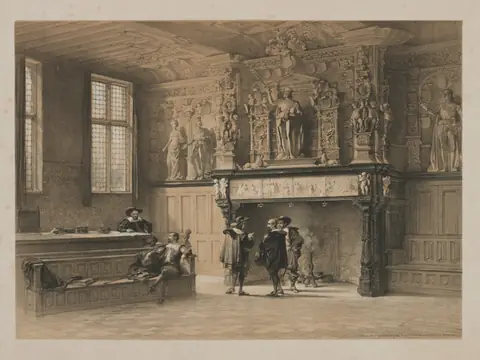
- Sketches in Belgium and Germany, Volume I: Hall of Justice of the Magistrates du Franc, Bruges, Louis Haghe (1840) — Cleveland Museum of Art, CC0 1.0
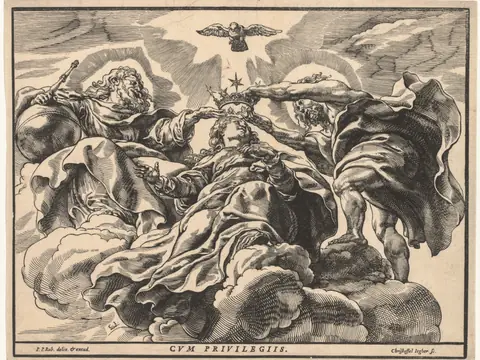
- Coronation of the Virgin, Christoffel Jegher (1632–36) — Cleveland Museum of Art, CC0 1.0
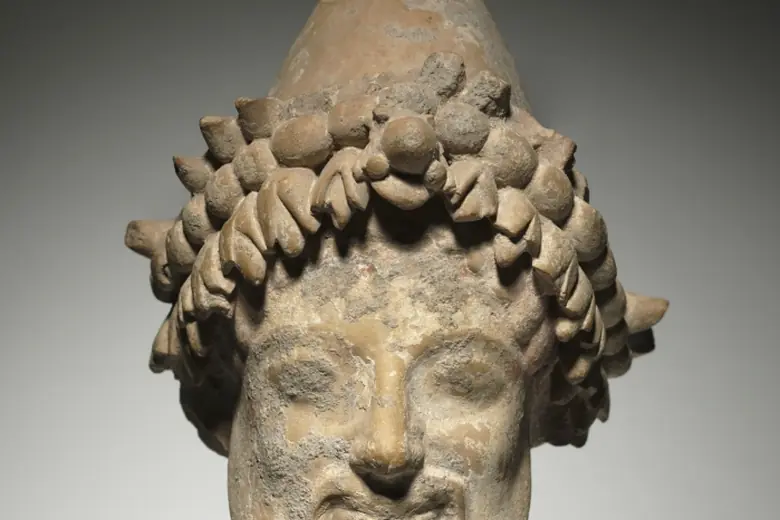
- Head of Bearded Banqueter (525–500 BCE) — Cleveland Museum of Art, CC0 1.0
- The Judgment of Solomon and Esther before Ahasuerus (pair), Dirk Vellert (c. 1530) — Cleveland Museum of Art, CC0 1.0
- Dr. James Stuart; Mary Campbell Stuart, Gilbert Stuart (c. 1815) — Cleveland Museum of Art, CC0 1.0
- The Calumny of Apelles, Giorgio Ghisi (1560) — Cleveland Museum of Art, CC0 1.0
- A Palace with an Arched Bridge (A Roman Villa), Hubert Robert (1760) — Cleveland Museum of Art, CC0 1.0
- Two Boats with Female Mourners (c. 667–647 BCE) — Cleveland Museum of Art, CC0 1.0
- Hours of Queen Isabella the Catholic, Queen of Spain, Master of the First Prayerbook of Maximillian (c. 1500) — Cleveland Museum of Art, CC0 1.0
- Mercury (Budha), from a Mandi Astrology Series, Sanju (c. 1810) — Cleveland Museum of Art, CC0 1.0
- Hittite Vessel with Four Scenes Molded and Carved in Relief (1400–1200 BCE) — Cleveland Museum of Art, CC0 1.0