
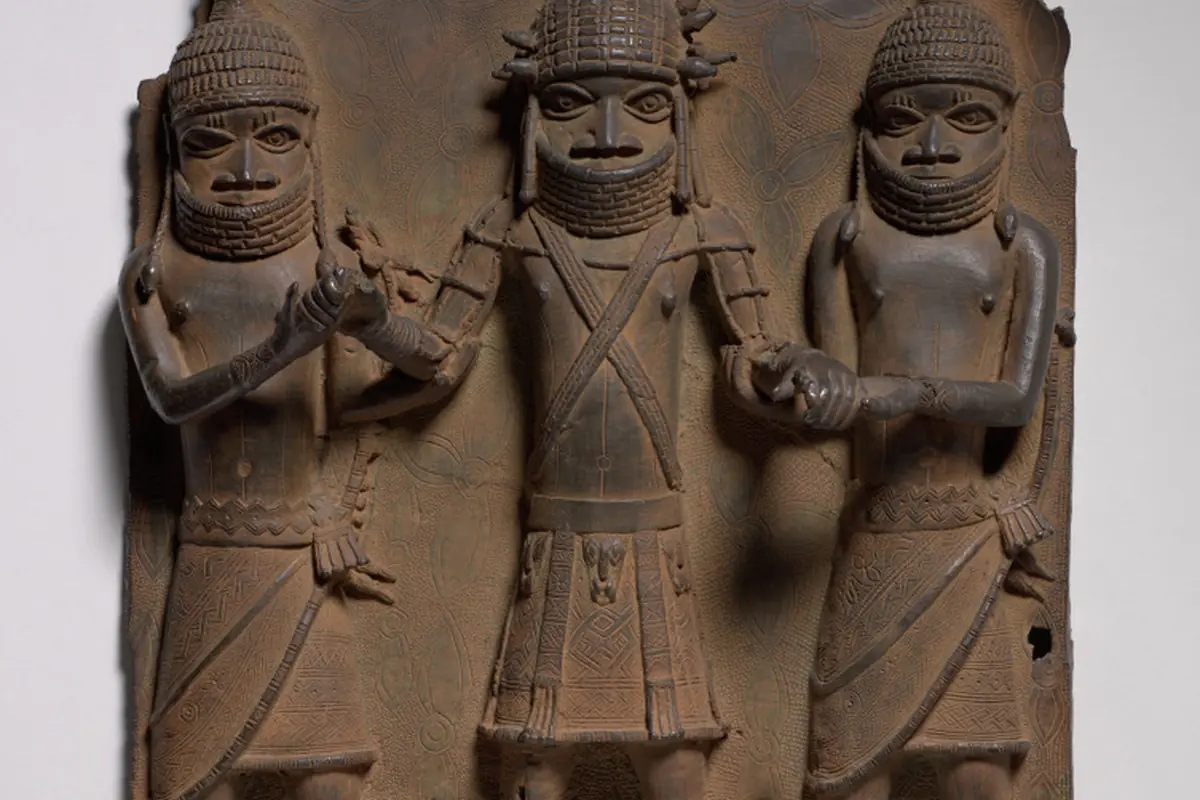
 Cleveland Museum of Art · CC0 1.0
Pages in this section
 OverviewPrinciples, process and fees: understand in a few pages how OIMAP certification works.›
 Certificates of authenticityThe OIMAP certificate of authenticity establishes, through independent expertise and scientific analysis, that the work is indeed the one claimed.›
 Provenance certificatesThe provenance certificate reconstructs and attests the chain of ownership of a work, from its creation to its current owner.›
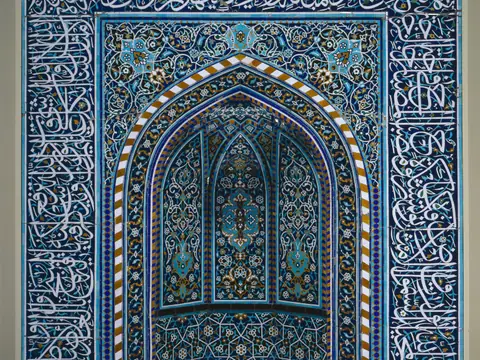 Digital certificationsA time-stamped fingerprint and a token backed by the paper certificate to follow a work's history without ever separating it from its file.›
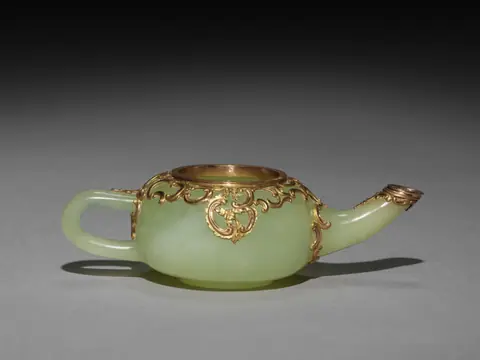 Conservation reportsThe condition of a work, certified and dated: examination, restoration recommendations and insurance value in a single document.›
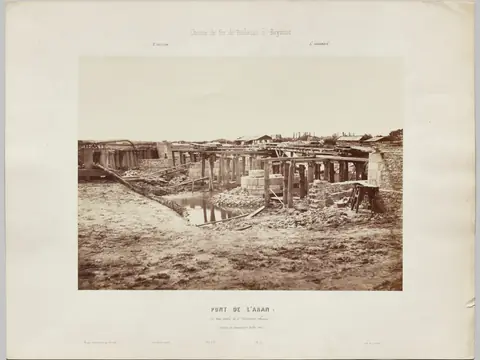 Request a certificationCreate an account, submit a case, follow its progress: everything is done online at the OIMAP Desk.›
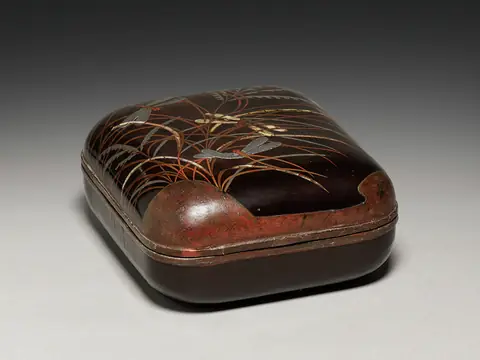 Registration of a workEntering a work in the OIMAP Registry: unique number, certified description and work passport, first step of any certification.›
 Title of ownershipOfficial recognition of ownership of a work by OIMAP, enforceable against third parties in Member States once published in the Registry.›
 Import and export licenceAuthorisation for the cross-border movement of a work, in conformity with the 1970 UNESCO and 1995 UNIDROIT conventions.›
 Sales approvalThe compliance check carried out before a public or private sale: due diligence, BIOP, provenance and authenticity verified before the hammer falls.›
 Accredited expertsThe network of 360 independent experts who examine works: accreditation, specialties, ethics and public directory.›
 Partner laboratoriesThe network of 24 laboratories that carry out the scientific analyses of cases: spectroscopy, dating and imaging.›
 Verify a certificateCheck the authenticity of an OIMAP certificate free of charge: by number, by QR code, or report a fake.›
 Conformity labelThe OIMAP label distinguishes galleries, auction houses and collectors that respect the twelve criteria of due diligence.›
 Directive No. 2019-07The protocol for authenticating cultural property: five titles and twenty-four articles that set the common method of certification.›
One work, one verifiable identity
Certifying a work with OIMAP gives it an identity that any buyer, museum or customs service in the 67 Member States can verify in seconds.
The Certification section brings together every act issued by the Desk: registration in the Registry, certificates of authenticity and provenance, title of ownership, import and export licences, sales approval, conservation reports, digital certification and the conformity label.
Every act rests on the same method: an independent accredited expert, proportionate scientific analyses, a reasoned opinion from the committee and an entry in the OIMAP Registry.
Certification in figures
Source: OIMAP Observatory, 2024 annual report.
A common framework for 67 States
One method, recognised everywhere.
The rules of certification are set by the 2019 OIMAP Directives and, in particular, by Directive No. 2019-07, which describes the protocol for authenticating cultural property.
This common base has a very concrete effect: a certificate issued in Nairobi is read the same way in Geneva or Singapore. Member States mutually recognise OIMAP certificates, which removes redundant expert assessments and secures transactions.
The acts of certification
 ExpertiseCertificates of authenticity
Establishes that the work is indeed by the artist, workshop or period stated.
› TraceabilityProvenance certificates
Reconstructs the chain of ownership from creation to the current owner.
› LawTitle of ownership
Official recognition of ownership, enforceable in the Member States.
› CirculationImport and export licence
Authorises cross-border movement in accordance with the conventions.
›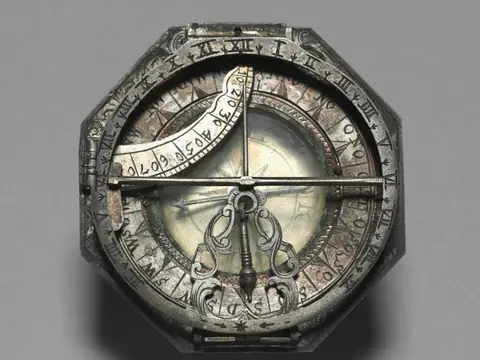 ConditionConservation reports
Condition of the work, restoration and insurance value.
›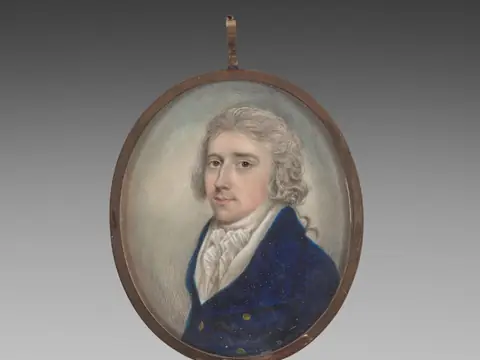 DigitalDigital certifications
Time-stamped fingerprint and token backed by the paper certificate.
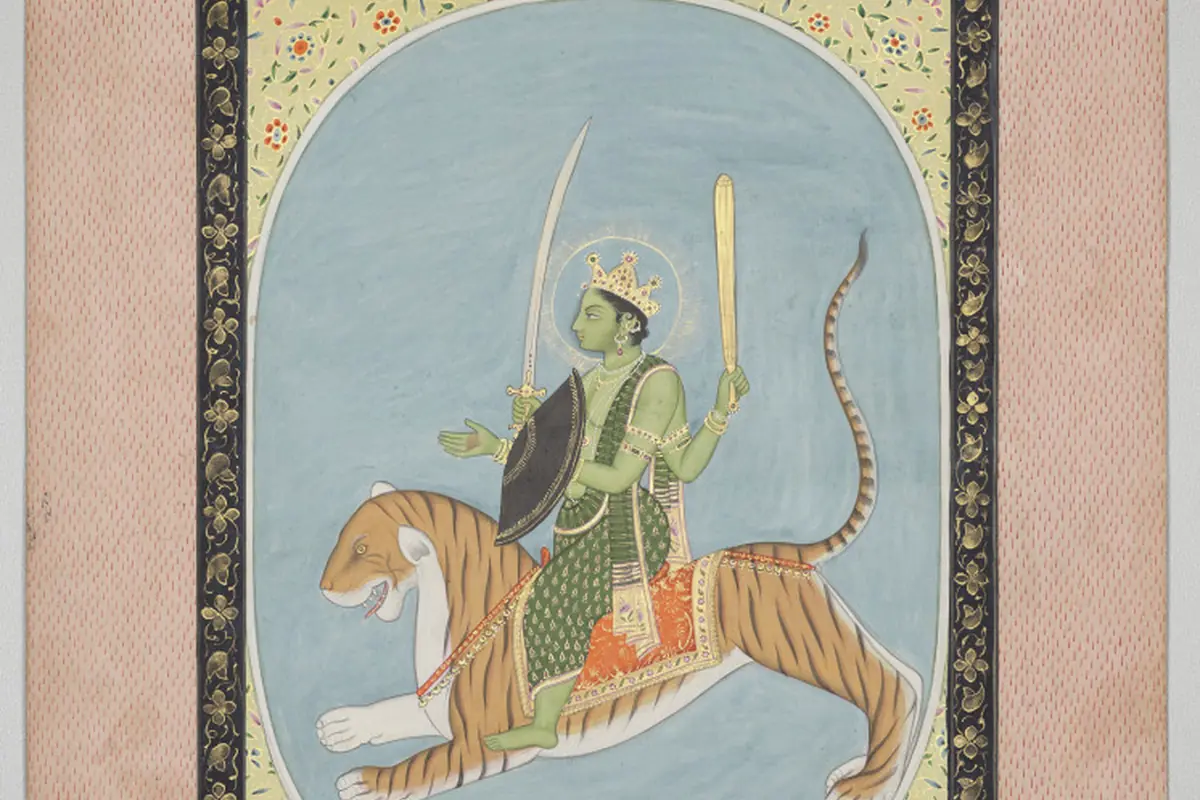
›
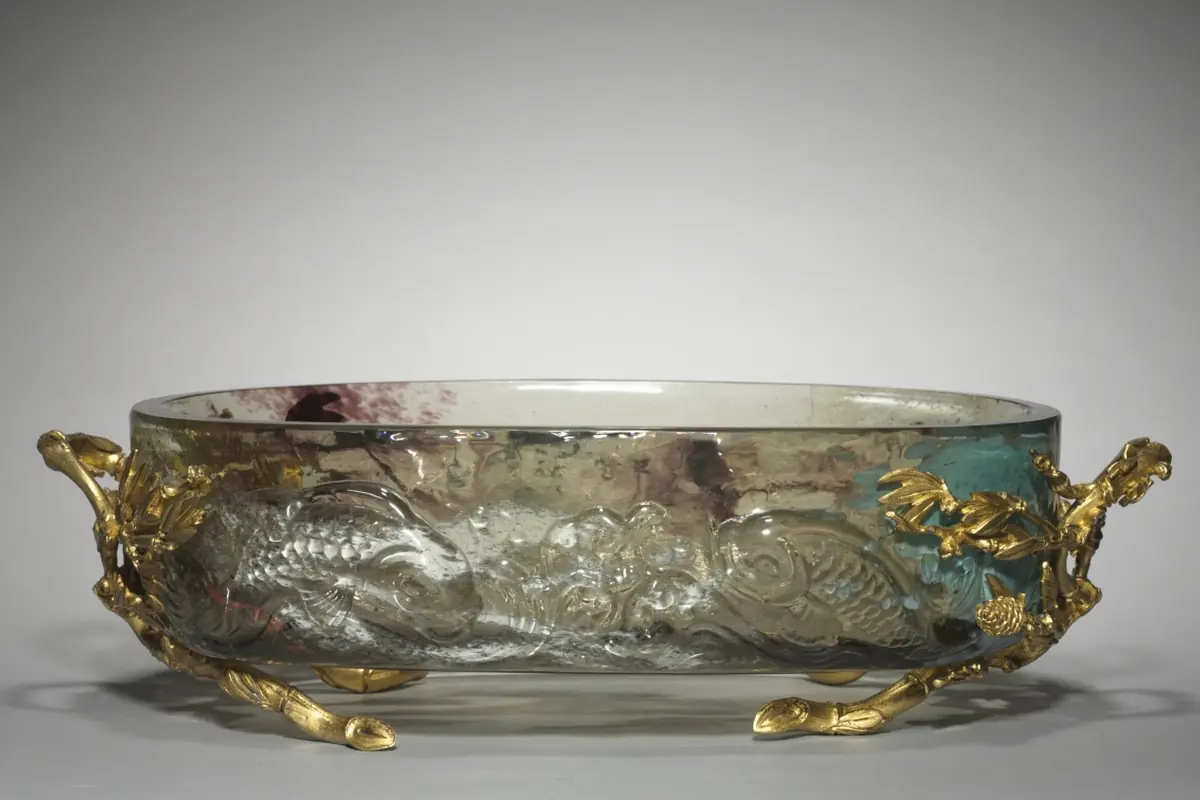
The course of an application
- Register the work10 days
Create an account at the Desk and enter the work in the Registry: description, photographs, known history.
- Choose the act1 day
Authenticity, provenance, ownership, conservation… the Desk directs you to the relevant acts.
- Expertise and analyses2 to 6 weeks
An accredited expert is appointed; laboratory analyses are carried out if necessary.
- Committee opinion1 week
The certification committee examines the expert's reasoned opinion and decides.
- Issuance and registration2 days
The certificate is signed, sealed, given a QR code and entered in the Registry.
Documents, timeframes and validity
| Document | Timeframe | Validity |
|---|---|---|
| Registration and work passport | 10 days | Permanent, updated with every event |
| Certificate of authenticity | 4 to 8 weeks | Unlimited, unless new facts emerge |
| Provenance certificate | 3 to 6 weeks | Unlimited, unless new facts emerge |
| Title of ownership | 15 days | Permanent, enforceable after 30 days |
| Import and export licence | 10 to 20 days | 6 months |
| Sales approval | 5 days | 90 days |
| Conservation report | 2 to 4 weeks | 5 years |
| Digital certification | 7 days | Permanent |
| Conformity label | 30 days | 3 years, renewable |
Timeframes run from a complete file. See the Prices page.
Paper certificate or digital certification
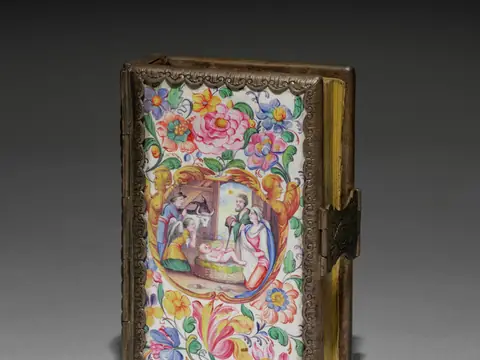
Paper certificate
Signed, sealed document with QR code- Recognised by all auction houses
- Issued with the work passport
- Verifiable by number or QR code
Essential for a sale, a loan or a shipment.

Digital certification
Fingerprint anchored on a distributed ledger- Issued in 7 days
- Time-stamped and tamper-proof
- Backed by the paper certificate, never replacing it
Useful for tracking the history of transactions.
Key milestones of OIMAP certification
- Creation of the Registry
The 23 founding States create the OIMAP Registry and the first certificates.
- Network of experts
First cohort of accredited experts and first code of ethics.
- Directive No. 2019-07
The authentication protocol becomes mandatory for all Member States.
- Digital certification
Launch of the time-stamped fingerprint and the backed token.
- 12,847 certifications
The network counts 360 experts and 24 partner laboratories.
Key point
The certification committee
Specialist in 19th-century painting, former curator at the national museum in Dakar.
Professor of the history of printmaking, head of the partner laboratories programme.
Expert in European furniture and silverware from the 17th to the 19th century.
The method in one sentence
« A good certificate does not only say what a work is: it says how we know. »
Before opening a case
Gather these items to speed up the admissibility check:
Depending on your profile
Collector
Have your works registered and certified before any sale, donation or transfer.
- Keep invoices and expert reports without time limit
- Request a conservation report every 5 years
Auction house
Require a valid certificate and a sales approval before listing a lot in the catalogue.
Museum or institution
Benefit from the 30% reduced rate and priority handling of cases for acquisitions and international loans.
A few useful terms
- Provenance
- Chain of ownership of a work, from its creation to the present day.
- Work passport
- Unique digital identity gathering certificates, owners and expert reports.
- OIMAP Registry
- Official database where works, certificates and titles are recorded.
- BIOP
- International database of protected works, which records thefts and losses.
Frequently asked questions
Is a certificate valid in all Member States?
Yes. Mutual recognition applies in the 67 Member States, subject to national export rules.
Can I have a work certified without moving it?
Yes, for visual examination and imaging. Some laboratory analyses require a sample or a supervised transfer.
What happens if the opinion is unfavourable?
The opinion is reasoned in writing. You may request a review within 30 days, then refer the matter to the Arbitral Tribunal.
How much does a certification cost?
Prices depend on the act and the analyses. See the Prices page.
Useful documents
Contact us
Related pages
 OverviewPrinciples, process and fees: understand in a few pages how OIMAP certification works.›
 Request a certificationCreate an account, submit a case, follow its progress: everything is done online at the OIMAP Desk.›
 Verify a certificateCheck the authenticity of an OIMAP certificate free of charge: by number, by QR code, or report a fake.›
 BIOP databaseThe international database of protected works: 48,200 stolen, lost or suspect works, searchable by all and enriched by police forces and museums.›
Open a case
Image credits (38)
- Plaque (1500s–1600s) — Cleveland Museum of Art, CC0 1.0
- Panel (c. 1780–1840) — Cleveland Museum of Art, CC0 1.0
- Fish or Seal Club (X’ús’) (late 1800s–early 1900s) — Cleveland Museum of Art, CC0 1.0
- Sweet Melancholy, Joseph-Marie Vien (1756) — Cleveland Museum of Art, CC0 1.0
- Prayer Niche (Mihrab) (c. 1500s or mid-1900s) — Cleveland Museum of Art, CC0 1.0
- Miniature Teapot, Mikhail Evlampievich Perkhin (1886–96) — Cleveland Museum of Art, CC0 1.0
- Chemin de fer de Toulouse à Bayonne. Pont de l'Aran (en trois arches de 17m d'ouverture chacune). Situation des travaux au 21 juillet 1861, Édouard Baldus (1861) — Cleveland Museum of Art, CC0 1.0
- Letter Box, Ogata Kōrin (1700s) — Cleveland Museum of Art, CC0 1.0
- The Calumny of Apelles, Giorgio Ghisi (1560) — Cleveland Museum of Art, CC0 1.0
- Boating in Moonlight (1600s) — Cleveland Museum of Art, CC0 1.0
- Vanity Case (Nécessaire) (c. 1760) — Cleveland Museum of Art, CC0 1.0
- Portrait of a Woman, Anna Claypoole Peale (1820) — Cleveland Museum of Art, CC0 1.0
- Annunciation to the Shepherds: Leaf from a Book of Hours (1 of 6 Excised Leaves), Henri d'Orquevaulx (c. 1420–30) — Cleveland Museum of Art, CC0 1.0
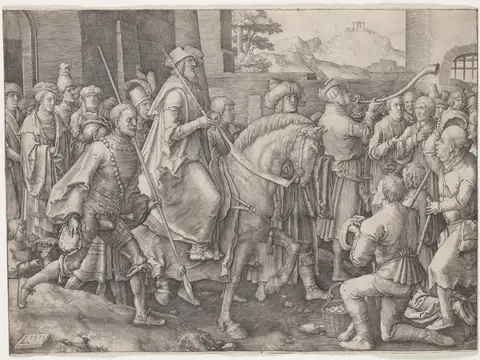
- The Triumph of Mordecai, Lucas van Leyden (1515) — Cleveland Museum of Art, CC0 1.0
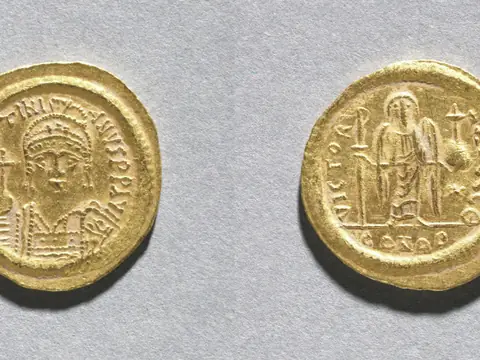
- Solidus of Justinian I (c. 545–65) — Cleveland Museum of Art, CC0 1.0
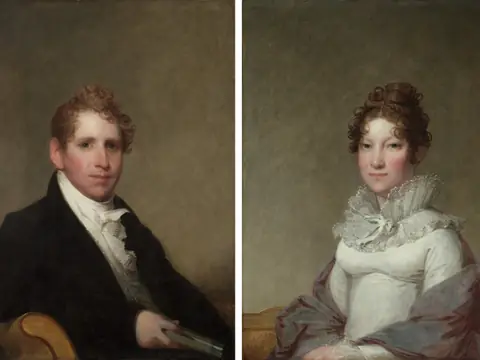
- Dr. James Stuart; Mary Campbell Stuart, Gilbert Stuart (c. 1815) — Cleveland Museum of Art, CC0 1.0
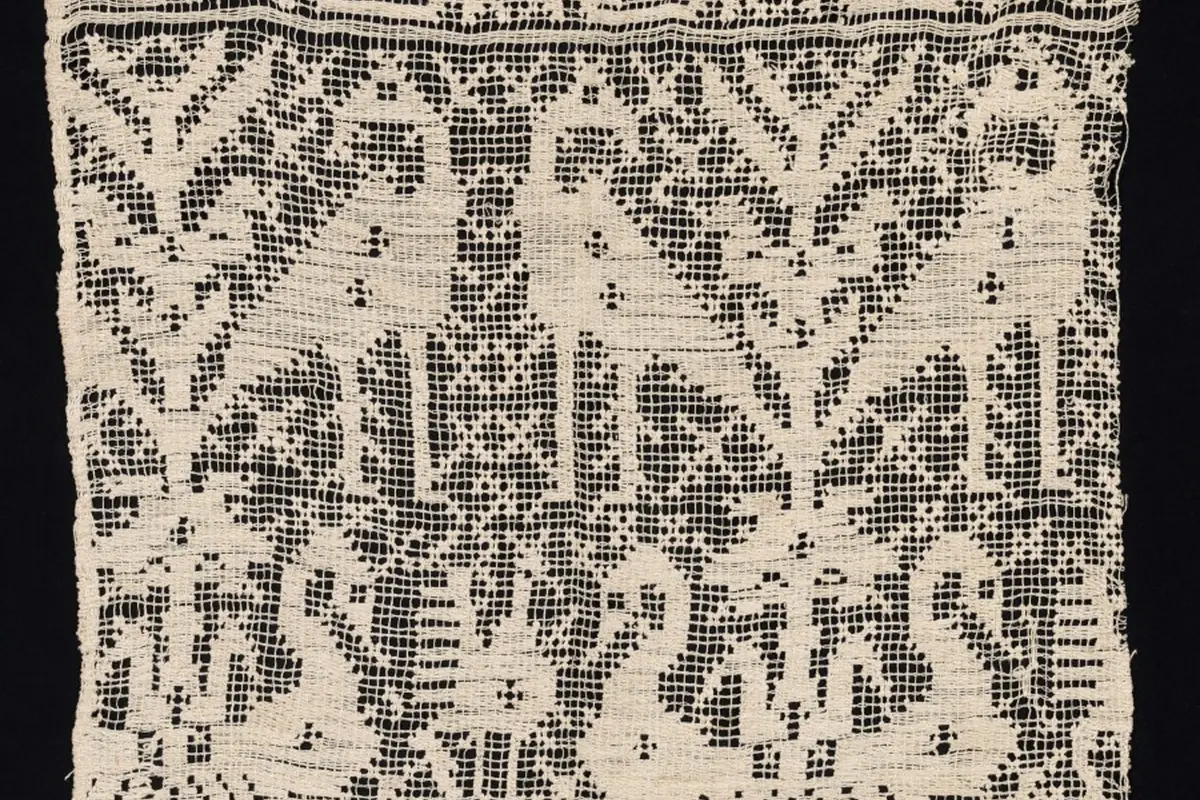
- Fragment of a Border with Standing and Seated Birds Amidst Vegetation (1500s) — Cleveland Museum of Art, CC0 1.0
- Seal Color Box (1662–1722) — Cleveland Museum of Art, CC0 1.0
- Portrait of Sandford Peacocke, William Wood (1801) — Cleveland Museum of Art, CC0 1.0
- Seal Color Box (1662–1722) — Cleveland Museum of Art, CC0 1.0
- Portfolio I, Plate 34: The Blanket Weaver-Navaho, Edward S. Curtis (1904) — Cleveland Museum of Art, CC0 1.0
- Compass and Sun Dial (1700–1750) — Cleveland Museum of Art, CC0 1.0
- Portrait of a Man, Nicholas Freese (c. 1795–1800) — Cleveland Museum of Art, CC0 1.0
- Mercury (Budha), from a Mandi Astrology Series, Sanju (c. 1810) — Cleveland Museum of Art, CC0 1.0
- Centerpiece, Eugène Rousseau (c. 1880) — Cleveland Museum of Art, CC0 1.0
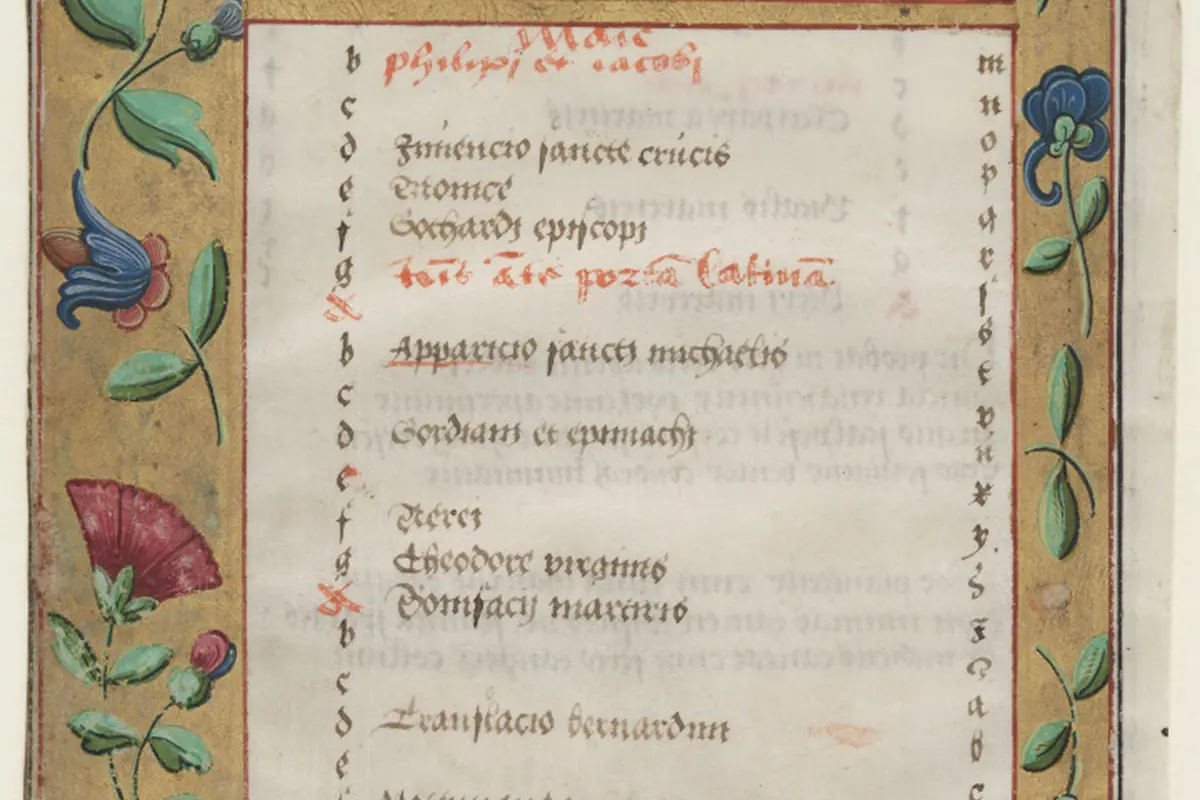
- Leaf from a Psalter and Prayerbook: Calendar Page with Labors (recto) (c. 1524) — Cleveland Museum of Art, CC0 1.0
- Carnet (1863–1865) — Cleveland Museum of Art, CC0 1.0
- Portrait of Georges Arnold Fitzwilliam, Charles Balthazar Julien Fevret de Saint-Mémin (c. 1790–1852) — Cleveland Museum of Art, CC0 1.0
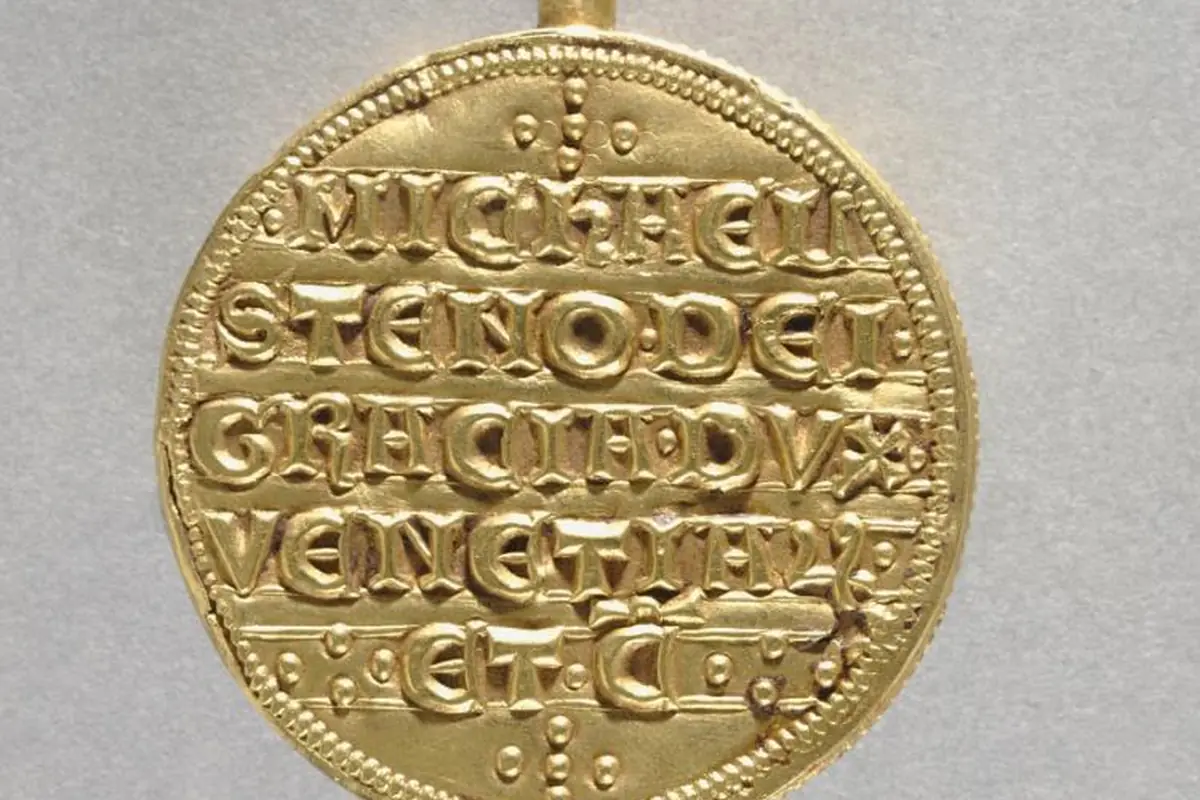
- Seal of Doge Michele Steno (reverse) (1400–1409) — Cleveland Museum of Art, CC0 1.0
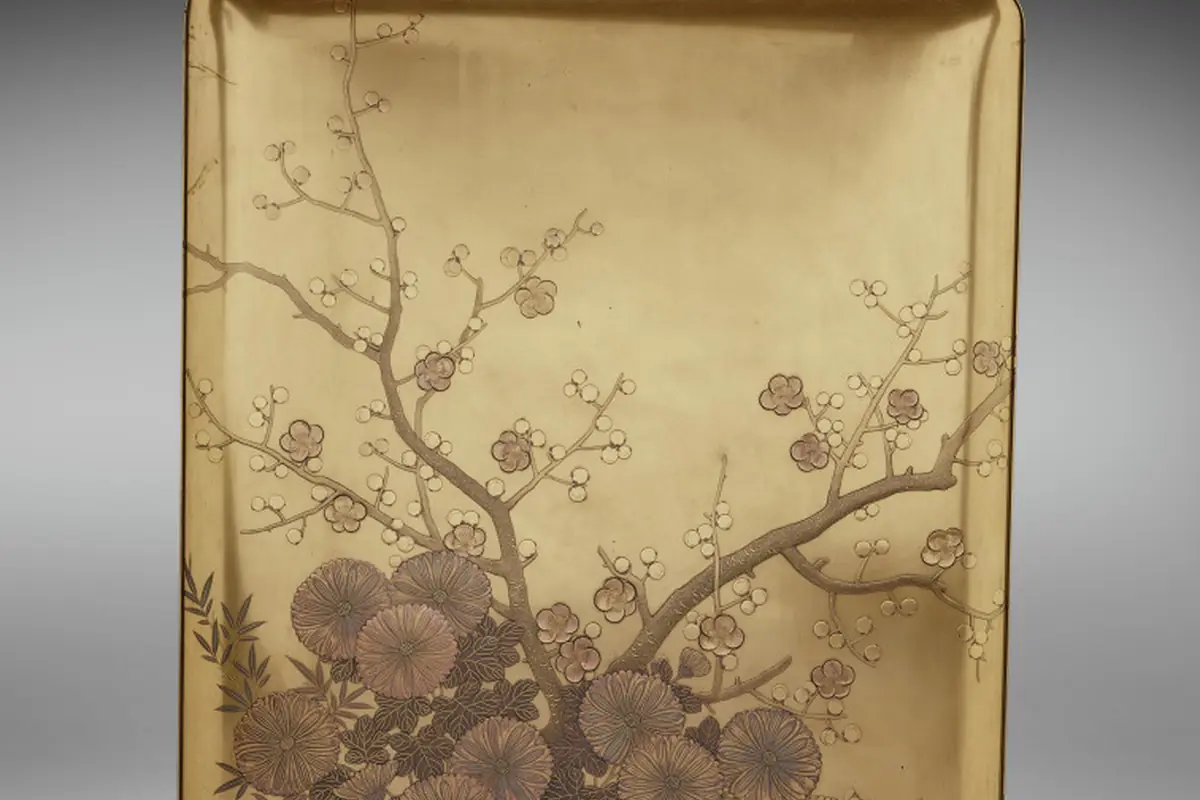
- Document Box (Ryōshibako) with Chrysanthemum and Plum (lid) (late 1800s-early 1900s) — Cleveland Museum of Art, CC0 1.0
- Portrait Head of a Noble or Official (175–200 CE) — Cleveland Museum of Art, CC0 1.0
- Teapot with Landscape and Imperial Poem, Chen Hanwen (1762–95) — Cleveland Museum of Art, CC0 1.0
- The Doge's Palace, Venice, Richard Parkes Bonington (1826) — Cleveland Museum of Art, CC0 1.0
- Edge of the Woods Near L'Hermitage, Pontoise, Camille Pissarro (1879) — Cleveland Museum of Art, CC0 1.0
- Study for "Bathers at Asnières", Georges Seurat (c. 1883–84) — Cleveland Museum of Art, CC0 1.0
- Courtyard, Alhambra, Charles Clifford (1857–58) — Cleveland Museum of Art, CC0 1.0
- Seal with Two Qilin Playing (1849) — Cleveland Museum of Art, CC0 1.0
- Portrait of Jean-Baptiste Lemoyne the Younger, Elisabeth Louise Vigée-LeBrun (1774) — Cleveland Museum of Art, CC0 1.0