
 Cleveland Museum of Art · CC0 1.0
A token, not a title
The backed NFT is a unique digital token attached to a work's certification file. It facilitates access to the file and the tracking of transfers, without ever amounting to a title of ownership.
This page explains what it is used for in practice, how it is created, passed on and cancelled, and why OIMAP made it a deliberately limited tool.
The aim is to make the work's file portable: the token “follows” the work, like a digital access card to its identity.
The token in figures
What is a backed NFT?
An NFT (non-fungible token) is a unique digital record that cannot be duplicated identically. The OIMAP token contains an identifier, the OIMAP number of the work and a link to the certificate's fingerprint.
It is called “backed” because it only has meaning when attached to a paper certificate and to a registered physical work. Detached from these two elements, it proves nothing.
What the token contains
| Element | Content |
|---|---|
| Identifier | Unique number of the token |
| OIMAP number | OIMAP-YYYY-NNNNNN of the work |
| Fingerprint | Fingerprint of the backed certificate |
| Date of issue | Time stamp of the entry |
| Access link | Address of the digital file, protected |
Not a title of ownership
Life cycle of a token
- Request
The owner requests issuance at the same time as a digital certification.
- Issuance
The token is created and delivered to the wallet indicated.
- Transfer
It can be transferred with the work, after declaration in the Registry.
- Update
Every event in the work's life (exhibition, restoration) is added to the file.
- Cancellation
The token is cancelled in the event of loss, theft or separation from the work.
Backed token or speculative token
OIMAP backed token
Traceability tool- One token per physical work
- Linked to a paper certificate
- Cancellable by OIMAP
A tool in the service of the file.
Speculative NFT
Digital collectible- Detached from any physical work
- No authenticity check
- Purely market value
No connection with OIMAP.
Key dates
- Pilot
Three auction houses test a traceability token.
- Launch
Issuance of the first backed tokens.
- Cancellability
Cancellation rule in case of separation.
- Integration
Token integrated into the work passport.
Case study: a work on loan
A loan to a foreign museum
A collector lends a sculpture to a museum in Geneva for two years.
- The loan is recorded in the digital file.
- The token stays with the owner; the event is added to the file.
- At the end of the loan, the return is time-stamped.
The full history remains verifiable by the museum, the insurer and the owner.
Before requesting a token
On the scope of the token
« A token without a work is a receipt without a purchase. »
Vocabulary of the token
- Wallet
- Application that holds the access keys to a token.
- Fungible
- Interchangeable with another identical object; an NFT is not.
- Backed
- Attached to a real object or document.
- Cancellation
- Deactivation of a token by OIMAP.
Frequently asked questions
Can I sell the token separately?
No: a token separated from the work is cancelled.
Is the token expensive?
Issuance is included in digital certification, i.e. an indicative €220 excl. VAT.
What happens if my wallet is hacked?
The owner reports the theft; the token is cancelled and reissued after a check.
Is the token recognised by customs?
Not as such; it is the certificates and licences that are enforceable.
Contacts
Related pages
 BlockchainHow a certificate's fingerprint is calculated, recorded on a distributed ledger operated by OIMAP and then anchored and time-stamped on a public blockchain.›
 Title of ownershipOfficial recognition of ownership of a work by OIMAP, enforceable against third parties in Member States once published in the Registry.›
 Work passportThe unique digital identity of a work: content, use, updating and consultation of the OIMAP work passport.›
Discover the technology
Image credits (16)
- Mirror with Concentric Circles, an Immortal, and Auspicious Animals (25–100 CE) — Cleveland Museum of Art, CC0 1.0
- Carved Lacquer Scroll Box (1736–95) — Cleveland Museum of Art, CC0 1.0
- Lampas with foliate medallions in ogival lattice (1400s) — Cleveland Museum of Art, CC0 1.0
- Turtleback Reading Lamp, Tiffany Glass & Decorating Company (c. 1895–1902) — Cleveland Museum of Art, CC0 1.0
- Arion on a Sea Horse and Bacchante on a Panther (pair), William Adolphe Bouguereau (1855) — Cleveland Museum of Art, CC0 1.0
- Seal with Two Qilin Playing (1849) — Cleveland Museum of Art, CC0 1.0
- TLV Mirror with Multiple Nipples (9–23 CE) — Cleveland Museum of Art, CC0 1.0
- Jar with Stamped Decoration (1400s) — Cleveland Museum of Art, CC0 1.0
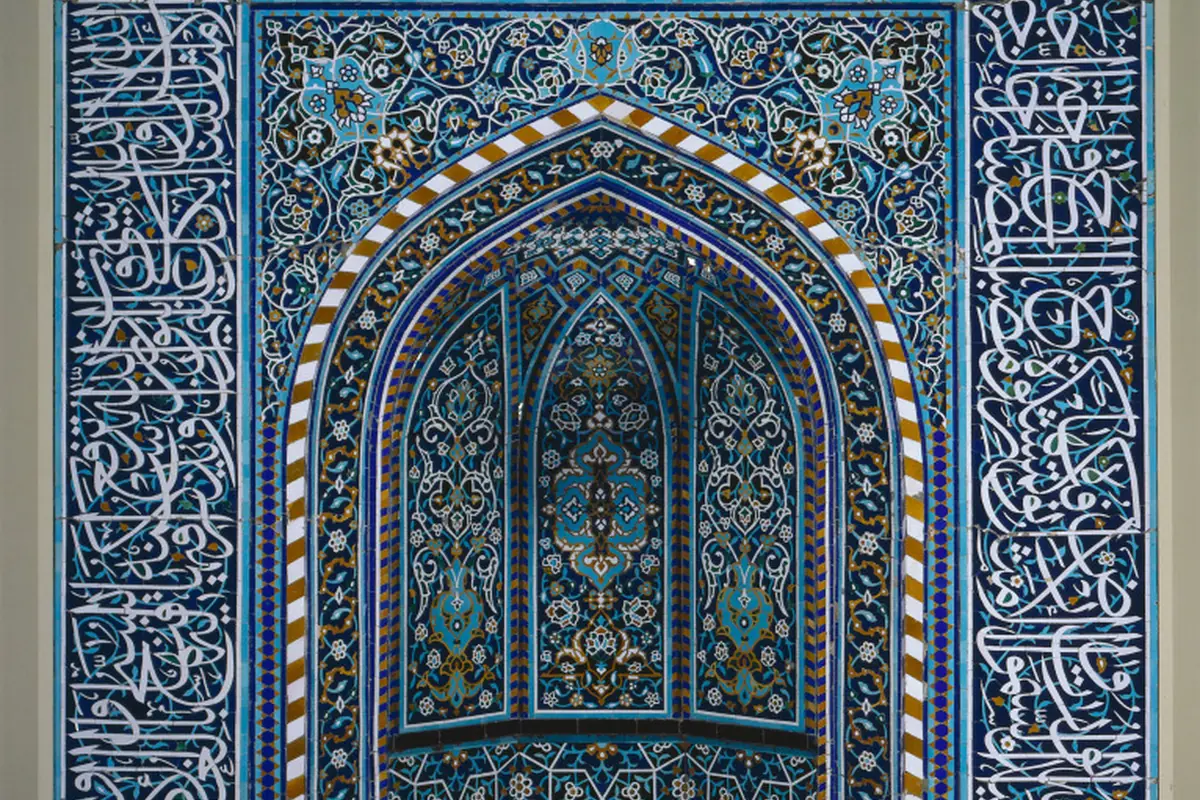
- Prayer Niche (Mihrab) (c. 1500s or mid-1900s) — Cleveland Museum of Art, CC0 1.0
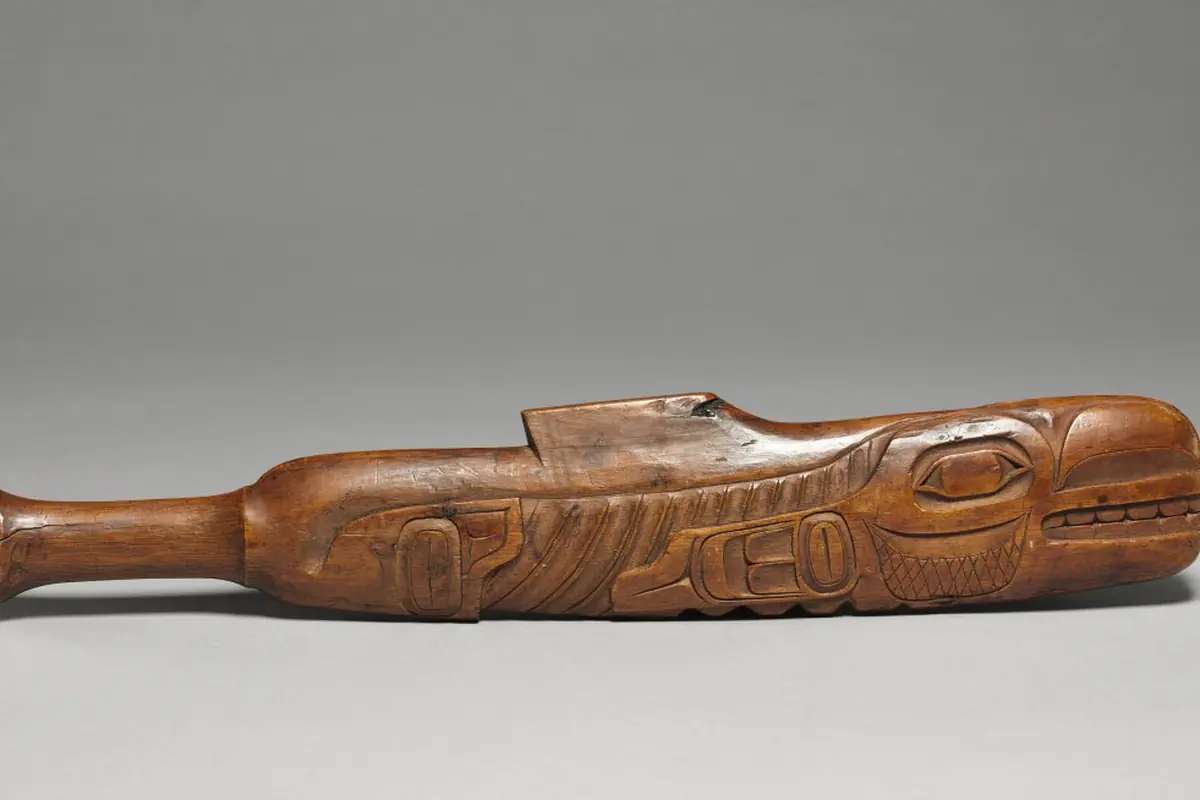
- Fish or Seal Club (X’ús’) (late 1800s–early 1900s) — Cleveland Museum of Art, CC0 1.0
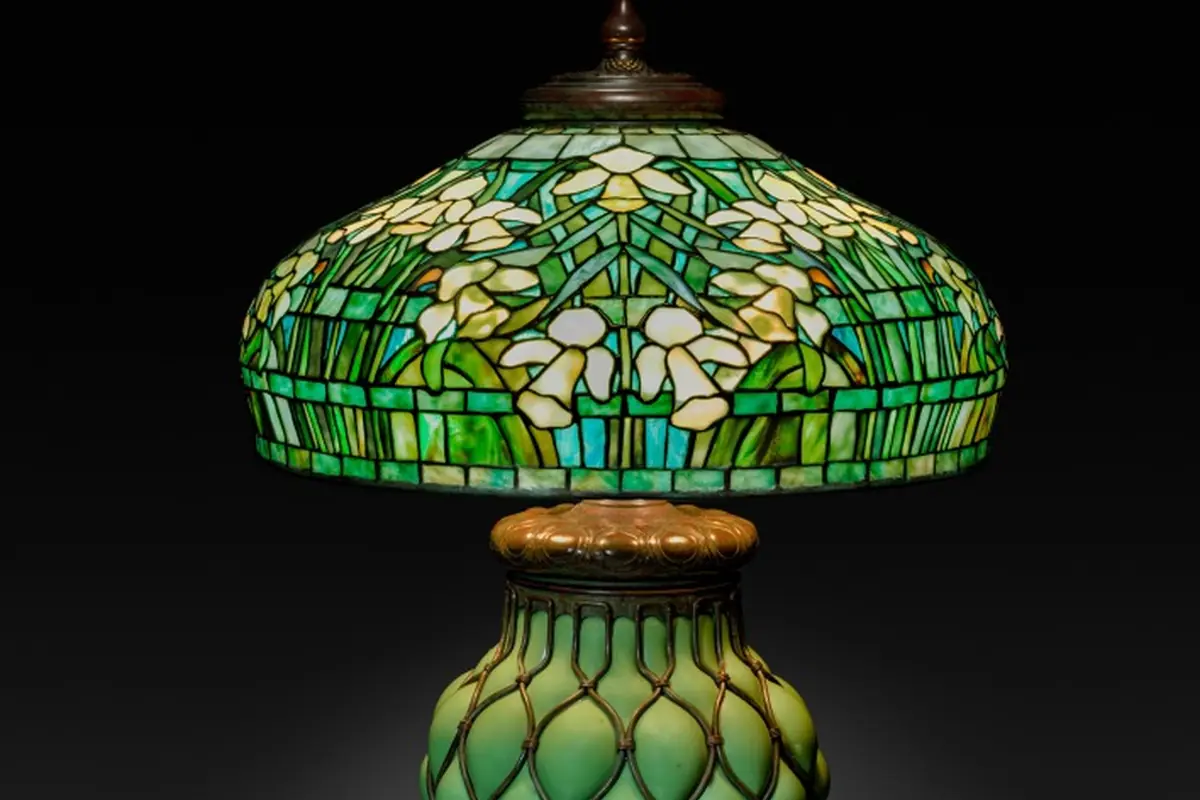
- Daffodil Table Lamp, Tiffany Studios (c. 1910–13) — Cleveland Museum of Art, CC0 1.0
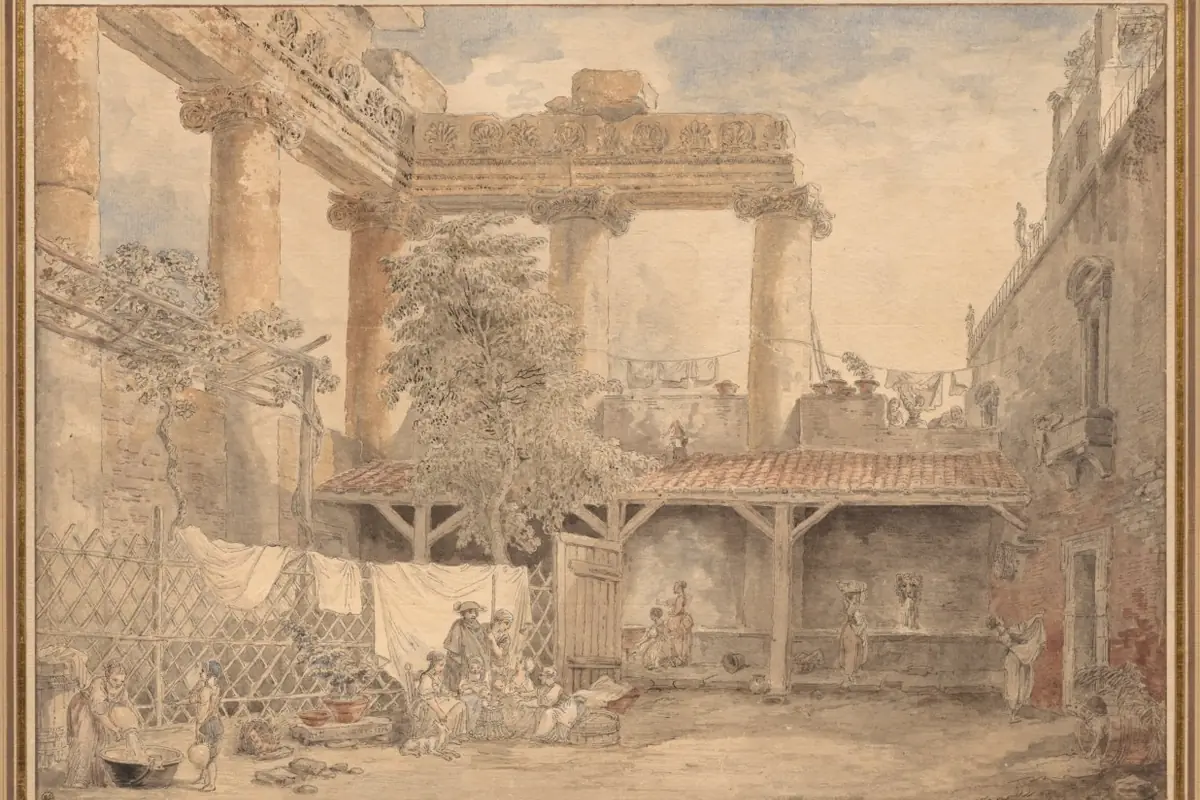
- Roman Ruins, Villa Pamfili, Hubert Robert (1774) — Cleveland Museum of Art, CC0 1.0
- Historiated Initial (O) Excised from an Antiphonary: The Donor, Gorus Fucci, Kneels before Christ (c. 1300–1350) — Cleveland Museum of Art, CC0 1.0
- The Calumny of Apelles, Giorgio Ghisi (1560) — Cleveland Museum of Art, CC0 1.0
- Seal of Doge Michele Steno (reverse) (1400–1409) — Cleveland Museum of Art, CC0 1.0
- Annunciation to the Shepherds: Leaf from a Book of Hours (1 of 6 Excised Leaves), Henri d'Orquevaulx (c. 1420–30) — Cleveland Museum of Art, CC0 1.0