
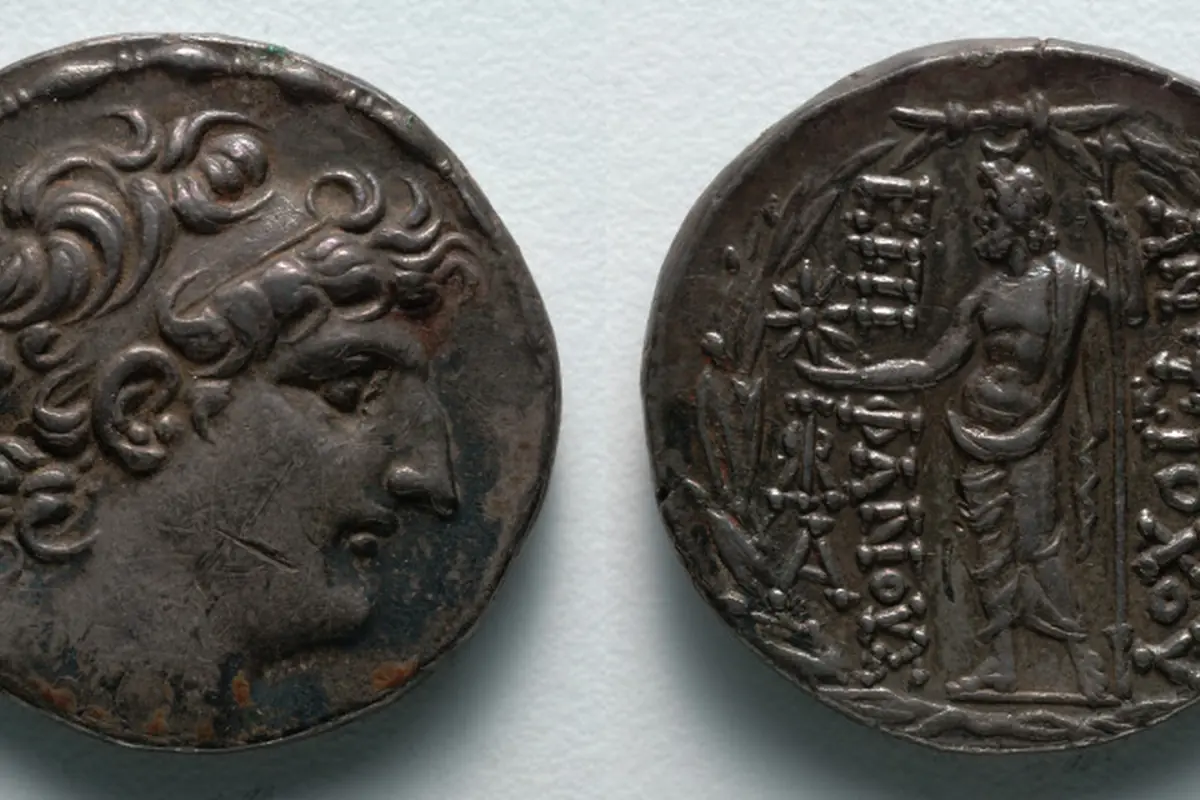
 Cleveland Museum of Art · CC0 1.0
Results you can see
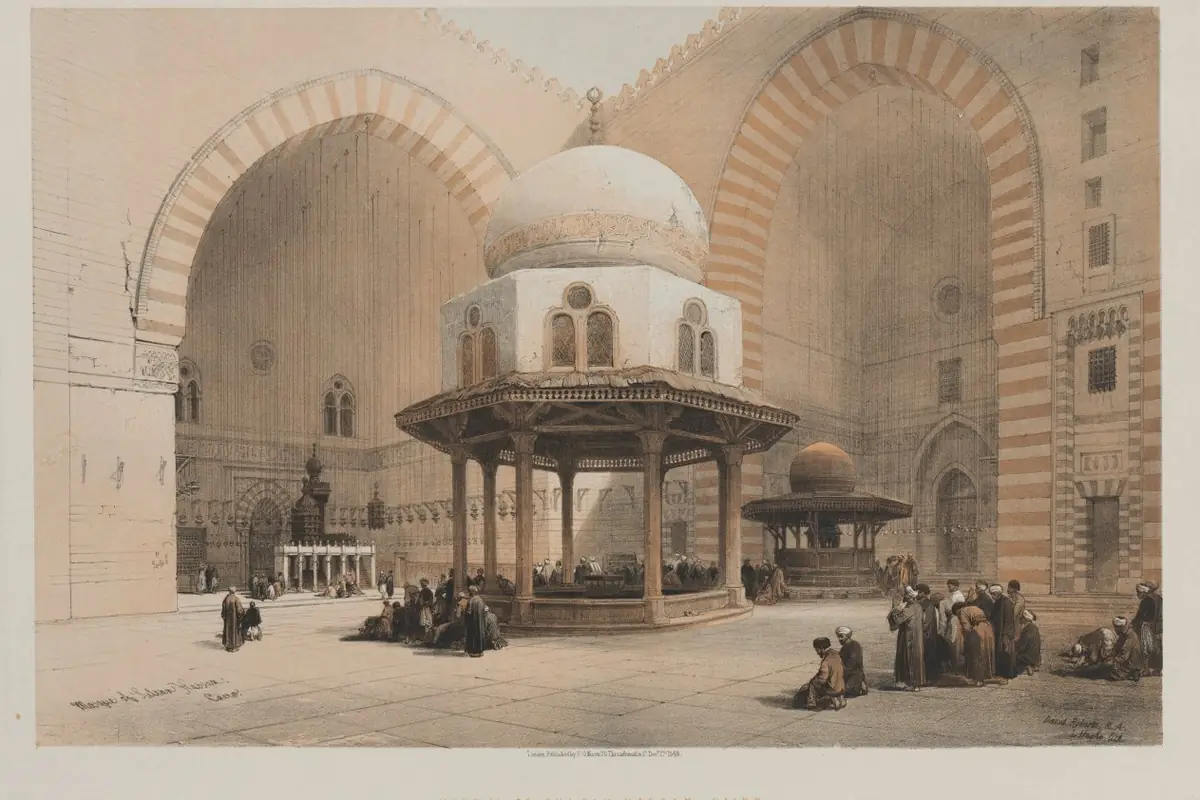
Since 2012, the Protection Fund has supported seventy-four projects in forty States. Each project is monitored, evaluated and published. This page presents their diversity and the lessons learned, with a few detailed examples.
Projects fall into five categories: sites and collections, training, emergency, restitutions, awareness-raising. The average duration is eighteen months, for average funding of 92,000 euros.
The results are encouraging: nearly nine projects out of ten achieve their main objectives.
Projects financed in figures
Source: OIMAP Heritage Protection Department.
Examples of projects
In a West African State, twenty-four local guards were recruited and trained to protect a group of necropolises. In three years, looting there fell by sixty per cent. The project also created a crafts cooperative inspired by the site's motifs, which generates income for the village.
In a Latin American State, a digital inventory of eighty thousand objects from thirty regional museums was completed. This inventory made it possible to identify and recover forty-three stolen pieces within a few years.
Training and emergency
In South-East Asia, a training programme enabled one hundred and twenty customs and police officers to recognise archaeological objects. Seizures rose by thirty per cent in the ports concerned and several objects were returned.
After a conflict, the emergency fund financed the moving to safety and digitisation of a national library's collection. The books were protected, copied and, in some cases, restored. The library reopened eighteen months later.
What we learn
The most successful projects have three things in common: involvement of communities from the design stage, funding over several years rather than one-off aid, and a solid local partner. Conversely, projects that fail often lack continuity or political support.
Evaluation, carried out three years after the end of each project, makes it possible to verify sustainability. The lessons are shared with future project leaders and built into the selection criteria.
Follow-up by donors
Donors receive a newsletter once a year presenting the projects, their results and the use of funds. They can also visit certain projects, in conditions of safety and respect for communities. These visits encourage direct dialogue with beneficiaries.
A group of volunteer donors takes part in the evaluation committee and makes recommendations. Involving donors in governance strengthens transparency and buy-in.
Projects by region
| Region | Projects | Main themes |
|---|---|---|
| Africa | 24 | Sites, training |
| Asia-Pacific | 18 | Sites, customs |
| Latin America | 14 | Inventories, restitutions |
| Middle East | 12 | Emergency, conflict |
| Europe | 6 | Restitutions, education |
Landmarks
- First projects
Five projects.
- 20 projects
Extension.
- Systematic evaluation
After three years.
- 74 projects
Cumulative total.
A project is never finished
Small project or large project
Small
Under €50,000- Quick
- Local
- One-off effect
To get started.
Large
Over €150,000- Several years
- Structuring effect
- Requires solid governance
To transform.
Setting up a project
- Identify
Define the need.
- Design
Write the project.
- Submit
Submit to the Fund.
- Carry out
Implement.
- Assess
Draw the lessons.
Elements of a good project
A project leader
« The Fund did not just give us money. It gave us method, and a network to support us. »
Vocabulary of projects
- Project leader
- Person or body that conducts a project.
- Continuation plan
- Plan for continuing after funding.
- Impact evaluation
- Measurement of a project's effects.
- Governance
- The way a project is run.
Frequently asked questions
How do I submit a project?
On the Desk, twice a year.
What is the maximum amount?
€300,000 per project.
Who selects?
A committee of independent experts.
Where can I see the reports?
See Financial report.
Useful documents
Contacts
Related pages
 Protection Fund6.8 million euros a year to protect heritage: projects financed, donors, transparency and how to support OIMAP.›
 Support OIMAPMaking a donation, becoming a sponsor, leaving a legacy or getting involved: all the ways to contribute to protecting heritage.›
 Good practices for protecting sitesManagement, guarding, documentation, community and showcasing: the measures that durably protect an archaeological site.›
See the financial report
Image credits (16)
- Tetradrachm: Head of Antiochos VIII (obverse); Zeus Ouranios (reverse) (112–110 BCE) — Cleveland Museum of Art, CC0 1.0
- Egypt & Nubia, Volume III, No. 8: Mosque of Sultan Hassan, Cairo, Louis Haghe (1842–49) — Cleveland Museum of Art, CC0 1.0
- Stater: BODVOC on plain field (obverse); Horse, Wheel, and Crescent (reverse) (10 BCE–20 CE) — Cleveland Museum of Art, CC0 1.0
- Ring with Hippocampus (100–200 CE) — Cleveland Museum of Art, CC0 1.0
- Guinea: Anne (obverse); Shields and rose (reverse) (1703) — Cleveland Museum of Art, CC0 1.0
- Temple at Naveshera, Kashmir, India, Samuel Bourne (1864) — Cleveland Museum of Art, CC0 1.0
- Solidus with Busts of Constans II and Constantine IV (obverse) (659–661) — Cleveland Museum of Art, CC0 1.0
- Necklace (100s BCE) — Cleveland Museum of Art, CC0 1.0
- Solidus of Justinian I (reverse) (545–565) — Cleveland Museum of Art, CC0 1.0
- Pastoral Landscape with Ruins and a Ford, Gerhardt Janssen (1722) — Cleveland Museum of Art, CC0 1.0
- American Red Cross War Council Medal (reverse), Daniel Chester French (1920) — Cleveland Museum of Art, CC0 1.0
- Temple of Ramesses II, Abu Simbel, Antonio Beato (c. 1860s) — Cleveland Museum of Art, CC0 1.0
- American Red Cross War Council Medal (obverse), Daniel Chester French (1920) — Cleveland Museum of Art, CC0 1.0
- Aureus: Bust of Claudius I (obverse); Triumphal Arch with Equestrian Statue and Trophies (reverse) (47–48 CE) — Cleveland Museum of Art, CC0 1.0
- Châteauvieux-sur-Suran, Antoine-Claude Ponthus-Cinier (1848) — Cleveland Museum of Art, CC0 1.0
- Bracelet (1700s) — Cleveland Museum of Art, CC0 1.0