
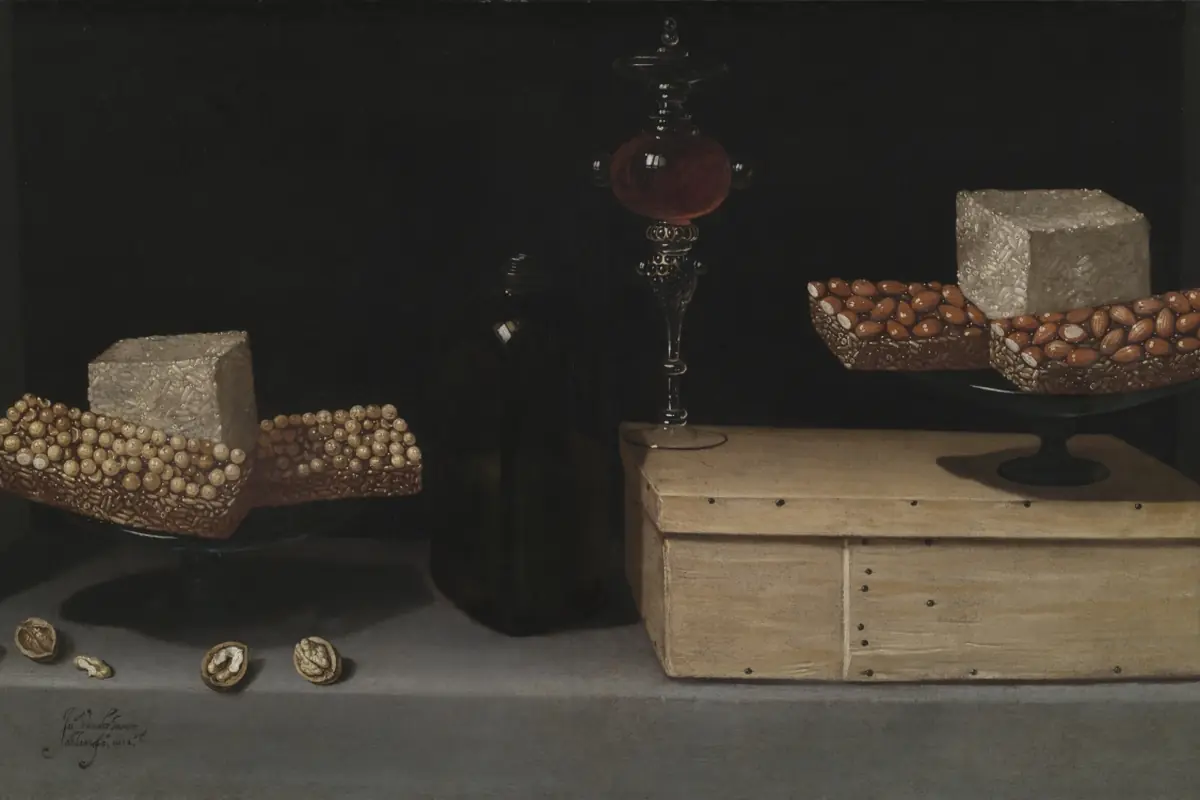
 Cleveland Museum of Art · CC0 1.0
The segment of the big names
Modern painting, from 1860 to 1945, accounts for €9.3 billion in 2024: it is the largest share of the painting segment. The median price is €12,700 and the index rises by 5.4%.
It covers late impressionism, post-impressionism, fauvism, cubism, expressionism, abstraction and surrealism. Its artists are among the most famous on the world market.
This fame has a downside: modern painting is the segment most exposed to fakes.
Modern painting in figures
Source: OIMAP Observatory.
Why fakes are numerous there
The value of signatures, the relative ease of imitating certain styles and the multiplicity of works on paper create fertile ground for fakes. Artists produced dozens of variants of the same subject, which makes distinction difficult.
Experts rely on catalogues raisonnés, the artist's archives, pigment analysis, which makes it possible to identify anachronisms, and study of the support and the frame. A pigment invented after the artist's death is enough to disqualify a work.
Artist committees and catalogues
For modern painting, the opinion of the artist's committee, often made up of rights holders, is an important element. These committees sometimes hold positions that diverge from those of independent experts, which can create deadlocks.
In that case, OIMAP's opinion is reasoned in writing, with the evidence that supports it. It can be set against the committee's before the Arbitral Tribunal. This procedure has been used in twelve cases since 2019.
Provenance and studios
A modern painting whose provenance goes back to the artist's studio, a famous gallery or a major collector benefits from a premium. Gallery archives, account books, studio photographs and correspondence are valuable sources.
OIMAP digitises gallery archives and makes them available to accredited experts. This documentary base has made it possible to dispel doubt in 340 cases since 2020.
The movements of modernity
| Movement | Period | Median price | 2024 change |
|---|---|---|---|
| Post-impressionism | 1880–1910 | €18,900 | +4.7% |
| Fauvism and expressionism | 1900–1930 | €14,200 | +5.6% |
| Cubism and abstraction | 1907–1945 | €16,300 | +6.2% |
| Surrealism | 1924–1945 | €11,700 | +6.8% |
Landmarks
- Fauvism
Scandal of the Salon d'Automne.
- Cubism
Birth of the movement.
- Global market
Rise of public sales.
- €9.3bn
Up 5.4%.
A pigment that gives the game away
Unique work or work in a series
Unique work
Oil painting- High price
- Authenticity to prove
- Provenance decisive
Collectors' market.
Work on paper
Gouache, drawing, watercolour- More affordable price
- Frequent fakes
- Delicate conservation
Entry-level market.
Securing the purchase of a modern work
- Check
Consult BIOP, committee and catalogue.
- Analyse
Pigments, support, frame.
- Document
Provenance since the studio.
- Certify
OIMAP certificate of authenticity.
- Register
Work passport.
Precautions to take
A modern painting expert
« When a work that looks too good suddenly appears with no history, you must always ask where it comes from. »
Vocabulary
- Fauvism
- Movement of pure colour.
- Cubism
- Movement of the decomposition of forms.
- Surrealism
- Movement linked to the unconscious and to dreams.
- Titanium white
- White pigment that appeared in the 20th century.
Frequently asked questions
Are fakes frequent?
About 7% of modern paintings submitted for expert examination in 2024 were refused.
What should be done if the artist's committee refuses?
An arbitration procedure is possible: see arbitration.
Is a work on paper safer?
No, it is on the contrary more forged.
Where can I report a fake?
See report a fake.
Useful documents
Contacts
Related pages
 PaintingThe painting market: old masters, the 19th century and the modern period, with their prices, players and precautions.›
 Contemporary artThe contemporary art market: emerging artists, galleries and fairs, a dynamic and volatile segment.›
 Report a fakeWhat to do with a forged certificate or a doubtful work: the reflexes, the report form and the handling of alerts.›
Discover contemporary art
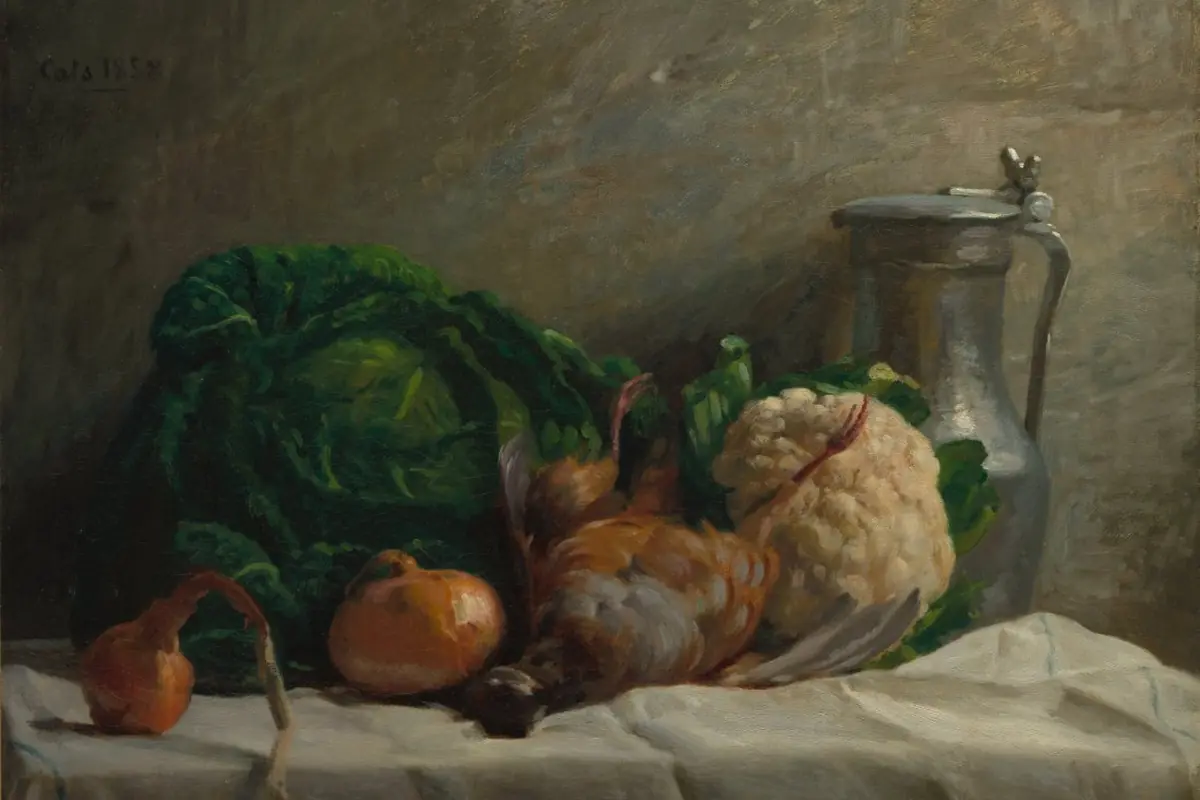
Image credits (16)
- Still Life with Sweets, Juan van der Hamen y Léon (1622) — Cleveland Museum of Art, CC0 1.0
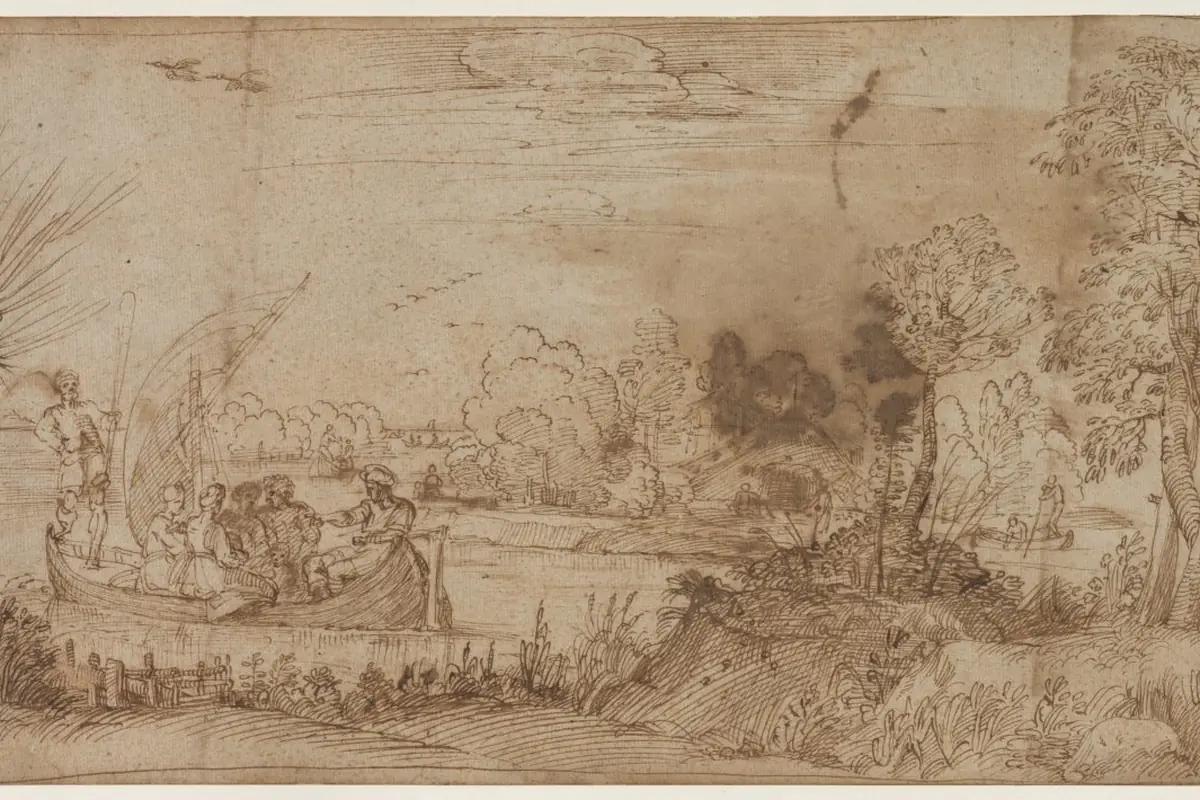
- River Landscape with Boats, Annibale Carracci (c. 1590) — Cleveland Museum of Art, CC0 1.0
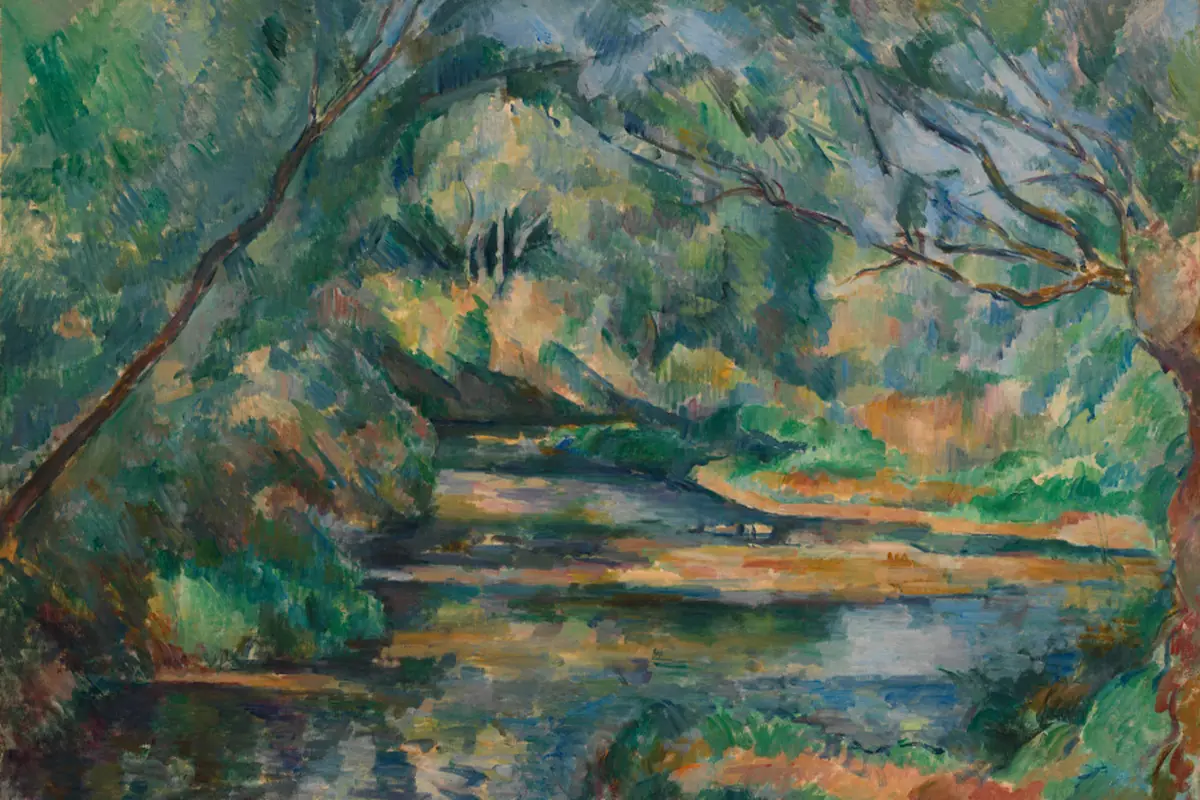
- The Brook, Paul Cezanne (c. 1895–1900) — Cleveland Museum of Art, CC0 1.0
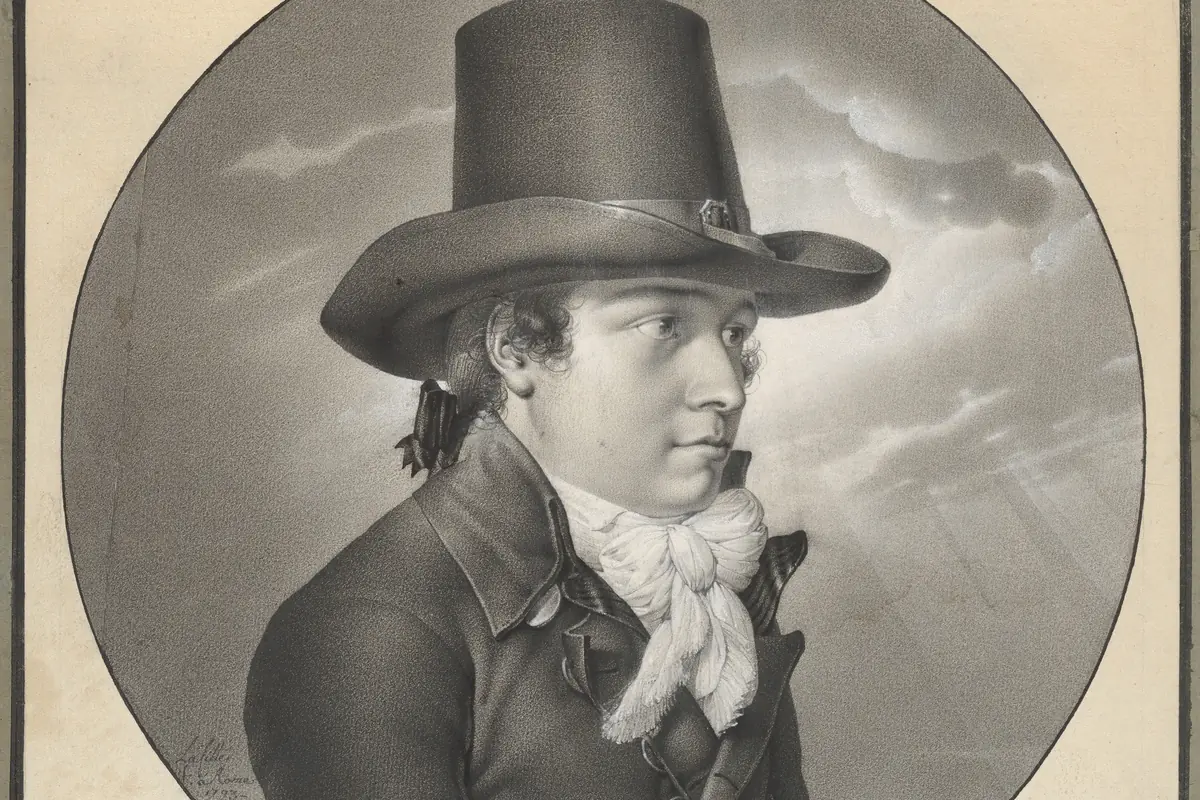
- Portrait of a Man, Louis Lafitte (1793) — The Metropolitan Museum of Art, CC0 1.0
- The Departure of Saints Paula and Eustochium for the Holy Land, Giuseppe Bottani — The Metropolitan Museum of Art, CC0 1.0
- Still Life with Peaches, Auguste Renoir (1881) — The Metropolitan Museum of Art, CC0 1.0
- Portrait of Isabella Brant, Peter Paul Rubens (c. 1620–25) — Cleveland Museum of Art, CC0 1.0
- Alpine Landscape: The Handegg, Switzerland, Jean-Léon Gérôme (1850s) — Cleveland Museum of Art, CC0 1.0
- Adoration of the Shepherds, Bernardo Cavallino (c. 1650) — Cleveland Museum of Art, CC0 1.0
- Portrait of a Woman, Corneille de Lyon (c. 1540) — Cleveland Museum of Art, CC0 1.0
- Sports on a Frozen River, Aert van der Neer (ca. 1660) — The Metropolitan Museum of Art, CC0 1.0
- The Old Market, Cleveland, Frank Wilcox (1920) — Cleveland Museum of Art, CC0 1.0
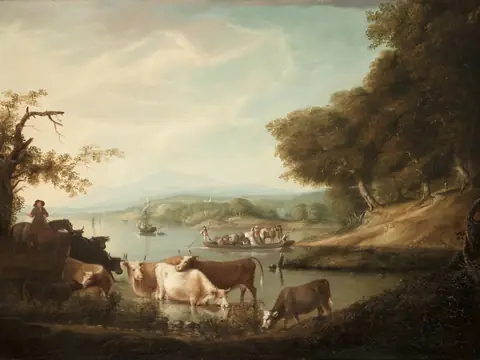
- A Calm Watering Place—Extensive and Boundless Scene with Cattle, Alvan Fisher (1816) — Cleveland Museum of Art, CC0 1.0
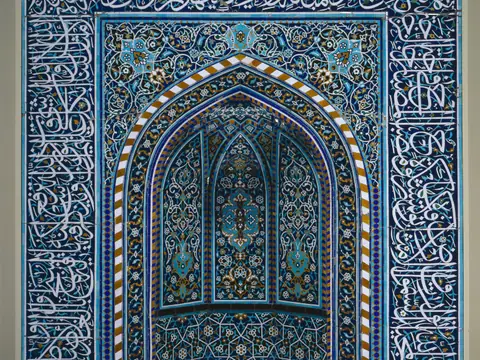
- Prayer Niche (Mihrab) (c. 1500s or mid-1900s) — Cleveland Museum of Art, CC0 1.0
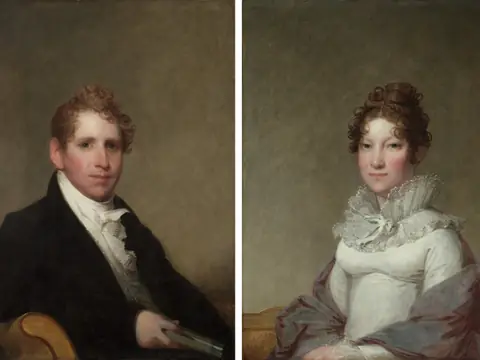
- Dr. James Stuart; Mary Campbell Stuart, Gilbert Stuart (c. 1815) — Cleveland Museum of Art, CC0 1.0
- Still Life with Vegetables, Partridge, and a Jug, Adolphe-Félix Cals (1858) — Cleveland Museum of Art, CC0 1.0