
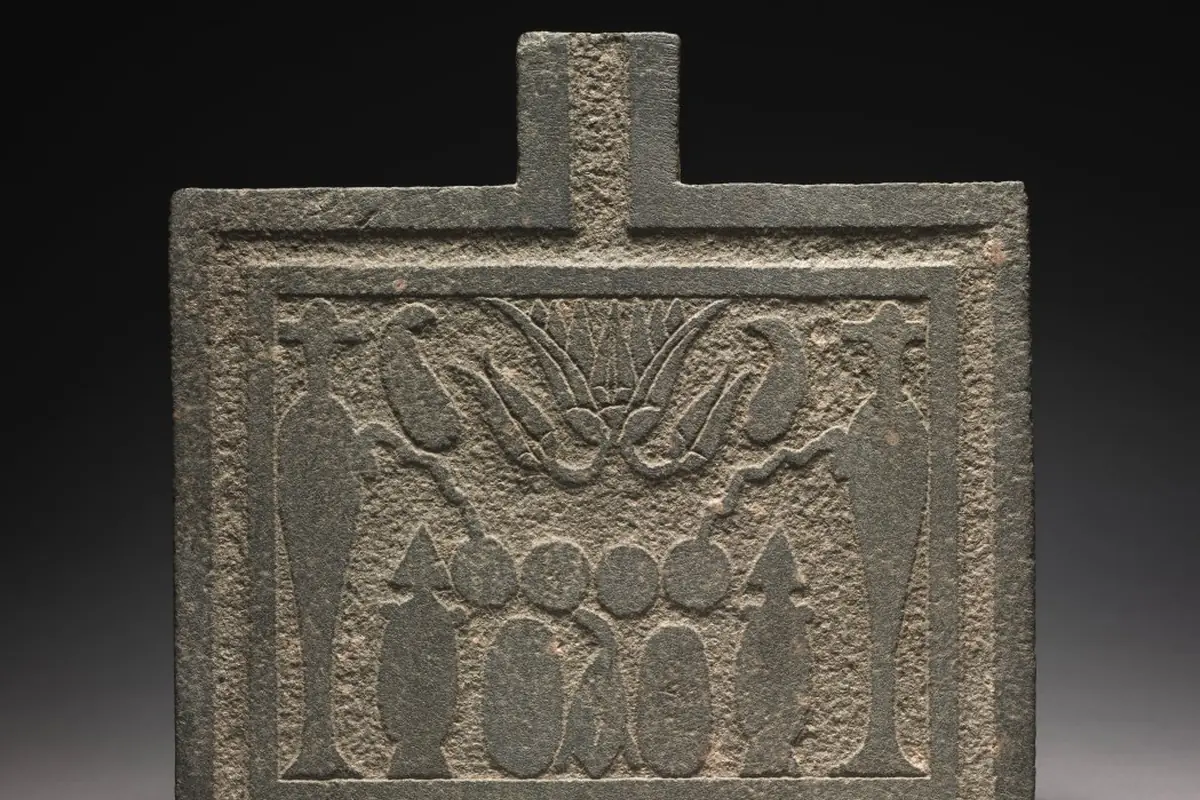
 Cleveland Museum of Art · CC0 1.0
A market that counts by number of lots
Furniture and other objects account for €12.2 billion in 2024, i.e. 18% of the market and 980,000 lots, more than any other segment. The median price, €2,300, remains modest.
This segment groups antique and modern furniture, glass, ceramics, silverware, rugs and objets d'art. It is dominated by specialists, often family-run, and by estate sales.
Its growth is the weakest in the market (+3.1%), but it remains the most accessible to new collectors.
Furniture in 2024
Source: OIMAP Observatory.
Why a segment in retreat
Antique furniture suffers from a change in taste: contemporary interiors leave less room for large classical pieces. Prices of "period-style" furniture have fallen, while signed pieces, pieces of form and 20th-century furniture hold up.
The segment is also more exposed to restorations and composite pieces. An "arranged" piece of furniture has often been reconstituted from elements of different origins, which alters its value. The conservation report is a particularly useful tool here.
Finally, objets d'art derive their value from rarity, quality of execution and condition. Silverware, subject to hallmarks, benefits from a documentary traceability that other objects lack.
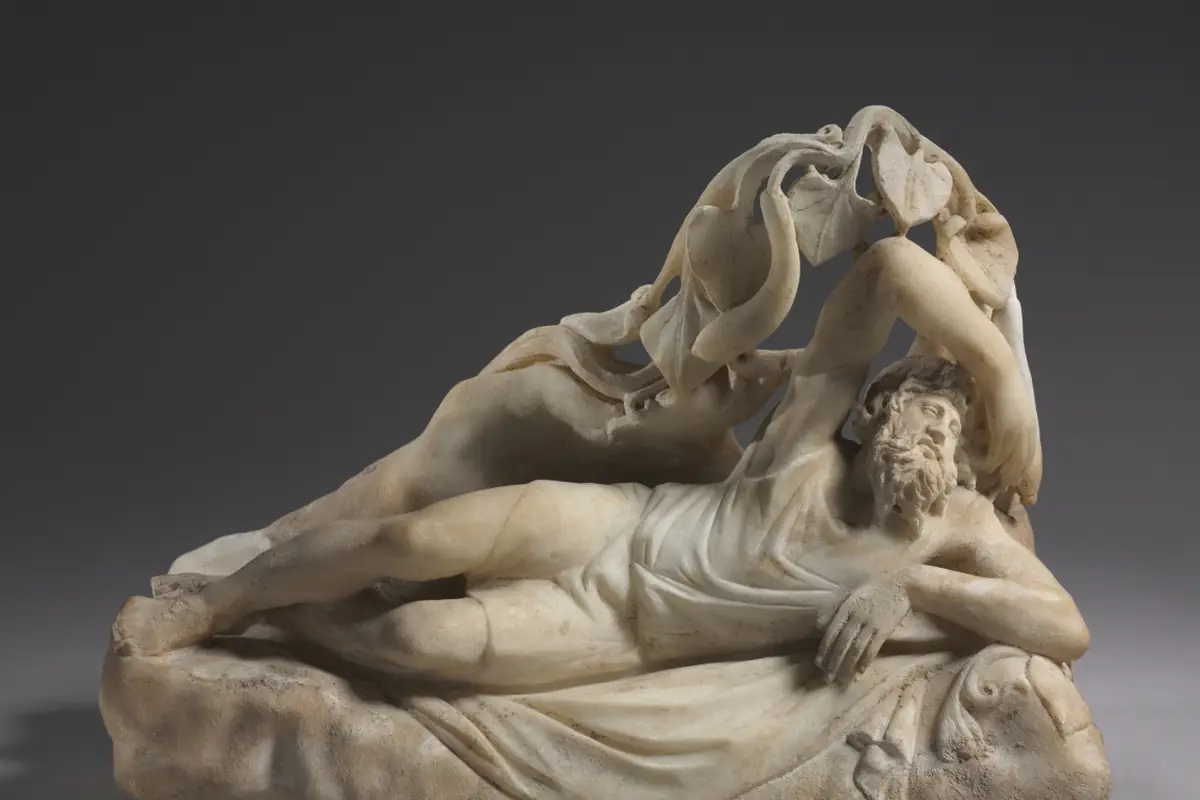
Reading the segment's prices
| Category | Median price | 2024 change |
|---|---|---|
| Antique furniture | €2,900 | +1.8% |
| Silverware | €1,900 | +4.2% |
| Glass and ceramics | €1,400 | +3.6% |
| Rugs and textiles | €2,100 | +2.9% |
| 20th-century furniture | €4,800 | +7.1% |
Landmarks of the segment
- 22% of the market
Weight still high.
- Taste for the 20th century
Rise in modern furniture.
- Online sales
A growing share of lots is sold online.
- 18% of the market
Stabilisation of weight.
"Period-style" furniture
Period furniture or period-style furniture
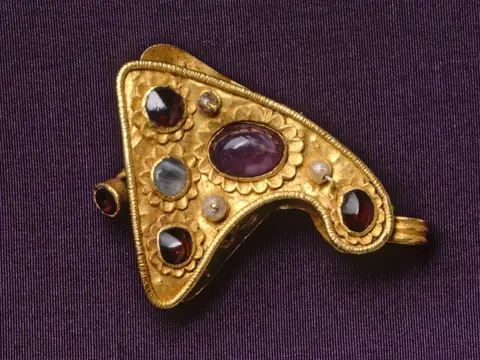
Period furniture
Made in the stated period- Stamp possible
- Heritage value
- Restorations to document
Collector's value.

Period-style furniture
Later imitation- Variable quality
- Decorative price
- No heritage value
Value in use.
Acquiring antique furniture
- Observe
Examine structure, wood, joints.
- Look for the signature
Look for stamp or hallmark.
- Document
Obtain invoice and provenance.
- Check the condition
Ask for a conservation report.
- Insure
Have it valued for insurance.
Signs of heavy restoration

An antiques dealer
« A piece of furniture never lies: you only have to turn the drawer over to see whether you have been told a story. »
Vocabulary of furniture
- Stamp
- Cabinetmaker's mark on a piece of furniture.
- Veneer
- Thin sheet of precious wood glued on.
- Marquetry
- Decoration in cut woods.
- Hallmark
- Control mark on silverware.
Buying smart in this segment
Furniture offers opportunities to those who know how to look. Period furniture of ordinary quality sells at prices below those of comparable new furniture, even though its manufacture is incomparably better. Informed buyers find durable pieces there, often undervalued.
The key is to inform yourself: read the description, ask for photographs of all sides, check restorations, find out about provenance. An auction house approved by OIMAP must be able to answer all these questions before the sale.
Frequently asked questions
Are objets d'art subject to a licence?
Sometimes: see the export licence.
Which report should I use?
Why does the segment grow so little?
Taste has shifted towards more minimalist interiors.
Where can I read more?
In the Decorative arts and furniture section.
Useful documents
Contacts

Related pages
 Breakdown by segmentHow the market's volume is split between painting, contemporary art, furniture, sculpture and tribal art.›
 Decorative arts and furnitureThe market for antique furniture, glass, ceramics and silverware: stamps, hallmarks, restorations and prices.›
 Antique furnitureThe antique furniture market: styles, cabinetmakers, stamps, restorations, prices and buying criteria.›
See the decorative arts
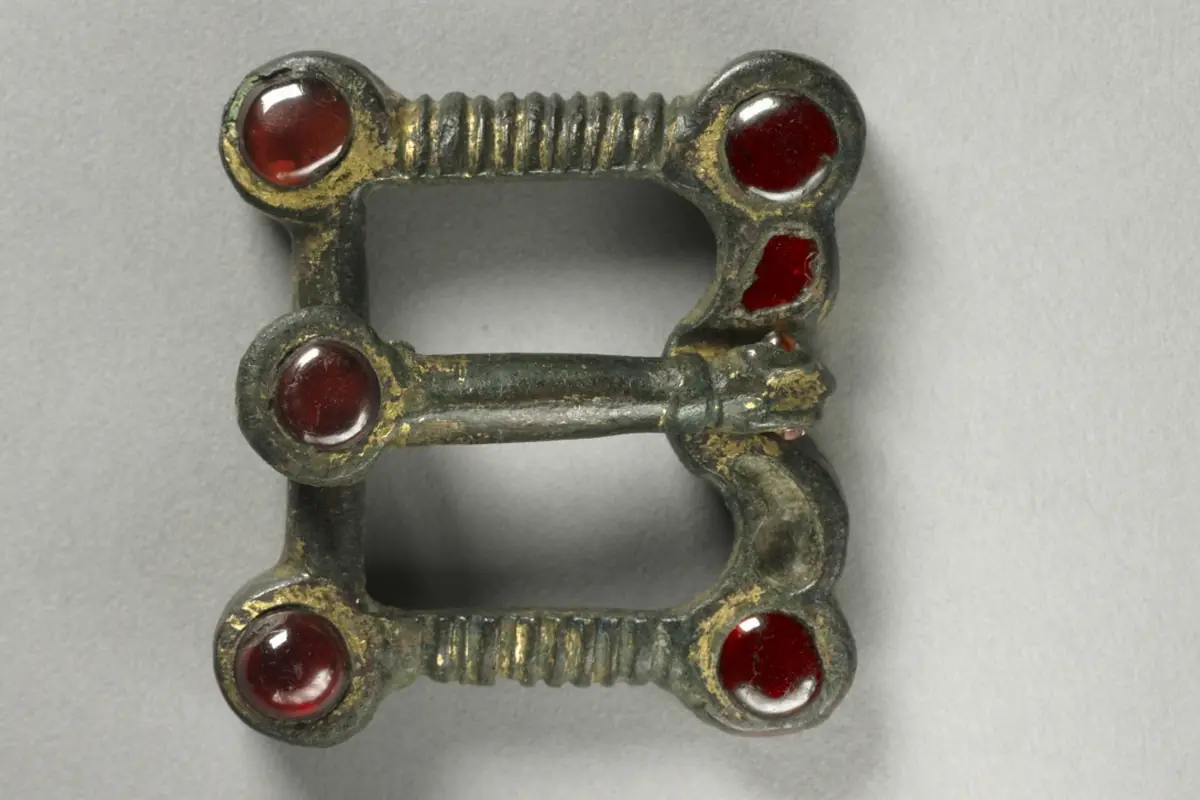
Image credits (16)
- Offering Table (305–30 BCE) — Cleveland Museum of Art, CC0 1.0
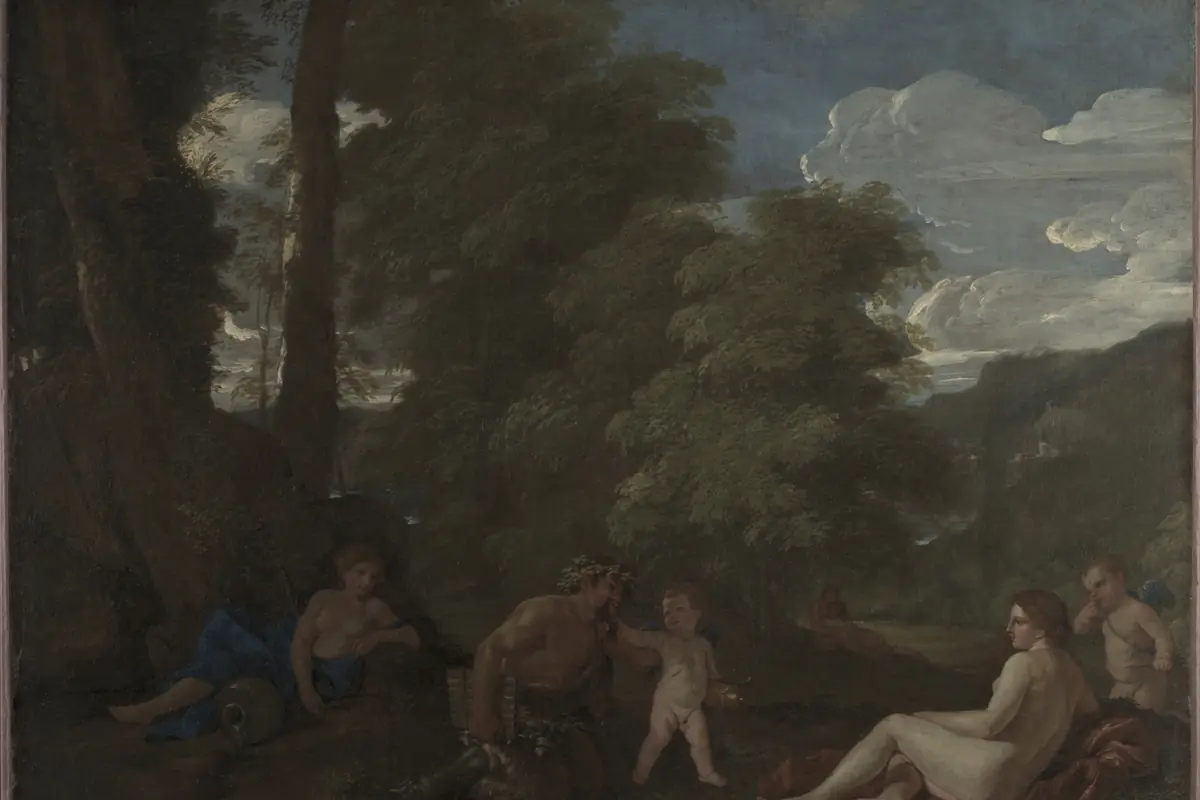
- Nymphs and a Satyr (Amor Vincit Omnia), Nicolas Poussin (c. 1625–27) — Cleveland Museum of Art, CC0 1.0
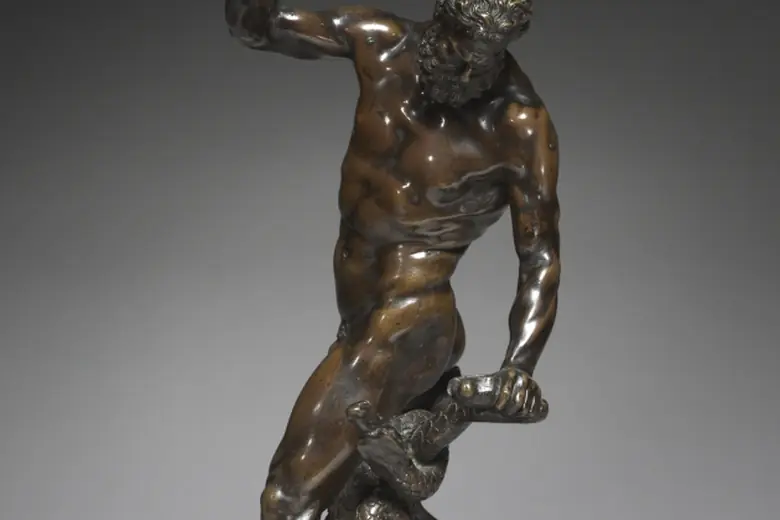
- Hercules and the Hydra (late 1500s-early 1600s) — Cleveland Museum of Art, CC0 1.0
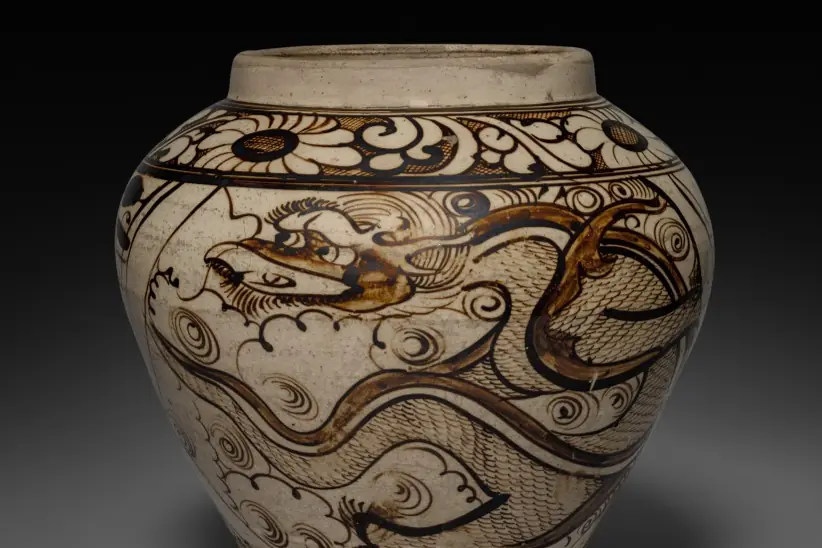
- Jar with Dragon (1271–1368) — Cleveland Museum of Art, CC0 1.0
- Jonah Under the Gourd Vine (280–90 CE) — Cleveland Museum of Art, CC0 1.0
- Clasp Set with Semiprecious Stones (324–26 CE) — Cleveland Museum of Art, CC0 1.0
- Marble head of a youth (117–161 CE) — The Metropolitan Museum of Art, CC0 1.0
- Marie-Yolande de Fitz-James, Henri Fantin-Latour (1867) — Cleveland Museum of Art, CC0 1.0
- Triad (early 900s) — Cleveland Museum of Art, CC0 1.0
- Plate with Putto, Masques, and Trophies (c. 1530–50) — Cleveland Museum of Art, CC0 1.0
- Head (1200s) — Cleveland Museum of Art, CC0 1.0
- Egypt and Nubia, Volume I: The Great Temple of Aboo-Simble, Nubia, Louis Haghe (1846) — Cleveland Museum of Art, CC0 1.0
- Christ in the Garden of Gethsemane, Hans Daucher (1500s) — Cleveland Museum of Art, CC0 1.0
- Month of May: Scene of May Day Festival, Gobelins Manufactory (1723–1774) — Cleveland Museum of Art, CC0 1.0
- Covered Box, Tiffany Glass & Decorating Company (c. 1898–1902) — Cleveland Museum of Art, CC0 1.0
- Buckle with Animal-Shaped Thorn and Belt Plate (400s CE) — Cleveland Museum of Art, CC0 1.0