
 Cleveland Museum of Art · CC0 1.0
Pages in this section
 Awareness campaignsOIMAP's major campaigns: themes, materials, audiences, results and evaluation method.›
 Educational resourcesTeaching kits, games, travelling exhibitions and training to learn about heritage and its protection, from school to museum.›
 Heritage DayAn annual event around 18 April: events in forty States, themes, how to take part and organise an event.›
Protecting starts with understanding
One protects only what one understands and loves. Awareness-raising aims to make heritage known, the threats to it and the actions that can defend it. It is aimed at buyers, residents of sensitive areas, young people and professionals.
Each year OIMAP runs several international campaigns, produces resources for schools and museums, and organises around 18 April a Heritage Day followed in some forty States.
The section presents the campaigns, the educational resources and Heritage Day.
Awareness-raising in figures
Source: OIMAP Heritage Protection Department.
Why raise awareness
Trafficking thrives on indifference. Many buyers do not know that an "old and cheap" object may come from looting. Many residents do not see the point of protecting a site that brings them nothing. Many young people know nothing of their heritage.
Awareness-raising responds to these findings through information, emotion and action. It provides keys to understanding, shows the consequences and proposes simple actions: ask for the provenance, report, visit, pass on.
Simple messages
OIMAP's campaigns rest on three messages. The first: "Ask where the work comes from." Provenance is the best protection against trafficking. The second: "An object taken out of its site loses its history." The third: "Heritage belongs to everyone." Everyone can help to preserve it.
These messages are adapted to audiences: spots for social media, posters in airports, teaching kits for schools, guides for collectors, appearances in the media.
Working with relays
Awareness-raising succeeds only with relays: teachers, guides, journalists, associations, museums, cultural influencers. OIMAP trains them, supplies them with content, showcases their initiatives and opens up a network of professionals to them.
Member States are also actors: they build protection messages into school curricula, guide training and tourism campaigns. National agreements frame these partnerships.
Culture as an ally
Awareness-raising aims not only to inform but to create attachment. Workshops, meetings with craftspeople, visits to restoration sites and village festivals around a site make heritage a living asset that people want to defend.
The most successful projects link protection with pride and local development. They produce a lasting effect: residents who become the guardians of their history.
Audiences and actions
| Audience | Main message | Actions |
|---|---|---|
| Buyers | Ask for the provenance | Guides, posters, media |
| Pupils | Heritage is yours | Teaching kits, visits |
| Local communities | Your site is your history | Workshops, jobs, festivals |
| Professionals | Check before acting | Training, tools |
Landmarks
- First campaign
Posters in airports.
- School kits
First tools.
- Heritage Day
Launch.
- 120,000 pupils
Annual record.
A message that works
National campaign or local action
National
General public- Wide reach
- Simple message
- Less targeted
To establish the idea.
Local
Community or school- Adapted to the context
- Direct involvement
- Limited reach
To change behaviour.
Launching an awareness action
- Target
Choose the audience.
- Choose
Define the message.
- Produce
Create the materials.
- Disseminate
Mobilise the relays.
- Assess
Measure the impact.
Actions to encourage
A teacher
« My pupils discovered that the museum's statuettes had been found thanks to people like them. Since then, they look at objects differently. »
Vocabulary of awareness-raising
- Awareness-raising
- Action aimed at making a subject known.
- Relay
- Person or body spreading a message.
- Teaching kit
- Set of resources for teaching.
- Impact
- Measurable effect of an action.
Frequently asked questions
Who can take part?
Any person, school or institution.
Are the resources free?
Yes.
In which languages?
French, English, Spanish.
Where can I see past campaigns?
See Campaigns.
Useful documents
Contacts
Related pages
 Awareness campaignsOIMAP's major campaigns: themes, materials, audiences, results and evaluation method.›
 Educational resourcesTeaching kits, games, travelling exhibitions and training to learn about heritage and its protection, from school to museum.›
 Heritage DayAn annual event around 18 April: events in forty States, themes, how to take part and organise an event.›
See the campaigns
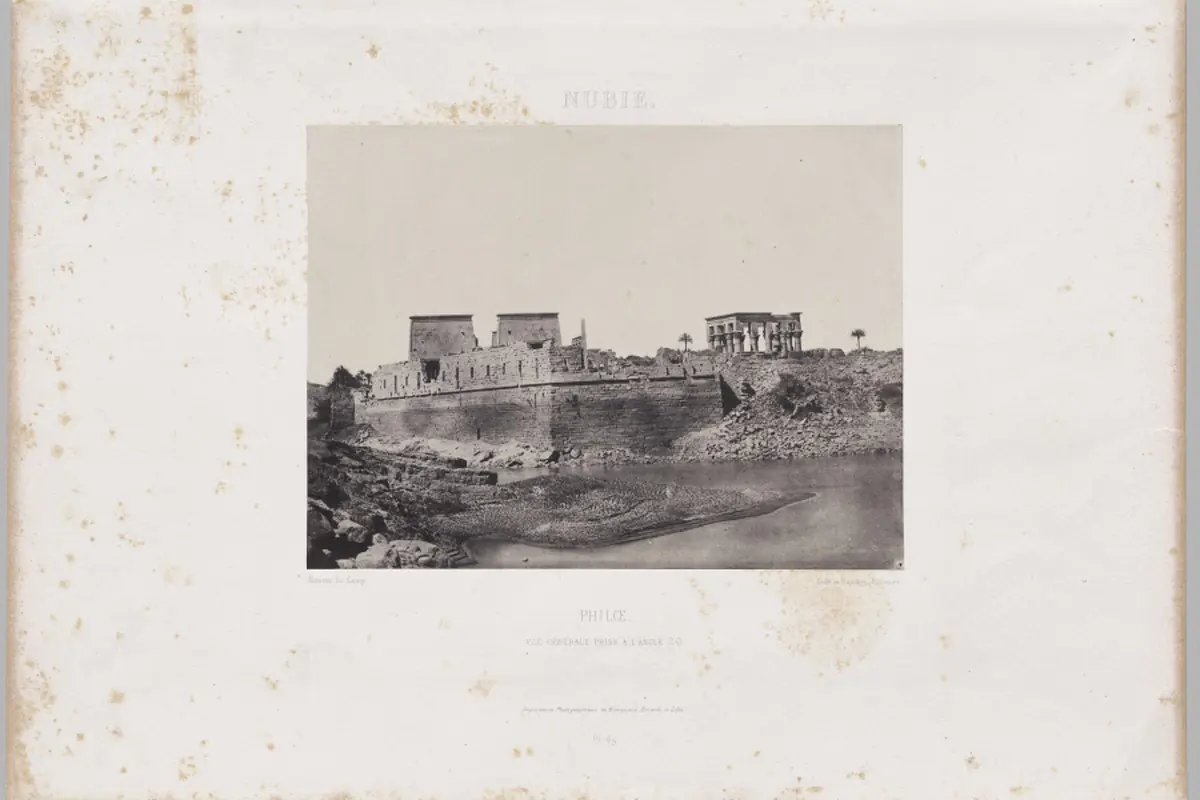
Image credits (19)
- St. Anthony Reading, Albrecht Dürer (1519) — Cleveland Museum of Art, CC0 1.0
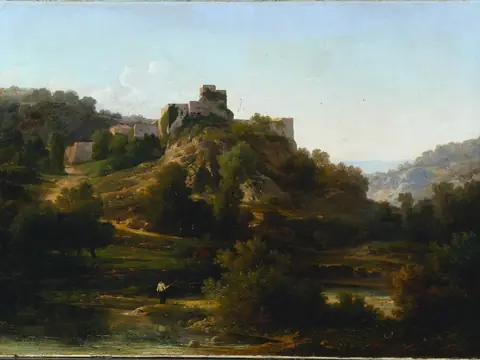
- Landscape with Castle and Shepherds, Achille Etna Michallon (1814) — Cleveland Museum of Art, CC0 1.0
- Woman Sitting Reading , Georges Lemmen (1905) — Cleveland Museum of Art, CC0 1.0
- Leaf from a Lectionary with St. Luke (1057–1063) — Cleveland Museum of Art, CC0 1.0
- Temple at Naveshera, Kashmir, India, Samuel Bourne (1864) — Cleveland Museum of Art, CC0 1.0
- High Class Students and Teachers at Bishop Cotton School, Shimla (verso), Raja Deen Dayal (c. 1882–87) — Cleveland Museum of Art, CC0 1.0
- Cabinet Plate, W. T. Copeland & Sons (1883) — Cleveland Museum of Art, CC0 1.0
- Egypt & Nubia, Volume III, No. 8: Mosque of Sultan Hassan, Cairo, Louis Haghe (1842–49) — Cleveland Museum of Art, CC0 1.0
- Bookplate: Boylston Medical Library, George Girdler Smith (1806–39) — Cleveland Museum of Art, CC0 1.0
- Bowl with Chrysanthemums, Seifū Yohei IV (1914–46) — Cleveland Museum of Art, CC0 1.0
- A Lady Reading, Francis Seymour Haden (1833–1910) — Cleveland Museum of Art, CC0 1.0
- India. Benares. Aurangzeb's Mosque, after a photo by Dr. Kurt Boeck, Photoglob Co. (c. 1890–1910) — Cleveland Museum of Art, CC0 1.0
- Winding Yarn (Interior of a Nantucket Kitchen), Eastman Johnson (1872) — Cleveland Museum of Art, CC0 1.0
- Pastoral Landscape with Ruins and a Ford, Gerhardt Janssen (1722) — Cleveland Museum of Art, CC0 1.0
- Eighteen Views of Rome: The Piazza Farnese (recto); Cartouche (verso), Lievin Cruyl (1664) — Cleveland Museum of Art, CC0 1.0
- Gathering among the Members of Office Censor-General (1700s) — Cleveland Museum of Art, CC0 1.0
- Châteauvieux-sur-Suran, Antoine-Claude Ponthus-Cinier (1848) — Cleveland Museum of Art, CC0 1.0
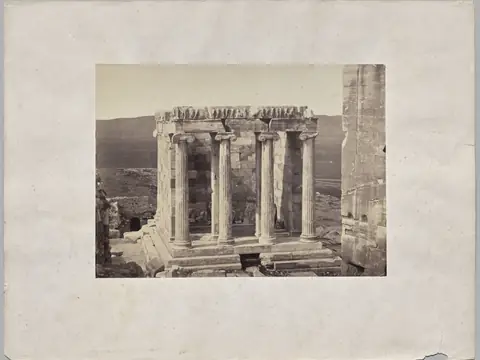
- Temple of Athene Nike. Venus Victrix—Wingless Victory, Dimitrios Constantin (c. 1850s–60s) — Cleveland Museum of Art, CC0 1.0
- Vue générale prise à l'angle sud-ouest, Philoe, Maxime Du Camp (1849–50) — Cleveland Museum of Art, CC0 1.0