
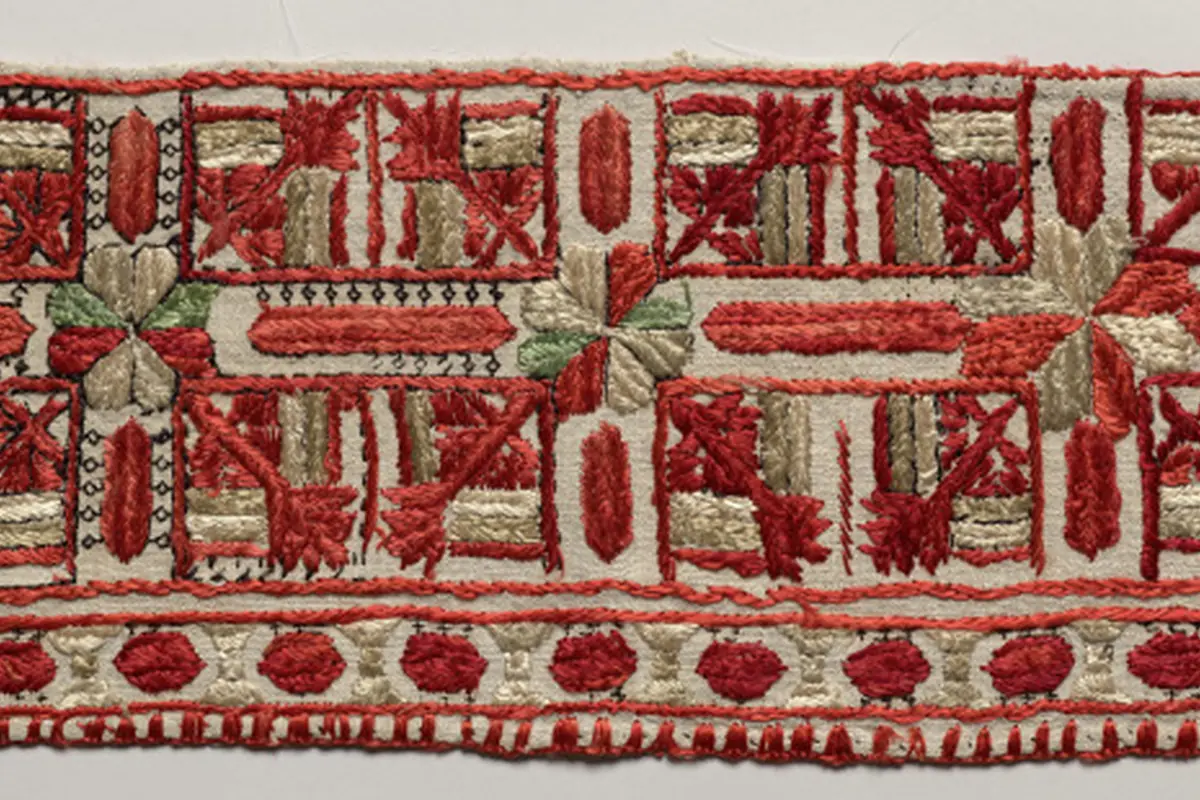
 Cleveland Museum of Art · CC0 1.0
Pages in this section
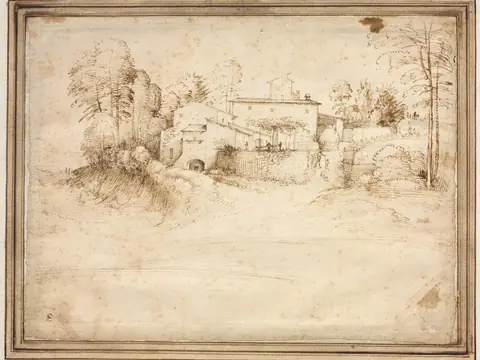 Exhibitions now showingThe year's six exhibitions: themes, venues, dates, prices, guided tours and accessibility.›
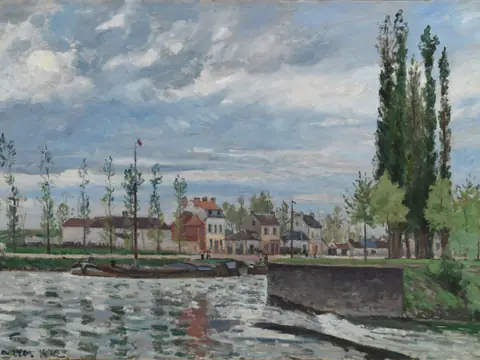 Travelling exhibitionsFour exhibitions that travel the world: modular format, schedule of stops, host conditions and shared costs.›
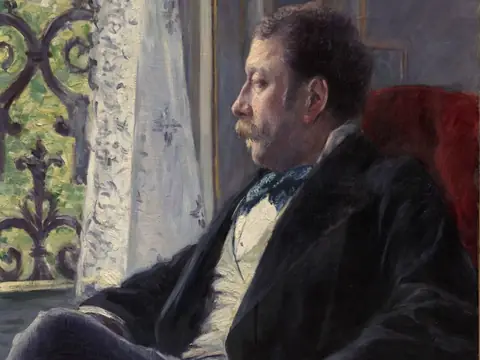 Propose an exhibitionHow to submit an exhibition project: criteria, application file, review committee, timetable and partners' commitments.›
Showing to raise awareness
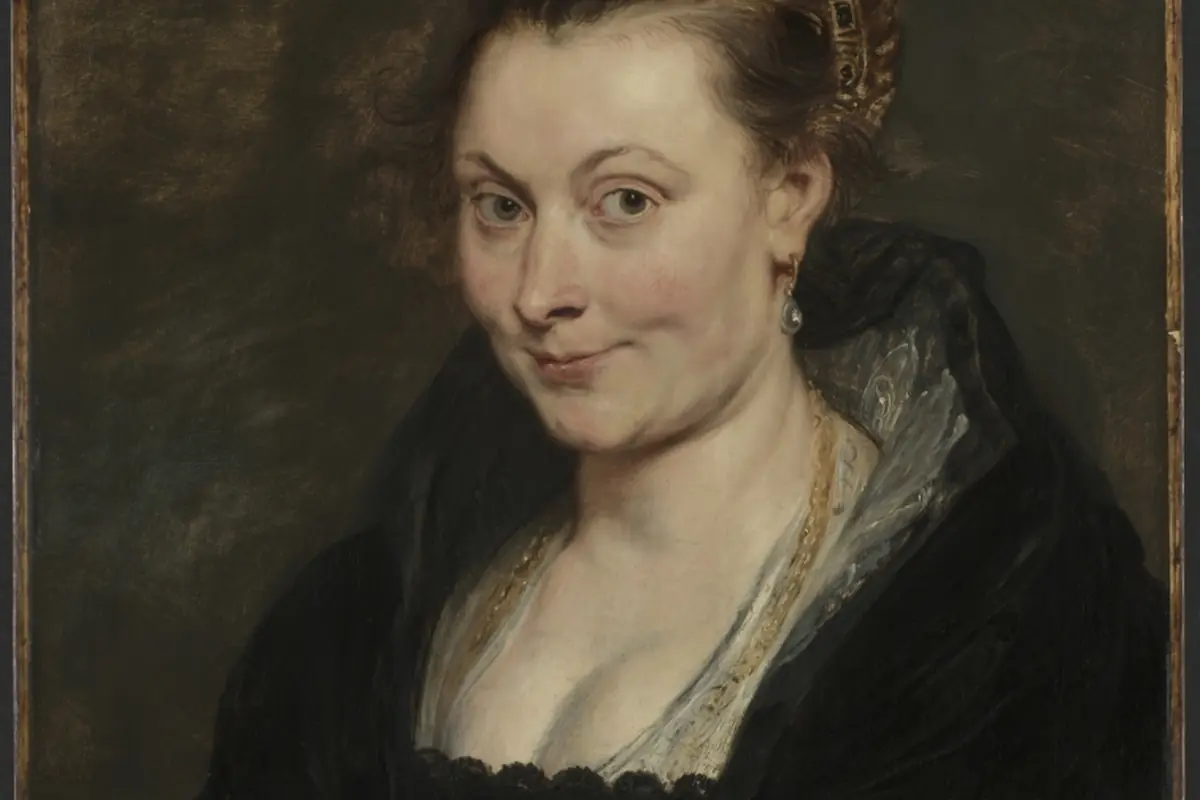
Exhibiting a restituted work, an exposed forgery or a collection saved from looting makes OIMAP's missions visible. Each year the Organization presents six exhibitions on show, four of which travel from one country to another thanks to a standardised packing and loan system.
The exhibitions are designed with Member States, museums and cooperation partners. They are aimed at the general public as well as professionals, and are accompanied by mediation activities, catalogues and guided tours.
This section presents the exhibitions on show, the travelling exhibitions and how to propose an exhibition.
Exhibitions in figures
Source: Events and Communications Directorate.
Three pages
An annual programme
The programme is settled each autumn for the following year. It balances four main themes: restituted works, authentication and forgeries, endangered heritage and the history of the art market. Each exhibition is overseen by a scientific committee of curators, lawyers and accredited experts.
The calendar is published in the Organization's calendar of events and relayed by the newsletter. Opening dates, hours and fees are specified for each host venue.
The role of OIMAP
OIMAP does not own a museum. It designs the routes, coordinates loans, funds packing and insurance, and provides hosts with a turnkey file: texts in three languages, digital materials, a mediation programme and a communication kit.
Host institutions remain responsible for the security of the rooms and for receiving the public. An agreement sets out the division of roles for each exhibition.
Target audiences
The exhibitions are aimed first at families and school groups, for whom adapted booklets and workshops are offered. They also interest market professionals and public officials, who find concrete cases of investigation, restitution or conservation.
The content is accessible: audio description, large-print texts, a tactile route for certain works and sign-language tours on request.
Teaching through objects
Each exhibition starts from real objects or faithful reproductions and tells a story: that of a stolen work later recovered, of a forgery exposed by pigment analysis, of a protected archaeological site. The texts remain short and factual.
Digital devices make it possible to scan the OIMAP number of a work to consult its record and history in the BIOP registry.
Typical programme for a year (indicative)
| Preview | Format | Circulation |
|---|---|---|
| Works recovered | Travelling | Four countries |
| Famous forgeries | Travelling | Three countries |
| Endangered heritage | Travelling | Five countries |
| History of the market | On show in Paris | Headquarters |
| Prize of the year | On show in Singapore | General Assembly |
| Restitutions | On show in Nairobi | Regional branch |
Milestones
- First exhibition
Restituted works.
- First travelling format
Standardised crates.
- Digital route
Scan of the OIMAP number.
- Six exhibitions
Annual programme.
Loans of works
On show or travelling
On show
Fixed venue- Duration of several months
- Full scenography
- A single audience
For a flagship event.
Travelling
Several countries- Modular format
- Wide audience
- Quick installation
To reach several regions.
Hosting an exhibition
- Apply
Express interest.
- Visit
Venue inspection.
- Sign
Hosting agreement.
- Install
Installation.
- Mediation
Associated programme.
Preparing your visit
A visitor
« The exhibition made me understand that a stolen work can be found again. I learned to look at an object differently. »
Exhibition vocabulary
- Travelling exhibition
- Exhibition designed to travel.
- Condition report
- Description of the condition of a work before a loan.
- Nail-to-nail
- Insurance covering the whole journey.
- Mediation
- Support for visitors.
Evaluation and feedback
Each exhibition is evaluated on the basis of attendance, visitor questionnaires and feedback from hosts. The results inform the choice of themes for the following year.
Hosts are invited to report logistical difficulties so as to improve transport and display conditions.
Frequently asked questions
Do the exhibitions charge admission?
Access depends on the host venue; some are free.
Can a theme be proposed?
Yes, see Propose an exhibition.
Are school visits available?
Yes, by reservation.
Where can I find the programme?
See Now showing.
Useful documents
Contacts
Related pages
 ActivitiesEvents, conferences, publications, media, prizes, exhibitions and the sales calendar: the public life of OIMAP throughout the year.›
 Exhibitions now showingThe year's six exhibitions: themes, venues, dates, prices, guided tours and accessibility.›
 Travelling exhibitionsFour exhibitions that travel the world: modular format, schedule of stops, host conditions and shared costs.›
 Propose an exhibitionHow to submit an exhibition project: criteria, application file, review committee, timetable and partners' commitments.›
See the exhibitions now showing
Image credits (23)
- Panel (c. 1780–1840) — Cleveland Museum of Art, CC0 1.0
- Farmhouse on the Slope of a Hill, Fra Bartolommeo (c. 1508) — Cleveland Museum of Art, CC0 1.0
- The Lock at Pontoise, Camille Pissarro (1872) — Cleveland Museum of Art, CC0 1.0
- Portrait of a Man, Gustave Caillebotte (1880) — Cleveland Museum of Art, CC0 1.0
- Portrait of Isabella Brant, Peter Paul Rubens (c. 1620–25) — Cleveland Museum of Art, CC0 1.0
- Marble head of a youth (117–161 CE) — The Metropolitan Museum of Art, CC0 1.0
- The Four Seasons, Kano Tan’yū (1668) — Cleveland Museum of Art, CC0 1.0
- Still Life with Sweets, Juan van der Hamen y Léon (1622) — Cleveland Museum of Art, CC0 1.0
- Edge of the Woods Near L'Hermitage, Pontoise, Camille Pissarro (1879) — Cleveland Museum of Art, CC0 1.0
- Head (1200s) — Cleveland Museum of Art, CC0 1.0
- Gathering among the Members of Office Censor-General (1700s) — Cleveland Museum of Art, CC0 1.0
- The Brook, Paul Cezanne (c. 1895–1900) — Cleveland Museum of Art, CC0 1.0
- Lace Towel End (c. 1700s–1800s) — Cleveland Museum of Art, CC0 1.0
- Triad (early 900s) — Cleveland Museum of Art, CC0 1.0
- Bidri Hookah Bowl with Roses (c. 1650s) — Cleveland Museum of Art, CC0 1.0
- The Departure of Saints Paula and Eustochium for the Holy Land, Giuseppe Bottani — The Metropolitan Museum of Art, CC0 1.0
- Saint Jerome and the Lion (From the former Church of St. Peter in Erfurt), Tilman Riemenschneider (c. 1495) — Cleveland Museum of Art, CC0 1.0
- A Palace with an Arched Bridge (A Roman Villa), Hubert Robert (1760) — Cleveland Museum of Art, CC0 1.0
- Twilight in the Wilderness, Frederic Edwin Church (1860) — Cleveland Museum of Art, CC0 1.0
- Adoration of the Shepherds, Carlo Dolci (c. 1670) — Cleveland Museum of Art, CC0 1.0
- Figure from a Crèche: Standing Mountain Goat (1780–1830) — Cleveland Museum of Art, CC0 1.0
- Nini in the Garden (Nini Lopez), Auguste Renoir (1876) — The Metropolitan Museum of Art, CC0 1.0
- Figure (kiteki) (late 1800s–mid-1900s) — Cleveland Museum of Art, CC0 1.0