
 Cleveland Museum of Art · CC0 1.0
Scholarship informs practice
A decision on its own says little. A commentary places it within the whole body of case law, draws out the principles, points out the limits and suggests avenues. The TAO invites academics and practitioners to comment on its most important decisions.
The collection holds 38 commentaries, published in French, English or Spanish. They are accessible free of charge from the decision's entry and grouped by theme.
This page presents the authors, the method and the most studied themes.
Case-law commentaries in figures
Source: Registry of the OIMAP Arbitral Tribunal.
Who comments
The commentators are law professors, lawyers, art historians, curators and former arbitrators. An editorial committee independent of the tribunal chooses the authors and ensures a diversity of viewpoints. Arbitrators who sat in the case may not comment on the decision.
Each commentary is peer-reviewed by two reviewers before publication. Authors declare any links with the parties, their counsel or the art market.
Method of a commentary
A commentary follows a constant structure: presentation of the facts, analysis of the question of law, discussion of the outcome, placing in perspective with other decisions and with comparative law, and finally practical significance. It avoids going back over the merits of the case, which are covered by confidentiality.
The length is ten to twenty pages. A ten-line summary opens each commentary to allow a quick read. The bibliography lists useful references.
Using the commentaries
For counsel, a commentary helps anticipate the tribunal's reaction to an argument. For an arbitrator, it provides a critical view of the case law. For a student, it serves as an example of legal reasoning applied to art.
Commentaries may be cited in submissions, like any scholarly publication. Arbitrators are not bound by them, but they read them: scholarship influences practice.
Seminars and training
Each year the TAO organises two case-law seminars bringing together arbitrators, lawyers and academics. The most important commentaries are discussed there, and the proceedings are published. Workshops for students offer practice in analysing anonymised decisions.
These exchanges feed the thinking of the committee drafting the Rules, which finds concrete suggestions for amendment there.
Some themes covered
| Theme | Question studied | Commentaries |
|---|---|---|
| Authenticity | Probative value of an appraisal | 14 |
| Provenance | Good faith of the buyer | 10 |
| Contracts | Warranty and price | 9 |
| Restitution | Time limit and evidence | 5 |
Milestones
- First commentary
Call for authors.
- Editorial committee
Proofreading.
- Passing the 30 mark
Thirty commentaries.
- 38 commentaries
Open collection.
A scholarly opinion is not a decision
Commentary or summary note
Commentary
In-depth analysis- Ten to twenty pages
- Placing in perspective
- Named author
For major decisions.
Summary note
Short sheet- One to two pages
- Overview
- Written by the committee
For routine decisions.
Contributing
- Propose
A topic to the committee.
- Write
According to the guidelines.
- Submit
For proofreading.
- Correct
After review.
- Publish
Online.
Author guidelines
An author
« To comment on an arbitral decision is to reconstruct a line of reasoning without seeing the file: a demanding and very instructive exercise. »
Vocabulary of scholarship
- Doctrine
- All legal publications.
- Comparative law
- Study of several national laws.
- Peer review
- Examination by specialists.
- Scope
- Extent of the effect of a decision.
Frequently asked questions
May I propose a commentary?
Yes, to the editorial committee.
Are the commentaries paid?
No, except in special cases.
Can they be translated?
With the author's agreement.
Where can I see the decisions?
See Decision database.
Useful documents
Contacts
Related pages
 Arbitral case lawDecision database, search and commentaries: the TAO's anonymised case law, to anticipate the outcome of your own dispute.›
 Decision database412 anonymised decisions: content, structure of an entry, themes, languages and conditions of access.›
 Tribunal studiesTwenty-three thematic studies on time limits, authenticity, restitution, technology and diversity in art arbitration.›
See the tribunal's studies
Image credits (16)
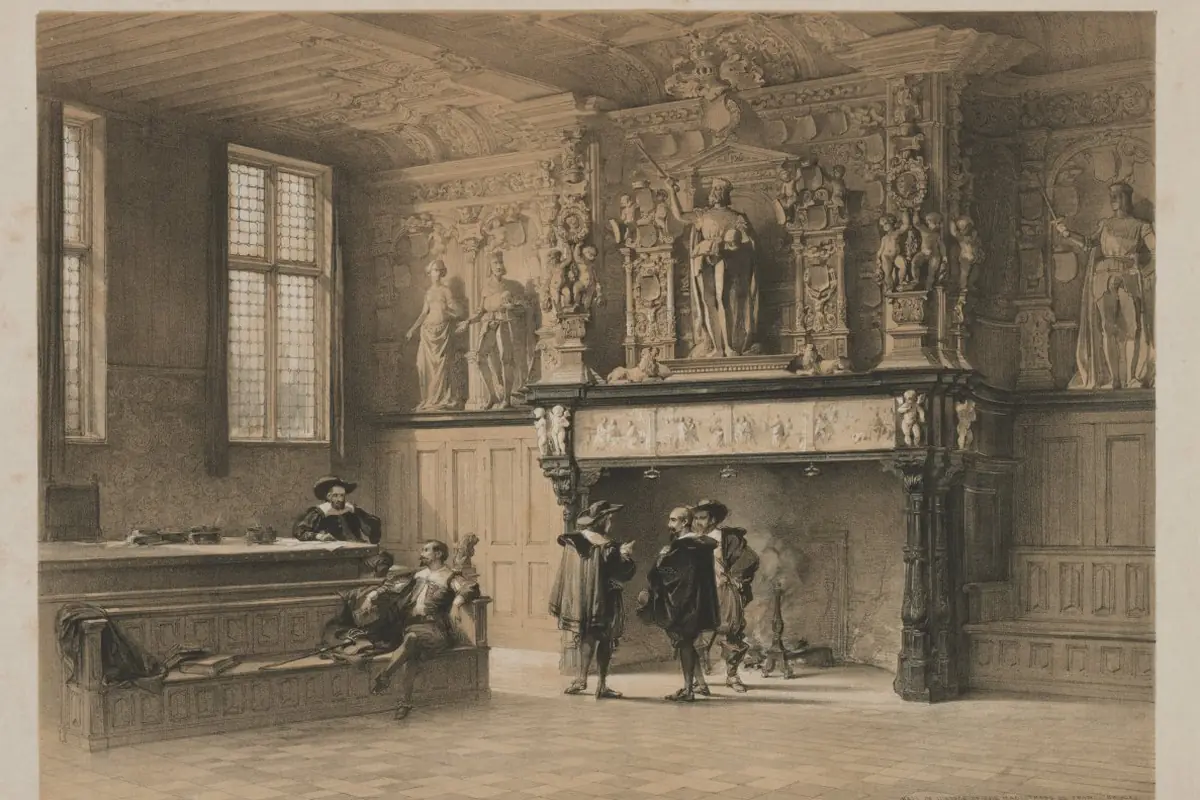
- Sketches in Belgium and Germany, Volume I: Hall of Justice of the Magistrates du Franc, Bruges, Louis Haghe (1840) — Cleveland Museum of Art, CC0 1.0
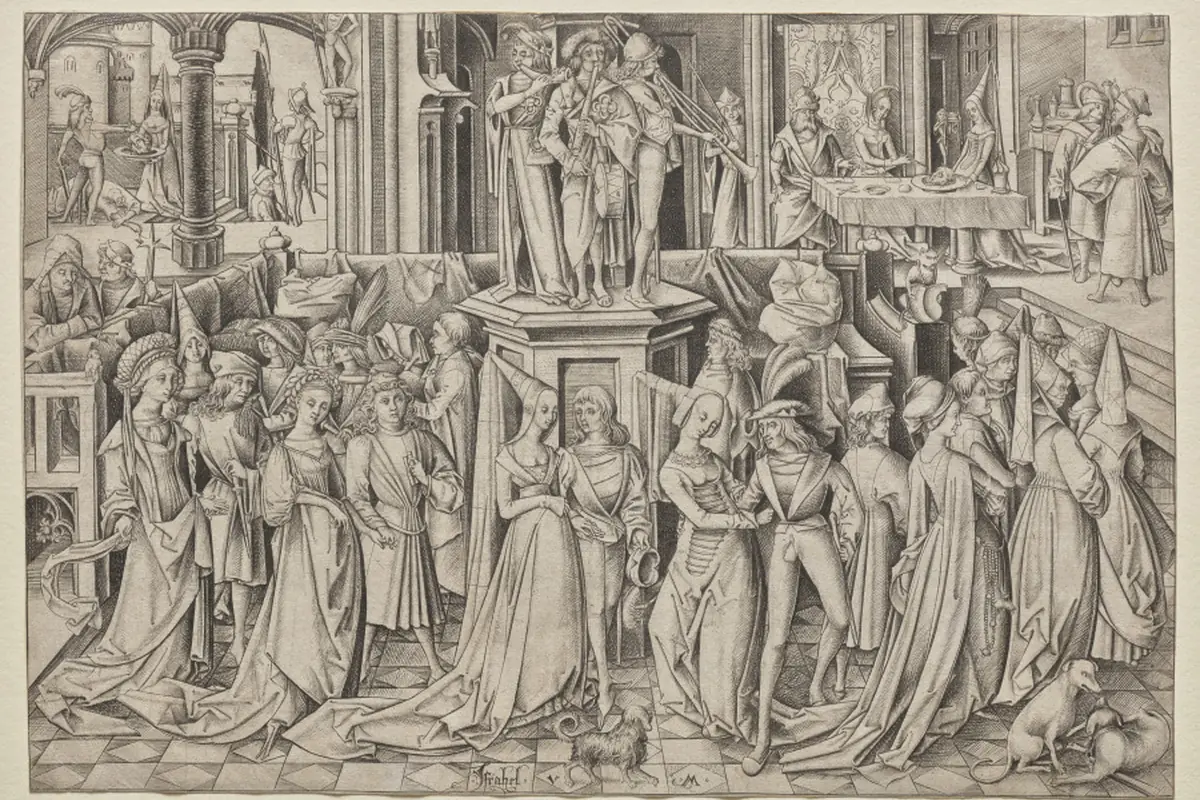
- The Dance at the Court of Herod, Israhel van Meckenem (c. 1500) — Cleveland Museum of Art, CC0 1.0
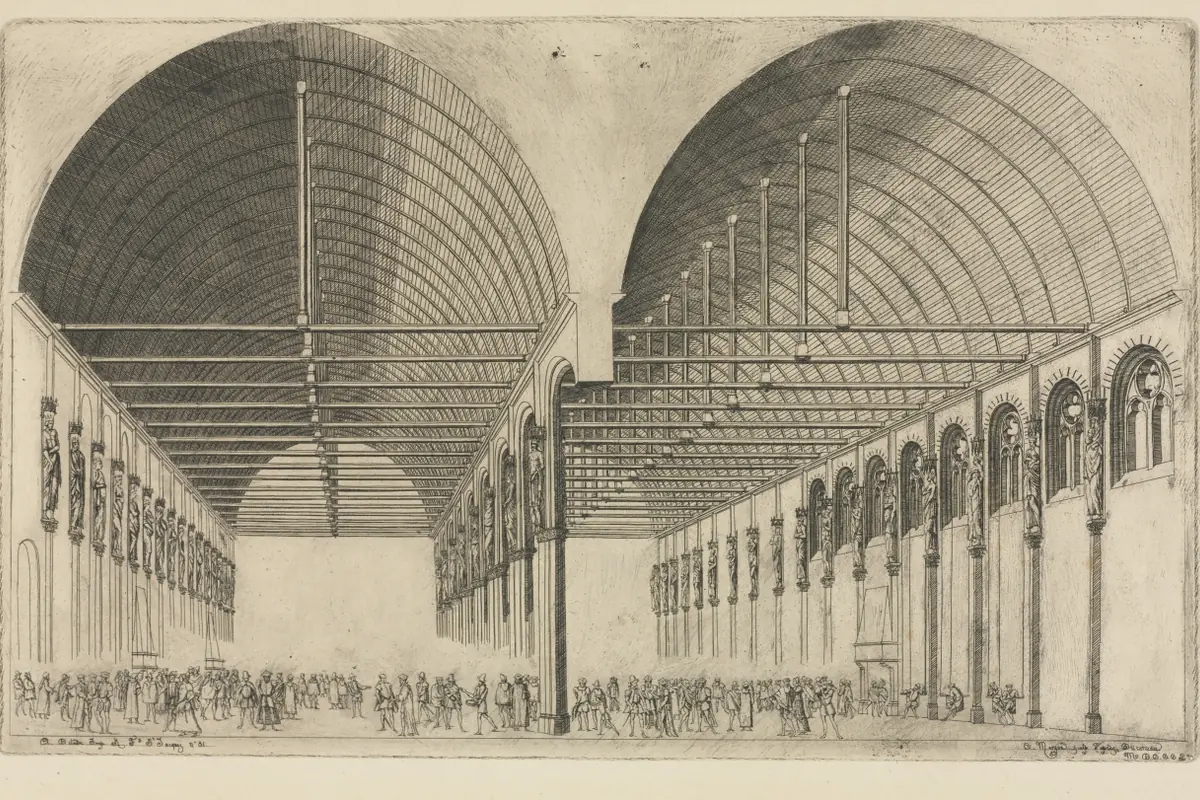
- The Antechamber of the Palace of Justice, Paris, Charles Meryon (1855) — Cleveland Museum of Art, CC0 1.0
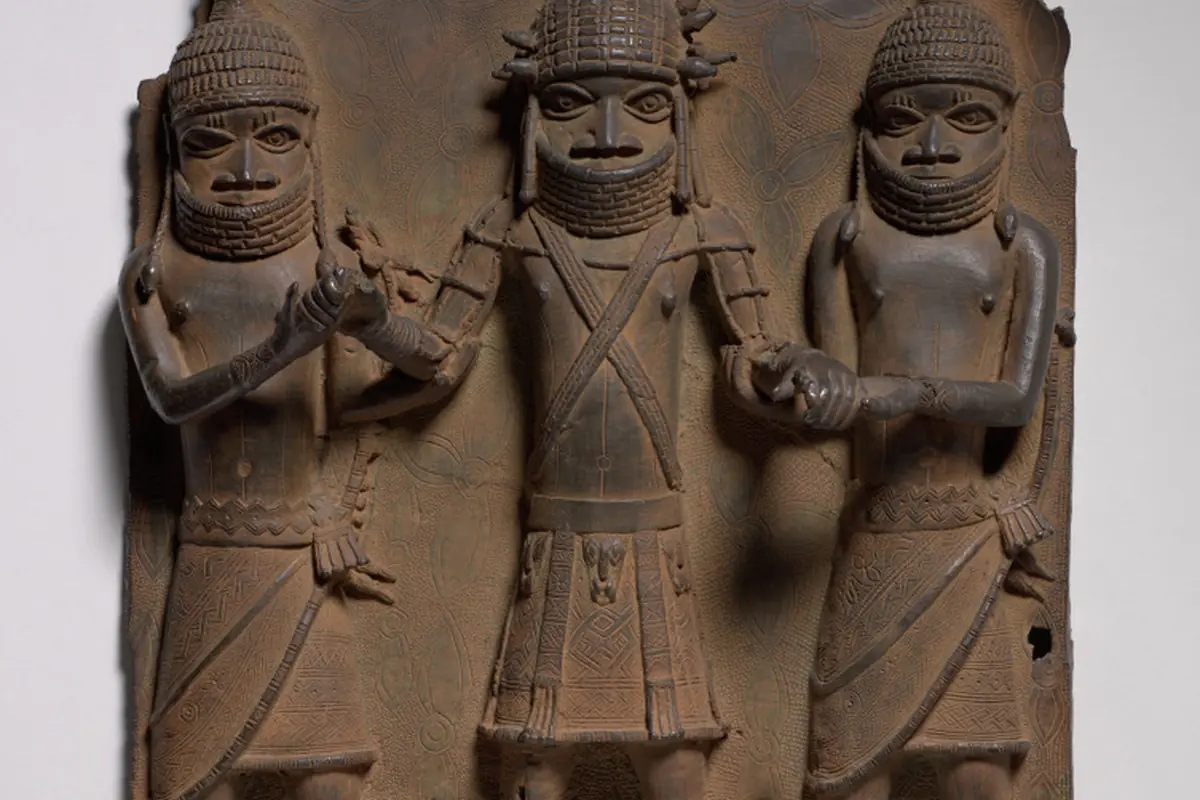
- Plaque (1500s–1600s) — Cleveland Museum of Art, CC0 1.0
- The Judgment of Solomon and Esther before Ahasuerus (pair), Dirk Vellert (c. 1530) — Cleveland Museum of Art, CC0 1.0
- Coronation of the Virgin, Christoffel Jegher (1632–36) — Cleveland Museum of Art, CC0 1.0
- The Calumny of Apelles, Giorgio Ghisi (1560) — Cleveland Museum of Art, CC0 1.0
- Seal Color Box (1662–1722) — Cleveland Museum of Art, CC0 1.0
- Dr. James Stuart; Mary Campbell Stuart, Gilbert Stuart (c. 1815) — Cleveland Museum of Art, CC0 1.0
- The Victory Banquet: from Battle Scenes of the Quelling of Rebellions in the Western Regions, with Imperial Poems (c. 1765–74; poem dated 1760) — Cleveland Museum of Art, CC0 1.0
- Portrait of John VIII Palaoelogus, Emperor of Constantinople, 1424-1428 (reverse), Pisanello (c. 1438–1439) — Cleveland Museum of Art, CC0 1.0
- Roman Ruins, Villa Pamfili, Hubert Robert (1774) — Cleveland Museum of Art, CC0 1.0
- Letter Box, Ogata Kōrin (1700s) — Cleveland Museum of Art, CC0 1.0
- Seal Color Box (1662–1722) — Cleveland Museum of Art, CC0 1.0
- Seal of Doge Michele Steno (reverse) (1400–1409) — Cleveland Museum of Art, CC0 1.0
- The Triumph of Mordecai, Lucas van Leyden (1515) — Cleveland Museum of Art, CC0 1.0