
 Cleveland Museum of Art · CC0 1.0
Pages in this section
 2026 BudgetPlanned revenue and expenditure for 2026: 58 million euros allocated across the Organization's missions.›
 Certified accountsOIMAP's financial statements, certified by an external statutory auditor and published before 30 June.›
 Audit and controlAnnual internal audit, external control and follow-up of recommendations: the Organization's financial safeguards.›
Accounting for every euro
Financial reports in figures
Source: OIMAP General Secretariat.
Three Pages
A single financial framework
The Organization's financial framework is set by the Financial Regulations adopted by the General Assembly. They define the budget year, which follows the calendar year, the rules for committing expenditure and the powers of each authorizing officer.
The Secretary-General implements the budget under the oversight of the Executive Council and the Finance and Audit Committee. No expenditure may be committed beyond the appropriations voted without the Council's approval.
The three sources of funding
Member State contributions make up the bulk of resources. They are calculated using a five-band scale, described in the section Joining OIMAP.
Fees come from services provided by the Certification Desk, the Academy and events. Grants fund specific projects, such as training or restitution programmes, with separate accounting.
The chain of control
Three levels of control are layered on top of one another. Internal control is the responsibility of Administration and Finance. Internal audit, attached to the Secretary-General, checks a sample of processes each year. The statutory auditor certifies the financial statements.
The Finance and Audit Committee, one of the five standing committees, receives the reports from these three levels and reports on them to the General Assembly.
Publication and access
Financial documents are published on the Organization's website. Member States also have an additional level of detail in the member area, in particular the breakdown by directorate.
Anyone may request a financial document following the procedure described in the section Access to information.
Annual budget cycle
| Step | Period (indicative) | Responsible party |
|---|---|---|
| Preparation of the draft budget | March to June | Administration and finance |
| Review by the Finance Committee | September | Finance and Audit Committee |
| Vote by the General Assembly | Annual session | General Assembly |
| Implementation and monitoring | Calendar year | Secretary-General |
| Closing and certification | January to May | Statutory auditor |
| Publication of the accounts | No later than 30 June | General Secretariat |
Milestones
- Closing
Closing of the books for the past financial year.
- Certification
Statutory auditor's report.
- Publication
Accounts posted online.
- Draft budget
Review by the Finance Committee.
Indicative figures
Own resources and third-party resources
Own resources
Contributions and fees- Recurring
- Voted in Assembly
- Unrestricted
Fund day-to-day operations.
Third-party resources
Project grants- Earmarked
- Separate accounting
- Reports to donors
Fund targeted programmes.
Reading a financial report
- Identify
The financial year and scope.
- Compare
Budget voted and actual.
- Examine
The auditor's opinion.
- View
The annexes by directorate.
- Ask
Write to the Secretariat.
Before consulting the accounts
A member of the Finance Committee
« A readable budget is the first condition of trust between States. We ensure that every contribution finds its place in the accounts. »
Vocabulary
- Financial year
- Accounting period of twelve months.
- Fee
- Price of a service provided by the Organization.
- Statutory auditor
- External auditor who certifies the accounts.
- Authorizing officer
- Person authorized to commit expenditure.
Management principles
Management rests on four principles: prudence in estimating revenue, separation of duties between the person who commits and the person who pays, traceability of supporting documents and publication of results.
These principles also apply to the five offices. Each office has an annual allocation and reports its expenditure to headquarters every quarter.
Frequently Asked Questions
Useful Documents
Contacts
Related Pages
 2026 BudgetPlanned revenue and expenditure for 2026: 58 million euros allocated across the Organization's missions.›
 Certified accountsOIMAP's financial statements, certified by an external statutory auditor and published before 30 June.›
 Audit and controlAnnual internal audit, external control and follow-up of recommendations: the Organization's financial safeguards.›
 The standing committeesFive specialised committees that examine technical files and advise the Executive Council.›
View the budget
Image credits (23)
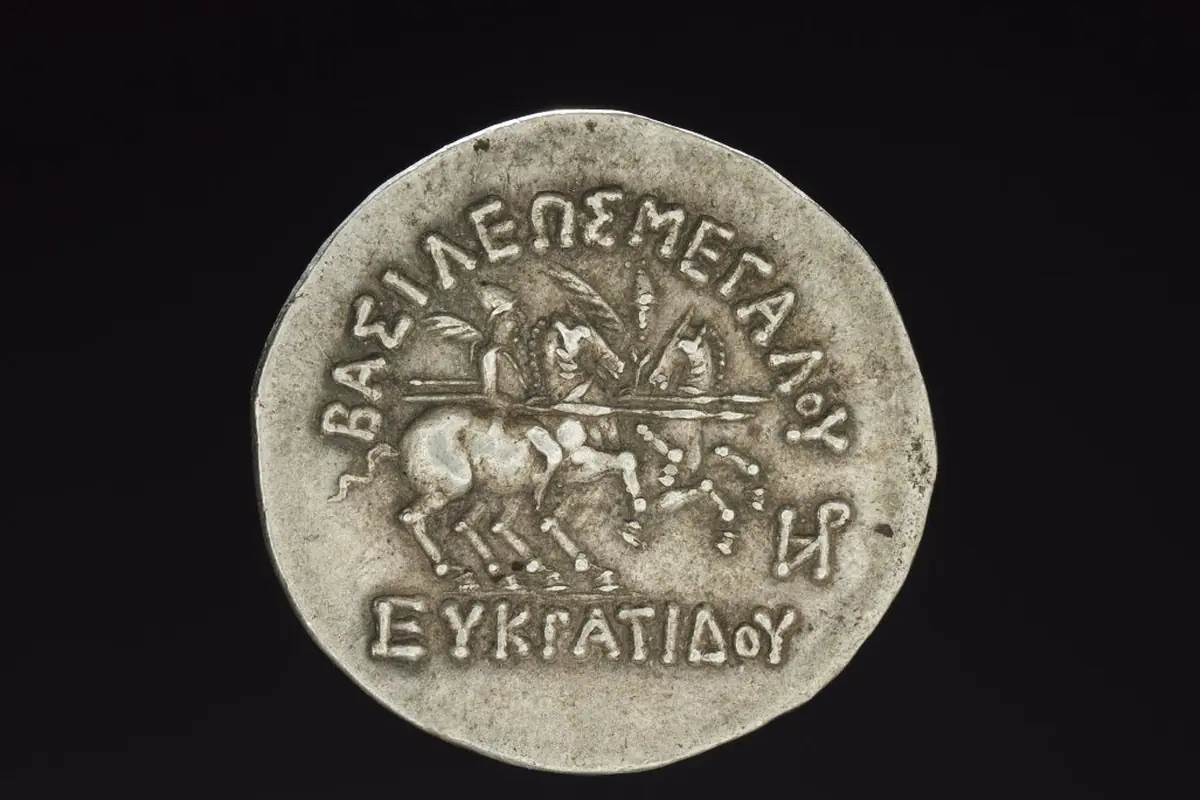
- Coin of Eukratides I (170–145 BCE) — Cleveland Museum of Art, CC0 1.0
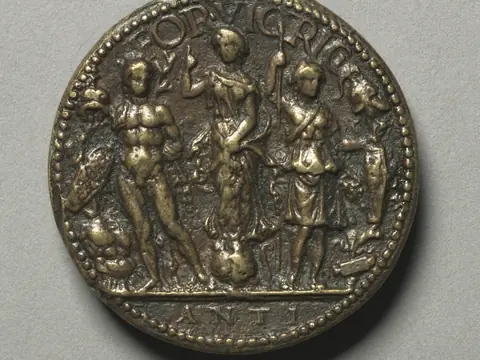
- Portrait of Gianfrancesco Gonzaga di Ròdigo, 1443–1496, Lord of Sabbionetta (reverse), Antico (1479) — Cleveland Museum of Art, CC0 1.0
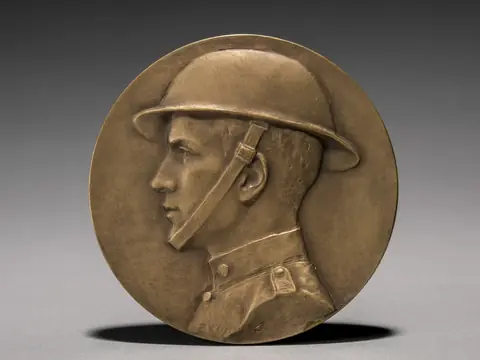
- American Red Cross War Council Medal (obverse), Daniel Chester French (1920) — Cleveland Museum of Art, CC0 1.0
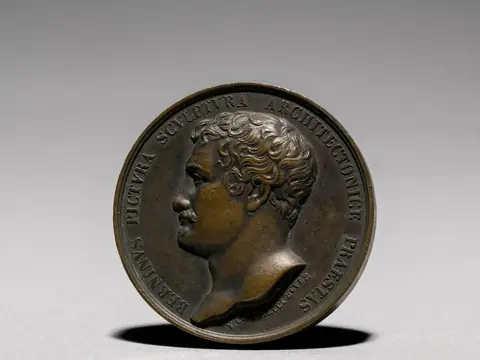
- Medal Depicting Gian Lorenzo Bernini (1598-1680) from the Illustrious Men of the Kingdom of the Two Sicilies (obverse), V. Catenacci (1830–34) — Cleveland Museum of Art, CC0 1.0
- The Triumph of Mordecai, Lucas van Leyden (1515) — Cleveland Museum of Art, CC0 1.0
- Leopard d'Or of Edward III of England (1327–1377) — Cleveland Museum of Art, CC0 1.0
- Saucer with Scene in style of Watteau (c. 1750–60) — Cleveland Museum of Art, CC0 1.0
- Coin of Demetrios, I (reverse) (200–190 BCE) — Cleveland Museum of Art, CC0 1.0
- Seal Color Box (1662–1722) — Cleveland Museum of Art, CC0 1.0
- Tetradrachm: Owl, Crescent Moon, Olive Branch (reverse) (480–449 BCE) — Cleveland Museum of Art, CC0 1.0
- Vanity Case (Nécessaire) (c. 1760) — Cleveland Museum of Art, CC0 1.0
- Solidus of Justinian I (obverse) (c. 545–565) — Cleveland Museum of Art, CC0 1.0
- Carnet (1863–1865) — Cleveland Museum of Art, CC0 1.0
- The Four Markets: The Fruit Market, Richard Earlom (1775) — Cleveland Museum of Art, CC0 1.0
- Portrait of Pope Paul II Barbo (obverse) and (reverse), Cristoforo di Geremia (c. 1468) — Cleveland Museum of Art, CC0 1.0
- Mercury (Budha), from a Mandi Astrology Series, Sanju (c. 1810) — Cleveland Museum of Art, CC0 1.0
- American Red Cross War Council Medal (reverse), Daniel Chester French (1920) — Cleveland Museum of Art, CC0 1.0
- The Doge's Palace, Venice, Richard Parkes Bonington (1826) — Cleveland Museum of Art, CC0 1.0
- Solidus of Justinian I (c. 545–65) — Cleveland Museum of Art, CC0 1.0
- Christ Driving the Money Changers from the Temple, Rembrandt van Rijn (1635) — Cleveland Museum of Art, CC0 1.0
- Tetradrachm: Head of Alexander (obverse); Athena (reverse) (297–281 BCE) — Cleveland Museum of Art, CC0 1.0
- Coronation of the Virgin, Christoffel Jegher (1632–36) — Cleveland Museum of Art, CC0 1.0
- Teapot, Louis Rorimer (c. 1910) — Cleveland Museum of Art, CC0 1.0