
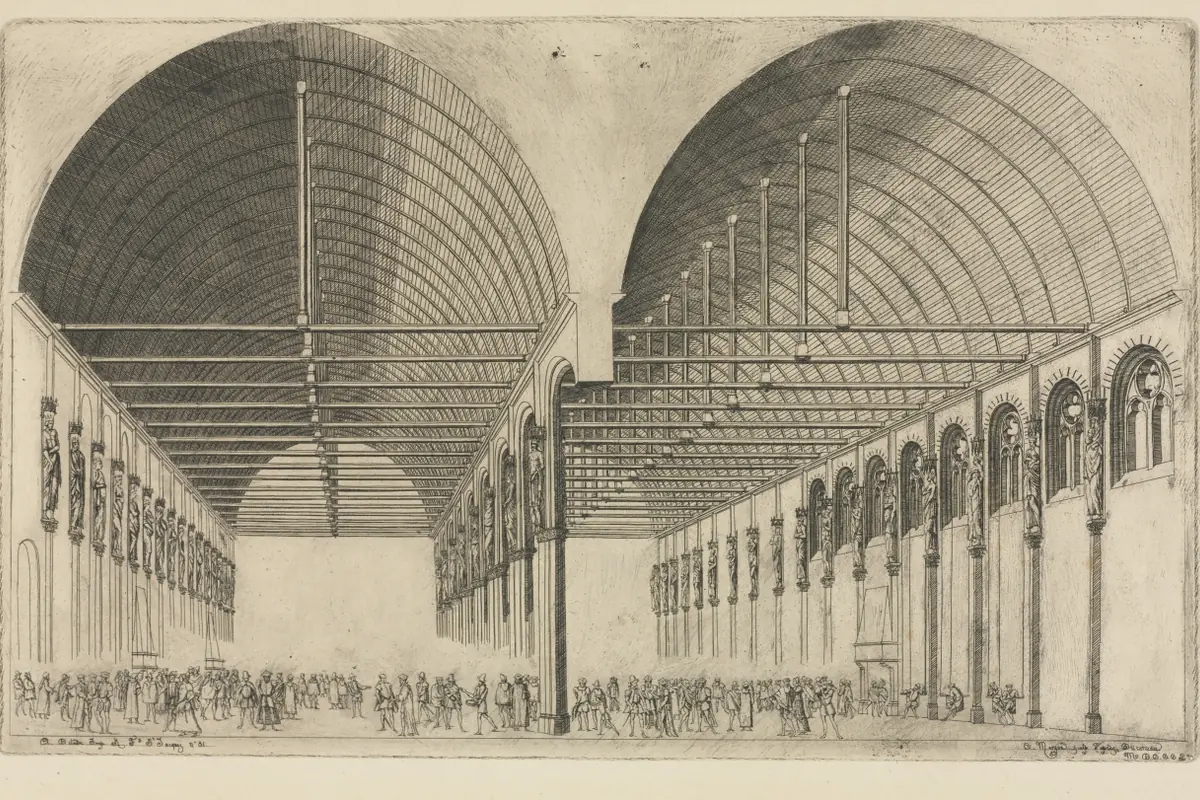
 Cleveland Museum of Art · CC0 1.0
Passing the baton without a break
When a work changes hands, its title must follow. The transfer enters the new owner in the Registry, closes the former title and keeps the work's history intact.
The transfer is declared jointly by the former and the new owner, or by one of them with the other's documents. It is processed in ten days.
It applies to all modes of transmission: sale, gift, inheritance, contribution to a company, payment in kind.
The transfer in figures
Depending on the mode of transmission
| Mode | Documents | Applicant |
|---|---|---|
| Sale | Contract, proof of payment | Seller and buyer |
| Donation | Notarial deed | Donor and donee |
| Succession | Probate certificate, partition | Heirs |
| Contribution to a company | Contribution deed, articles | Contributor and company |
| Payment in kind | Deed of payment in kind | Debtor and creditor |
Declaring a transfer
- Declaration
One of the parties opens a transfer file.
- Documents
Deed of transmission and proofs of identity.
- Check
Checking of the BIOP and of the absence of opposition.
- Registration
The new owner is entered, the former title is closed.
- Handover
New title and work passport updated.
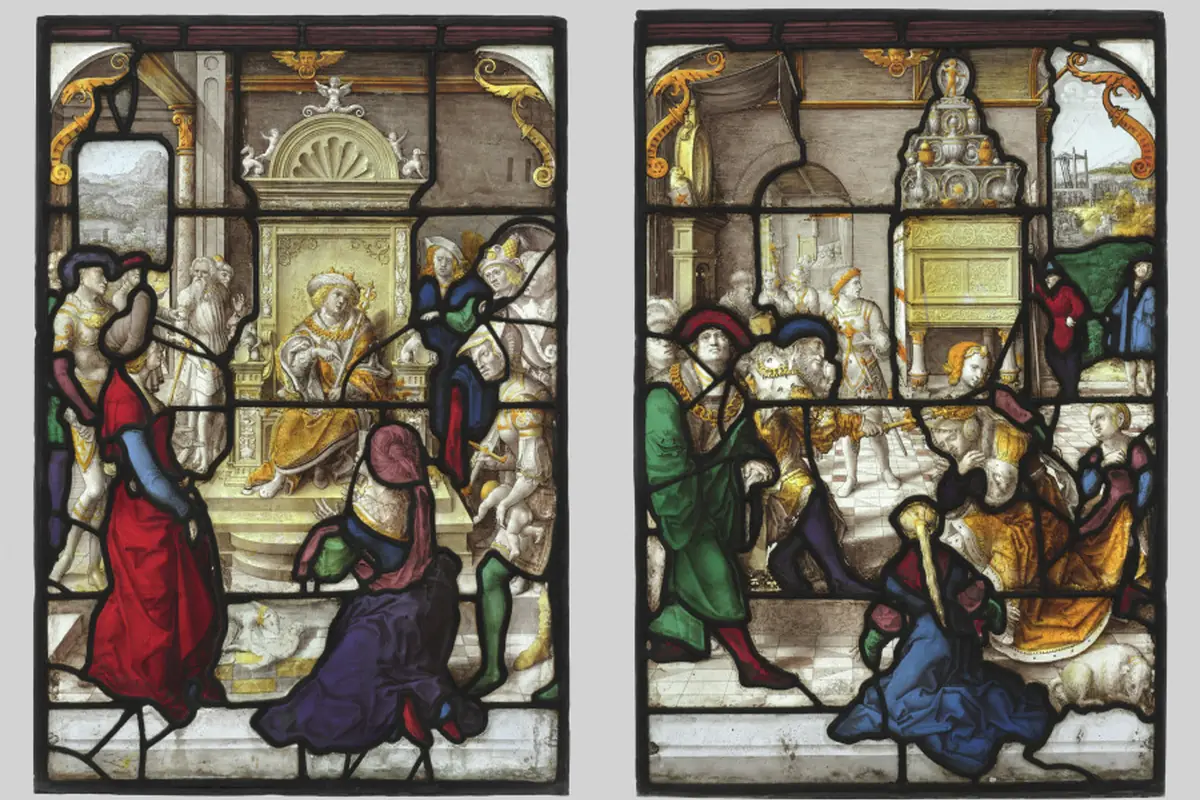
Anticipating transmission duties
Amicable or contested transfer
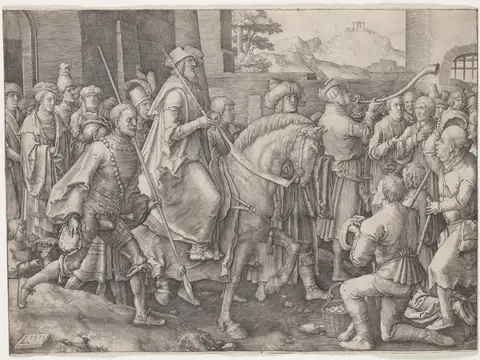
Amicable
Agreement of the parties- Processing in 10 days
- Title entered without extended opposition period
- Passport updated
The vast majority.

Contested
Disagreement or opposition- Suspension of the entry
- Mediation then arbitration
- Entry at the end
Rare.
Timeline of a transfer
- Declaration
File opened.
- Check
BIOP and documents.
- Registration
New owner entered.
- Enforceability
End of the opposition period.
Case study: an international sale
A painting between Paris and Singapore
A Parisian collector sells a painting to a collector in Singapore.
- Both parties declare the transfer online.
- OIMAP checks the absence of alerts and the export licence.
- The title is entered in the buyer's name.
A secure transfer, with the passport updated before shipping.
Special cases
For a work encumbered by a charge (pledge, usufruct), the transfer mentions the charge on the new title. For a work in joint ownership, each joint owner must consent to the transfer or a court decision must allow it.
For a work deposited in a museum, the deposit is maintained: the new owner must be informed and may terminate it under the terms of the contract.
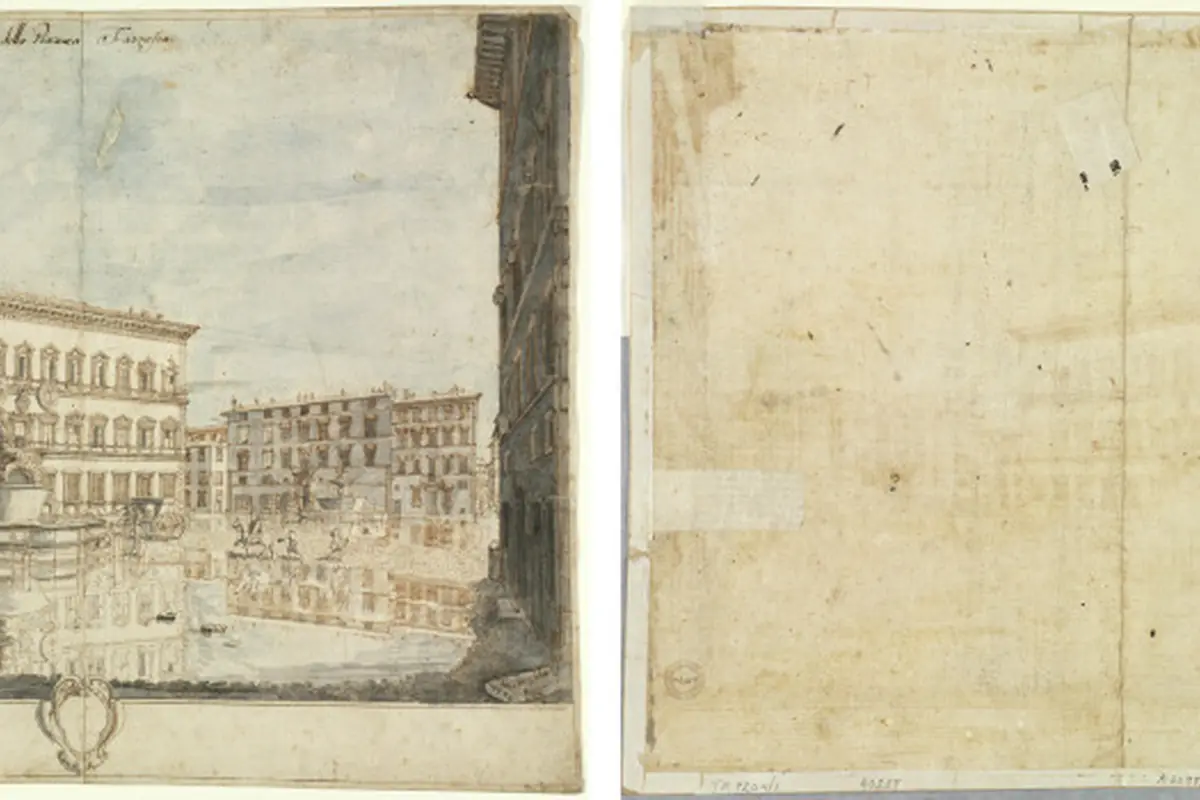
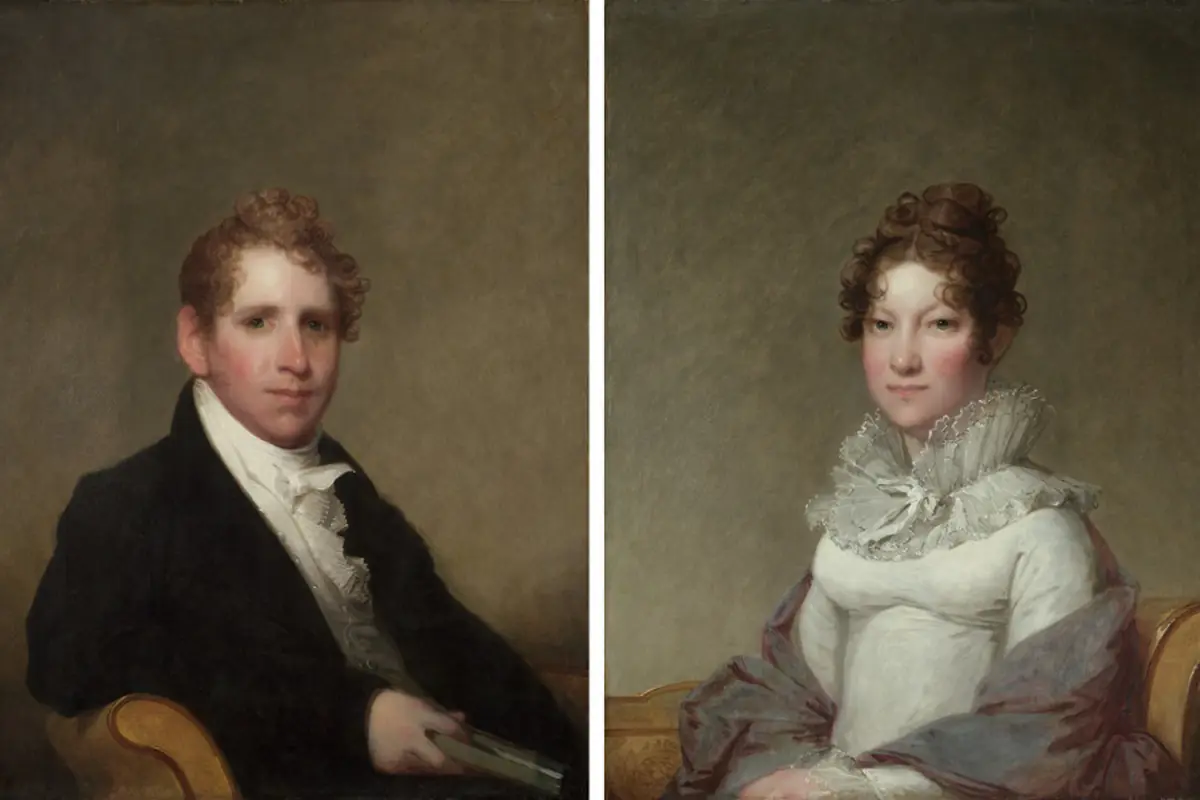
Before declaring the transfer
On continuity
« A registry is useful only if it never leaves a work without an owner. »
Vocabulary of the transfer
- Donee
- Person who receives a gift.
- Payment in kind
- Handing over an asset in payment of a debt.
- Contribution
- Placing an asset at a company's disposal.
- Closing of the title
- End of a title on the occasion of a transfer.
Frequently asked questions
Do I have to declare a transfer to OIMAP?
It is necessary for the new owner to be recognised in the Registry.
Who pays for the transfer?
The parties agree between themselves; the fee is invoiced to the declarant.
Is the transfer public?
The mention of the change is public; the identity of the parties remains confidential.
Can I transfer a title in the event of a dispute?
No, as long as the work is the subject of an appeal or a BIOP alert.
Useful documents
Contacts
Related pages
 RequestConditions, documents and course of an application for a title of ownership.›
 EnforceabilityWhat the title of ownership allows you to assert, against whom, and within what limits.›
 Import and export licenceAuthorisation for the cross-border movement of a work, in conformity with the 1970 UNESCO and 1995 UNIDROIT conventions.›
Open a transfer file
Image credits (16)
- The Antechamber of the Palace of Justice, Paris, Charles Meryon (1855) — Cleveland Museum of Art, CC0 1.0
- Seal Color Box (1662–1722) — Cleveland Museum of Art, CC0 1.0
- Sketches in Belgium and Germany, Volume I: Hall of Justice of the Magistrates du Franc, Bruges, Louis Haghe (1840) — Cleveland Museum of Art, CC0 1.0
- A Palace with an Arched Bridge (A Roman Villa), Hubert Robert (1760) — Cleveland Museum of Art, CC0 1.0
- The Judgment of Solomon and Esther before Ahasuerus (pair), Dirk Vellert (c. 1530) — Cleveland Museum of Art, CC0 1.0
- The Triumph of Mordecai, Lucas van Leyden (1515) — Cleveland Museum of Art, CC0 1.0
- The Calumny of Apelles, Giorgio Ghisi (1560) — Cleveland Museum of Art, CC0 1.0
- Eighteen Views of Rome: The Piazza Farnese (recto); Cartouche (verso), Lievin Cruyl (1664) — Cleveland Museum of Art, CC0 1.0
- Dr. James Stuart; Mary Campbell Stuart, Gilbert Stuart (c. 1815) — Cleveland Museum of Art, CC0 1.0
- Chemin de fer de Toulouse à Bayonne. Pont de l'Aran (en trois arches de 17m d'ouverture chacune). Situation des travaux au 21 juillet 1861, Édouard Baldus (1861) — Cleveland Museum of Art, CC0 1.0
- Mercury (Budha), from a Mandi Astrology Series, Sanju (c. 1810) — Cleveland Museum of Art, CC0 1.0
- Karnak, Les Pylônes d'Horus, Henri Béchard (1860s) — Cleveland Museum of Art, CC0 1.0
- The Doge's Palace, Venice, Richard Parkes Bonington (1826) — Cleveland Museum of Art, CC0 1.0
- Letter Box, Ogata Kōrin (1700s) — Cleveland Museum of Art, CC0 1.0
- Boating in Moonlight (1600s) — Cleveland Museum of Art, CC0 1.0
- Temple of Ramesses II, Abu Simbel, Antonio Beato (c. 1860s) — Cleveland Museum of Art, CC0 1.0