
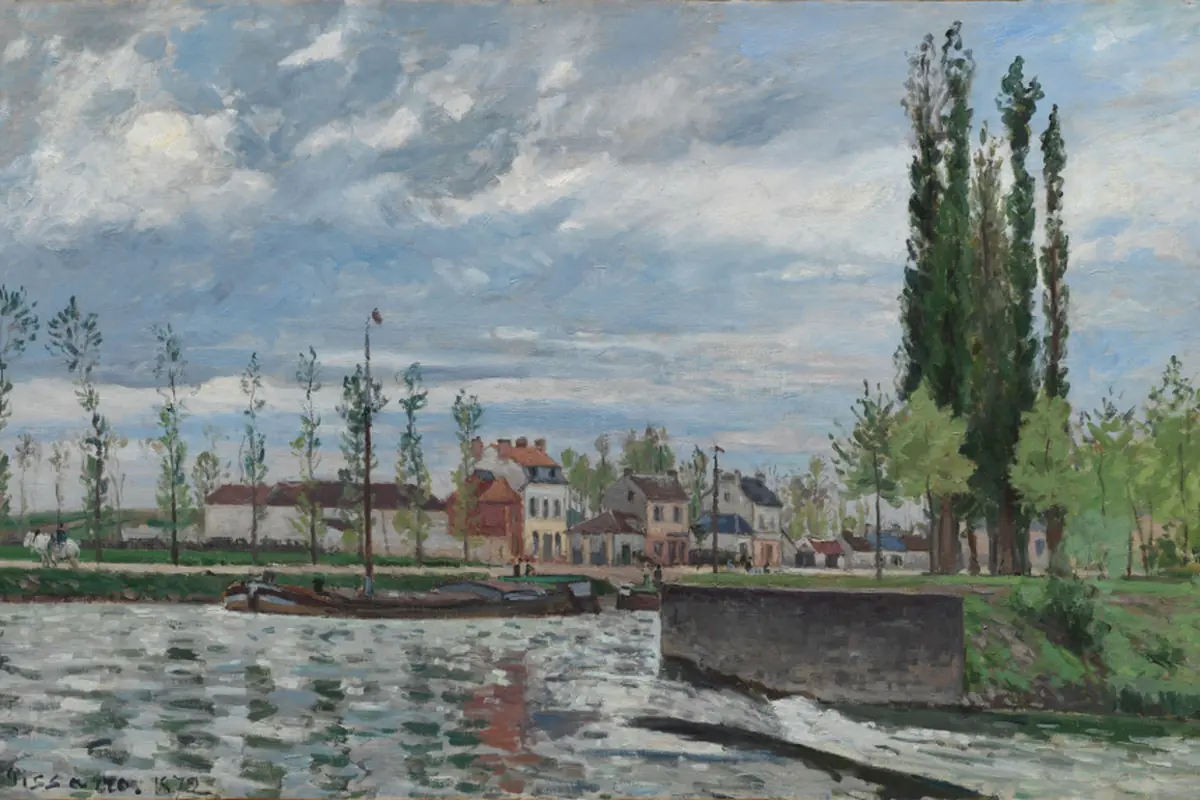
 Cleveland Museum of Art · CC0 1.0
Ten sales above €19 million
The entry threshold for the top 10 stands at €19.8 million in 2024, against €17.6 in 2023. The ten works add up to €385.2 million.
This ranking is based on hammer prices, fees included, and declared private sales. It covers all regions and all segments.
Each entry below recalls the work, its segment and the certification elements that accompanied the sale.
2024 ranking in figures
Source: OIMAP Observatory.
The first three sales
Crépuscule sur la Neva, sold for €74.3 million, is a large 19th-century landscape that remained sixty years in a private collection. Its complete provenance, its conservation report and its certificate of authenticity were published with the catalogue.
Jardin de pierres noires, sold for €61.8 million, is a contemporary installation acquired by a foundation in Asia-Pacific. Falaises d'Étretat, at €52.1 million, is an impressionist canvas that was the subject of a twenty-minute bidding battle.
The sales of the second half of the ranking
From fourth to tenth place, the works are more varied: a royal mask from Central Africa, a 17th-century still life, a court portrait, a Régence bureau, a bronze dancer, a contemporary oriental landscape and a Kota reliquary.
This diversity shows that the high end is no longer the preserve of painting. Tribal art, in particular, reaches unprecedented levels once provenance is solidly established.
Why records matter
A record has a knock-on effect: it draws the attention of the press, collectors and potential sellers. It also changes the perception of the artist, whose prices for all works may be reassessed.
This effect is however temporary. In the years following a record, an artist's prices tend to normalise, unless critical and museum recognition confirms their value.
The complete ranking
| Rank | Work | Segment | Price |
|---|---|---|---|
| 1 | Crépuscule sur la Neva | Painting | €74.3M |
| 2 | Jardin de pierres noires | Contemporary | €61.8M |
| 3 | Falaises d'Étretat | Painting | €52.1M |
| 4 | Royal Songye Mask | Tribal art | €38.7M |
| 5 | Nature morte aux grenades | Old masters | €34.2M |
| 6 | Portrait de la comtesse de Varenne | Old masters | €29.6M |
| 7 | Bureau de la Régence | Furniture | €27.9M |
| 8 | Danseuse, grand modèle en bronze | Sculpture | €24.5M |
| 9 | Ciel d'Ormuz | Contemporary | €22.1M |
| 10 | Reliquaire Kota | Tribal art | €19.8M |
Landmarks
- Spring sale
Nature morte aux grenades.
- Evening sale
Portrait de la comtesse de Varenne.
- Autumn sale
Bureau de la Régence.
- Record sale
Crépuscule sur la Neva.
No lot without a file
Old masters and contemporary
Old masters
Four works of the top 10- Prices linked to rarity
- Complex provenance
- Long preparation
Heritage value.
Contemporary
Two works of the top 10- Prices linked to demand
- Recent provenance
- Recent exhibition
Value of the moment.
From lot to record
- Preparation
Expert examination, certificate, conservation report.
- Exhibition
Public presentation before the sale.
- Catalogue
Publication of provenance.
- Auction
Public sale or private negotiation.
- Declaration
Price communicated to the Observatory.
What the sellers have in common
The head of an auction house
« Buyers at this level take no documentary risk. An incomplete file is enough to make them back off. »
Vocabulary
- Still life
- Genre depicting inanimate objects.
- Evening sale
- Prestige sale reserved for major lots.
- Reliquary
- Object intended to hold relics.
- Provenance
- History of successive owners.
Frequently asked questions
Why does the ranking change from one year to the next?
Because major works are rare and their sales irregular.
Are museums among the buyers?
Rarely at the top of the ranking: private foundations are more active.
Where can I see previous years?
On the earlier rankings page.
How do I have a work certified before the sale?
See certification.
Useful documents
Contacts
Related pages
 Top 10 salesThe ten biggest sales of the year: 2024 ranking, earlier rankings and breakdown by auction house.›
 By auction houseWhich auction houses achieve the biggest sales? Breakdown of the top 10 and of volumes by house, in 2024.›
 CertificationAuthenticating, tracing and protecting a work: all the certificates, titles, licences and labels issued by OIMAP.›
See the earlier rankings
Image credits (16)
- The Lock at Pontoise, Camille Pissarro (1872) — Cleveland Museum of Art, CC0 1.0
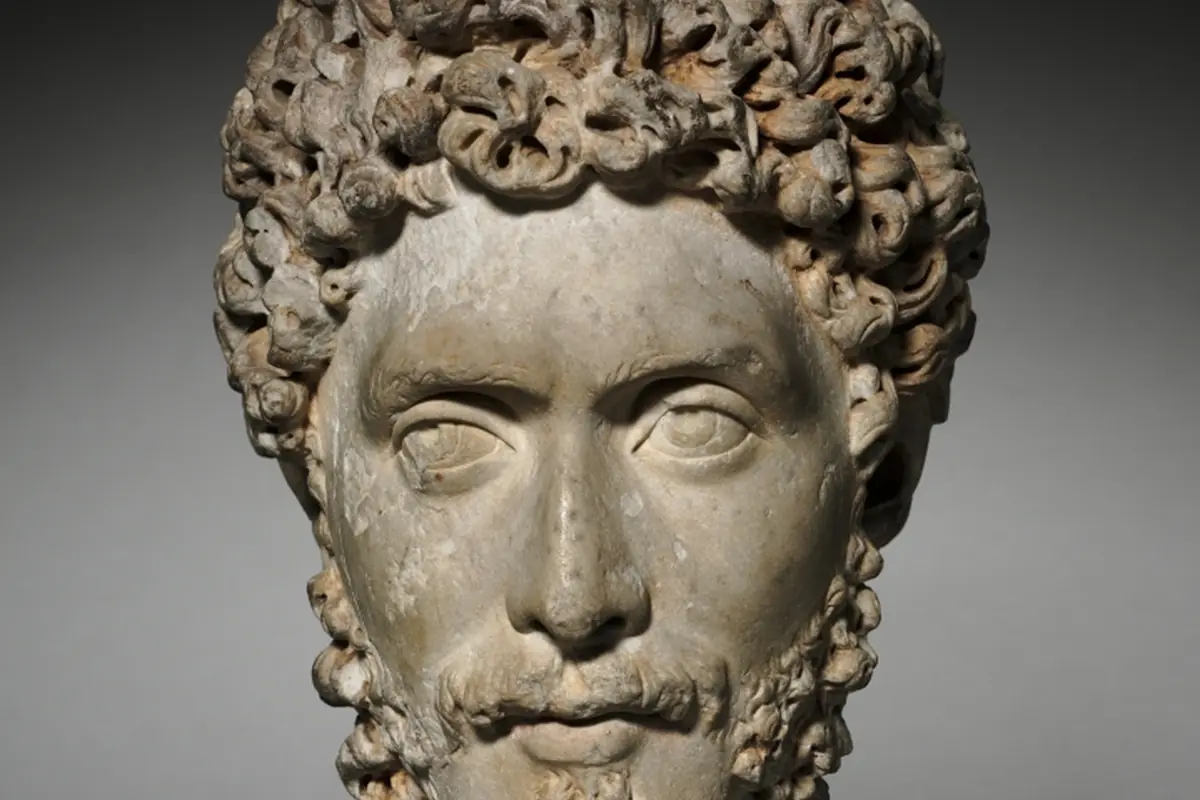
- Portrait Head of a Noble or Official (175–200 CE) — Cleveland Museum of Art, CC0 1.0
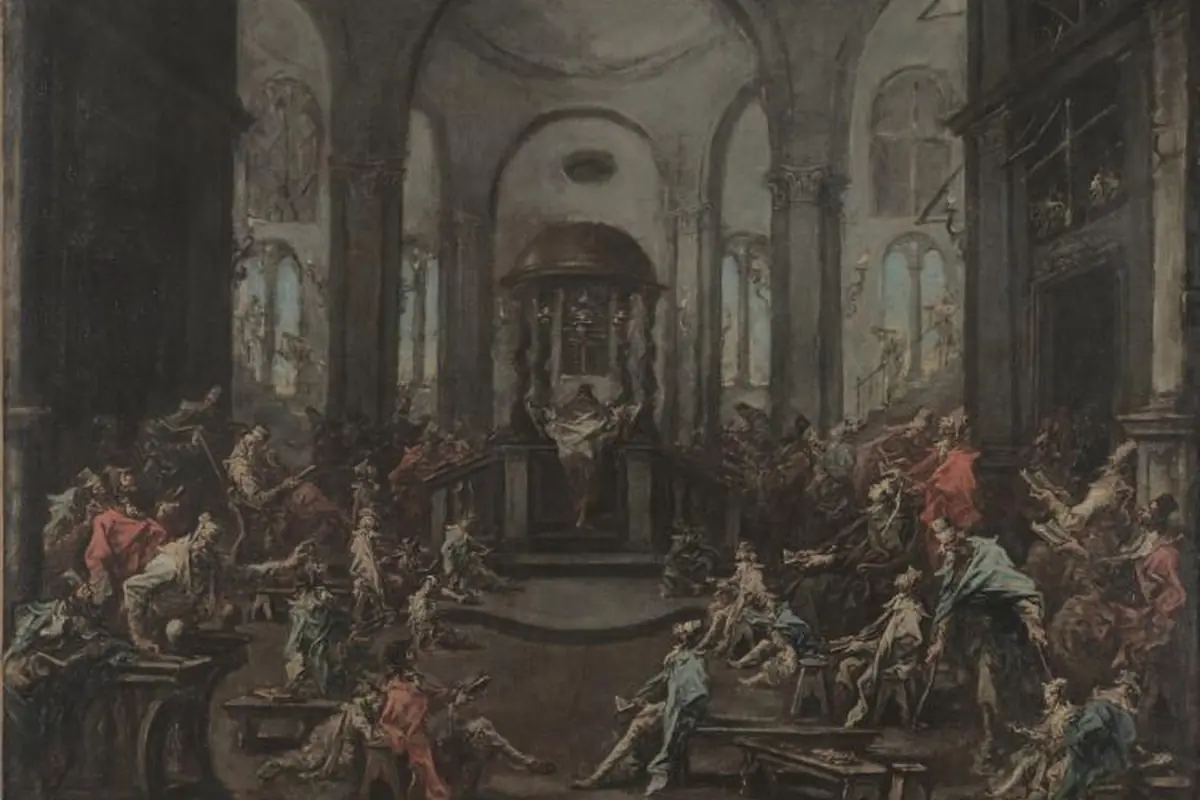
- Interior of a Synagogue, Alessandro Magnasco (c. 1725–35) — Cleveland Museum of Art, CC0 1.0
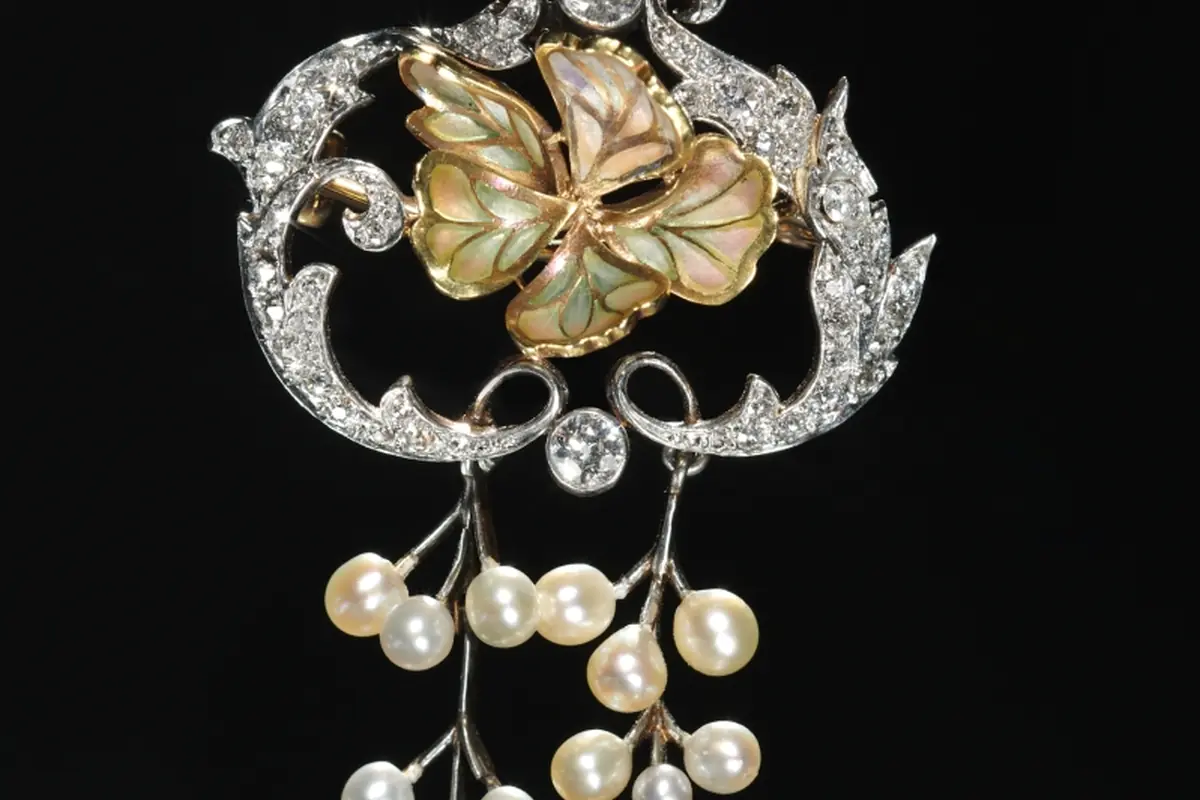
- Brooch (c. 1890–1910) — Cleveland Museum of Art, CC0 1.0
- Adoration of the Shepherds, Carlo Dolci (c. 1670) — Cleveland Museum of Art, CC0 1.0
- The Auction House: The Town Crier, Honoré Daumier (1864, printed 1920) — Cleveland Museum of Art, CC0 1.0
- Saint Peter Repentant, Georges de La Tour (1645) — Cleveland Museum of Art, CC0 1.0
- Portrait of Georges Arnold Fitzwilliam, Charles Balthazar Julien Fevret de Saint-Mémin (c. 1790–1852) — Cleveland Museum of Art, CC0 1.0
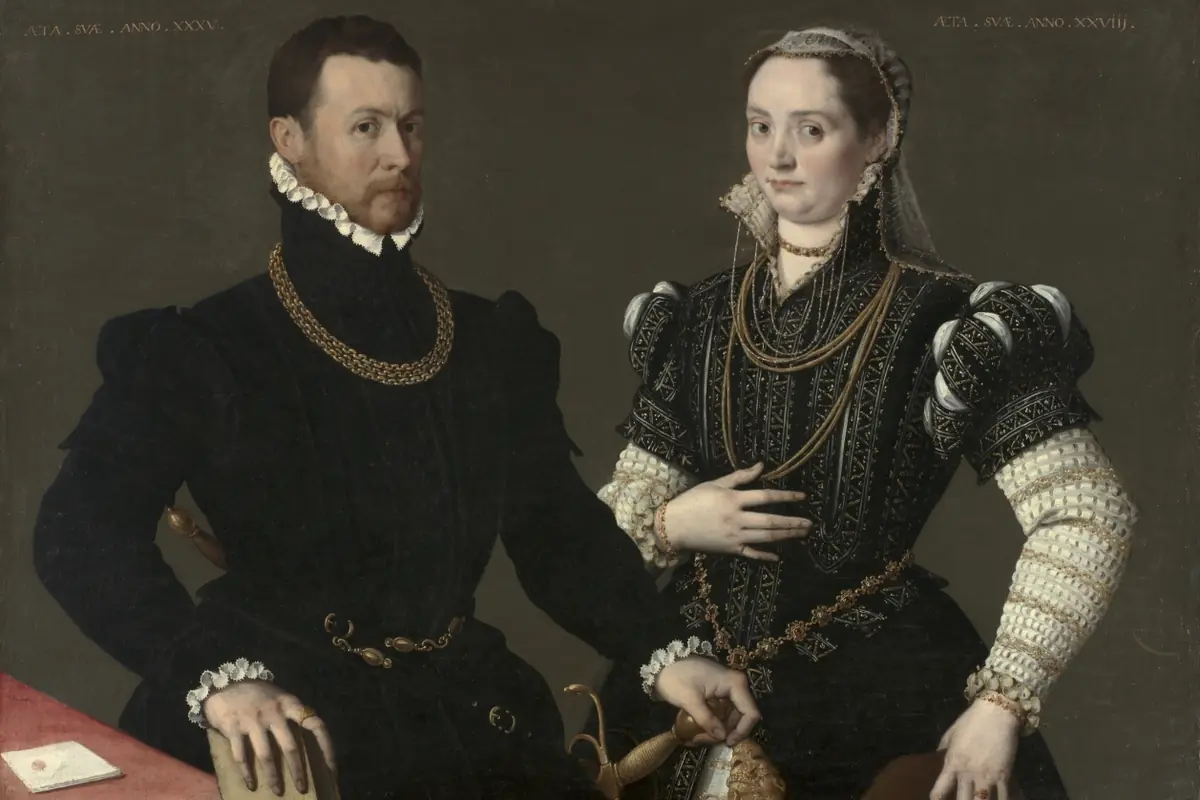
- Portrait of a Couple (c. 1580–88) — Cleveland Museum of Art, CC0 1.0
- Ornamental Brooch (c. 100–300 CE) — Cleveland Museum of Art, CC0 1.0
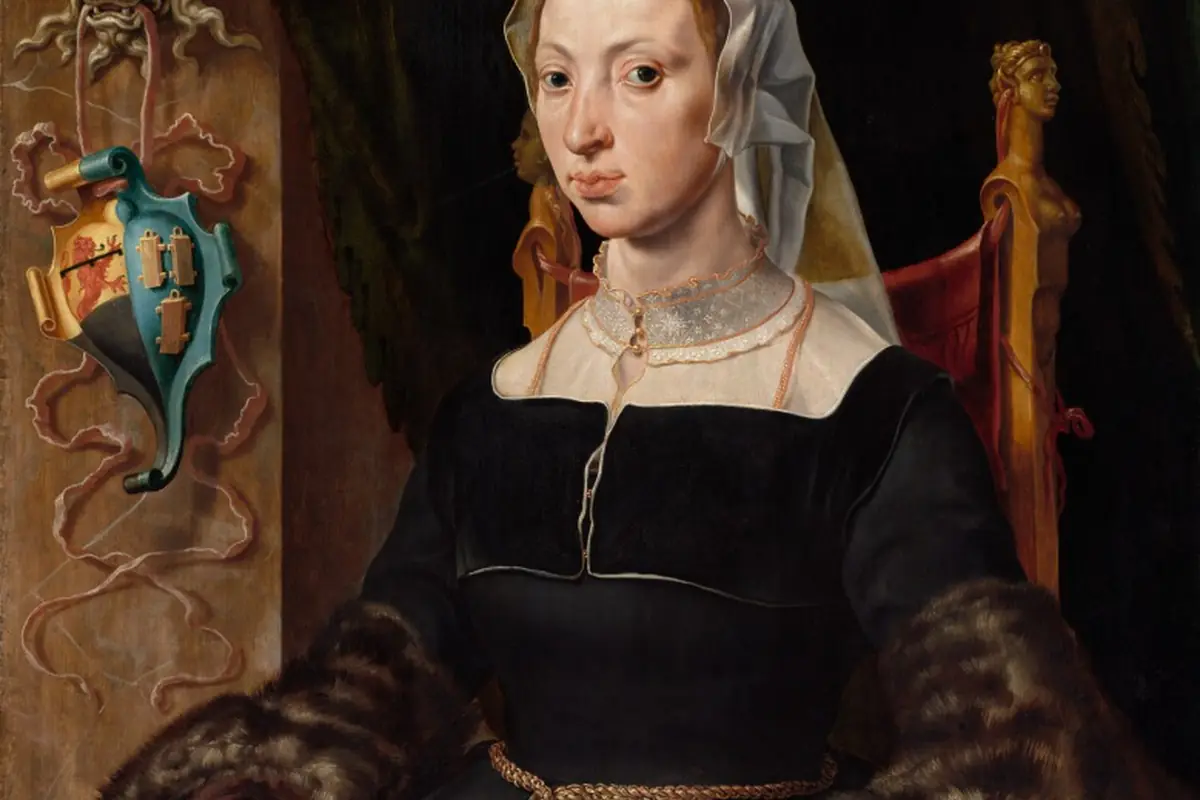
- Portrait of Machtelt Suijs, Maerten van Heemskerck (c. 1540–45) — Cleveland Museum of Art, CC0 1.0
- The Grotto of Posillipo, Hubert Robert (c. 1769) — Cleveland Museum of Art, CC0 1.0
- Marie-Yolande de Fitz-James, Henri Fantin-Latour (1867) — Cleveland Museum of Art, CC0 1.0
- Study for "A Sunday on La Grande Jatte", Georges Seurat (1884) — The Metropolitan Museum of Art, CC0 1.0
- Plaque (1500s–1600s) — Cleveland Museum of Art, CC0 1.0
- An Old Clothes Shop, Seven Dials, John Thomson (1877) — Cleveland Museum of Art, CC0 1.0