
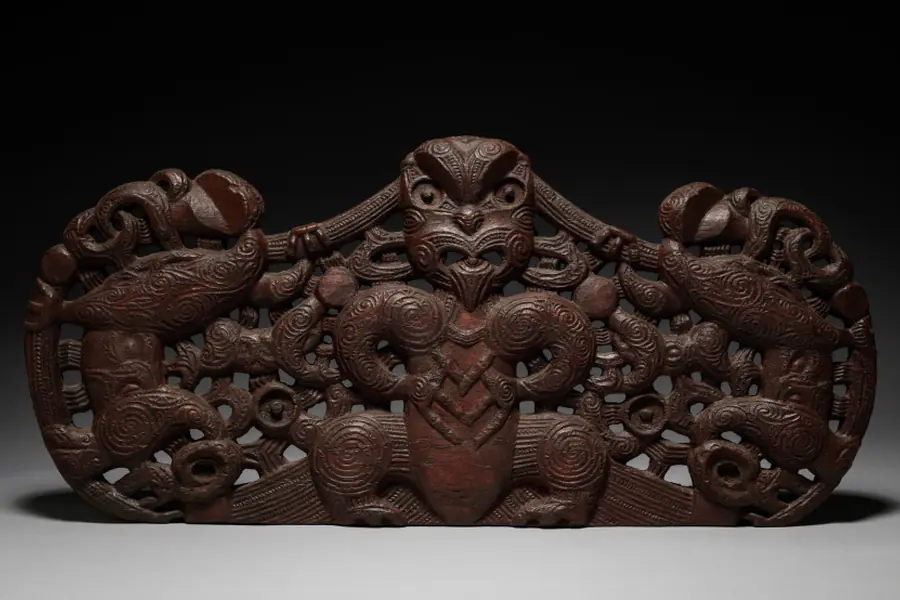
 Cleveland Museum of Art · CC0 1.0
A smaller, rarer market
The arts of Oceania account for €1.2 billion in 2024, i.e. 23% of the tribal art segment. Their index rises by 8.8%, driven by the rarity of quality pieces.
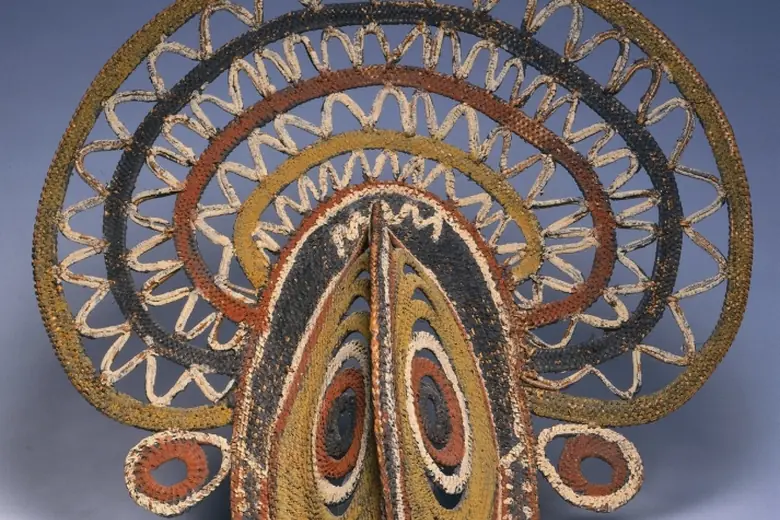
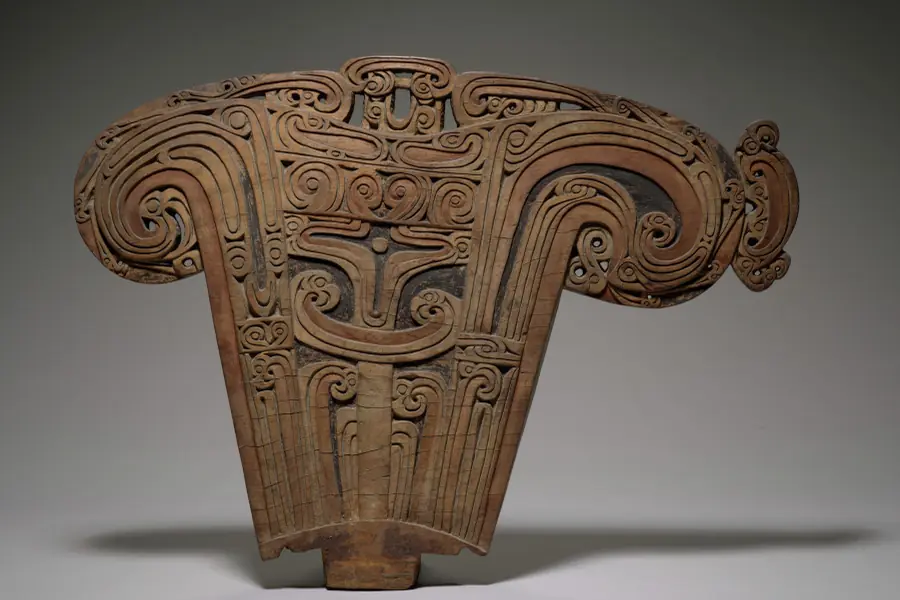
Oceania covers three major areas: Melanesia (New Guinea, Vanuatu, Fiji), Polynesia (Hawaii, New Zealand, French Polynesia) and Micronesia. Each area has its own forms, materials and meanings.
The objects, often made of wood, fibres or feathers, are fragile. Their conservation is a major issue.
Arts of Oceania in figures
Source: OIMAP Observatory.
Objects tied to specific uses
Ceremonial house sculptures, dance masks, feather adornments, canoes and prestige weapons have always had a social or religious use. Many objects were destroyed after the ceremony; those that survive were often taken out of their context in the colonial period.
The documentation challenge is therefore crucial: knowing which region, which clan, which ceremony an object comes from, and whether customary rights attach to it.
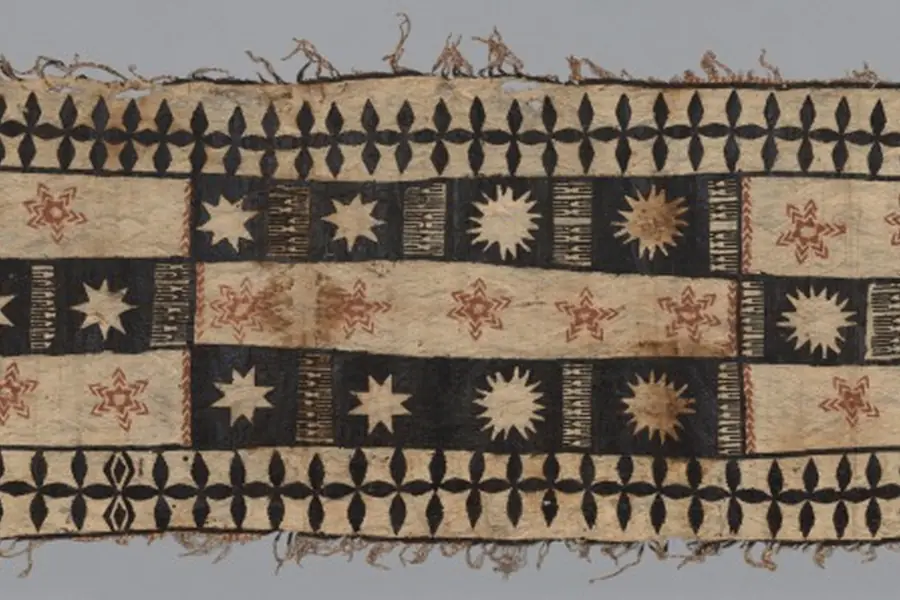
Customary law and ownership
In several Oceanian societies, objects are the property of a clan and cannot be transferred by an individual. A sale agreed by an unauthorised person can be contested decades later.
OIMAP has adopted a protocol for consulting communities of origin for objects likely to be affected. It provides for a consultation period before any certification of provenance.
Conservation, a central issue
Oceanian materials are particularly sensitive to humidity variations, light and insects. A feather cloak exposed to light can lose its colours within a few years; dry wood can split at the first change of temperature.
For these objects, OIMAP conservation reports include a specific protocol: humidity measurement, fibre testing, insect search and storage recommendations.
The areas of Oceania
| Area | Typical objects | Median price | 2024 change |
|---|---|---|---|
| Melanesia | Masks, sculptures, shields | €6,100 | +9.2% |
| Polynesia | Pendants, paddles, tapa | €5,200 | +8.1% |
| Micronesia | Ornaments, navigation | €3,000 | +6.0% |
| Aboriginal Australia | Paintings, ritual objects | €4,400 | +7.5% |
Landmarks
- First collections
Museums in Europe and America.
- Critical recognition
Major exhibitions.
- First restitutions
Return of ritual objects.
- €1.2bn
Up 8.8%.
Consulting the communities
Wood or feathers
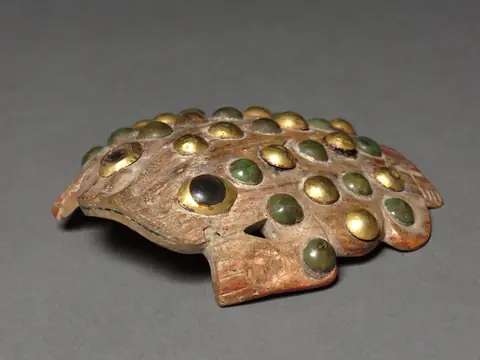
Wooden objects
Sculptures, masks- Durable if well preserved
- Risk of insects
- Dating possible
The widest market.
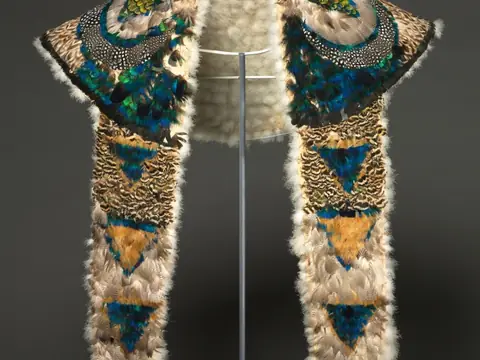
Feather and fibre objects
Adornments, cloaks- Very fragile
- Limited exhibition
- High prices for old pieces
Niche market.
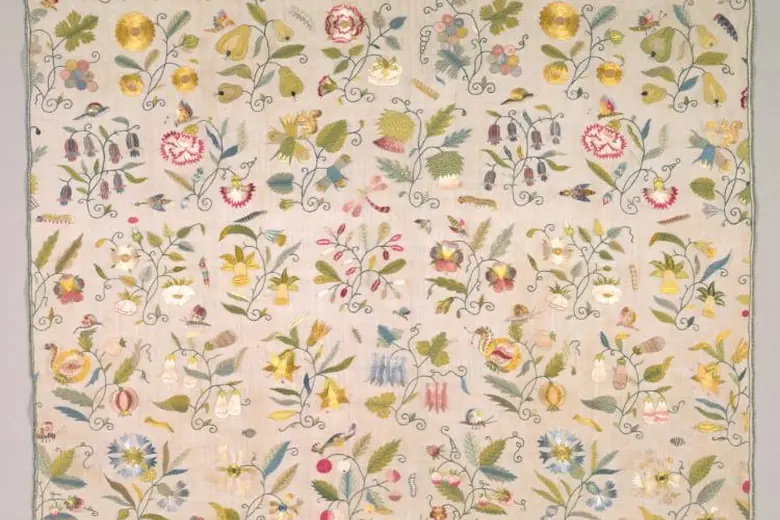
Acquiring an object from Oceania
- Identify
Area, clan, use.
- Document
Collection archives.
- Consult
Communities of origin.
- Preserve
Conservation report.
- Register
Work passport.
Points of vigilance
A conservator
« A feather cloak is as fragile as a memory: it needs care, controlled humidity and a great deal of humility. »
Vocabulary of the arts of Oceania
- Melanesia
- Cultural area of western Oceania.
- Tapa
- Beaten bark cloth.
- Customary law
- Traditional rules of a community.
- Featherwork
- The art of working feathers.
Frequently asked questions
Are feathers regulated?
Yes, by wildlife laws: a licence may be necessary.
How do I consult a community?
Through OIMAP's consultation protocol.
Are Oceanian objects rare?
Yes, notably in good condition.
What is the main risk?
A challenge based on customary law.
Useful documents
Contacts
Related pages
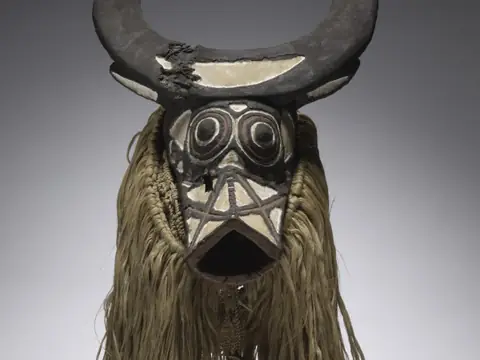 Tribal artThe market for the arts of Africa, Oceania and the Americas: provenance, restitutions, ethics and growth of 9.4%.›
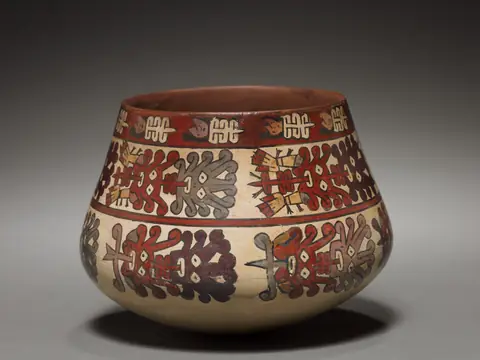 Arts of the AmericasThe market for pre-Columbian and indigenous arts of North and South America, between law and ethics.›
 Conservation reportsThe condition of a work, certified and dated: examination, restoration recommendations and insurance value in a single document.›
See the Americas
Image credits (16)
- Door Lintel (Pare) (1800s) — Cleveland Museum of Art, CC0 1.0
- Panel with Royal Woman, K’in Lakam Chahk (c. 795) — Cleveland Museum of Art, CC0 1.0
- Pendant (Hei-tiki) (1800s) — Cleveland Museum of Art, CC0 1.0
- Woman's Costume (Blue Silk Band) (1800s) — Cleveland Museum of Art, CC0 1.0
- Tapa Cloth (Before 1971) — Cleveland Museum of Art, CC0 1.0
- Frog Ornament (50–800 CE) — Cleveland Museum of Art, CC0 1.0
- Pelerine (Collar or Cape) (c. 1830–1860) — Cleveland Museum of Art, CC0 1.0
- Floral Panel, Probably from a Curtain (early 1600s) — Cleveland Museum of Art, CC0 1.0
- Yam Mask (1900s) — Cleveland Museum of Art, CC0 1.0
- Banded Eyedazzler Style Rug (c. 1890–1900) — Cleveland Museum of Art, CC0 1.0
- Canoe Splashboard (1800s) — Cleveland Museum of Art, CC0 1.0
- Nowshera, Kashmir (number 1000), Samuel Bourne (1864) — Cleveland Museum of Art, CC0 1.0
- Buffalo Mask (early to mid-1900s) — Cleveland Museum of Art, CC0 1.0
- Vessel with Abstract Heads (100 BCE–700 CE) — Cleveland Museum of Art, CC0 1.0
- Miniature Teapot, Mikhail Evlampievich Perkhin (1886–96) — Cleveland Museum of Art, CC0 1.0
- Woman's Costume (Cuff) (1800s) — Cleveland Museum of Art, CC0 1.0