
 Cleveland Museum of Art · CC0 1.0
A four-stage process
TAO mediation follows a precise method: opening, exploration, negotiation, conclusion. The mediator guides these phases without ever imposing. The parties remain masters of the substance and free to leave at any time.
A mediation lasts on average seven weeks, over three to five sessions. It may be held in person, by videoconference or alternating the two.
This page explains the ethical principles, how it unfolds, the place of counsel and the final agreement.
Principle of mediation in figures
Source: Registry of the OIMAP Arbitral Tribunal.
The ethical principles
Mediation rests on four principles: voluntariness (no one is compelled), the neutrality and impartiality of the mediator, the confidentiality of everything said, and the self-determination of the parties, who alone decide the content of the agreement. The mediator declares any links and may be challenged.
The mediator gives no legal opinion, does not decide and reports nothing to the tribunal. The mediator helps to identify the interests behind the positions and to explore options.
How the sessions unfold
The opening session recalls the rules, presents the process and gathers each person's point of view. The mediator may then alternate joint sessions and separate meetings, called caucuses, during which the parties speak freely without it being repeated to the other side.
The negotiation phase explores options, assesses the risks of failure and brings positions closer. If an agreement emerges, the mediator helps to draft it precisely: amount, time limits, obligations, confidentiality clauses.
The role of counsel and experts
The parties may come accompanied by their lawyer or an expert. Counsel play a decisive role in assessing the risks and legally validating the agreement. An independent expert may be jointly called on to shed light on a technical point, for example the value of a work.
The decision-makers must be present or reachable: a mediation often fails because a party's representative lacks authority to settle.
When mediation fails
If no agreement is found, the mediator records the failure, without reasons or details, and arbitration may begin or resume. The mediator cannot be a witness or arbitrator in the case.
Even where mediation fails, the parties often say they have gained clarity about their stakes, which makes arbitration faster. A partial agreement may also narrow down the points to be decided.
Phases of mediation
| Phase | Subject | Duration |
|---|---|---|
| Opening | Rules and framework | 1 session |
| Exploration | Interests and facts | 1 to 2 sessions |
| Negotiation | Options and concessions | 1 to 2 sessions |
| Conclusion | Drafting of the agreement | 1 session |
Milestones
- Request
Acceptance of mediation.
- Appointment
Mediator chosen.
- Opening
First session.
- Negotiation
Options.
- Agreement
Signature.
Authority to settle
Joint session or separate session
Joint
All the parties- Direct dialogue
- Transparency
- Sometimes tense
To move forward together.
Separate
Mediator and one party- Frankness
- Exploration of limits
- Absence of the other
To unblock a situation.
Making a mediation succeed
- Understand
Identify one's interests.
- Assess
Quantify one's alternatives.
- Listen
Understand the other side.
- Propose
Formulate options.
- Conclude
Draft precisely.
Practical advice
One mediator
« My job is to turn a dialogue of the deaf into a conversation. Often, the parties do not want the same thing as what they are claiming. »
Vocabulary of mediation
- Caucus
- Separate meeting with one party.
- Interest
- Real need behind a position.
- Self-determination
- Freedom of the parties to decide.
- Consent award
- Award recording the parties' agreement.
Frequently asked questions
Can the mediator decide?
No.
What becomes of what is said?
Nothing is usable elsewhere.
Is a lawyer needed?
No, but it is useful.
Where can I find the mediators?
See Mediators.
Useful documents
Contacts
Related pages
 MediationReaching an agreement in seven weeks: principle, mediators and request for mediation before the TAO, a confidential and inexpensive amicable route.›
 TAO mediators36 mediators of 22 nationalities: training, ethics, selection criteria and fields of competence.›
 Request mediationHow to start a mediation before the TAO: form, inviting the other party, time limits and first steps.›
See the mediators
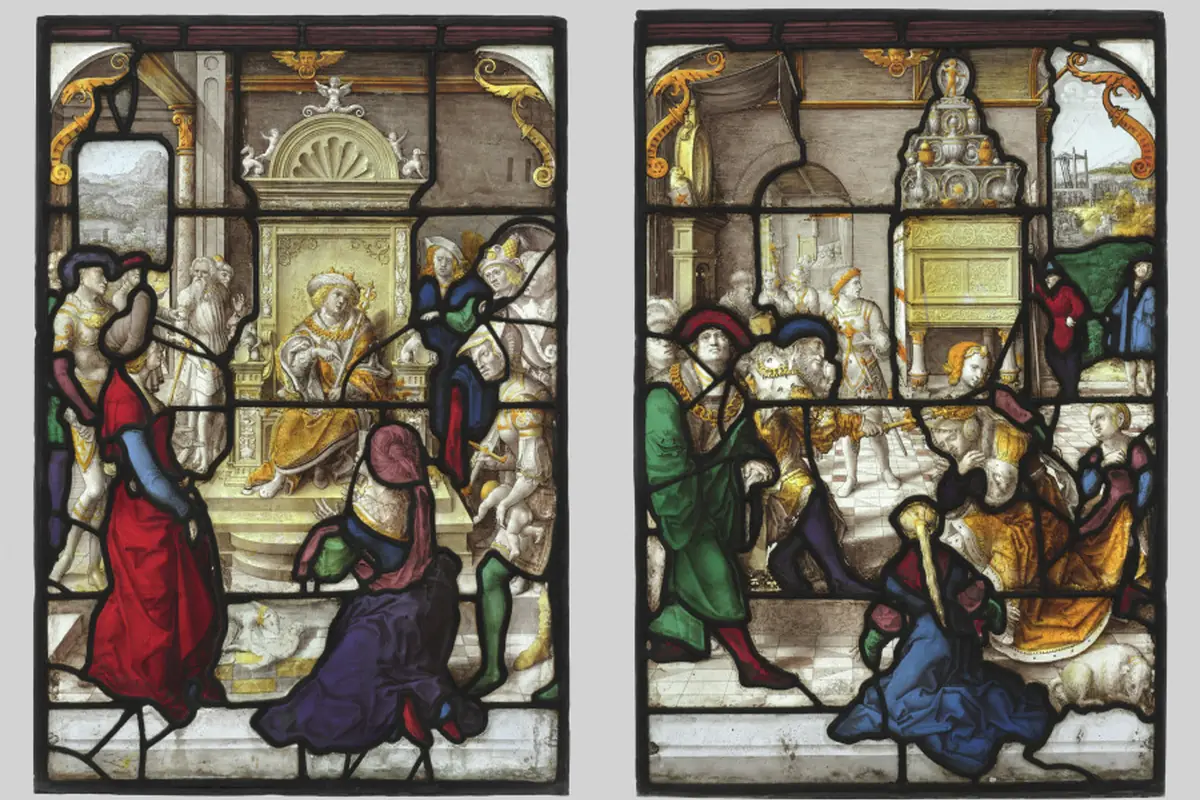
Image credits (16)
- The Victory Banquet: from Battle Scenes of the Quelling of Rebellions in the Western Regions, with Imperial Poems (c. 1765–74; poem dated 1760) — Cleveland Museum of Art, CC0 1.0
- Portrait of a Woman, Giovanni Domenico Tiepolo (1762–70) — Cleveland Museum of Art, CC0 1.0
- Portrait of John VIII Palaoelogus, Emperor of Constantinople, 1424-1428 (reverse), Pisanello (c. 1438–1439) — Cleveland Museum of Art, CC0 1.0
- The Antechamber of the Palace of Justice, Paris, Charles Meryon (1855) — Cleveland Museum of Art, CC0 1.0
- The Dance at the Court of Herod, Israhel van Meckenem (c. 1500) — Cleveland Museum of Art, CC0 1.0
- Portrait of a Woman, John I Smart (c. 1772) — Cleveland Museum of Art, CC0 1.0
- Coronation of the Virgin, Christoffel Jegher (1632–36) — Cleveland Museum of Art, CC0 1.0
- Sketches in Belgium and Germany, Volume I: Hall of Justice of the Magistrates du Franc, Bruges, Louis Haghe (1840) — Cleveland Museum of Art, CC0 1.0
- Portrait of a Woman, Agnolo Bronzino (c. 1550) — Cleveland Museum of Art, CC0 1.0
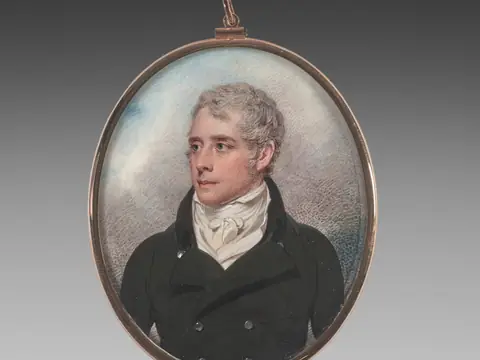
- Portrait of a Man, Possibly Sir Soulden Lawrence, John I Smart (1770) — Cleveland Museum of Art, CC0 1.0
- Portrait of a Woman, Anna Claypoole Peale (1820) — Cleveland Museum of Art, CC0 1.0
- Small Mosque in the Kaiserbagh, Felice A. Beato (1858) — Cleveland Museum of Art, CC0 1.0
- Portrait of Sandford Peacocke, William Wood (1801) — Cleveland Museum of Art, CC0 1.0
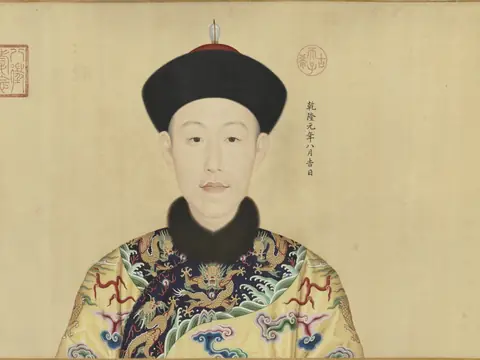
- Portraits of the Qianlong Emperor and His Twelve Consorts, Giuseppe Castiglione (1736–70s) — Cleveland Museum of Art, CC0 1.0
- The Calumny of Apelles, Giorgio Ghisi (1560) — Cleveland Museum of Art, CC0 1.0
- The Judgment of Solomon and Esther before Ahasuerus (pair), Dirk Vellert (c. 1530) — Cleveland Museum of Art, CC0 1.0