
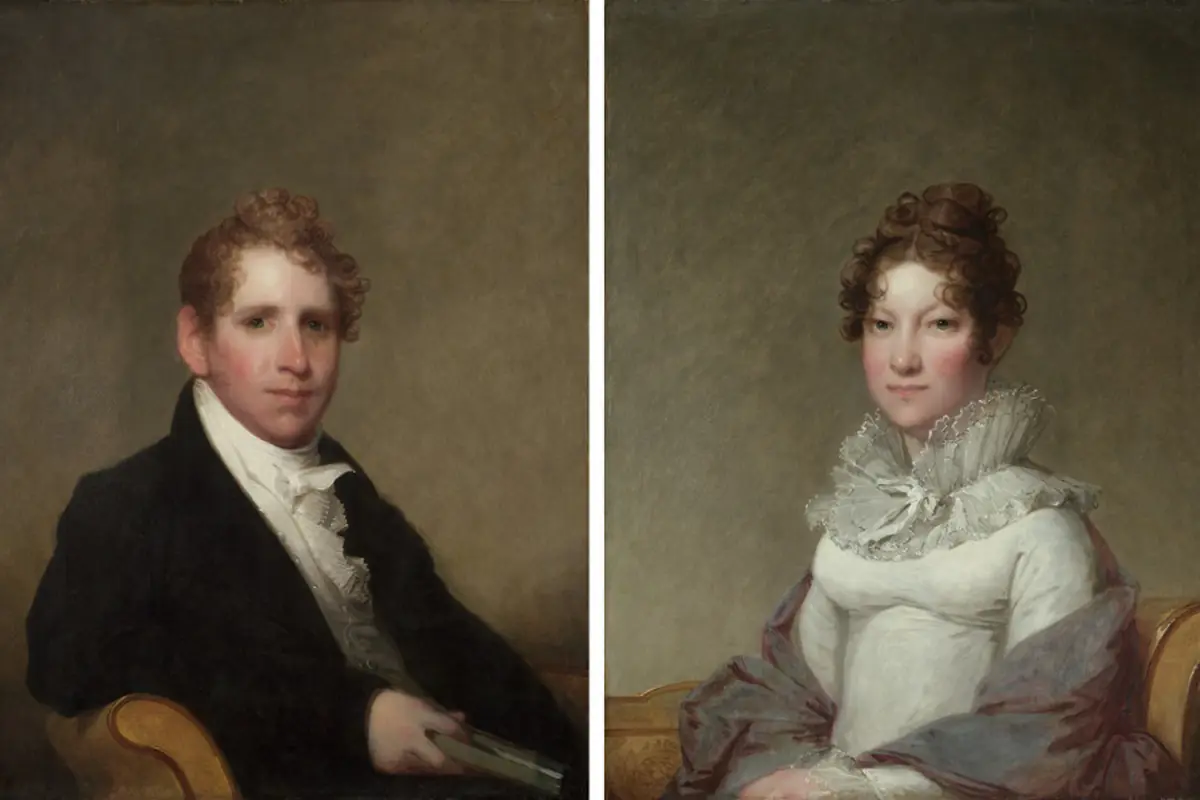
 Cleveland Museum of Art · CC0 1.0
Seeing what matters
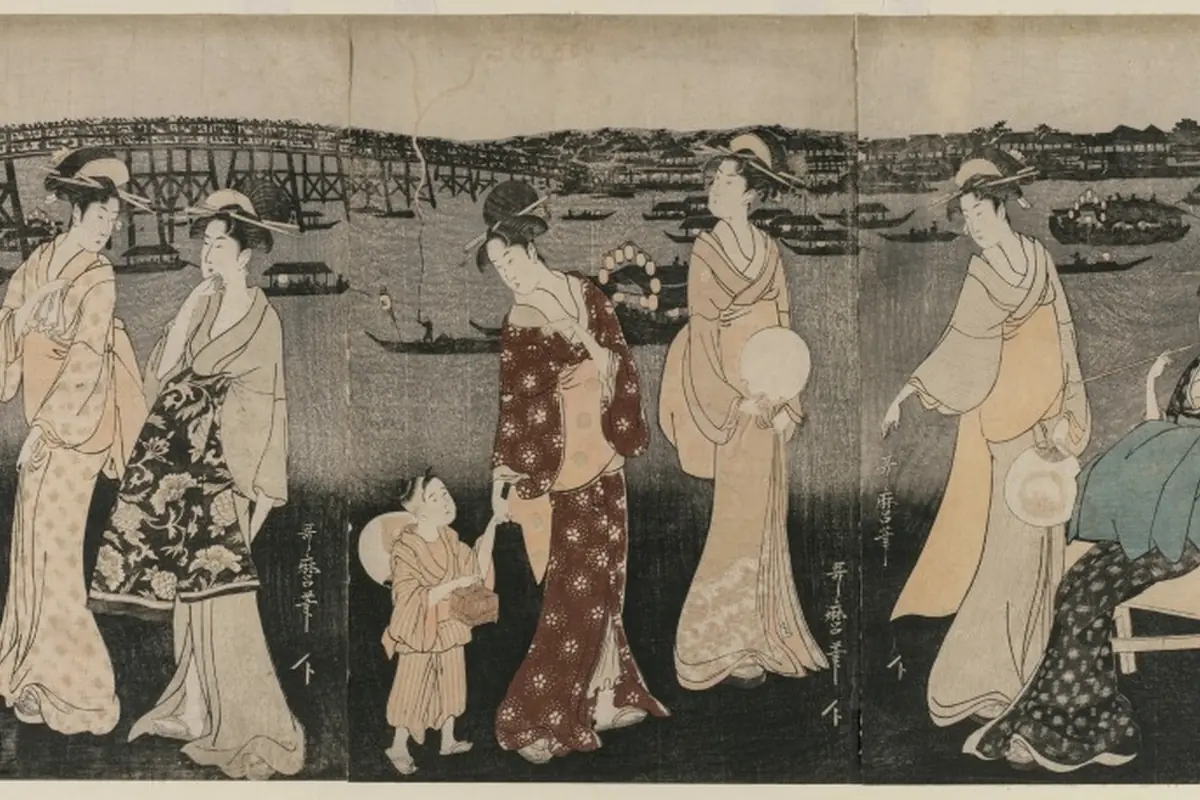
Many cultural objects do not look worth much: a dull clay tablet, a ceramic fragment, a lustreless statuette. Yet it is sometimes a major piece, stolen or looted. Knowing how to recognise the essentials is the investigator's first skill.
This page presents the categories of property, the signs of age or value, how to photograph them and compare them with the BIOP database.
It complements the identification sheets in the Customs guide, which detail each type of object.
Identifying cultural property in figures
Source: OIMAP Heritage Protection Department.
The signs of cultural property
Some signs should raise an alert: natural wear of surfaces, concretions of earth or limestone, uniform patina, traces of old tools, inscriptions or signatures. The packaging itself is a sign: old newspaper, careful wrapping, protective foam.
Context matters: place of discovery, presence of several similar objects, accompanying documents, behaviour of the persons questioned. An object found in a vehicle in transit without an invoice is more suspect than an object displayed in a gallery.
Photographing in order to recognise
Photograph the object from the front, side, back and underneath, with a scale ruler and a neutral background. Add close-ups of details: signature, mark, break, restoration. These images make it possible to search by image in the BIOP database and to send them to an expert.
Images are timestamped and kept in the file. For a fragile object, photography replaces handling: avoid moving it until you are sure what you are doing.
Comparing with the database
After photographing, the officer consults the BIOP database: search by keywords, by criteria, by image. If there is a match, they compare the details: dimensions, marks, restorations, condition. They then contact the BIOP unit, which confirms or rules out.
Where there is no match, the object may still be suspect: the absence of a report is not proof of lawfulness. The officer then assesses the other signs and, if necessary, requests an appraisal.
Common pitfalls
Several pitfalls await the non-specialist. A repainted object may look recent when it is old. A careful copy may seem authentic. An ordinary object may be part of a major set. Investigators are invited to document widely and to rule nothing out without advice.
OIMAP's specialists remain available for any question, however simple. The unit would rather answer a useless question ten times than miss an important seizure.
Categories and identifying elements
| Category | What to look at first | What to photograph |
|---|---|---|
| Painting | Signature, support, stretcher, labels on the back | Front, back, signature |
| Sculpture | Foundry mark, base, dimensions | Four sides, mark |
| Archaeology | Material, breaks, concretions | Details, breaks |
| Tribal art | Patina, wear, accessories | Front, side, details |
| Manuscript | Binding, bookplate, script | Covers, title page |
Landmarks
- Observation
Look without touching.
- Photography
All views.
- Search
BIOP, keywords, image.
- Comparison
Precise details.
- Decision
Seize or alert.
Fakes are numerous
Visual recognition or expert recognition
Visual
By the officer- Immediate
- Based on simple criteria
- Risk of false positives
First level.
Expert
By a specialist- Reliable
- Delay of a few hours
- Necessary to decide
Second level.
Recognise property
- Observe
Look in detail.
- Photograph
Document all sides.
- Search
Query the BIOP.
- Compare
Note the matches.
- Decide
Seize or ask for an opinion.
Details to note
An archaeology expert
« A good investigator knows how to see what is strange. A patina that is too uniform, a break that is too clean: these details say a lot. »
Vocabulary of identification
- Patina
- Aged surface of an object.
- Concretion
- Mineral deposit on a buried object.
- Stretcher
- Wooden frame on which a canvas is stretched.
- Bookplate
- Mark of ownership of a book.
Frequently asked questions
How to recognise an archaeological object?
See the identification sheets.
Can I send photos to OIMAP?
Yes, through the secure line.
Who authenticates?
An accredited expert.
What to do with an object that has no match?
Assess the signs and request an appraisal.
Useful documents
Contacts
Related pages
 Law enforcement guideRecognising cultural property, carrying out a seizure by the book and knowing whom to contact: OIMAP's practical guide for police officers, gendarmes and magistrates.›
 Seizure procedureSecuring, handling, documenting, keeping and passing on: the steps of a seizure of cultural property that complies with the law and protects the object.›
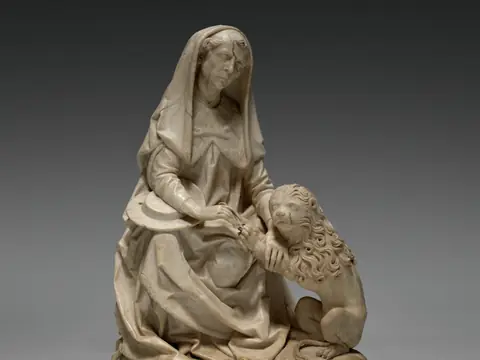 Image search in the BIOPFind a work from a simple photograph thanks to the visual fingerprint, even if you do not know the artist or title.›
See the seizure procedure
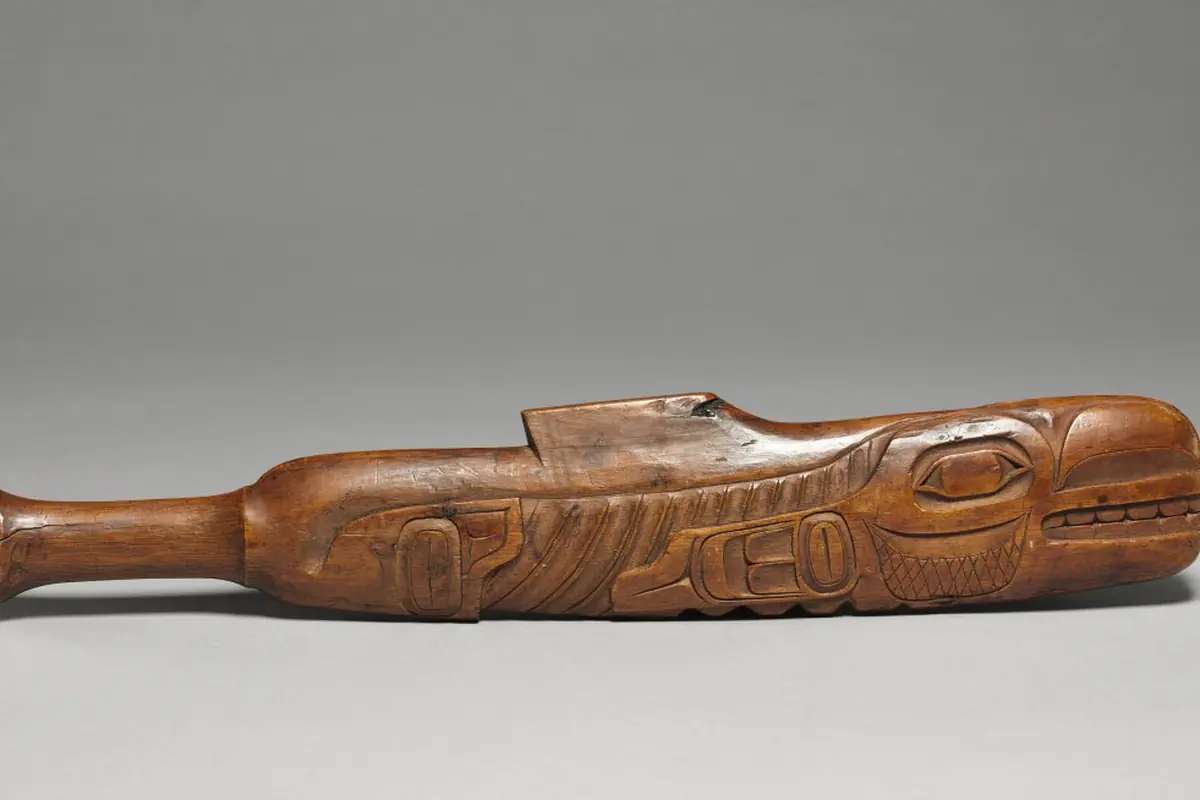
Image credits (16)
- Dr. James Stuart; Mary Campbell Stuart, Gilbert Stuart (c. 1815) — Cleveland Museum of Art, CC0 1.0
- Enjoying the Evening Cool Along the Sumida River, Kitagawa Utamaro (c. 1797–98) — Cleveland Museum of Art, CC0 1.0
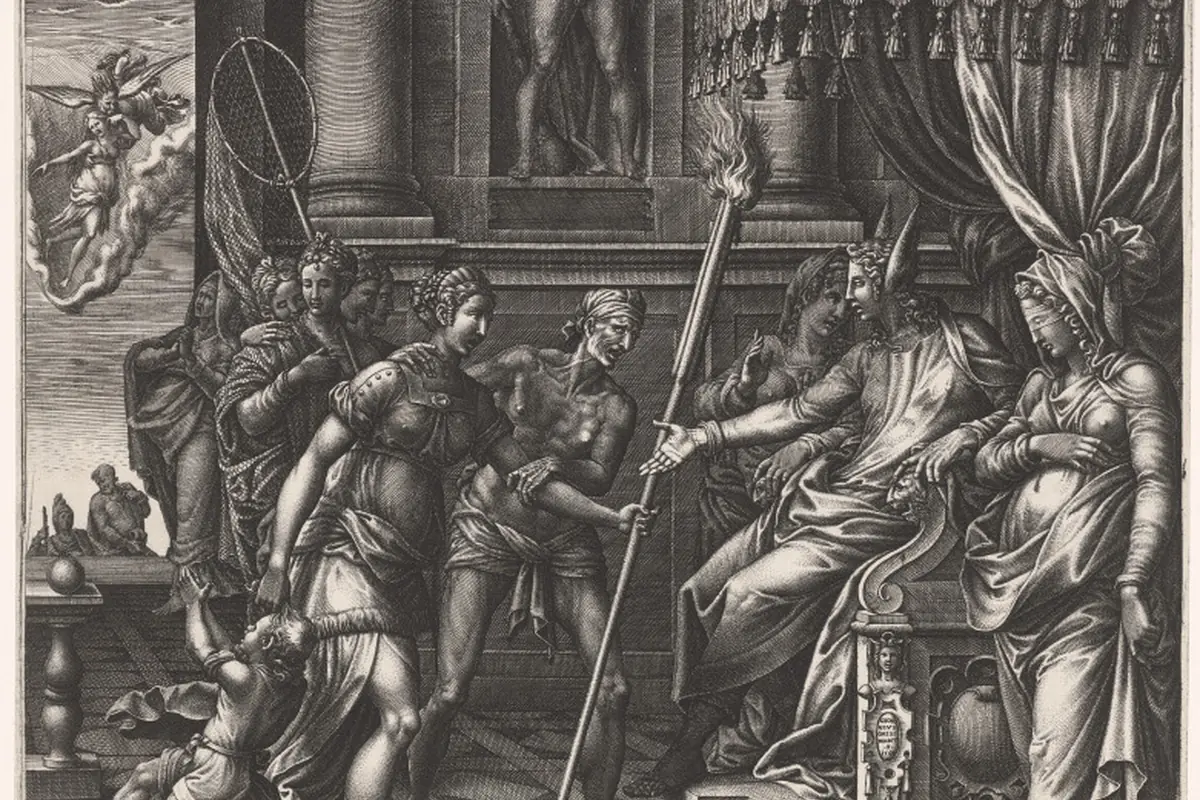
- The Calumny of Apelles, Giorgio Ghisi (1560) — Cleveland Museum of Art, CC0 1.0
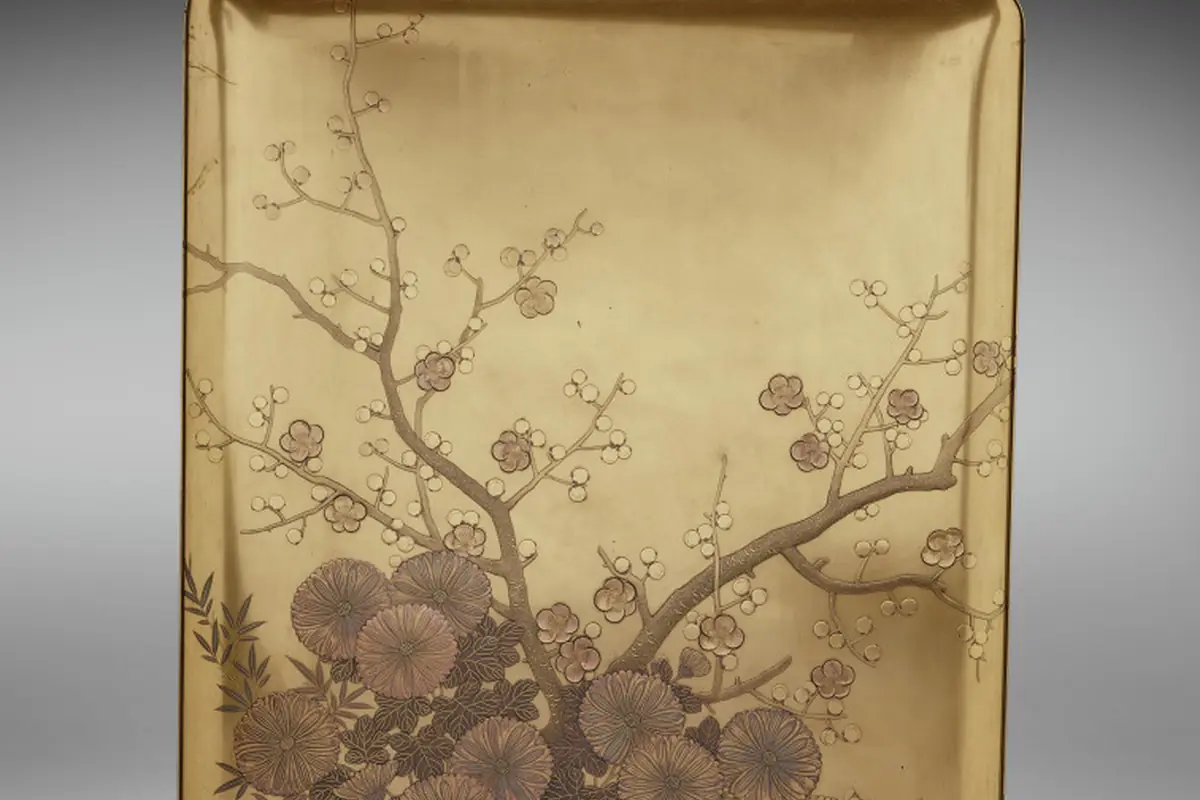
- Document Box (Ryōshibako) with Chrysanthemum and Plum (lid) (late 1800s-early 1900s) — Cleveland Museum of Art, CC0 1.0
- The Judgment of Solomon and Esther before Ahasuerus (pair), Dirk Vellert (c. 1530) — Cleveland Museum of Art, CC0 1.0
- Net Fishing at Night on the Sumida River, Kitagawa Utamaro (c. 1800) — Cleveland Museum of Art, CC0 1.0
- Sketches in Belgium and Germany, Volume I: Hall of Justice of the Magistrates du Franc, Bruges, Louis Haghe (1840) — Cleveland Museum of Art, CC0 1.0
- Teapot with Landscape and Imperial Poem, Chen Hanwen (1762–95) — Cleveland Museum of Art, CC0 1.0
- The Antechamber of the Palace of Justice, Paris, Charles Meryon (1855) — Cleveland Museum of Art, CC0 1.0
- A Rocky Cove with Fishing Boats, Allart van Everdingen (late 1650s) — Cleveland Museum of Art, CC0 1.0
- The Storm, James McNeill Whistler (1861) — Cleveland Museum of Art, CC0 1.0
- Temple of Ramesses II, Abu Simbel, Antonio Beato (c. 1860s) — Cleveland Museum of Art, CC0 1.0
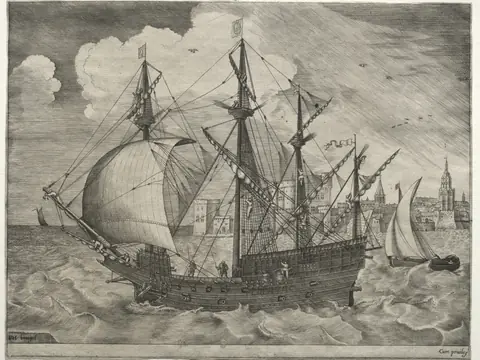
- Sailing Vessels: Armed Four-Master Putting Out to Sea, Pieter Bruegel (1561–65) — Cleveland Museum of Art, CC0 1.0
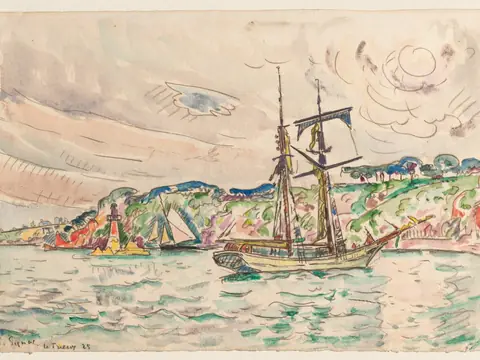
- Ships near the Trieux River, Paul Signac (1925) — Cleveland Museum of Art, CC0 1.0
- Saint Jerome and the Lion (From the former Church of St. Peter in Erfurt), Tilman Riemenschneider (c. 1495) — Cleveland Museum of Art, CC0 1.0
- Fish or Seal Club (X’ús’) (late 1800s–early 1900s) — Cleveland Museum of Art, CC0 1.0