
 Cleveland Museum of Art · CC0 1.0
Understanding what the text allows… and what it does not
An international text is worth what its interpreters make of it. The commentaries presented here bring together the analyses of lawyers, the practices of States and the decisions that have shaped understanding of the 1970 Convention.
They shed light on three questions: to which property does the Convention apply, what effects does it have on good-faith acquirers, and how does it fit with the other texts.
They reflect the position of OIMAP's Legal Affairs Department and do not replace personalised legal advice.
Commentaries on the UNESCO Convention 1970 in figures
Source: OIMAP Legal Affairs Department.
The question of retroactivity
The Convention does not apply retroactively: it covers only illicit transfers after its entry into force in the States concerned. Property that left a country in 1950 is therefore not covered by the Convention itself, even if other rules, national or ethical, may lead to its return.
This limit explains why many historical claims are settled through negotiation, mediation or bilateral agreements rather than by direct application of the text.
Good faith and compensation
The text provides for fair compensation for the good-faith acquirer of stolen and inventoried property. The interpretation of good faith varies: some judges require a serious examination of provenance, others are satisfied with the absence of knowledge of the theft.
The trend is towards demandingness: good faith is increasingly assessed by the standard of the diligence performed. The 2019 OIMAP directives have accentuated this movement by defining precisely the checks expected of a professional.
Current debates
Several debates animate the doctrine: should the notion of cultural property be extended to digital data, how to treat property exported before 1970 but whose departure was already contestable, and what role for mediation in restitutions?
These debates feed OIMAP's work, which devoted a symposium in 2023 to the future of the Convention. The proceedings have been published in the legal library and feed the ongoing consultations.
The five major questions
| Question | Dominant answer | Consequence |
|---|---|---|
| Does the Convention apply to facts prior to 1972? | No, not retroactively | Negotiations and bilateral agreements |
| Who can request restitution? | The requesting State party | Diplomatic procedure |
| Is the good-faith acquirer protected? | Yes, through compensation | Cost for the requesting State |
| Can a private individual invoke the Convention? | Not directly | Going through national law |
| Is an inventory needed? | Yes for property stolen from a museum | Importance of inventories |
Landmarks
- Entry into force
Start of application.
- UNIDROIT
Private law takes over.
- Operational guidelines
Clarification of mechanisms.
- Update of the commentaries
Integration of recent case law.
Personalised advice is still necessary
Strict reading or evolving reading
Strict reading
Respect for the text as adopted- Legal certainty
- No retroactivity
- Limits claims
Position of several importing States.
Evolving reading
Taking current practices into account- Increased diligence
- Ethical responsibility
- Eases restitutions
Position of many States of origin.
Using the commentaries
- Identify
State the question precisely.
- Search
Find the corresponding commentary.
- Compare
Read several readings.
- Check
Consult the case law.
- Adapt
Transpose to your situation.
To keep in mind
A law professor
« Lawyers read the 1970 Convention as a living text: its words have changed little, but its context has. »
Vocabulary of interpretation
- Retroactivity
- Application of a text to earlier facts.
- Bilateral agreement
- Agreement between two States.
- Case law
- All court decisions taken together.
- Doctrine
- Analyses by lawyers.
Frequently asked questions
Are the commentaries official?
No, they are analyses by the Legal Affairs Department.
Where can I find the decisions cited?
In the case law.
How can I challenge a reading?
Through the public consultation or the contact form.
What is the link with UNIDROIT?
See the UNIDROIT Convention 1995.
Useful documents
Contacts
Related pages
 UNESCO Convention 1970The 1970 Convention on the means of prohibiting and preventing the illicit import, export and transfer of ownership of cultural property.›
 UNIDROIT Convention 1995The 1995 Rome Convention on stolen or illegally exported cultural objects: restitution before the courts and compensation of the diligent possessor.›
 Case law640 summarised court and arbitration decisions: authenticity, provenance, ownership, good faith, restitution and operators' liability.›
See the UNIDROIT Convention
Image credits (16)
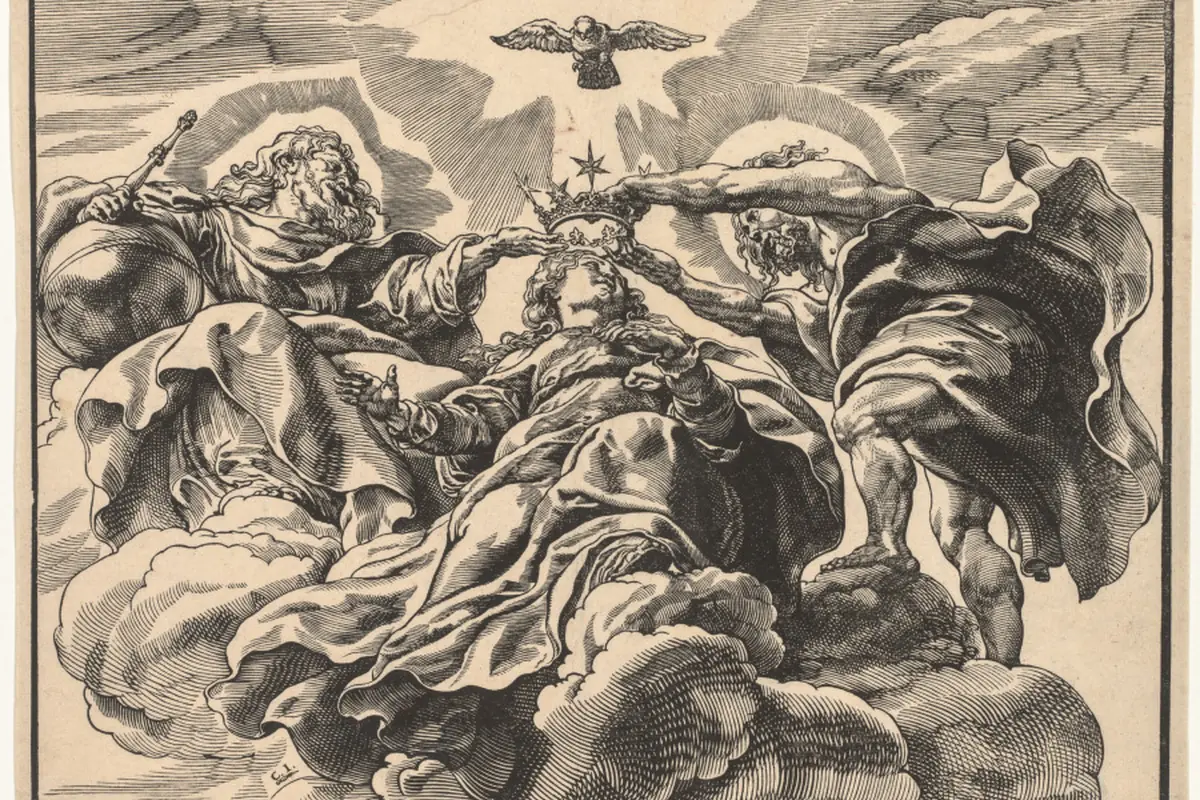
- Coronation of the Virgin, Christoffel Jegher (1632–36) — Cleveland Museum of Art, CC0 1.0
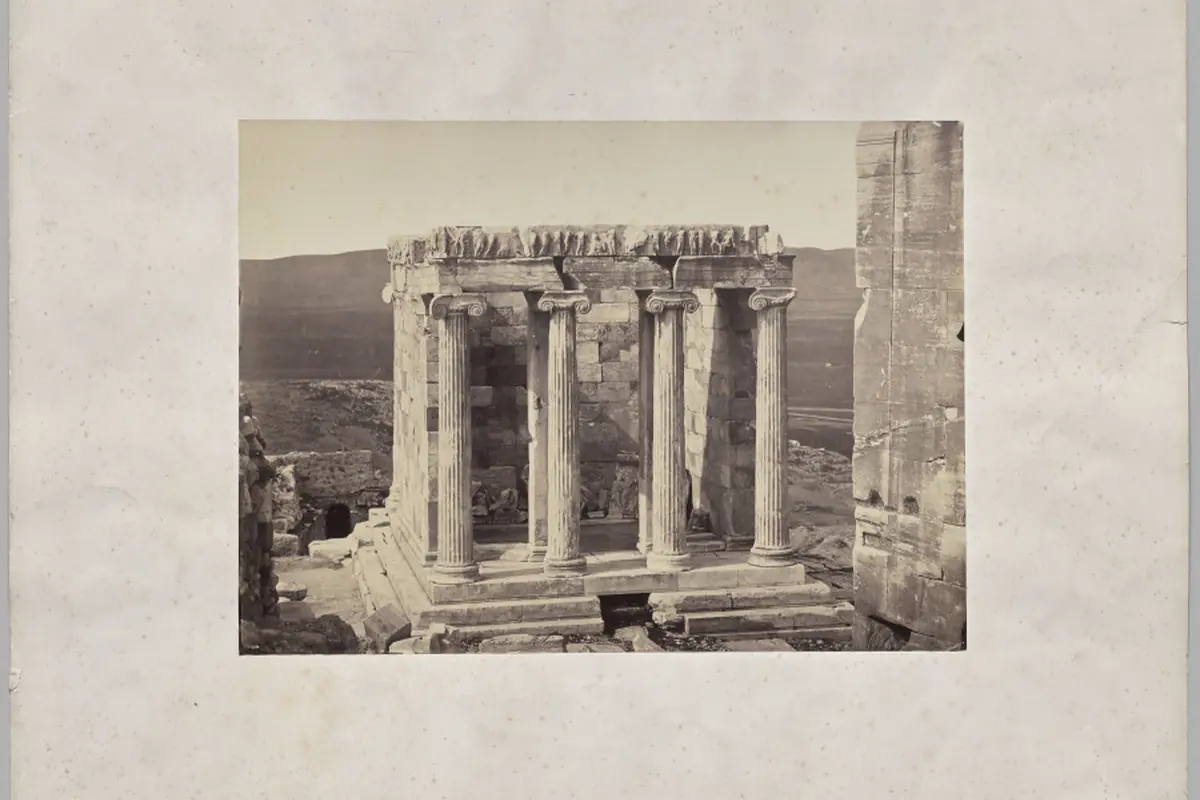
- Temple of Athene Nike. Venus Victrix—Wingless Victory, Dimitrios Constantin (c. 1850s–60s) — Cleveland Museum of Art, CC0 1.0
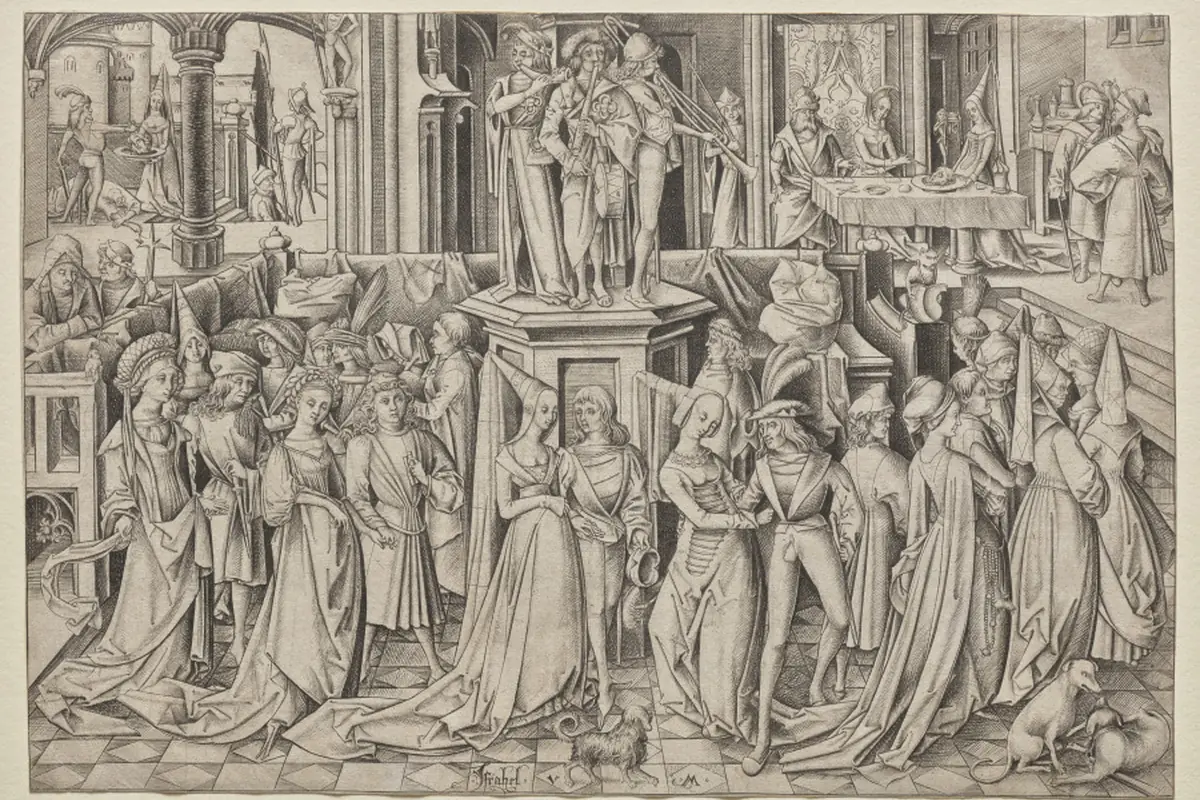
- The Dance at the Court of Herod, Israhel van Meckenem (c. 1500) — Cleveland Museum of Art, CC0 1.0
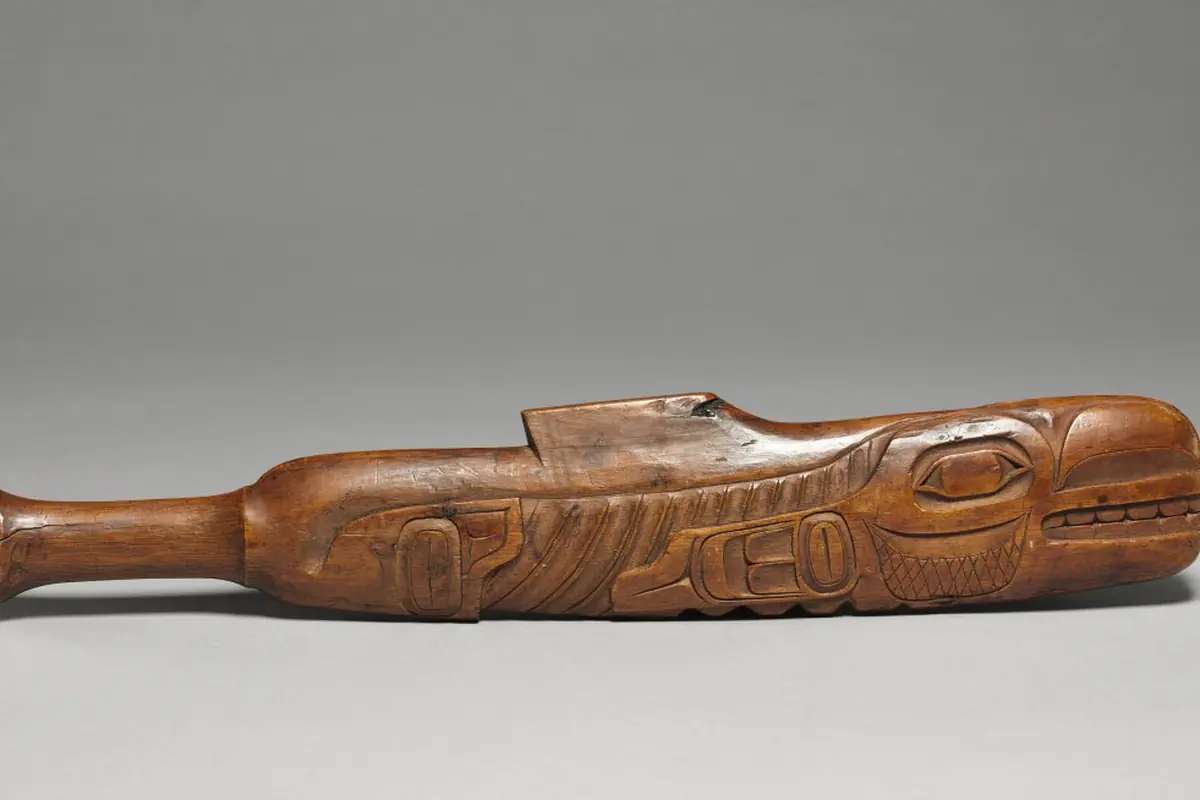
- Fish or Seal Club (X’ús’) (late 1800s–early 1900s) — Cleveland Museum of Art, CC0 1.0
- Portrait of John VIII Palaoelogus, Emperor of Constantinople, 1424-1428 (reverse), Pisanello (c. 1438–1439) — Cleveland Museum of Art, CC0 1.0
- View of the Gulf of Pozzuoli from Solfatara, Philipp Hackert (1803) — Cleveland Museum of Art, CC0 1.0
- The Victory Banquet: from Battle Scenes of the Quelling of Rebellions in the Western Regions, with Imperial Poems (c. 1765–74; poem dated 1760) — Cleveland Museum of Art, CC0 1.0
- Teapot with Landscape and Imperial Poem, Chen Hanwen (1762–95) — Cleveland Museum of Art, CC0 1.0
- Châteauvieux-sur-Suran, Antoine-Claude Ponthus-Cinier (1848) — Cleveland Museum of Art, CC0 1.0
- Egypt and Nubia, Volume I: Pyramids of Geezeh, from the Nile, Louis Haghe (1846) — Cleveland Museum of Art, CC0 1.0
- Vue générale prise à l'angle sud-ouest, Philoe, Maxime Du Camp (1849–50) — Cleveland Museum of Art, CC0 1.0
- Roman Ruins, Villa Pamfili, Hubert Robert (1774) — Cleveland Museum of Art, CC0 1.0
- View of the Château of Pierrefonds, François-Louis Français (c. 1870) — Cleveland Museum of Art, CC0 1.0
- The Antechamber of the Palace of Justice, Paris, Charles Meryon (1855) — Cleveland Museum of Art, CC0 1.0
- Hours of Queen Isabella the Catholic, Queen of Spain, Master of the First Prayerbook of Maximillian (c. 1500) — Cleveland Museum of Art, CC0 1.0
- Document Box (Ryōshibako) with Chrysanthemum and Plum (lid) (late 1800s-early 1900s) — Cleveland Museum of Art, CC0 1.0