
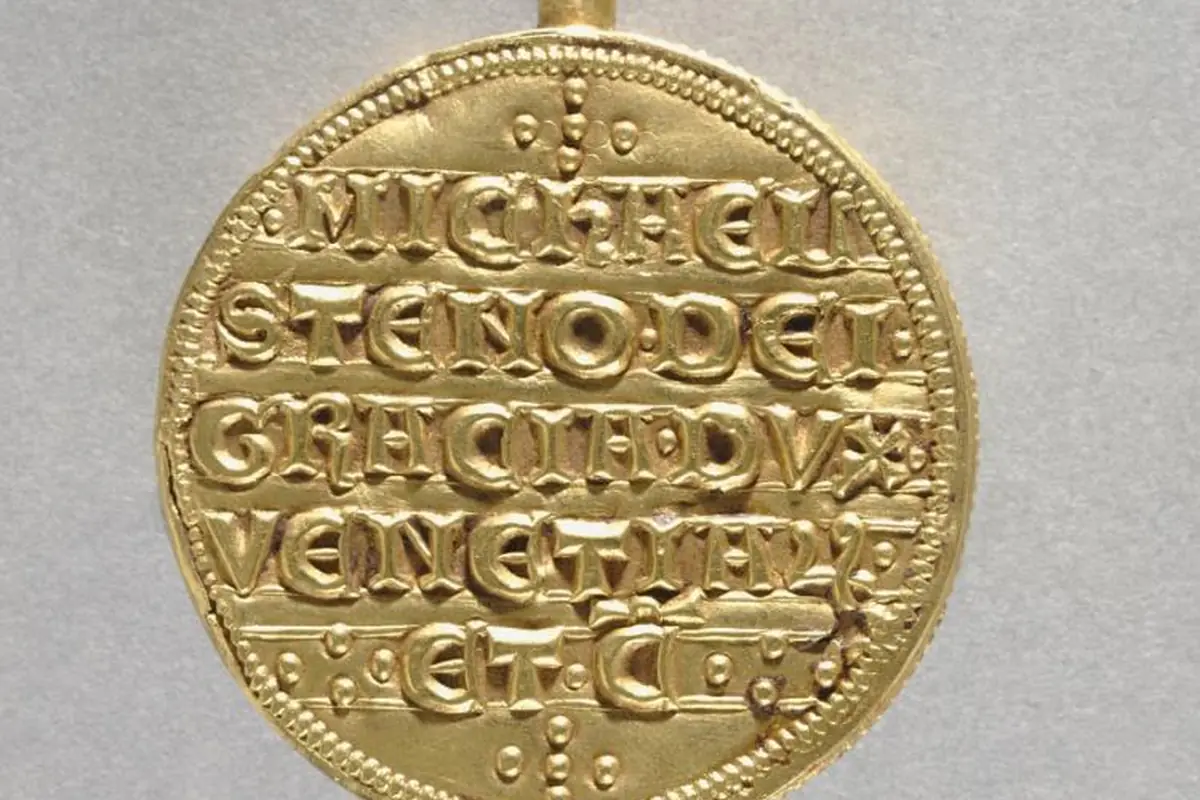
 Cleveland Museum of Art · CC0 1.0
Every kind of property has its risks
A painting is not stolen like an archaeological piece, and an African mask is not resold like an antique piece of furniture. Classifying alerts by type of property lets each specialist — expert, dealer, customs officer — go straight to what concerns them.
Nine categories are distinguished. Each has a page with current alerts, identifying features and prevention advice.
This page presents the breakdown, the specifics of each category and points of attention.
Alerts by type of property in figures
Source: OIMAP Heritage Protection Department.
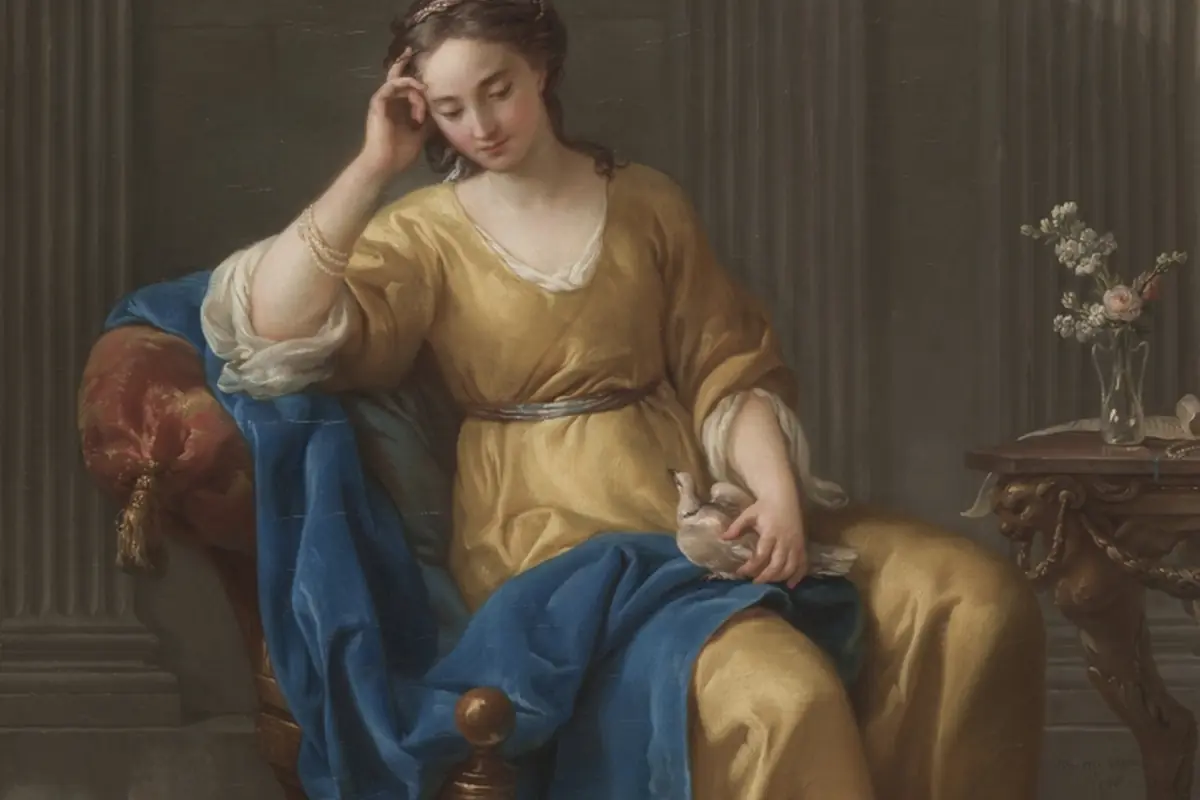
Paintings, sculptures and art objects
Paintings and drawings are the most numerous items in the database; their recognition rests on the subject, dimensions, support, signature and restorations. Sculptures raise other questions: several copies may exist (edition bronzes), which makes foundry marks essential.
Art objects, furniture and silverware are identifiable by manufacturing details: hallmarks, workshop marks, stamps. They are often dismantled or altered to be resold, hence the importance of photographing details.
Archaeological objects and tribal art
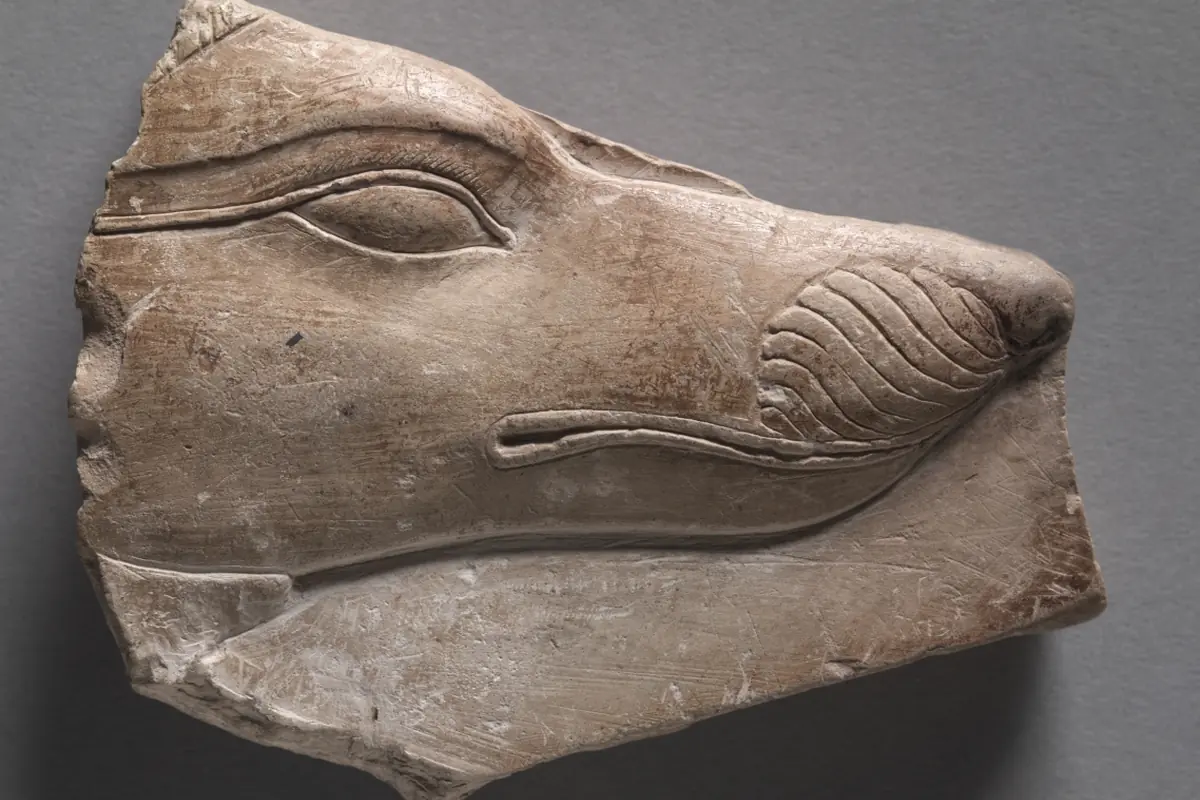
Archaeological and ethnographic objects are distinguished by the frequent lack of documentation: coming from clandestine digs, they have neither passport nor photograph. Alerts are then based on museum inventories and investigation reports.
Tribal art poses a particular problem: many objects have a high market value but poorly documented provenance. OIMAP asks dealers to produce documents attesting the date and place of collection.
Books, manuscripts and archives
Old books, manuscripts and archives are vulnerable, as they are easy to carry and to cut up. The signs of recognition are the bookplate, annotations, binding marks and gaps in collation.
Cooperation with libraries and national archive services is close: these institutions report their losses to the BIOP, which relays the information to antiquarian booksellers and specialised salerooms.
Developments in the market
The profile of stolen property changes with the market. The rise in contemporary art prices has multiplied thefts of recent works, harder to recognise because less documented. Tribal art and archaeological objects remain prime targets for networks.
OIMAP monitors these trends and adapts its categories, identification sheets and training. Specialists are invited to contribute by reporting new practices.
Identifying elements by category
| Category | Identifying elements | Useful document |
|---|---|---|
| Painting | Subject, support, signature, restorations | Photographs, old catalogues |
| Sculpture | Foundry mark, edition number | Mould, certificate |
| Archaeology | Material, shape, breaks | Site inventory |
| Tribal art | Style, patina, restorations | Collection sheet |
| Manuscript | Bookplate, binding, annotations | Collation |
Landmarks
- Classification by type
Six categories.
- Books and manuscripts
New category.
- Tribal art
Dedicated category.
- Nine categories
Refinement of types.
Property can change appearance
General or specialised vigilance
General
All alerts- Broad overview
- A lot of information
- Less targeted
For institutions.
Specialised
One or two categories- More useful day to day
- Better recognition
- Risk of forgetting the others
For specialists.
Specialising your monitoring
- Identify
Choose your categories.
- Subscribe
Create an alert per category.
- Study
Read the new records.
- Share
Inform your colleagues.
- Update
Review every quarter.
Reflexes by category
An antiquarian bookseller
« The alerts on manuscripts have already alerted me once: a copy offered by a private individual was that of a municipal library. »
Vocabulary of property
- Foundry mark
- Sign of a foundry on a bronze.
- Bookplate
- Mark of ownership of a book.
- Collation
- Verification of a book's condition.
- Patina
- Surface of an aged object.
Frequently asked questions
Can I subscribe to just one category?
Yes.
Do the categories change?
Yes, they are reviewed every three years.
Where can I find guides?
See Customs guide.
What to do for an unclassified work?
Search in all categories.
Useful documents
Contacts
Related pages
 Active alertsThe 1,920 alerts currently in the BIOP database, sorted by country and type of property, and available as RSS feeds for operators and services.›
 Alerts by countryConsult the active alerts of a State: their breakdown, the types of property most affected and national contacts.›
 Identification sheets142 illustrated sheets to recognise cultural property: content, use, categories, updates and access.›
See the identification sheets
Image credits (16)
- Seal of Doge Michele Steno (reverse) (1400–1409) — Cleveland Museum of Art, CC0 1.0
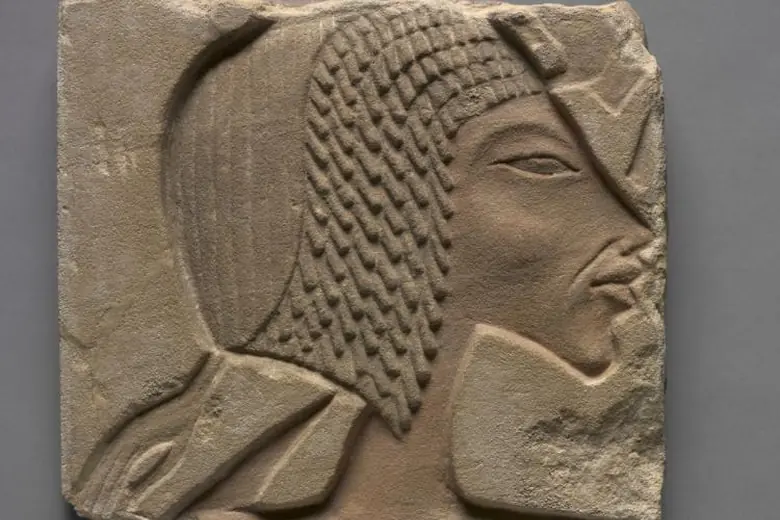
- Talatat: Portrait of Nefertiti (c. 1353–1347 BCE) — Cleveland Museum of Art, CC0 1.0
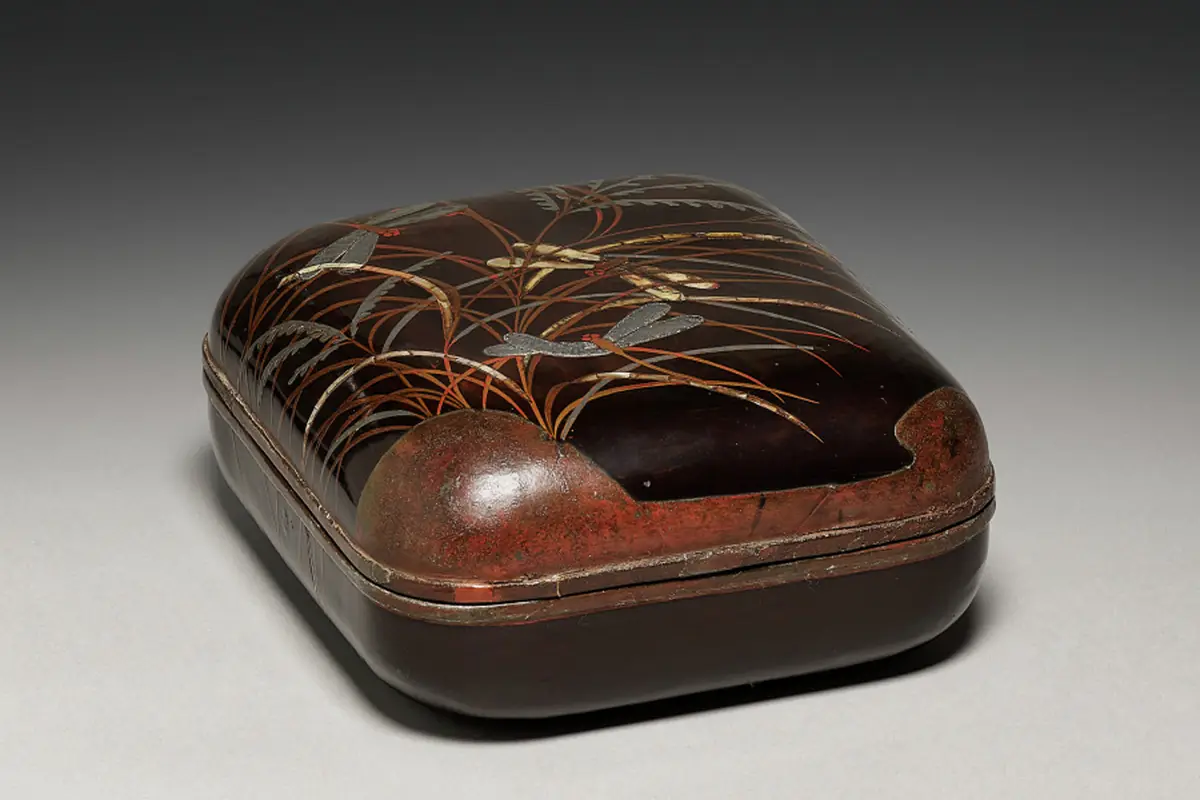
- Letter Box, Ogata Kōrin (1700s) — Cleveland Museum of Art, CC0 1.0
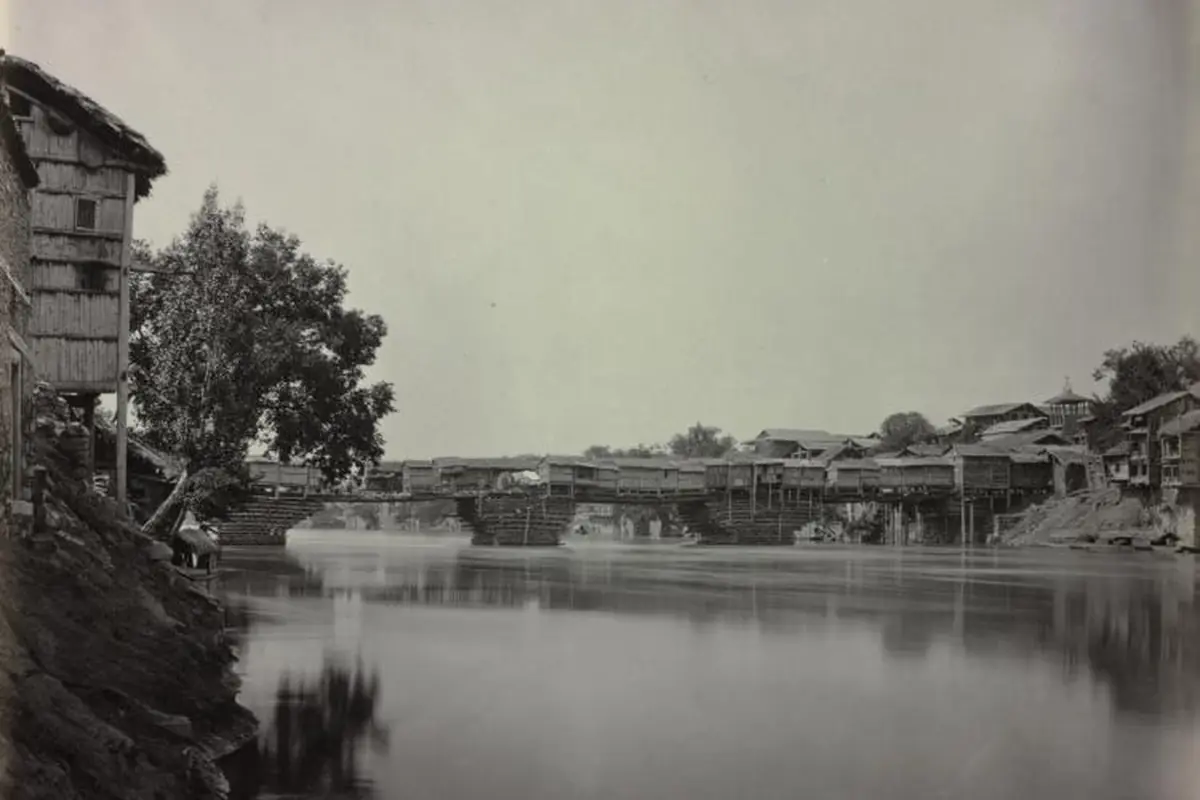
- Bridge of Shops, Srinagar, Kashmir, Samuel Bourne (1864) — Cleveland Museum of Art, CC0 1.0
- Sweet Melancholy, Joseph-Marie Vien (1756) — Cleveland Museum of Art, CC0 1.0
- Double-Sided Votive Relief (305–30 BCE) — Cleveland Museum of Art, CC0 1.0
- Carved Lacquer Scroll Box (1736–95) — Cleveland Museum of Art, CC0 1.0
- Futtypore Sikri—Two of the Marbled Screens in the Tomb of Sheik Selim Chisti, Samuel Bourne (1866) — Cleveland Museum of Art, CC0 1.0
- Seal with Two Qilin Playing (1849) — Cleveland Museum of Art, CC0 1.0
- Black-Figure Dinos (Mixing Vessel): Warships (Int.); Heroic Scenes (Top), Antimenes Painter (c. 520–515 BCE) — Cleveland Museum of Art, CC0 1.0
- Fish or Seal Club (X’ús’) (late 1800s–early 1900s) — Cleveland Museum of Art, CC0 1.0
- The Grotto of Posillipo, Hubert Robert (c. 1769) — Cleveland Museum of Art, CC0 1.0
- Boy with Cigar (c. 1855) — Cleveland Museum of Art, CC0 1.0
- The Triumph of Mordecai, Lucas van Leyden (1515) — Cleveland Museum of Art, CC0 1.0
- Landscape with Saint John the Baptist, Herri met de Bles (c. 1540) — Cleveland Museum of Art, CC0 1.0
- Church at Auvers, Édouard Baldus (1855) — Cleveland Museum of Art, CC0 1.0