
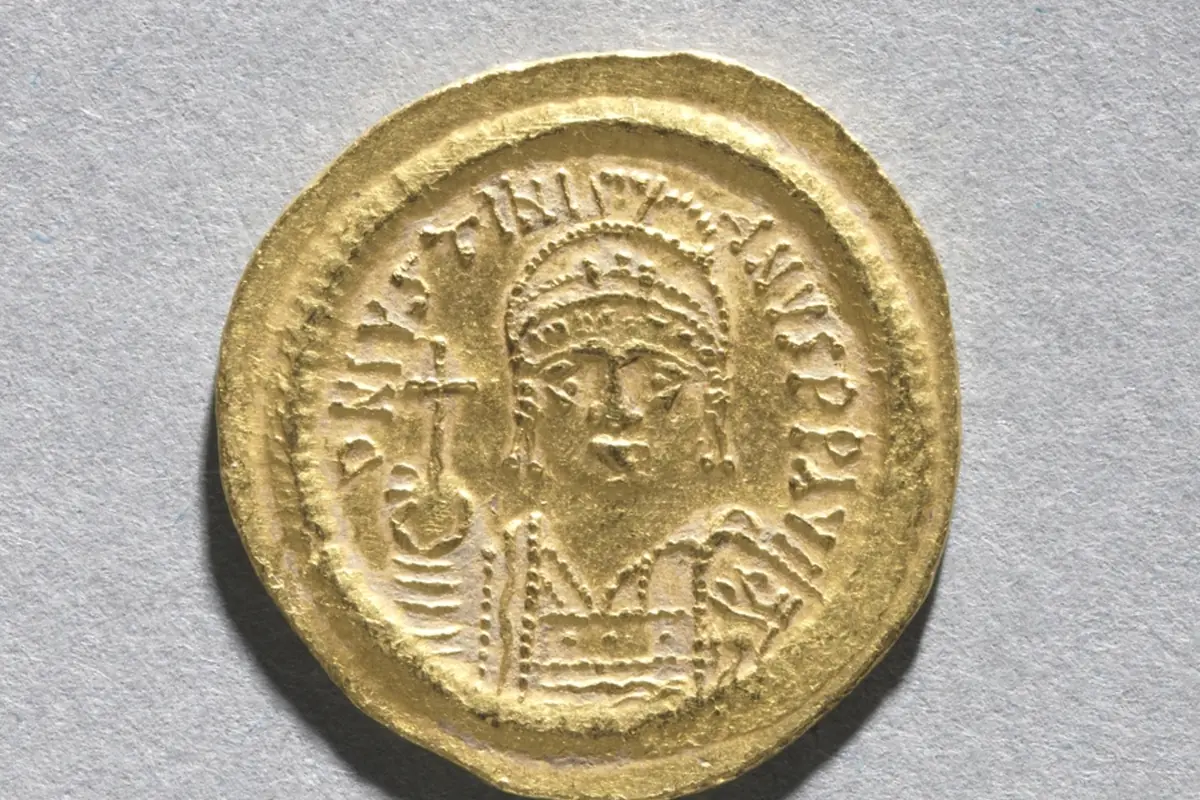
 Cleveland Museum of Art · CC0 1.0
Honouring exemplary collecting practice
The Collector Prize recognises a person or family whose collection stands out for documented provenance, careful conservation and openness to the public or to research. Carrying an award of €15,000 (indicative amount), it is presented each year at the General Assembly.
The aim is not to reward the value of a collection, but the way it is assembled and shared.
Applications are made online between October and January.
Collector Prize in figures
Source: Events and Communications Directorate.
What the prize rewards
The prize rewards a collector's approach: informed choice of acquisitions, verification of the origin of items, respect for international conventions, care given to the works and a willingness to make them known. Private collections and those of foundations are both eligible.
Dealers and public institutions are not eligible for this prize, which is aimed at natural persons, families and private foundations.
Provenance, the central criterion
The jury examines the traceability of the works, the existence of title deeds and compliance with the 1970 UNESCO Convention and the 1995 UNIDROIT Convention. The works in the collection must have been the subject of provenance research, at least for recent acquisitions.
A piece voluntarily returned to its country of origin is regarded as a favourable factor. The jury values transparency about areas of uncertainty.
Openness and sharing
Openness is measured by concrete actions: loans to museums, exhibitions, publication of a catalogue, hosting researchers, digitisation of holdings. No threshold is required, but the file must show that the collection is not closed in on itself.
The jury also values educational initiatives: welcoming school groups, partnerships with universities, outreach programmes.
The file and the procedure
The file comprises a presentation note on the collection, a selective inventory, a statement of the acquisition policy, proof of provenance for ten selected pieces, and two letters of recommendation. It is submitted online.
Finalists are visited or interviewed by two members of the jury. This visit, announced in advance, checks the conditions of conservation and display.
Documents in the file
| Document | Content | Remark |
|---|---|---|
| Presentation note | History and focus of the collection | Ten pages maximum |
| Selective inventory | Fifty pieces maximum | With photographs |
| Proof of provenance | Ten selected pieces | Titles, invoices, certificates |
| Letters of recommendation | Two letters | Institutions or researchers |
Milestones
- Opening
Rules published.
- Closing
Online submission.
- Visits
Finalists.
- Handover
General Assembly.
Independence of the jury
Private collection or foundation
Private
Person or family- Personal approach
- Family transmission
- Openness sometimes limited
For enthusiasts.
Foundation
Legal structure- Continuity
- Broader openness
- Clear governance
For institutionalised collections.
Apply
- Read
The rules.
- Document
Ten provenances.
- Write
The presentation note.
- Submit
Online.
- Welcoming
The jury's visit.
Preparing your file
A laureate
« Documenting our acquisitions took time, but it changed the way we collect, and our relationship with museums. »
Vocabulary of collecting
- Provenance
- History of the owners of a work.
- Inventory
- Detailed list of a collection.
- Mediation
- Actions to make the works known.
- Recusal
- Withdrawal of a juror in case of conflict.
After the prize
The laureate presents their collection at a session of the General Assembly and agrees to have a portrait published in the newsletter. They undertake to remain available for a testimonial in the following year.
The award may finance the inventory, digitisation, an exhibition or a research grant. A report on its use is submitted to the jury twelve months after the ceremony.
Frequently asked questions
What is the amount?
€15,000 (indicative).
Can dealers apply?
No.
Does the value of the collection matter?
No.
Where can I see previous laureates?
See Laureates.
Useful documents
Contacts
Related pages
 Prizes and AwardsThe Restoration Prize and the Collector Prize: two annual awards presented at the General Assembly.›
 Restoration PrizeAnnual distinction of €20,000 (indicative) for an exemplary restoration project on a cultural property.›
 LaureatesHonour roll of the Restoration and Collector Prizes: laureates, finalists and jury citations.›
 Session documentsReports, draft resolutions, accounts and information notes of the General Assembly, posted online 30 days before the opening.›
See the laureates
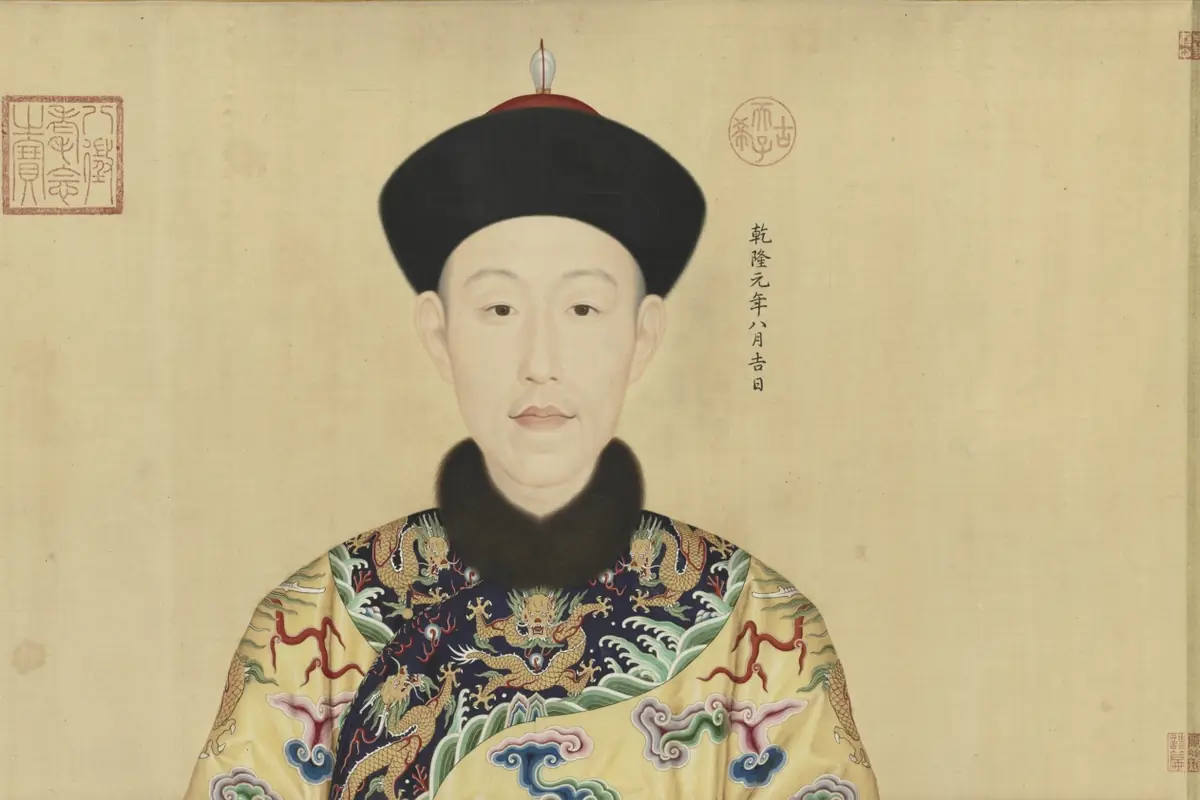
Image credits (17)
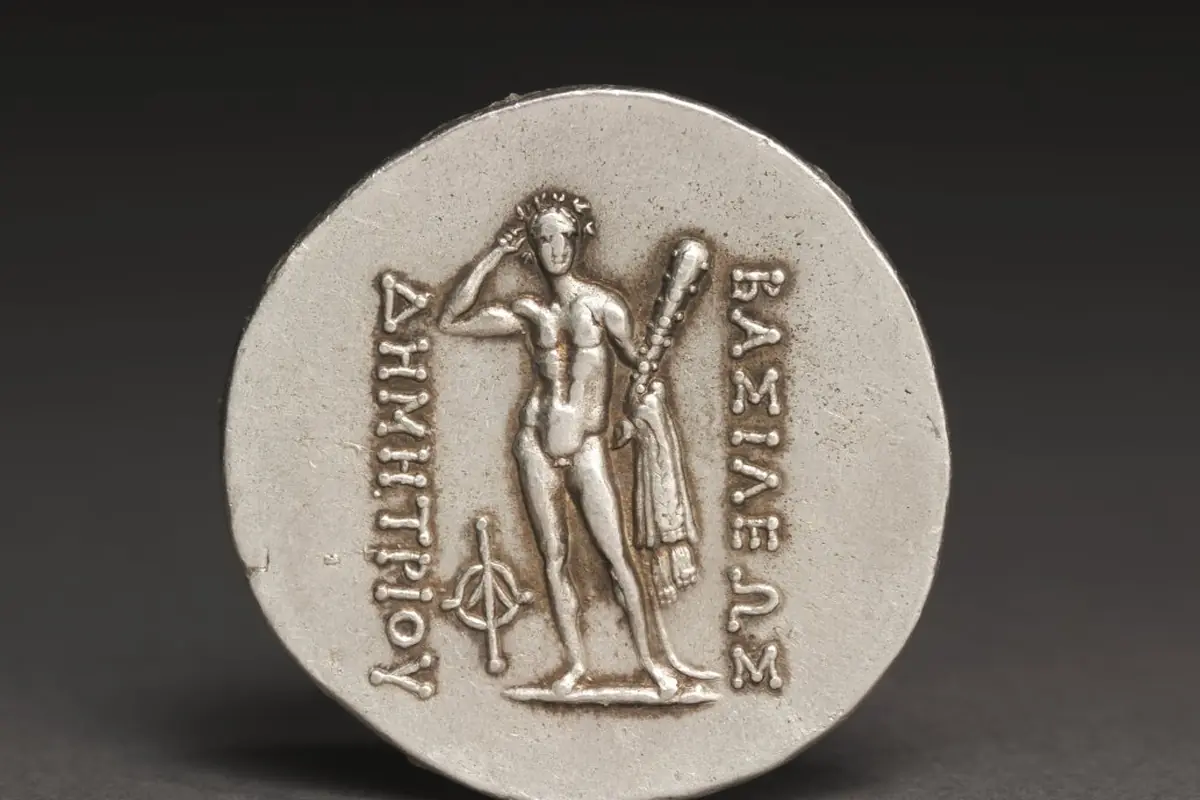
- Solidus of Justinian I (obverse) (c. 545–565) — Cleveland Museum of Art, CC0 1.0
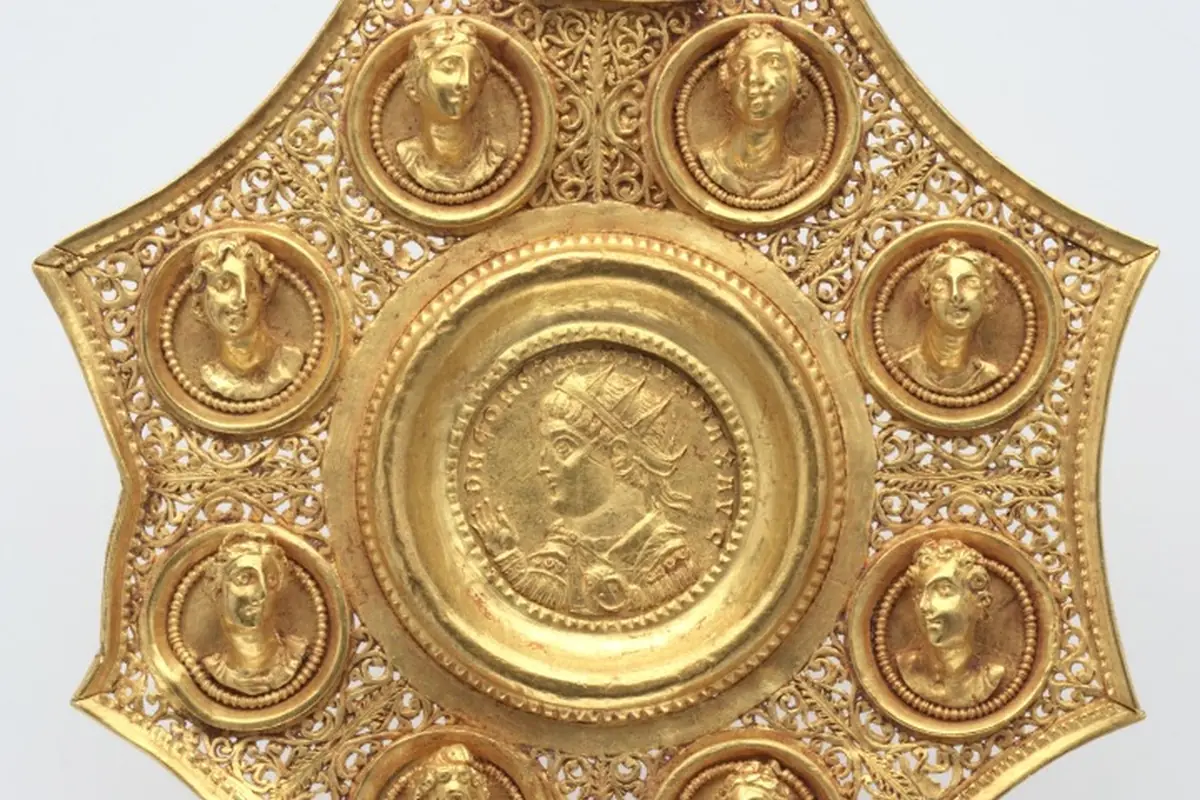
- Octagonal Pendant (324–26 CE) — Cleveland Museum of Art, CC0 1.0
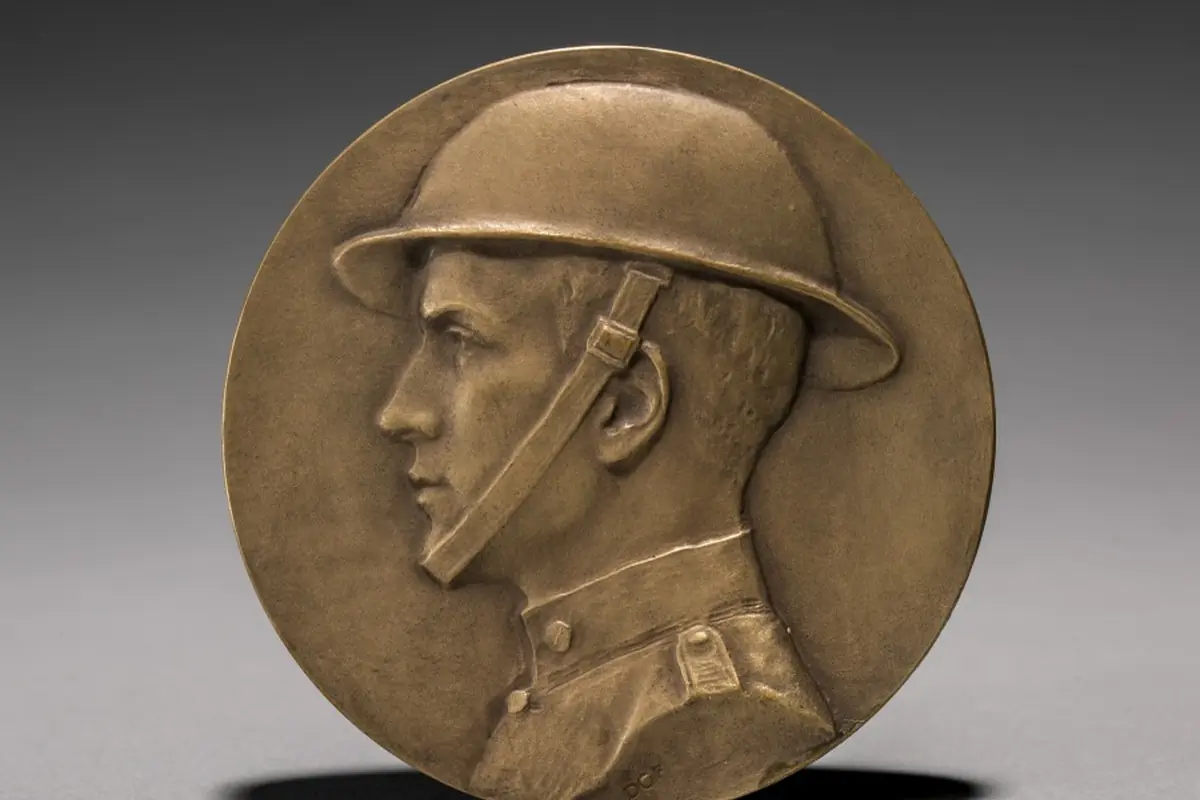
- American Red Cross War Council Medal (obverse), Daniel Chester French (1920) — Cleveland Museum of Art, CC0 1.0
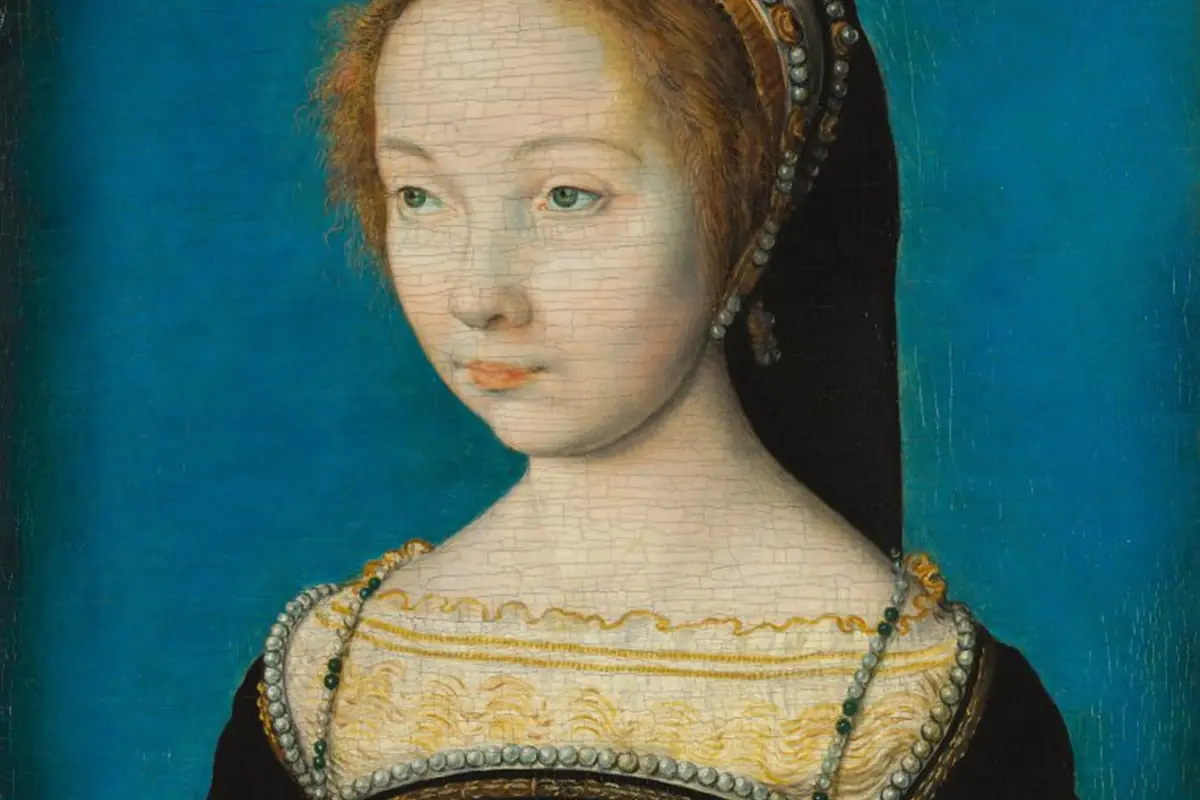
- Portrait of a Woman, Corneille de Lyon (c. 1540) — Cleveland Museum of Art, CC0 1.0
- Coin of Demetrios, I (reverse) (200–190 BCE) — Cleveland Museum of Art, CC0 1.0
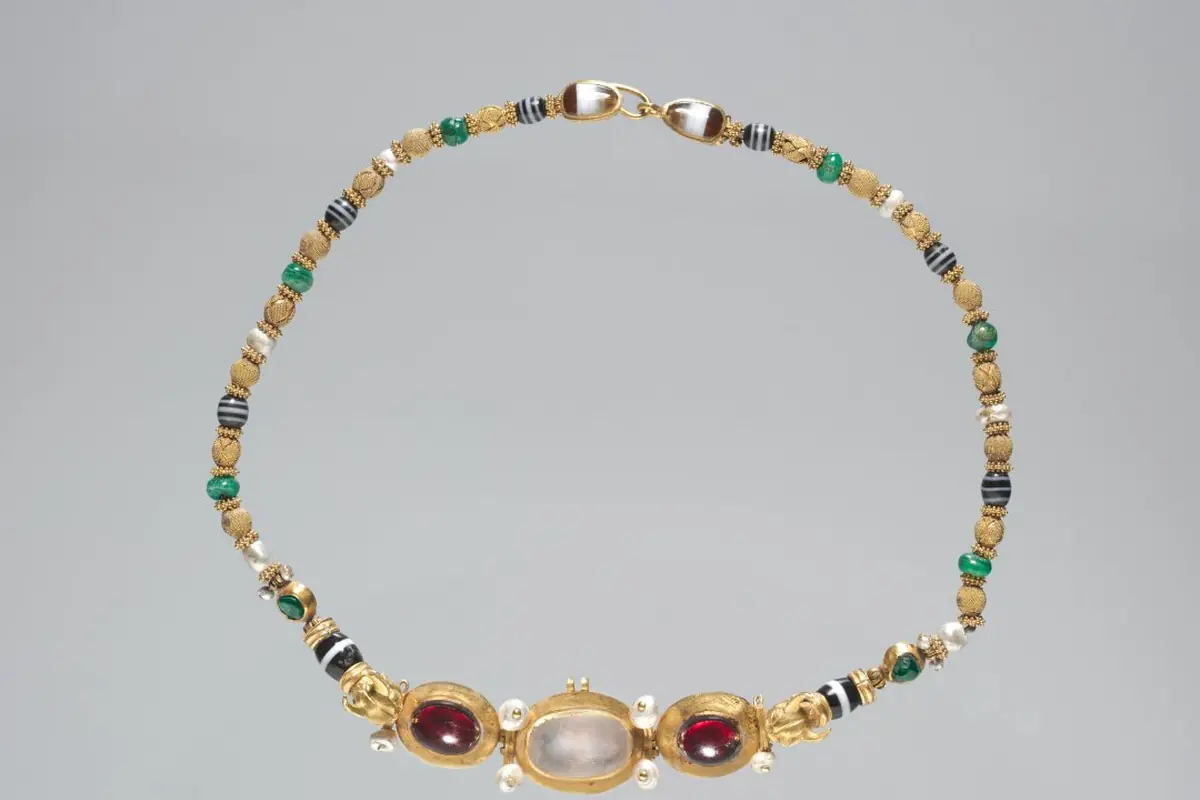
- Necklace (100s BCE) — Cleveland Museum of Art, CC0 1.0
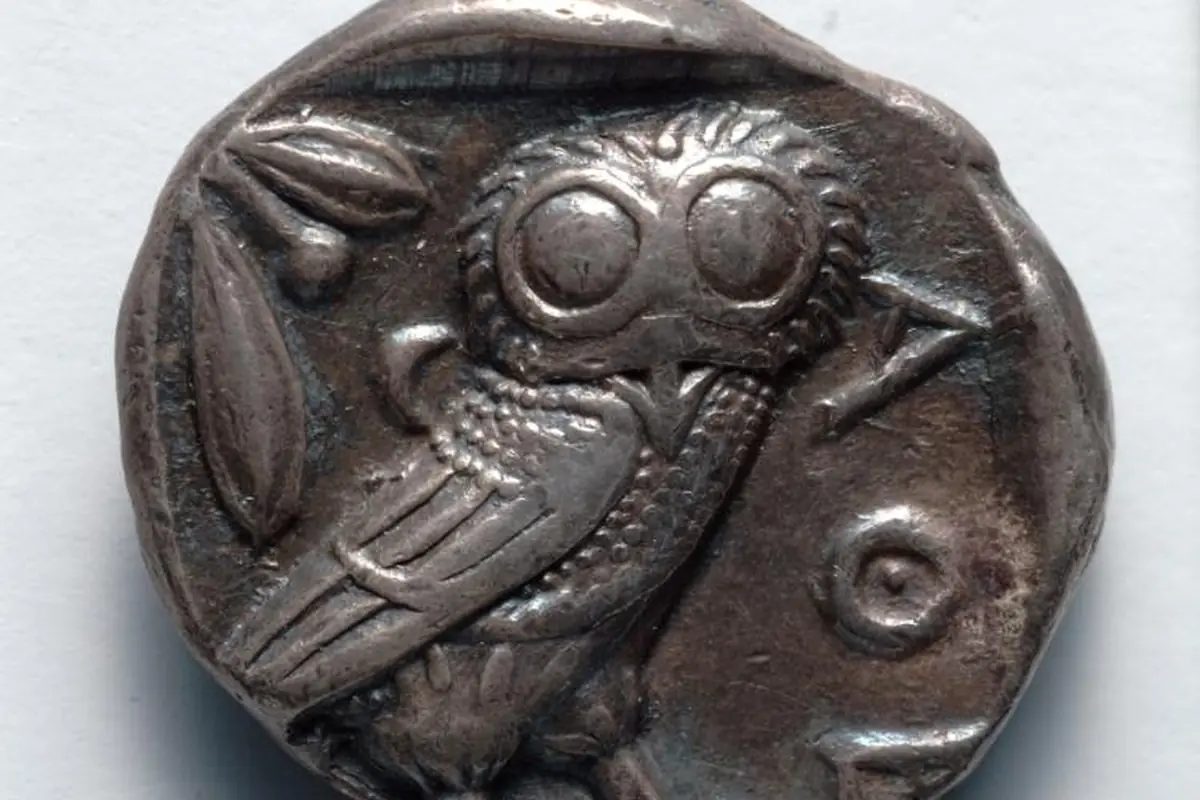
- Tetradrachm: Owl, Crescent Moon, Olive Branch (reverse) (480–449 BCE) — Cleveland Museum of Art, CC0 1.0
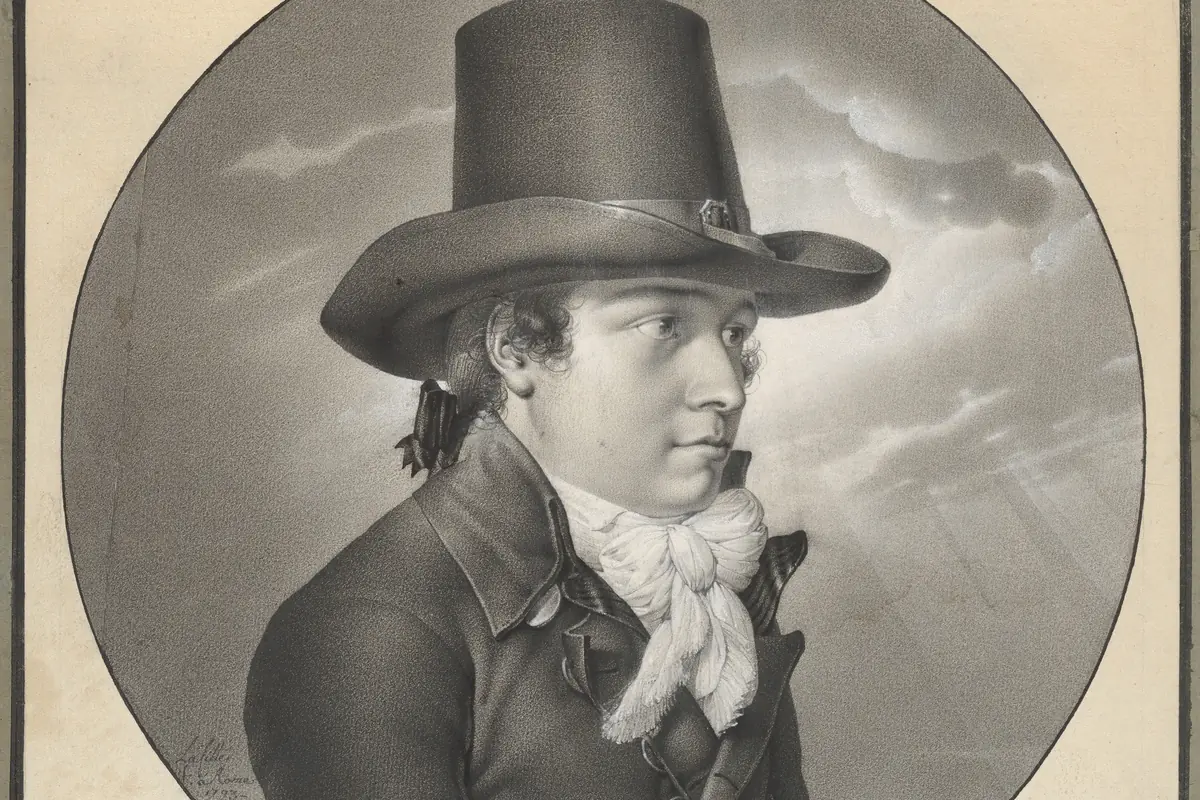
- Portrait of a Man, Louis Lafitte (1793) — The Metropolitan Museum of Art, CC0 1.0
- Leopard d'Or of Edward III of England (1327–1377) — Cleveland Museum of Art, CC0 1.0
- Bracelet (1700s) — Cleveland Museum of Art, CC0 1.0
- Coin of Eukratides I (170–145 BCE) — Cleveland Museum of Art, CC0 1.0
- The Pyramid of Cestius, Rome, Michiel van Overbeek (c. 1650–80) — Cleveland Museum of Art, CC0 1.0
- Necklace of Brilliants (1700s) — Cleveland Museum of Art, CC0 1.0
- Guinea: Anne (obverse); Shields and rose (reverse) (1703) — Cleveland Museum of Art, CC0 1.0
- Portrait of Gianfrancesco Gonzaga di Ròdigo, 1443–1496, Lord of Sabbionetta (reverse), Antico (1479) — Cleveland Museum of Art, CC0 1.0
- The Victory Banquet: from Battle Scenes of the Quelling of Rebellions in the Western Regions, with Imperial Poems (c. 1765–74; poem dated 1760) — Cleveland Museum of Art, CC0 1.0
- Portraits of the Qianlong Emperor and His Twelve Consorts, Giuseppe Castiglione (1736–70s) — Cleveland Museum of Art, CC0 1.0