
 Cleveland Museum of Art · CC0 1.0
Pages in this section
 Transposing the directivesGuide for States: steps, model law, fit with existing law, supervisory authority and timetable.›
 States' good practicesSolutions that have proved their worth in Member States: digital inventories, one-stop desks, training, cooperation.›
 Monitoring of implementationOIMAP's annual dashboard: indicators, results by State, ranking of progress and follow-up.›
Helping States to do well
Texts are worth only as much as their application. The recommendations to States bring together the advice that the Secretariat gives its members for transposing the directives, adopting good practices and monitoring their progress.
They are based on the experience of the twenty-seven States that have received a support mission since 2020 and on contributions from national focal points.
The section has three pages: transposition, good practices and monitoring.
Recommendations to States in figures
Source: OIMAP Legal Affairs Department.
The three pages of the section
An approach based on support
The recommendations are not binding: they serve as a guide. OIMAP prefers support to sanction. A State in difficulty may request a support mission: lawyers, customs experts, inventory specialists, trainers. Missions last from two weeks to six months.
Each mission results in a costed action plan, with deadlines and follow-up. The State remains in control of its decisions; OIMAP makes its expertise available.
Recommendations based on experience
The twelve current recommendations cover the drafting of transposition laws, the designation of a supervisory authority, the training of officials, the inventory of public collections, cooperation between services and public awareness.
They are revised every two years, after consultation with focal points. States may also propose new recommendations, which are examined by the Assembly.
A dialogue between peers
One of the strengths of the system is the dialogue between States. Focal points meet twice a year, share their experiences and draw inspiration from their neighbours' solutions. States that have made good progress become sponsors of those that are starting.
This sponsorship mechanism, launched in 2023, has halved the average time taken to transpose a directive.
The three axes
| Axis | Purpose | Deliverable |
|---|---|---|
| Transposition | Integrate the directives into national law | Law, regulation, circular |
| Good practices | Improve implementation | Guides, training, inventories |
| Monitoring | Measure progress | Annual report, dashboard |
Landmarks
- First missions
Five States supported.
- Twelve recommendations
First collection.
- 27 missions
Three monitoring reports.
- Revision
Consultation of States.
Support on request
Recommendation or obligation
Recommendation
Advice from the Secretariat- Non-binding
- Adaptable
- Based on experience
To progress.
Obligation
Directive or convention- Binding on the State
- Monitored and evaluated
- May be sanctioned
To comply.
Benefiting from a support mission
- Ask
Send the request to the Secretariat.
- Diagnose
Assess the situation.
- Planning
Draw up the action plan.
- Implement
Carry out the actions.
- Follow
Evaluate the results.
Current priorities
A national focal point
« The Secretariat's support saved us two years. We had the skills; what we lacked was the method. »
Vocabulary of the recommendations
- Focal point
- OIMAP's correspondent in a Member State.
- Support mission
- Technical help given to a State.
- Action plan
- Timetable of corrective actions.
- Dashboard
- Summary of monitoring indicators.
Frequently asked questions
Are the recommendations public?
Yes, in the legal library.
Can a State be sanctioned?
For breach of the directives, a public recommendation by the Assembly is possible.
Who finances the missions?
OIMAP, with voluntary contributions.
Whom should I contact?
The Secretariat.
Useful documents
Contacts
Related pages
 Transposing the directivesGuide for States: steps, model law, fit with existing law, supervisory authority and timetable.›
 States' good practicesSolutions that have proved their worth in Member States: digital inventories, one-stop desks, training, cooperation.›
 Monitoring of implementationOIMAP's annual dashboard: indicators, results by State, ranking of progress and follow-up.›
 List of the 67 StatesThe 67 OIMAP Member States, presented in alphabetical order, by date of accession and on an interactive map.›
Read about transposition
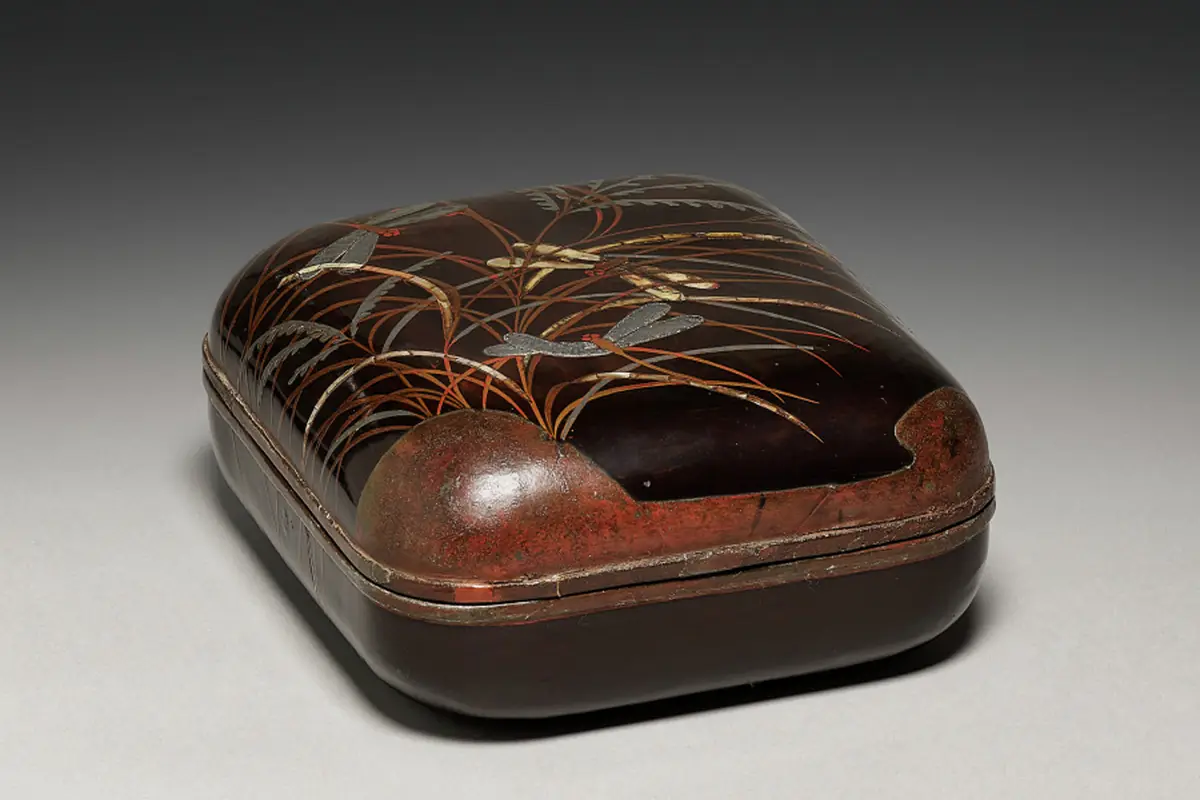
Image credits (23)
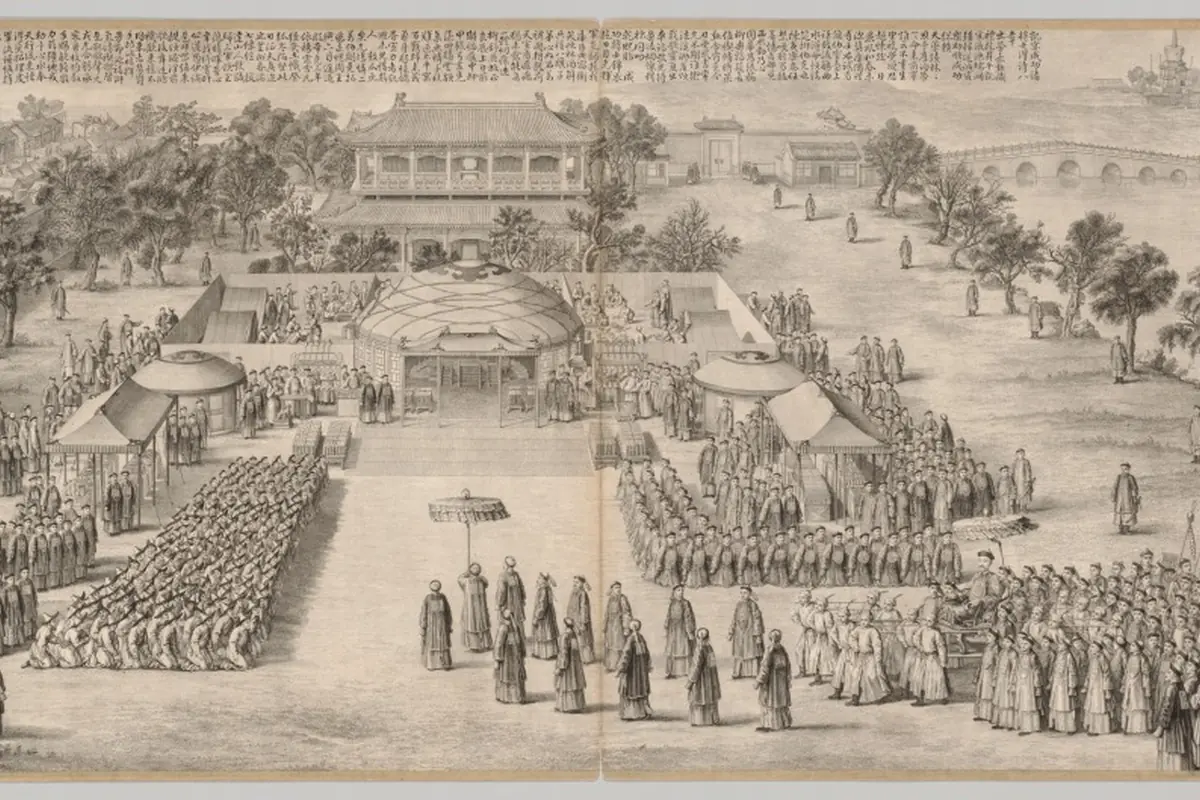
- The Victory Banquet: from Battle Scenes of the Quelling of Rebellions in the Western Regions, with Imperial Poems (c. 1765–74; poem dated 1760) — Cleveland Museum of Art, CC0 1.0
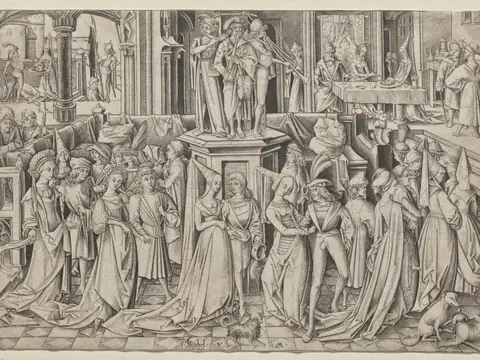
- The Dance at the Court of Herod, Israhel van Meckenem (c. 1500) — Cleveland Museum of Art, CC0 1.0
- Seal Color Box (1662–1722) — Cleveland Museum of Art, CC0 1.0
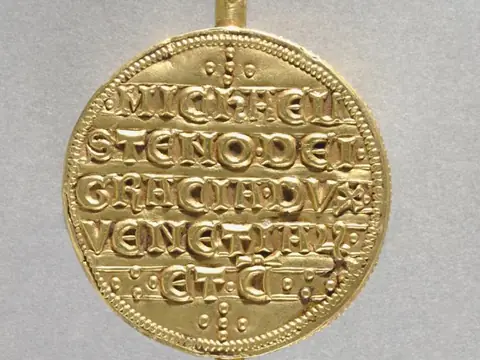
- Seal of Doge Michele Steno (reverse) (1400–1409) — Cleveland Museum of Art, CC0 1.0
- Seal Color Box (1662–1722) — Cleveland Museum of Art, CC0 1.0
- Portrait of John VIII Palaoelogus, Emperor of Constantinople, 1424-1428 (reverse), Pisanello (c. 1438–1439) — Cleveland Museum of Art, CC0 1.0
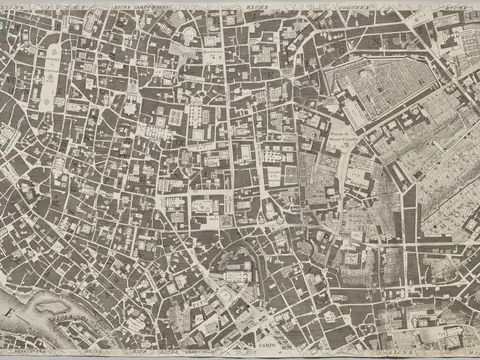
- Nuova pianta di Roma data in luce da Giambattista Nolli l’anno MDCCXLVII, known as La Pianta Grande di Roma, Giovanni Battista Nolli (1748) — Cleveland Museum of Art, CC0 1.0
- Plaque (1500s–1600s) — Cleveland Museum of Art, CC0 1.0
- Coronation of the Virgin, Christoffel Jegher (1632–36) — Cleveland Museum of Art, CC0 1.0
- Dune Scene with Peasant Figures, Willem van de Velde (mid-1650s) — Cleveland Museum of Art, CC0 1.0
- Mercury (Budha), from a Mandi Astrology Series, Sanju (c. 1810) — Cleveland Museum of Art, CC0 1.0
- Chemin de fer de Toulouse à Bayonne. Pont de l'Aran (en trois arches de 17m d'ouverture chacune). Situation des travaux au 21 juillet 1861, Édouard Baldus (1861) — Cleveland Museum of Art, CC0 1.0
- The Triumph of Mordecai, Lucas van Leyden (1515) — Cleveland Museum of Art, CC0 1.0
- Arrival of the "Southern Barbarians" (c. 1600) — Cleveland Museum of Art, CC0 1.0
- Carnet (1863–1865) — Cleveland Museum of Art, CC0 1.0
- Seven Jeweled Mountain (late 1800s) — Cleveland Museum of Art, CC0 1.0
- Sweet Melancholy, Joseph-Marie Vien (1756) — Cleveland Museum of Art, CC0 1.0
- Small Mosque in the Kaiserbagh, Felice A. Beato (1858) — Cleveland Museum of Art, CC0 1.0
- Nuova pianta di Roma data in luce da Giambattista Nolli l’anno MDCCXLVII, known as La Pianta Grande di Roma, Giovanni Battista Nolli (1748) — Cleveland Museum of Art, CC0 1.0
- View of Venice, Jacopo de' Barbari (1500) — Cleveland Museum of Art, CC0 1.0
- Nuova pianta di Roma data in luce da Giambattista Nolli l’anno MDCCXLVII, known as La Pianta Grande di Roma, Giovanni Battista Nolli (1748) — Cleveland Museum of Art, CC0 1.0
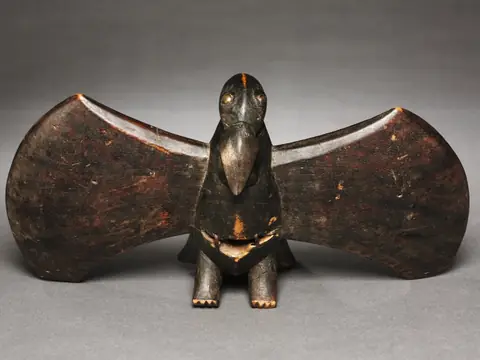
- Bird Standard (early to mid-1900s) — Cleveland Museum of Art, CC0 1.0
- Letter Box, Ogata Kōrin (1700s) — Cleveland Museum of Art, CC0 1.0