
 Cleveland Museum of Art · CC0 1.0
The rhythm of the market
The art market follows a precise calendar: major sales in spring and autumn, calmer periods in summer and in January. Knowing this rhythm helps in choosing when to buy or sell.
Approved houses announce their sales several months in advance, with their catalogue, estimates and preliminary exhibitions. The OIMAP calendar brings them together.
This page presents the highlights of the year, how to prepare for an auction and the precautions to take.
Sales calendar in figures
Source: OIMAP Observatory.
The seasons of the market
Spring (March to June) is the season of major sales of old masters, modern painting and contemporary art, with the Hong Kong and Basel fairs. Summer is quiet, with sales of furniture and objets d'art. Autumn (September to December) is the most intense season, with the major evening sales in New York, London and Paris.
Winter begins with sales of books, tribal art and photography, before spring picks up. This calendar is stable, but houses add themed sales throughout the year.

Preparing for an auction
An auction is prepared several weeks in advance. The buyer consults the catalogue, asks for condition reports, visits the exhibition and sets a price ceiling. They may bid in the room, by telephone, by commission bid or online.
Fees should be allowed for: the buyer's commission (around 21%), any VAT, transport, insurance. A bid of €100,000 may ultimately cost €130,000.
Themed sales
More and more houses organise themed sales: collections of a single collector, sales devoted to one artist, charity sales. These sales benefit from targeted promotion and attract specialised buyers.
Sales of famous collections, in particular, often reach prices above estimates. They come with a reference catalogue, which contributes to the documentation of the works.
A typical calendar
| Month | Highlight | Dominant segments |
|---|---|---|
| March | Fairs and spring sales | Contemporary, 19th century |
| May | Evening sales | Modern, old masters |
| July | Summer sales | Furniture, objets d'art |
| September | Resumption | All segments |
| November | Major autumn sales | Modern and contemporary |
| December | Year-end sales | Decorative arts, jewellery |
Landmarks
- Announcement
Publication of the catalogue.
- Exhibition
Public presentation.
- Last visit
Condition reports.
- Sale
Auction.
- Settlement
Payment and collection.
Hammer fees
Bidding in the room or online
In the room
Physical presence- See the work
- Atmosphere of the auction
- Maximum responsiveness
For important lots.
Online
From home- Flexibility
- Global access
- Colder decision
For ordinary lots.
Making your bid a success
- Choose
Spot the lots of interest.
- Examine
Condition reports and exhibition.
- Set
Define a ceiling.
- Bid
Room, telephone or online.
- Pay
Pay and arrange collection.
Before bidding
A regular buyer
« I never go to a sale without having read the catalogue and the condition report at least twice. »
Vocabulary of auctions
- Hammer price
- Price of the hammer excluding fees.
- Commission bid
- Bid entrusted to the house in advance.
- Evening sale
- Prestige sale.
- Estimate
- Announced price range.
Frequently asked questions
Is the calendar fixed?
It changes every year: consult the online calendar.
Can I bid remotely?
Yes, by telephone, commission bid or online.
What happens if you do not pay?
The house may cancel the sale and pursue the buyer.
Where can I find the houses?
In the directory.
Useful documents
Contacts
Related pages
 Auction housesThe auction houses approved by OIMAP: directory, approval procedure and sales calendar.›
 Directory of auction housesSearch for an OIMAP-approved auction house: criteria, specialities, countries, year of approval and conformity label.›
 Top 10 salesThe ten biggest sales of the year: 2024 ranking, earlier rankings and breakdown by auction house.›
See the galleries and dealers
Image credits (16)
- Views: The Market on the Molo, Antonio Canaletto (1735–1746) — Cleveland Museum of Art, CC0 1.0
- Boy with Anchor, Winslow Homer (1873) — Cleveland Museum of Art, CC0 1.0
- At the Market, Camille Pissarro (late 1800s) — Cleveland Museum of Art, CC0 1.0
- Portraits of the Qianlong Emperor and His Twelve Consorts, Giuseppe Castiglione (1736–70s) — Cleveland Museum of Art, CC0 1.0
- The Auction House: The Town Crier, Honoré Daumier (1864, printed 1920) — Cleveland Museum of Art, CC0 1.0
- Corner Cabinet, René Dubois (c. 1765–1770) — Cleveland Museum of Art, CC0 1.0
- An Old Clothes Shop, Seven Dials, John Thomson (1877) — Cleveland Museum of Art, CC0 1.0
- Portrait of a Woman, Gerard ter Borch (c. 1665) — Cleveland Museum of Art, CC0 1.0
- The Four Markets: The Fruit Market, Richard Earlom (1775) — Cleveland Museum of Art, CC0 1.0
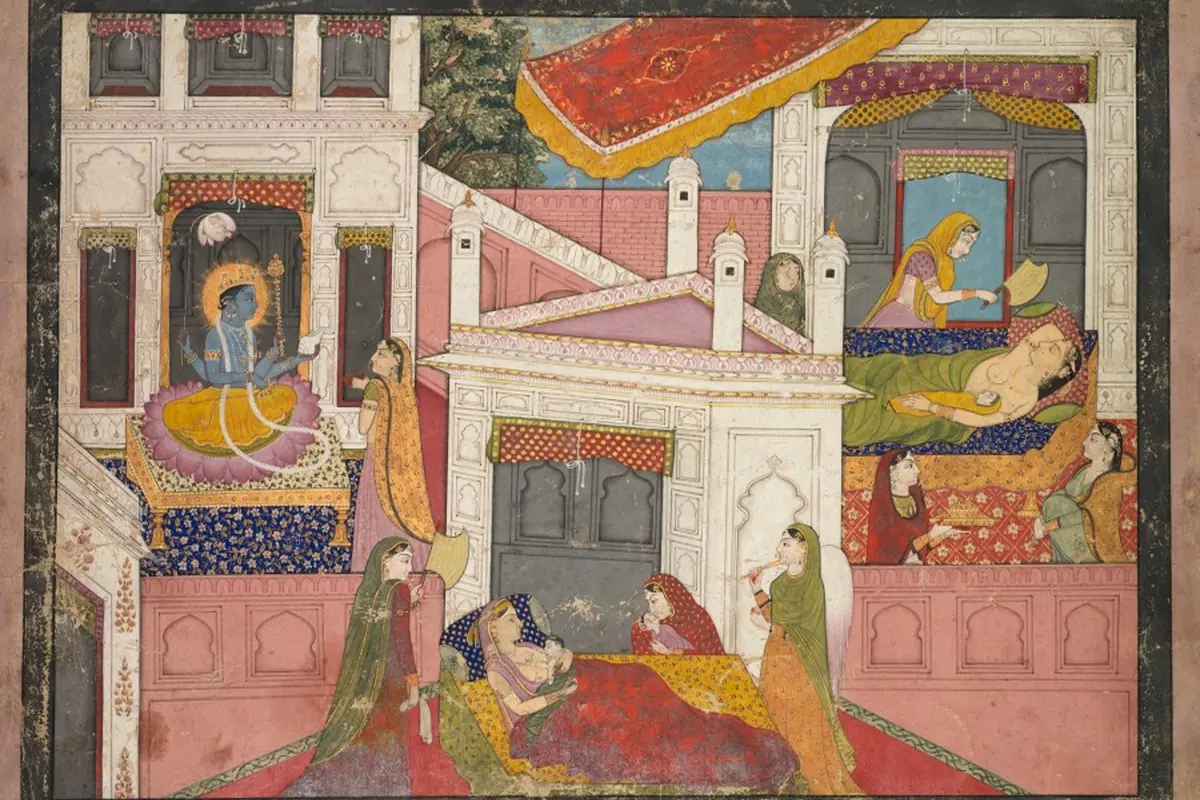
- The birth of Rama and his brothers, from Chapter 17 of the Bala Kanda (Book of Childhood) of the Adhyatma Ramayana (Rama's Journey of the Su (c. 1820–30) — Cleveland Museum of Art, CC0 1.0
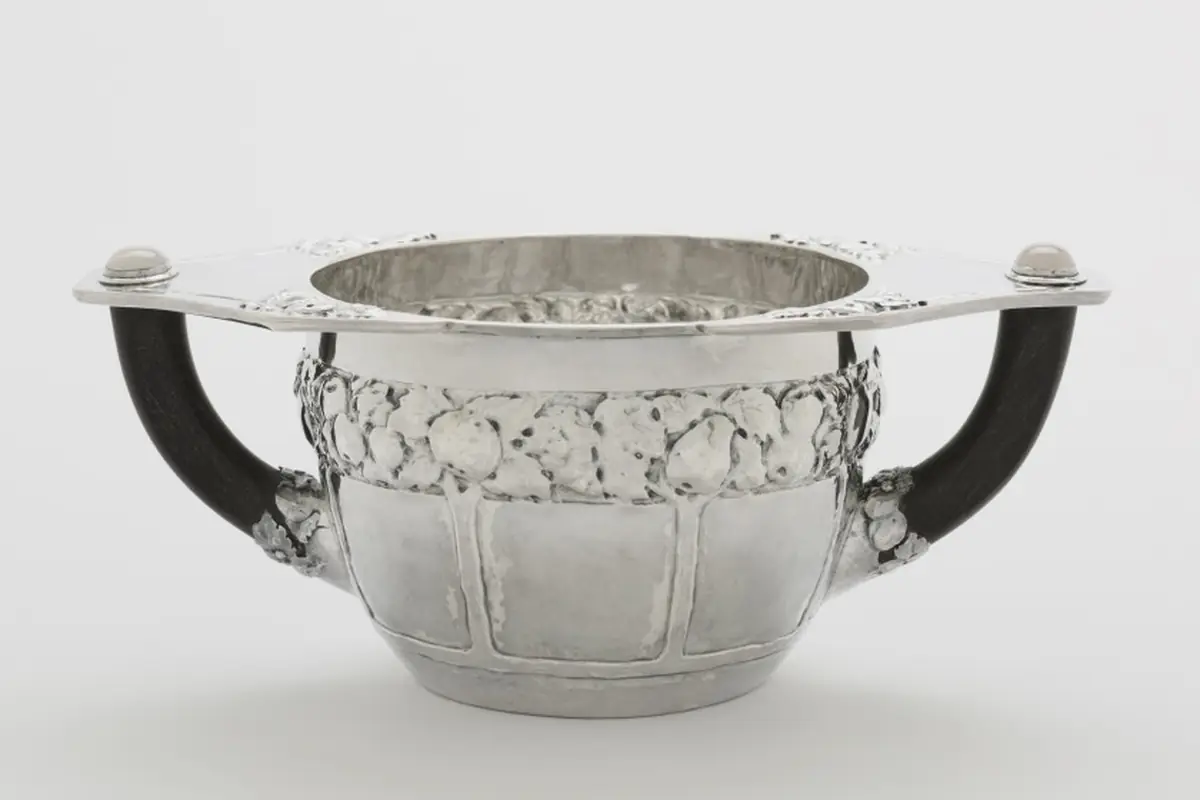
- Sugar Bowl, Louis Rorimer (c. 1910) — Cleveland Museum of Art, CC0 1.0
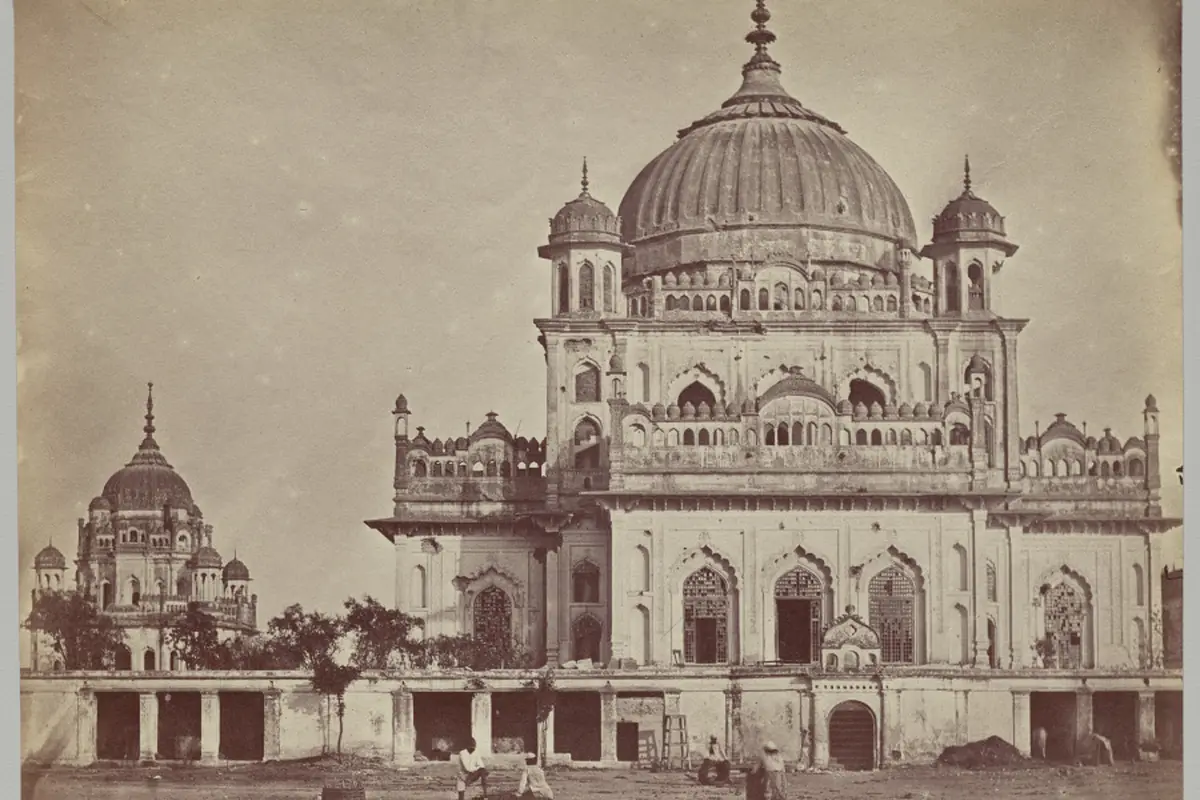
- Small Mosque in the Kaiserbagh, Felice A. Beato (1858) — Cleveland Museum of Art, CC0 1.0
- Creamer, Louis Rorimer (c. 1910) — Cleveland Museum of Art, CC0 1.0
- Portrait of Georges Arnold Fitzwilliam, Charles Balthazar Julien Fevret de Saint-Mémin (c. 1790–1852) — Cleveland Museum of Art, CC0 1.0
- Marie-Yolande de Fitz-James, Henri Fantin-Latour (1867) — Cleveland Museum of Art, CC0 1.0
- Portrait of a Woman, Anna Claypoole Peale (1820) — Cleveland Museum of Art, CC0 1.0