
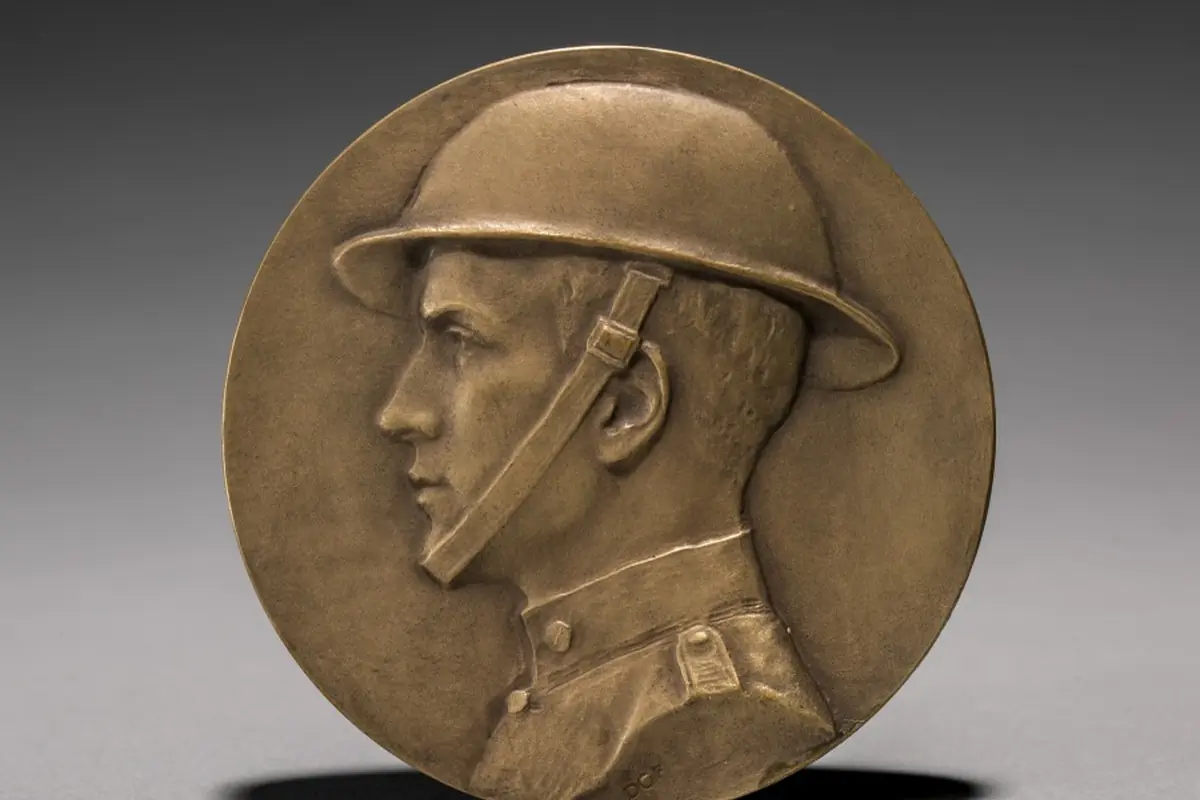
 Cleveland Museum of Art · CC0 1.0
Pages in this section
 Support OIMAPMaking a donation, becoming a sponsor, leaving a legacy or getting involved: all the ways to contribute to protecting heritage.›
 Projects financed74 projects in 40 States: protected sites, inventoried collections, trained officers, works returned. Examples, results and lessons.›
 Financial report of the FundRevenue, expenditure, management costs, audit, budget trend: full transparency on the use of funds.›
Giving the means to act
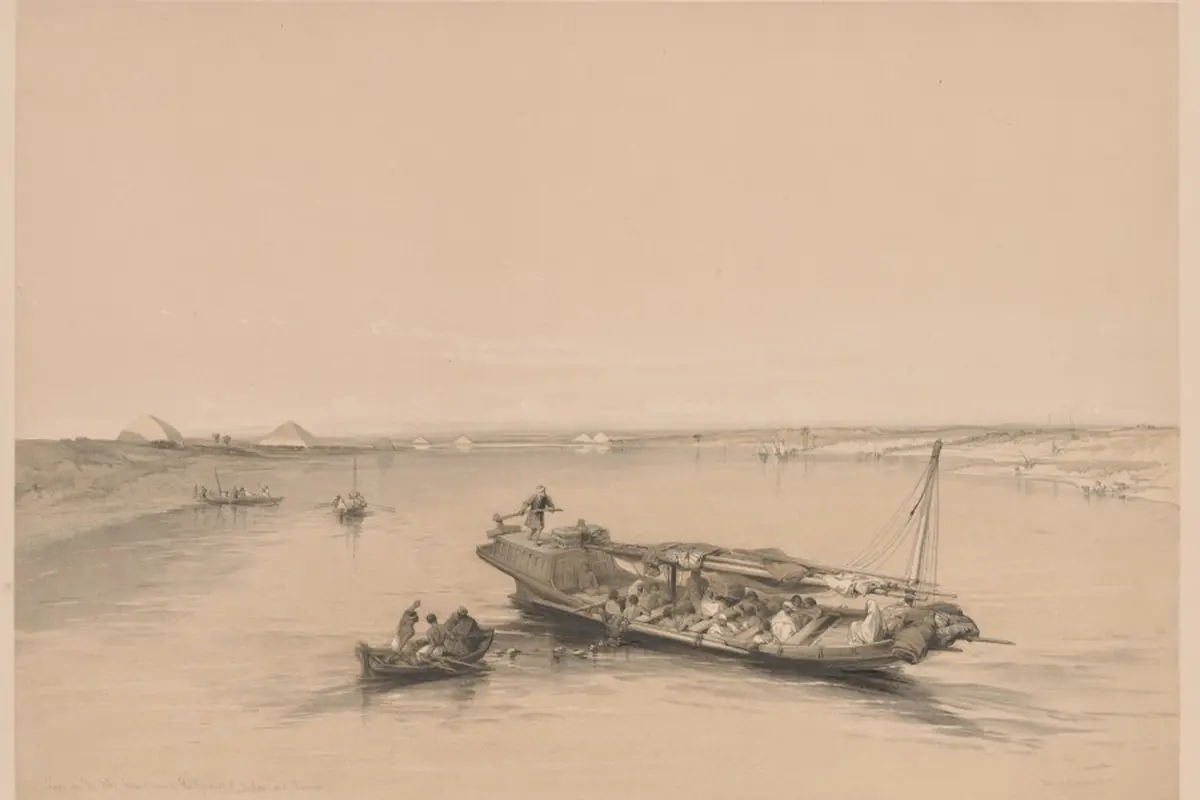
Protecting heritage costs money: guards, inventories, equipment, training, restitutions. Many States and institutions cannot afford to do it alone. The Protection Fund, created in 2012, gives them financial and technical support.
With an annual budget of 6.8 million euros, it has financed seventy-four projects in forty States. It is fed by contributions from States, foundations, companies and private individuals.
The section presents how to support OIMAP, the projects financed and the financial report.
Protection Fund in figures
Source: OIMAP Heritage Protection Department.
What the Fund is for
The Fund finances concrete projects: guarding archaeological sites, digital inventories of collections, equipping conservation laboratories, training customs officers, restitution costs, awareness campaigns. It favours projects that produce a lasting effect and involve communities.
It finances neither an administration's running costs nor purchases of works. It seeks to create local capacity rather than to take the place of States.
Who can benefit
Heritage administrations, museums, universities, associations and communities of a Member State may submit a project. Low-income States have priority. Projects must fit the Fund's priorities, present a realistic budget and provide for evaluation.
A selection committee, made up of independent experts, examines applications twice a year. It takes into account urgency, heritage value, the quality of the project and geographical balance.
Governance and transparency
The Fund is managed by the Heritage Protection Department, under the supervision of a supervisory board of seven members, including two donor representatives. Its accounts are audited every year by an independent firm and published.
Each project gives rise to a progress report, a final report and, three years later, an impact evaluation. The results are open to the public. Donors can follow the use of their contributions.
Action you can see
The projects financed by the Fund are visible: an archaeological site fenced and guarded, an equipped conservation room, a trained class, an object returned to its village. Beneficiaries testify to the concrete effect of this support on their daily lives.
Each year OIMAP organises a meeting with donors, where project leaders present their achievements. This dialogue builds trust and inspires new vocations for support.
Key figures of the Fund
| Indicator | Value | Trend |
|---|---|---|
| Annual budget | €6.8M | +8% in 2024 |
| Projects financed | 74 | +9 in 2024 |
| Beneficiary States | 40 | +3 |
| Management costs | 4% | Stable |
| Regular donors | 310 | +22% |
Landmarks
- Creation
€1.2M in the first year.
- 20 projects
Extension.
- Emergency procedure
Advance in 72 h.
- 74 projects
Budget €6.8M.
Every euro counts
Grant or loan
Grant
Non-repayable funding- Protection projects
- Monitored through reports
- Majority of cases
Main mode.
Loan
Repayable advance- Revenue-generating projects
- Exceptional
- Financial monitoring
Complementary mode.
Support or apply
- Choose
Donor or project leader.
- Inform
Read the conditions.
- Submit
Complete the file or the donation.
- Follow up
Receive the reports.
- Assess
Measure the impact.
Selection criteria
A donor
« I have been funding the training of site guards for five years. Each year I receive news: it gives meaning to my gesture. »
Vocabulary of funding
- Sponsorship
- Financial support for a cause of general interest.
- Grant
- Non-repayable financial aid.
- Audit
- Independent examination of accounts.
- Supervisory board
- Oversight body of an institution.
Frequently asked questions
Is the Fund tax-deductible?
Depending on the donor's State law.
Who decides on projects?
An independent selection committee.
Can a project be designated?
Yes, through an earmarked donation.
Where can I see the accounts?
See Financial report.
Useful documents
Contacts
Related pages
 Support OIMAPMaking a donation, becoming a sponsor, leaving a legacy or getting involved: all the ways to contribute to protecting heritage.›
 Projects financed74 projects in 40 States: protected sites, inventoried collections, trained officers, works returned. Examples, results and lessons.›
 Financial report of the FundRevenue, expenditure, management costs, audit, budget trend: full transparency on the use of funds.›
Support OIMAP
Image credits (19)
- American Red Cross War Council Medal (obverse), Daniel Chester French (1920) — Cleveland Museum of Art, CC0 1.0
- Aureus: Bust of Claudius I (obverse); Triumphal Arch with Equestrian Statue and Trophies (reverse) (47–48 CE) — Cleveland Museum of Art, CC0 1.0
- Tetradrachm: Head of Antiochos VIII (obverse); Zeus Ouranios (reverse) (112–110 BCE) — Cleveland Museum of Art, CC0 1.0
- Provincial Coin: Head of Antoninus Pius (obverse); Apollo Sauroktonos (reverse) (138–161 CE) — Cleveland Museum of Art, CC0 1.0
- Egypt and Nubia: Volume I - No. 4, Slave Boats on the Nile, View Looking Towards the Pyramids of Dashour and Saccara, Louis Haghe (1838) — Cleveland Museum of Art, CC0 1.0
- Solidus of Justinian I (obverse) (c. 545–565) — Cleveland Museum of Art, CC0 1.0
- Necklace (100s BCE) — Cleveland Museum of Art, CC0 1.0
- Tetradrachm: Owl, Crescent Moon, Olive Branch (reverse) (480–449 BCE) — Cleveland Museum of Art, CC0 1.0
- Vue générale prise à l'angle sud-ouest, Philoe, Maxime Du Camp (1849–50) — Cleveland Museum of Art, CC0 1.0
- Coin of Demetrios, I (reverse) (200–190 BCE) — Cleveland Museum of Art, CC0 1.0
- Bracelet (1700s) — Cleveland Museum of Art, CC0 1.0
- Egypt and Nubia, Volume I: Pyramids of Geezeh, from the Nile, Louis Haghe (1846) — Cleveland Museum of Art, CC0 1.0
- Coin of Eukratides I (170–145 BCE) — Cleveland Museum of Art, CC0 1.0
- Octagonal Pendant (324–26 CE) — Cleveland Museum of Art, CC0 1.0
- Egypt and Nubia, Volume I: The Great Temple of Aboo-Simble, Nubia, Louis Haghe (1846) — Cleveland Museum of Art, CC0 1.0
- Temple of Athene Nike. Venus Victrix—Wingless Victory, Dimitrios Constantin (c. 1850s–60s) — Cleveland Museum of Art, CC0 1.0
- Egypt & Nubia, Volume III, No. 8: Mosque of Sultan Hassan, Cairo, Louis Haghe (1842–49) — Cleveland Museum of Art, CC0 1.0
- Temple at Naveshera, Kashmir, India, Samuel Bourne (1864) — Cleveland Museum of Art, CC0 1.0
- Leopard d'Or of Edward III of England (1327–1377) — Cleveland Museum of Art, CC0 1.0