
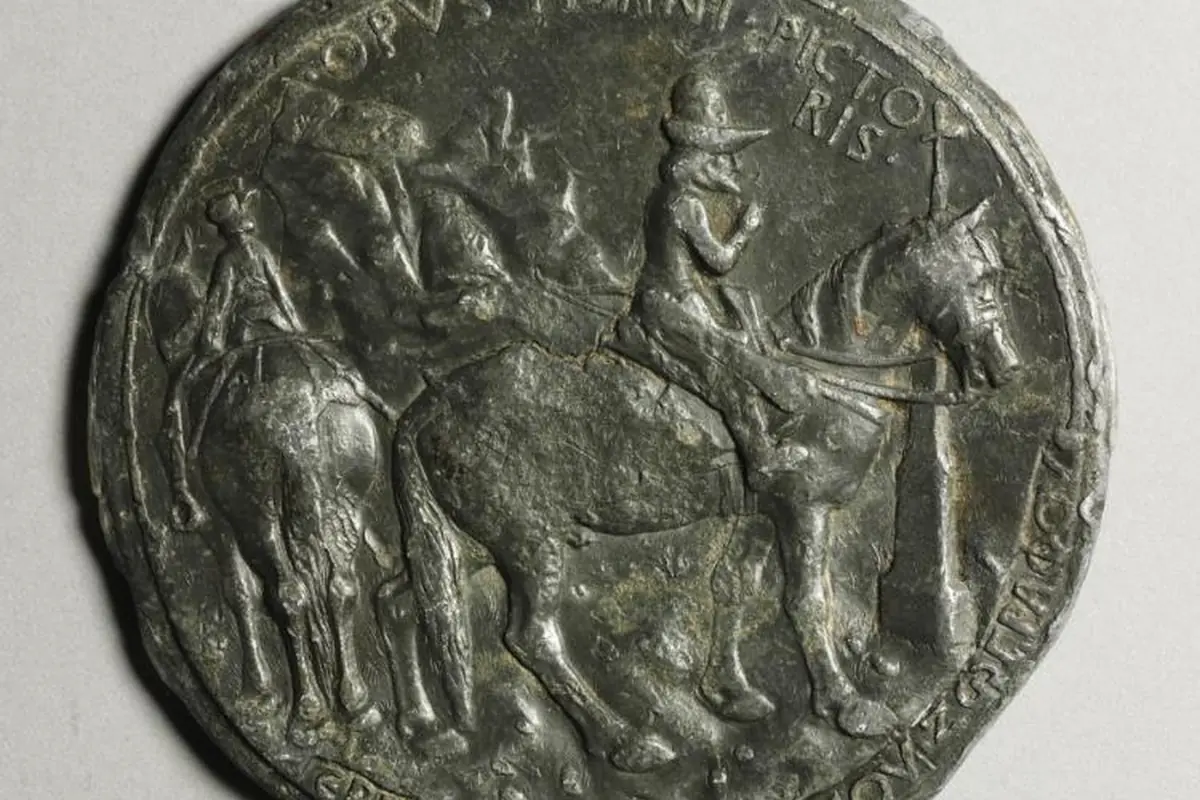
 Cleveland Museum of Art · CC0 1.0
A network of 140 museums
Museums hold a large share of movable heritage and know its history better than anyone. OIMAP runs a network of about 140 partner institutions, an indicative figure, spread across all continents.
This network exchanges on collection documentation, provenance research and restitutions. It builds on the agreement with ICOM, presented on the International organizations page.
Partner museums in figures
Source: OIMAP General Secretariat.
Why a museum network
Museums are both holders of collections and actors in the fight against trafficking. They receive offers of gifts, deposits or acquisitions and must verify what is proposed to them. A network makes it possible to share good practice and reports.
It also allows situations to be compared: a small museum does not have the same resources as a large institution, but it can benefit from the same method.
Collection documentation
The first contribution of museums is documentation. A precise inventory, photographs, a provenance history and a condition report are the basis of any certification. The Organization offers standard forms and training to produce them.
Partner museums can register their works with the Desk and obtain a work passport. A reduced rate of 50% applies to museums.
Provenance research and restitutions
Museums are sometimes faced with restitution requests. The network offers a space for confidential dialogue, accredited experts and, if needed, a mediation mechanism. To date, 847 works have been restituted, a significant share of them following dialogue with museums.
The aim is to avoid litigation by favouring negotiated solutions: restitution, long-term loan or joint exhibition ownership.
Joint programmes
The network carries out travelling exhibitions, curator exchanges and workshops on risk management. These programmes are co-funded by partners and Member States, according to projects approved by the Cooperation Directorate.
Museum staff also follow the modules of the Academy, among the 8,940 officials trained to date.
Services for museums
| Service | Content | Condition |
|---|---|---|
| Work registration | OIMAP number and passport | Reduced rate of 50% |
| Targeted alerts | Theft, loss, suspect work | Designated contact |
| Training | Academy modules | Registration |
| Mediation | Dialogue on restitutions | Agreement of the parties |
| Exhibitions | Travelling projects | Review of the project |
Milestones
- Academy
First training for museums (indicative).
- Structured network
Creation of the exchange network (indicative).
- Digital certification
Digital work passport for collections.
- 140 museums
Indicative size of the network.
Reduced rate
Large museum or small museum
Large museum
Substantial resources- Team dedicated to provenance
- Takes part in the programmes
- Shares its expertise
Driving role.
Small museum
Limited resources- A part-time contact person
- Standard forms
- Distance training
Beneficiary and witness role.
Becoming a network member
- Designate a contact person
Person in charge of liaison.
- Adhere to the code
Recognized professional ethics.
- Request membership
Through the contact form.
- Home
Access to the exchange area.
- Attend
Training and joint projects.
Good collection practices
A curator
« The network enabled us to handle a sensitive request in confidence, without procedure or publicity, and to arrive at a long-term loan. »
Glossary
- Provenance
- History of the successive owners of an item.
- Work passport
- Identity file of an item registered with the Desk.
- Contact person
- Person who represents the museum in the network.
- Long-term loan
- Negotiated solution as an alternative to restitution.
Joining the network
A public, association-run or private non-profit museum may apply to join the network. It must adhere to a recognized code of ethics, designate a contact person and undertake to report any suspect object.
Membership is free. It gives access to an exchange area, targeted alerts and reduced rates for Desk services.
Frequently asked questions
Is membership paid?
No, it is free.
Can a private museum join?
Yes, if it is non-profit and complies with the code of ethics.
Where can I certify a work?
See Certification.
Where can I report a suspect work?
Through the form.
Useful documents
Contacts
Related pages
 OIMAP PartnersInternational organizations, approved auction houses and museums that cooperate with OIMAP.›
 The OIMAP DeskThe single entry point to register, certify, track and report: procedures, timeframes and fees.›
 CertificationAuthenticating, tracing and protecting a work: all the certificates, titles, licences and labels issued by OIMAP.›
 TrainingThe OIMAP Academy trains judges, customs officers, market professionals, experts and curators: certification programmes, online training, scholarships and regional sessions.›
Contact the Organization
Image credits (17)
- Portrait of John VIII Palaoelogus, Emperor of Constantinople, 1424-1428 (reverse), Pisanello (c. 1438–1439) — Cleveland Museum of Art, CC0 1.0
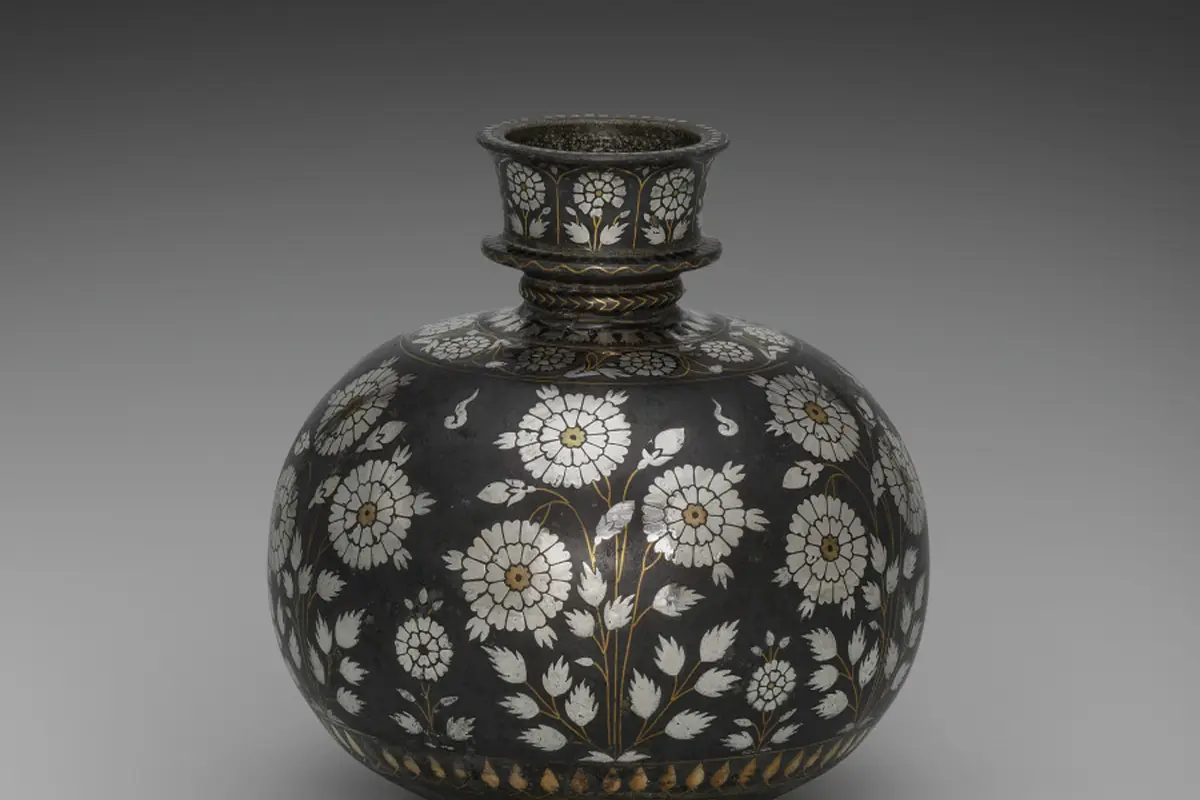
- Bidri Hookah Bowl with Roses (c. 1650s) — Cleveland Museum of Art, CC0 1.0
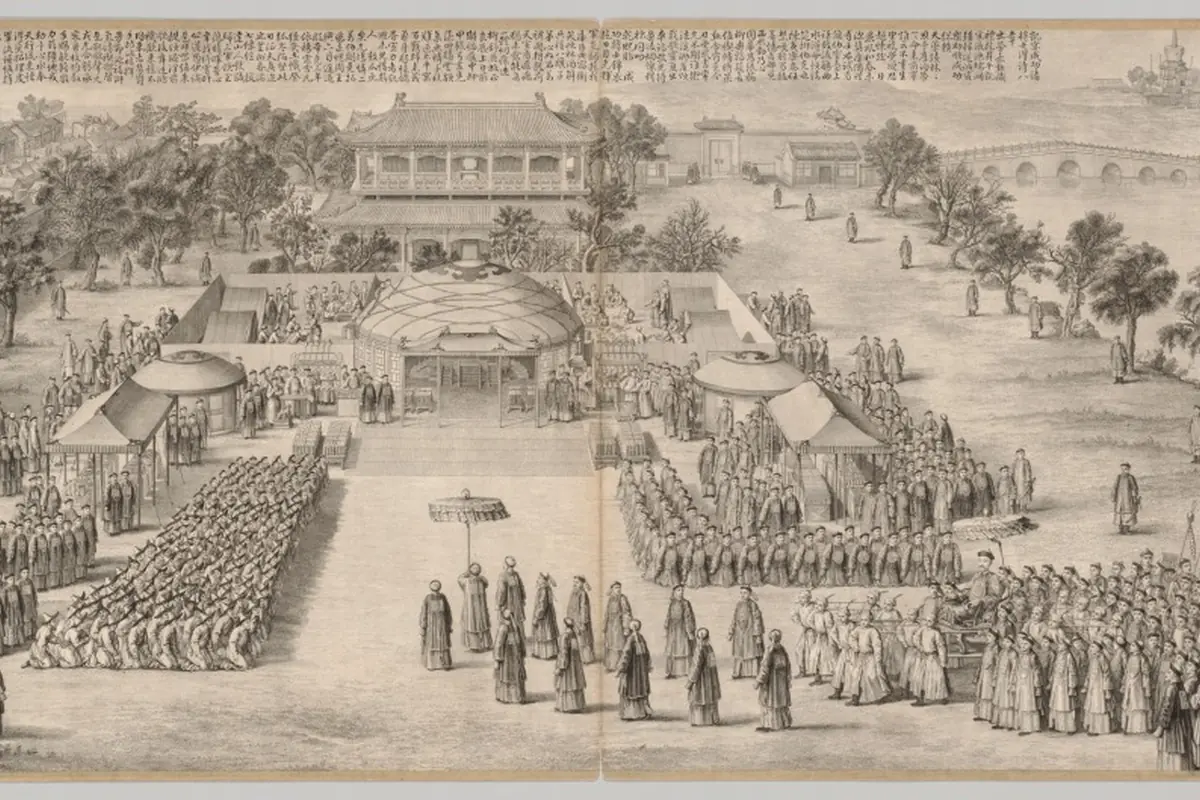
- The Victory Banquet: from Battle Scenes of the Quelling of Rebellions in the Western Regions, with Imperial Poems (c. 1765–74; poem dated 1760) — Cleveland Museum of Art, CC0 1.0
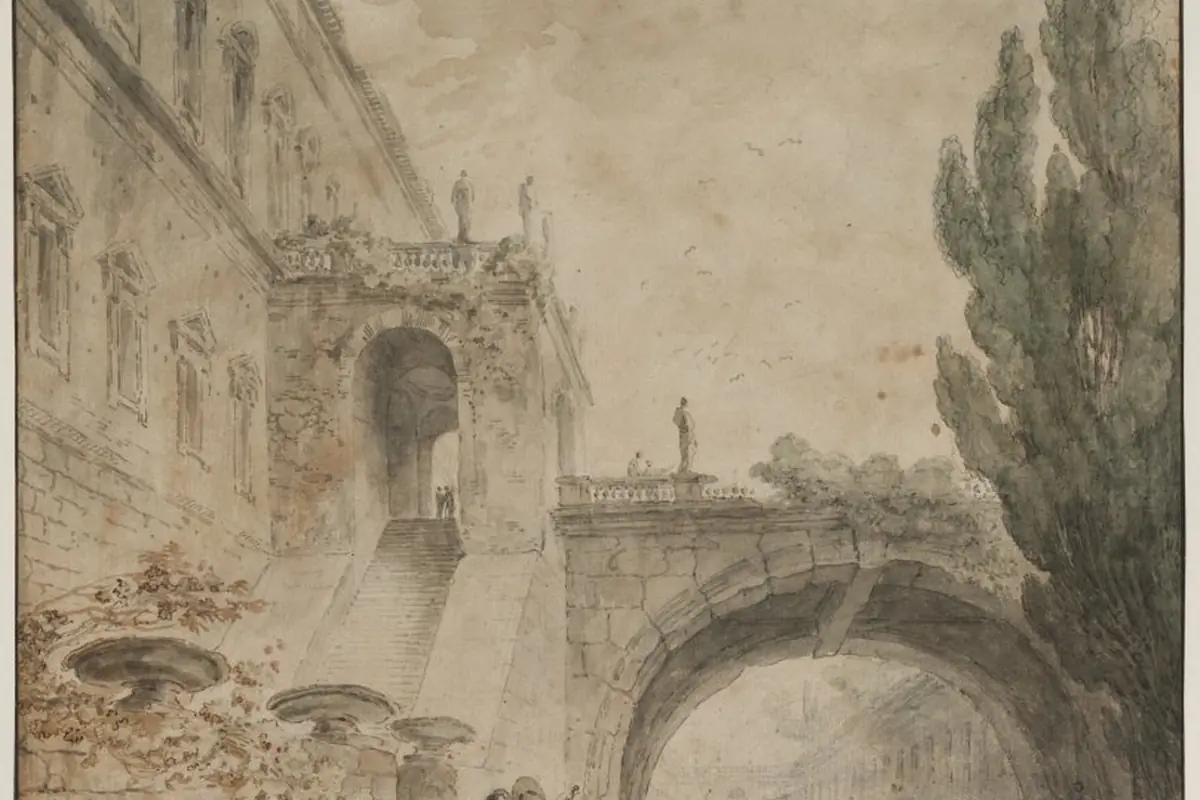
- A Palace with an Arched Bridge (A Roman Villa), Hubert Robert (1760) — Cleveland Museum of Art, CC0 1.0
- Coronation of the Virgin, Christoffel Jegher (1632–36) — Cleveland Museum of Art, CC0 1.0
- Lace Towel End (c. 1700s–1800s) — Cleveland Museum of Art, CC0 1.0
- The Dance at the Court of Herod, Israhel van Meckenem (c. 1500) — Cleveland Museum of Art, CC0 1.0
- Temple of Ramesses II, Abu Simbel, Antonio Beato (c. 1860s) — Cleveland Museum of Art, CC0 1.0
- Saint Jerome and the Lion (From the former Church of St. Peter in Erfurt), Tilman Riemenschneider (c. 1495) — Cleveland Museum of Art, CC0 1.0
- Farmhouse on the Slope of a Hill, Fra Bartolommeo (c. 1508) — Cleveland Museum of Art, CC0 1.0
- Gathering among the Members of Office Censor-General (1700s) — Cleveland Museum of Art, CC0 1.0
- View of the Château of Pierrefonds, François-Louis Français (c. 1870) — Cleveland Museum of Art, CC0 1.0
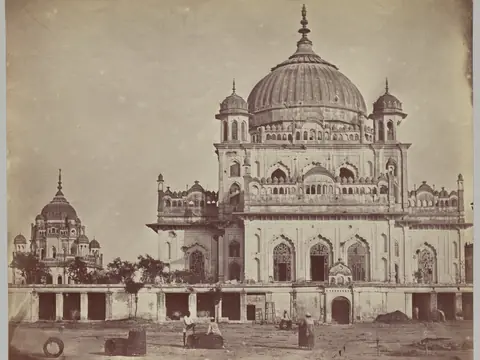
- Small Mosque in the Kaiserbagh, Felice A. Beato (1858) — Cleveland Museum of Art, CC0 1.0
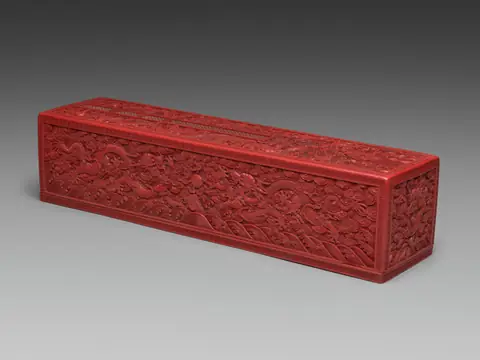
- Carved Lacquer Scroll Box (1736–95) — Cleveland Museum of Art, CC0 1.0
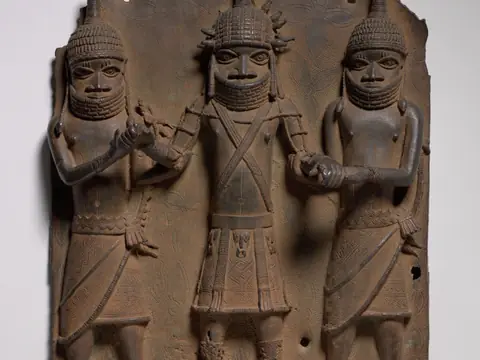
- Plaque (1500s–1600s) — Cleveland Museum of Art, CC0 1.0
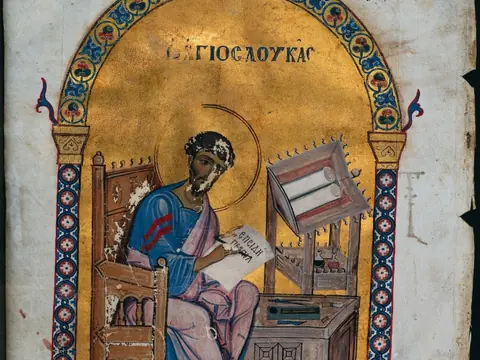
- Leaf from a Lectionary with St. Luke (1057–1063) — Cleveland Museum of Art, CC0 1.0
- Eighteen Views of Rome: The Piazza Farnese (recto); Cartouche (verso), Lievin Cruyl (1664) — Cleveland Museum of Art, CC0 1.0