
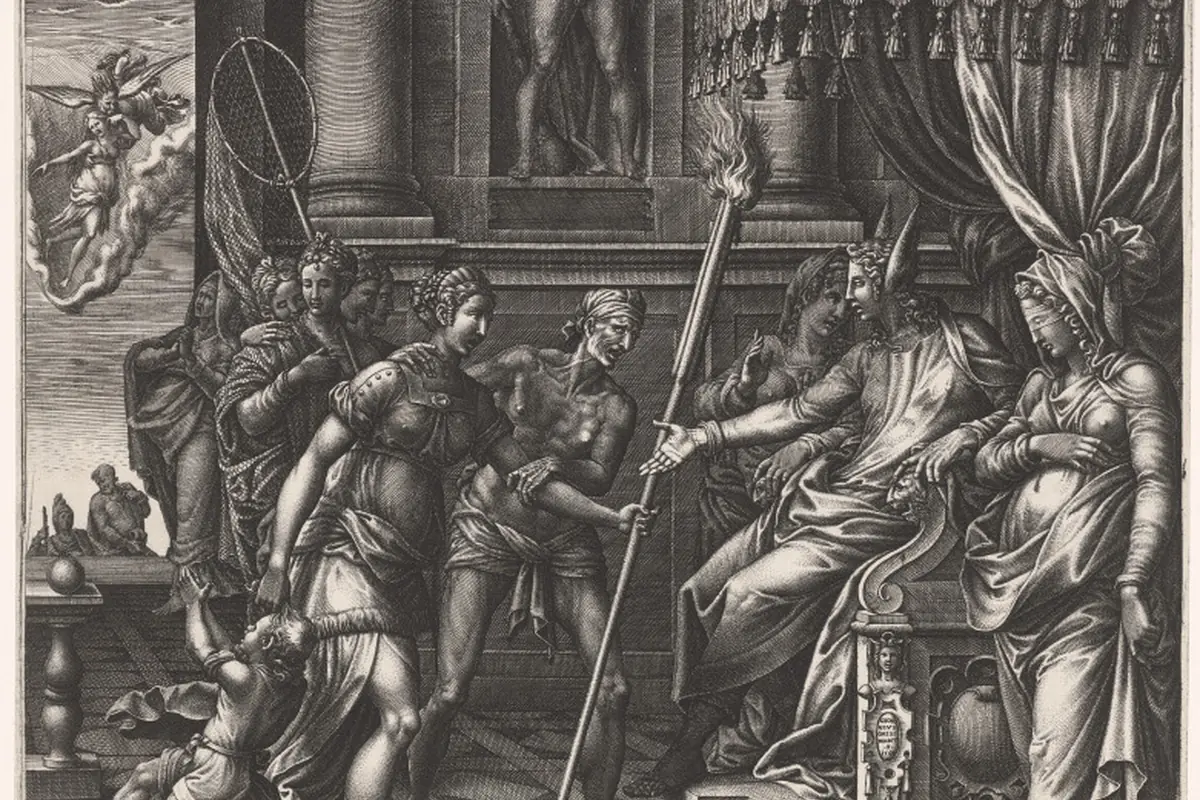
 Cleveland Museum of Art · CC0 1.0
Entrusting a work means entrusting it to risk
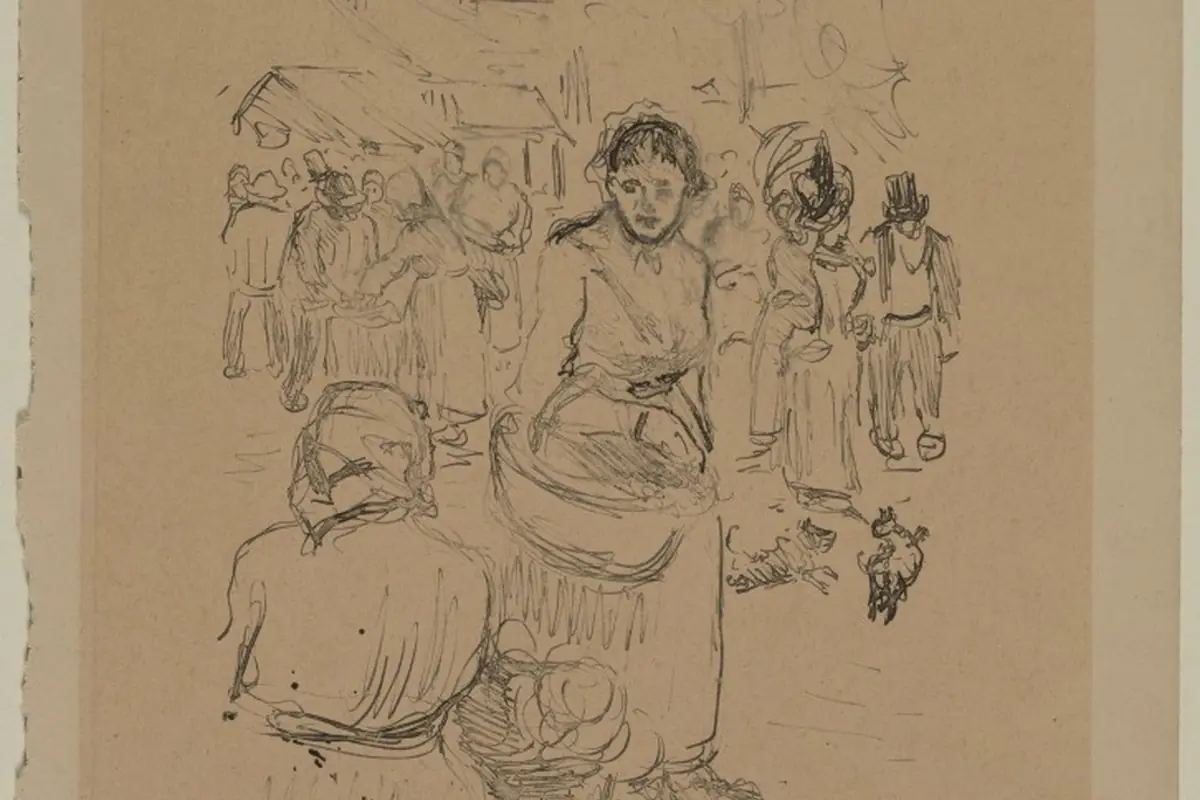
A work deposited in a gallery, a secure warehouse, a restoration workshop or a museum passes out of its owner's control. If it is damaged, lost or not returned, the question of liability arises immediately.
Deposit disputes account for 7% of TAO requests. They pit owners against professional depositaries, but also private individuals against one another.
This page presents the principles of liability, the useful evidence and the recommended clauses.
Deposit disputes in figures
Source: Registry of the OIMAP Arbitral Tribunal.
The depositary's obligations
The depositary must keep the work with the care of a professional, return it at the owner's request and inform the owner of any incident. The depositary answers for its fault, but may be exonerated in the event of force majeure or fault of the depositor. Conservation conditions (temperature, humidity, security) are assessed according to the standards of the profession.
The contract may limit liability to an amount or to certain risks, within the limits of the applicable law. Such clauses are strictly interpreted, particularly when challenged by a non-professional depositor.
Evidence and condition reports
The condition report on entry and exit is the essential evidence. It describes, with photographs, the state of the work at the time of deposit and of return. Without a report, it is hard to show that damage occurred during the deposit.
Owners have an interest in requiring an adversarial report, signed by both parties, and in keeping copies. Professional warehouses provide standardised reports.
Insurance and loans to museums
Insurance is at the heart of deposit disputes. The contract must specify who insures the work, for what value and against what risks. Loans to museums are often covered by State guarantees or "nail-to-nail" insurance.
In the event of a claim, prompt notification to the insurer is essential. The tribunal examines the depositary's liability independently of the compensation paid by the insurer, which may turn against the depositary.
Loans and exhibitions
Lending works for an exhibition is a particular kind of deposit. It requires a loan agreement specifying conservation conditions, insurance, duration, photo credits and return. Disputes are frequent when the loan is extended or when the work is damaged.
Museums and foundations may use the TAO clause in their loan contracts, ensuring quick and discreet settlement in the event of a dispute.
Liability in the event of a claim
| Situation | Responsible party | Key evidence |
|---|---|---|
| Damage during custody | Depositary | Condition report |
| Theft in the warehouse | Depositary (security) | Police report |
| Damage in transit | Carrier | Consignment note |
| Failure of conservation | Depositary | Climate records |
Milestones
- Condition report
Photographs.
- Follow-up
Reports.
- Notification
Insurer.
- Report
Comparison.
Adversarial report
Free deposit or paid deposit
Free
Between private individuals- More limited liability
- Little formality
- Fragile evidence
To be avoided for valuable works.
Paid
Warehouse or gallery- Reinforced duty of care
- Detailed contract
- Insurance provided for
Recommended solution.
Securing a deposit
- Contract
Draft the contract.
- Record
Condition on entry.
- Insure
Declared value.
- Monitor
Visits.
- Return
Report on exit.
Elements of the deposit contract
A restorer
« Photographic condition reports changed everything: no more debate about what had happened to the work, just a discussion about repair. »
Vocabulary of deposit
- Depositary
- Person who receives and keeps the work.
- Depositor
- Owner who entrusts the work.
- Nail to nail
- Insurance covering the whole journey.
- Force majeure
- Unforeseeable and irresistible event.
Frequently asked questions
Who answers for damage?
The depositary, unless exonerated.
What time limit to act?
Depending on the applicable law.
Is insurance enough?
Not always.
Where can I see the warranties?
See Warranties.
Useful documents
Contacts
Related pages
 Contract disputesSales, deposits, warranties: a third of the TAO's cases concern the performance of art-market contracts.›
 Sales disputesNon-payment, late delivery, non-conformity, costs: art sales disputes and their settlement before the TAO.›
 Warranty disputesWarranty of authenticity, conformity or title: scope, duration, implementation and remedies in a dispute before the TAO.›
See warranty disputes
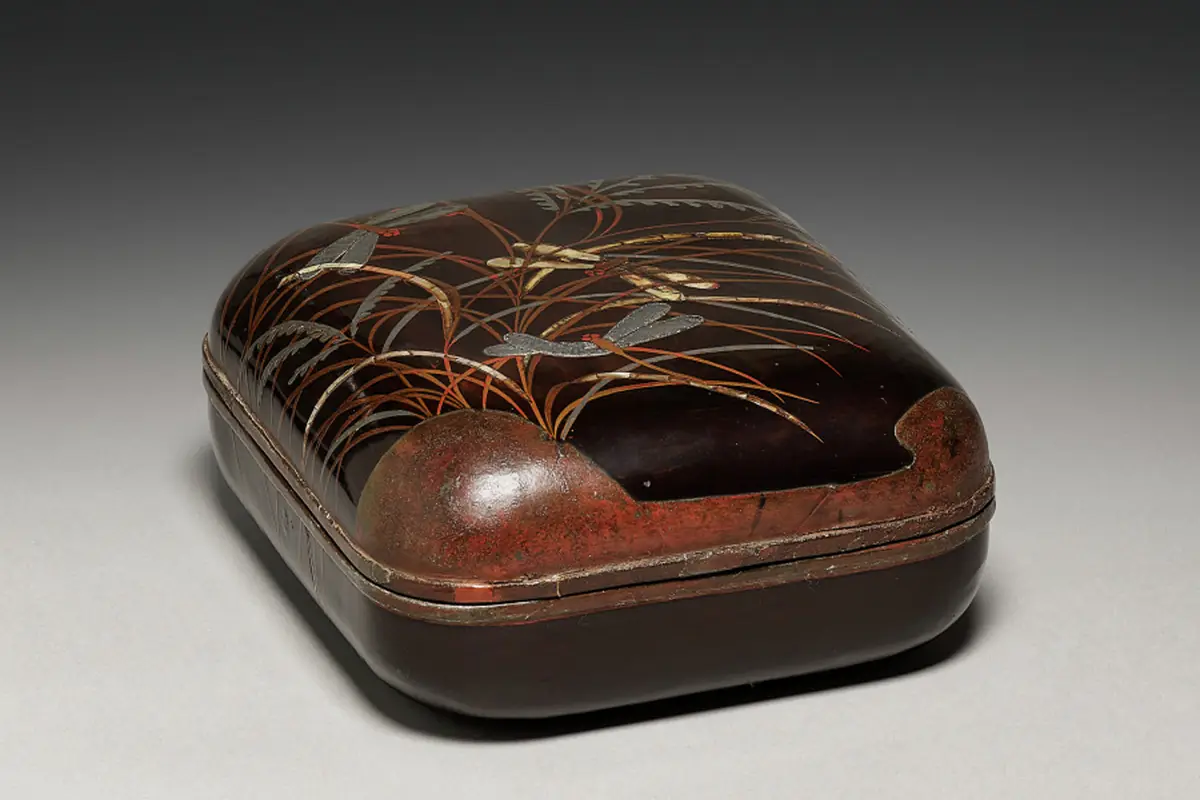
Image credits (16)
- The Calumny of Apelles, Giorgio Ghisi (1560) — Cleveland Museum of Art, CC0 1.0
- At the Market, Camille Pissarro (late 1800s) — Cleveland Museum of Art, CC0 1.0
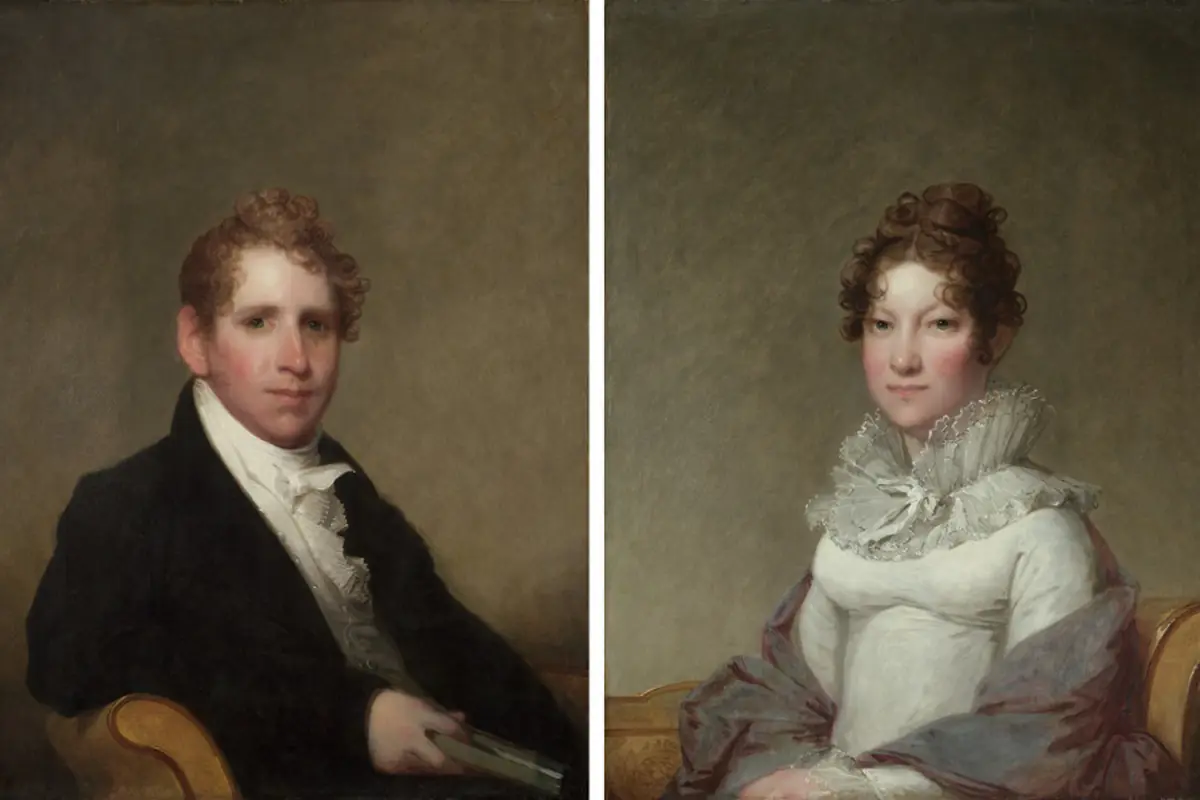
- Dr. James Stuart; Mary Campbell Stuart, Gilbert Stuart (c. 1815) — Cleveland Museum of Art, CC0 1.0
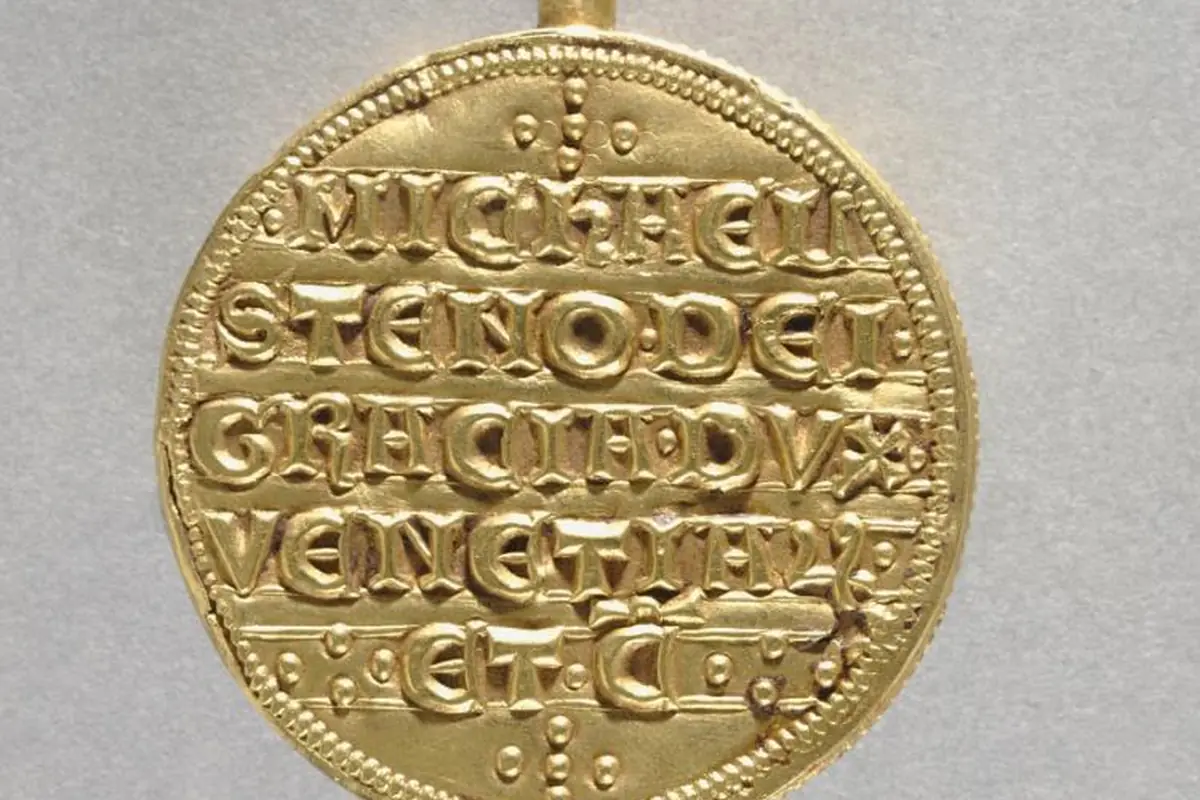
- Seal of Doge Michele Steno (reverse) (1400–1409) — Cleveland Museum of Art, CC0 1.0
- The Antechamber of the Palace of Justice, Paris, Charles Meryon (1855) — Cleveland Museum of Art, CC0 1.0
- Views: The Market on the Molo, Antonio Canaletto (1735–1746) — Cleveland Museum of Art, CC0 1.0
- Sketches in Belgium and Germany, Volume I: Hall of Justice of the Magistrates du Franc, Bruges, Louis Haghe (1840) — Cleveland Museum of Art, CC0 1.0
- Sweet Melancholy, Joseph-Marie Vien (1756) — Cleveland Museum of Art, CC0 1.0
- The Judgment of Solomon and Esther before Ahasuerus (pair), Dirk Vellert (c. 1530) — Cleveland Museum of Art, CC0 1.0
- The Auction House: The Town Crier, Honoré Daumier (1864, printed 1920) — Cleveland Museum of Art, CC0 1.0
- An Old Clothes Shop, Seven Dials, John Thomson (1877) — Cleveland Museum of Art, CC0 1.0
- A Palace with an Arched Bridge (A Roman Villa), Hubert Robert (1760) — Cleveland Museum of Art, CC0 1.0
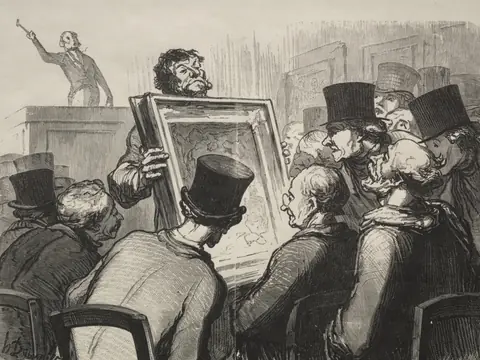
- Painting Enthusiasts at Auction House Bouillon, Honoré Daumier (1862, printed 1920) — Cleveland Museum of Art, CC0 1.0
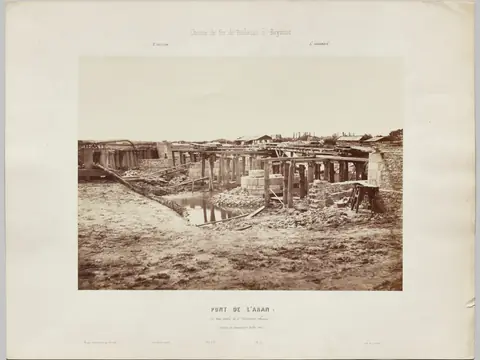
- Chemin de fer de Toulouse à Bayonne. Pont de l'Aran (en trois arches de 17m d'ouverture chacune). Situation des travaux au 21 juillet 1861, Édouard Baldus (1861) — Cleveland Museum of Art, CC0 1.0
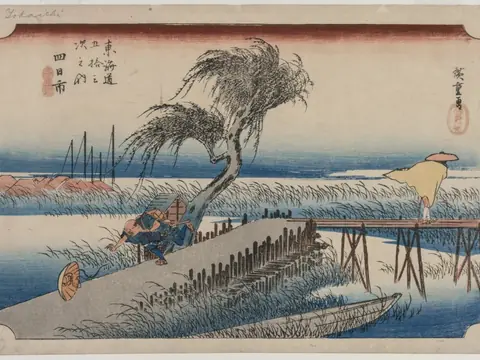
- Yokkaichi: View of the Mie River, from the series The Fifty-Three Stations of the Tōkaidō, Utagawa Hiroshige (c. 1833–34) — Cleveland Museum of Art, CC0 1.0
- Letter Box, Ogata Kōrin (1700s) — Cleveland Museum of Art, CC0 1.0