
 Cleveland Museum of Art · CC0 1.0
The segment read in hallmarks
Silverware accounts for €2.6 billion in 2024, with a median price of €1,900 and a rise of 4.2%. Hallmarks play a central role here: they identify the workshop, the metal and often the year.
Pieces of silver, gold, silver-gilt and precious metals are among the best documented in the art market. The registers of master silversmiths and assay offices make it possible to link an object to a specific workshop.
This page explains how to read hallmarks, what makes a piece valuable and what pitfalls to avoid.
Silverware in figures
Source: OIMAP Observatory.
Reading hallmarks
A piece of silverware bears several hallmarks: the master silversmith's, the assay office's that certifies the fineness of the metal, and sometimes that of the town or the date. Each country has its own system, which has evolved over time.
OIMAP's directory brings together more than 38,000 hallmarks classified by country and period. It allows an expert to date a piece in a few minutes. It also serves to spot counterfeit or transferred hallmarks.
Cast pieces and transferred hallmarks
Some forgers lift a hallmark from a modest piece and transfer it to a more precious object, by invisible soldering. Others make hallmarks from scratch using moulds.
The conservation report and scientific examination (X-ray fluorescence, analysis of the metal) make it possible to detect these frauds. An object whose hallmark shows traces of soldering should be viewed with suspicion.
Silverware and religious heritage
Religious silverware (chalices, monstrances, reliquaries) is a special case: many of these objects belong to churches or communities and are inalienable. Their sale is prohibited or tightly regulated in many Member States.
Thefts of religious silverware are frequent. Any piece of this kind must be checked in the BIOP database before purchase, and its provenance justified by ecclesiastical or notarial documents.
Metals and hallmarks
| Metal | Usual fineness | Guarantee hallmark | Material value |
|---|---|---|---|
| Silver | 800 to 950 ‰ | Head or animal | Variable |
| Gold | 750 ‰ | Eagle or head | High |
| Silver-gilt | Gilded silver | Silver hallmark | Medium |
| Plated | Silvered base metal | No official hallmark | Weak |
Landmarks
- First hallmarks
Creation of the goldsmiths' wardens.
- Assay offices
Standardisation of hallmarks.
- Directories
Publication of the major directories.
- 38,000 hallmarks
OIMAP's digital database.
Material value and art value
Antique silver or modern silver
Antique
Before 1850- Art value
- Old hallmarks
- Frequent restorations
Collector's pieces.
Modern
After 1850- Value closer to the metal
- Mass production
- Standardised hallmarks
Pieces for use.
Buying a piece of silverware
- Read
Note all the hallmarks.
- Weigh
Check weight and density.
- Examine
Look for soldering and repairs.
- Document
Obtain invoice and certificate.
- Insure
Have material and art value assessed.
To check before buying
A silversmith
« A well-struck hallmark is the object's identity card. When it is blurred or transferred, questions arise. »
Vocabulary of silverware
- Maker's mark
- The silversmith's mark.
- Fineness
- Proportion of precious metal.
- Silver-gilt
- Silver covered with gold.
- Assay office
- Administration checking the fineness.
Frequently asked questions
Is an unhallmarked piece a fake?
Not necessarily, but it is suspect.
Can an old piece be melted down?
Yes, but it destroys its art value.
Does plated silverware have value?
Mostly decorative.
Where can I report a suspect hallmark?
To an accredited expert.
Useful documents
Contacts
Related pages
 Decorative arts and furnitureThe market for antique furniture, glass, ceramics and silverware: stamps, hallmarks, restorations and prices.›
 FurnitureThe furniture and objets d'art segment: €12.2 billion in 2024, a market of volume and specialists.›
 DirectoryThe public directory of accredited experts: search by name, specialty, country and language, and check the validity of an accreditation.›
Back to decorative arts
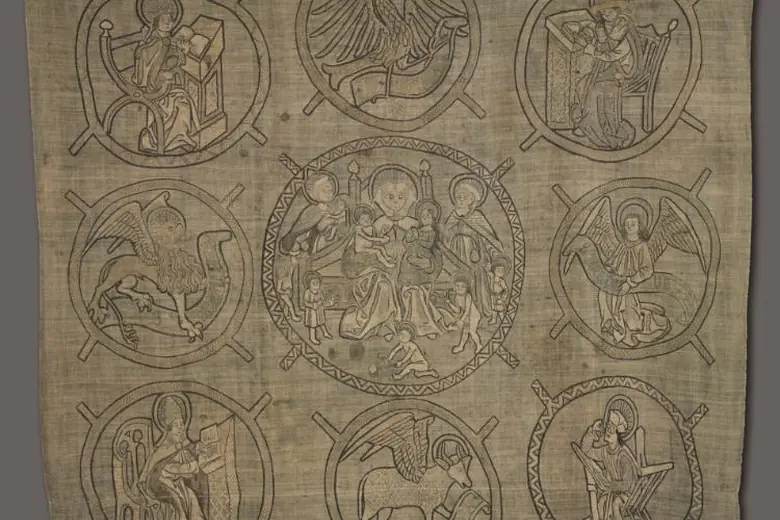
Image credits (16)
- Side Chair (2 of 2), Jean Baptiste fils Lelarge (1700s) — Cleveland Museum of Art, CC0 1.0
- Plate, Ferrat Factory (c. 1775) — Cleveland Museum of Art, CC0 1.0
- The Triumph of Eternity (from Chateau de Chaumont set) (1512–15) — Cleveland Museum of Art, CC0 1.0
- Woman's Costume (1800s) — Cleveland Museum of Art, CC0 1.0
- Embroidered Back and Seat for Chair (late 1600s) — Cleveland Museum of Art, CC0 1.0
- Millefiori Bowl (1–100 CE) — Cleveland Museum of Art, CC0 1.0
- Clock, Henrik Wigström (c. 1905–15) — Cleveland Museum of Art, CC0 1.0
- Jacket with Octopus (c. 1800–1868) — Cleveland Museum of Art, CC0 1.0
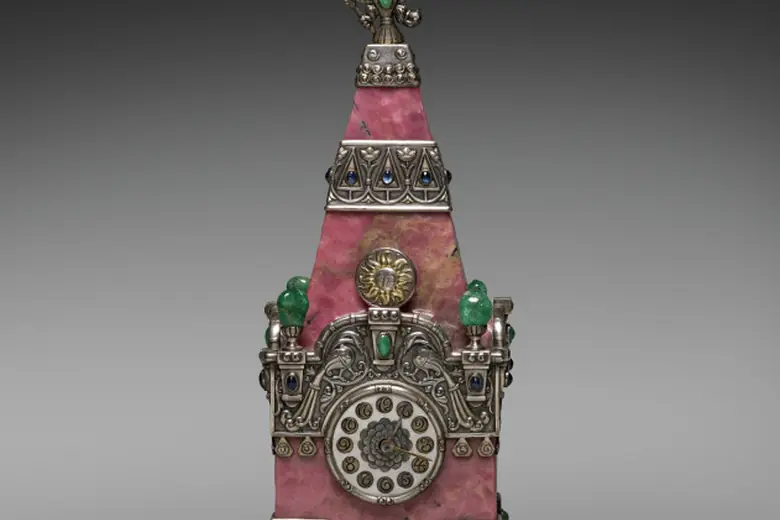
- Kremlin Tower Clock, House of Fabergé (c. 1913) — Cleveland Museum of Art, CC0 1.0
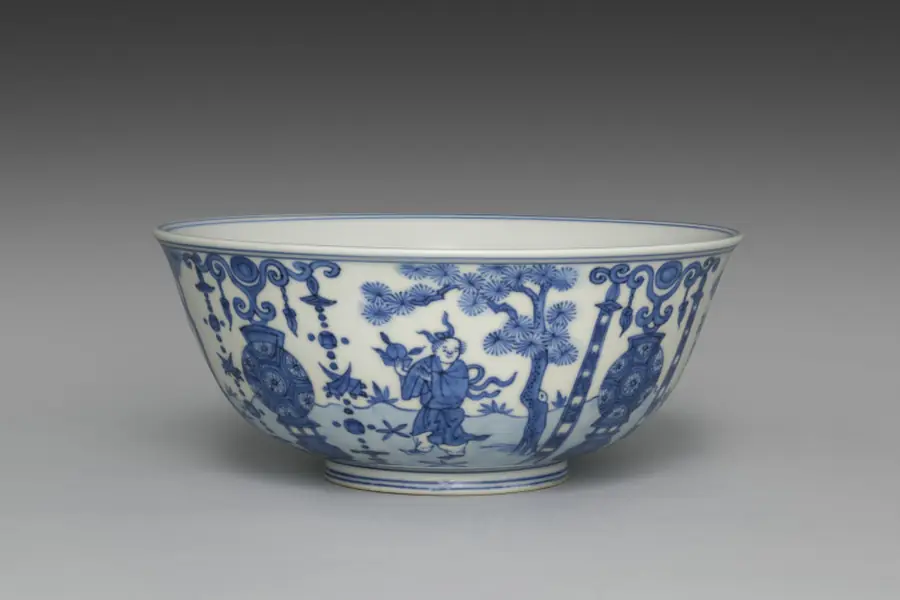
- Bowl from Nesting Bowls with Daoist Immortals, Seifū Yohei III (1893–1914) — Cleveland Museum of Art, CC0 1.0
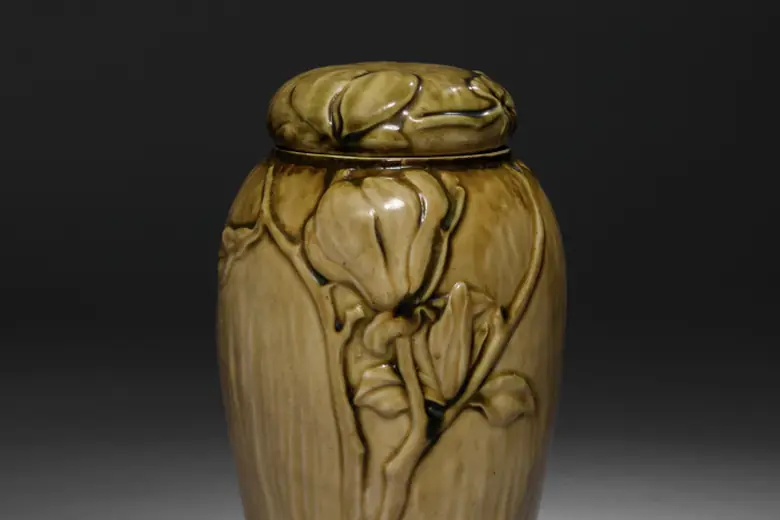
- Magnolia Ginger Jar, Tiffany Studios (c. 1904–14) — Cleveland Museum of Art, CC0 1.0
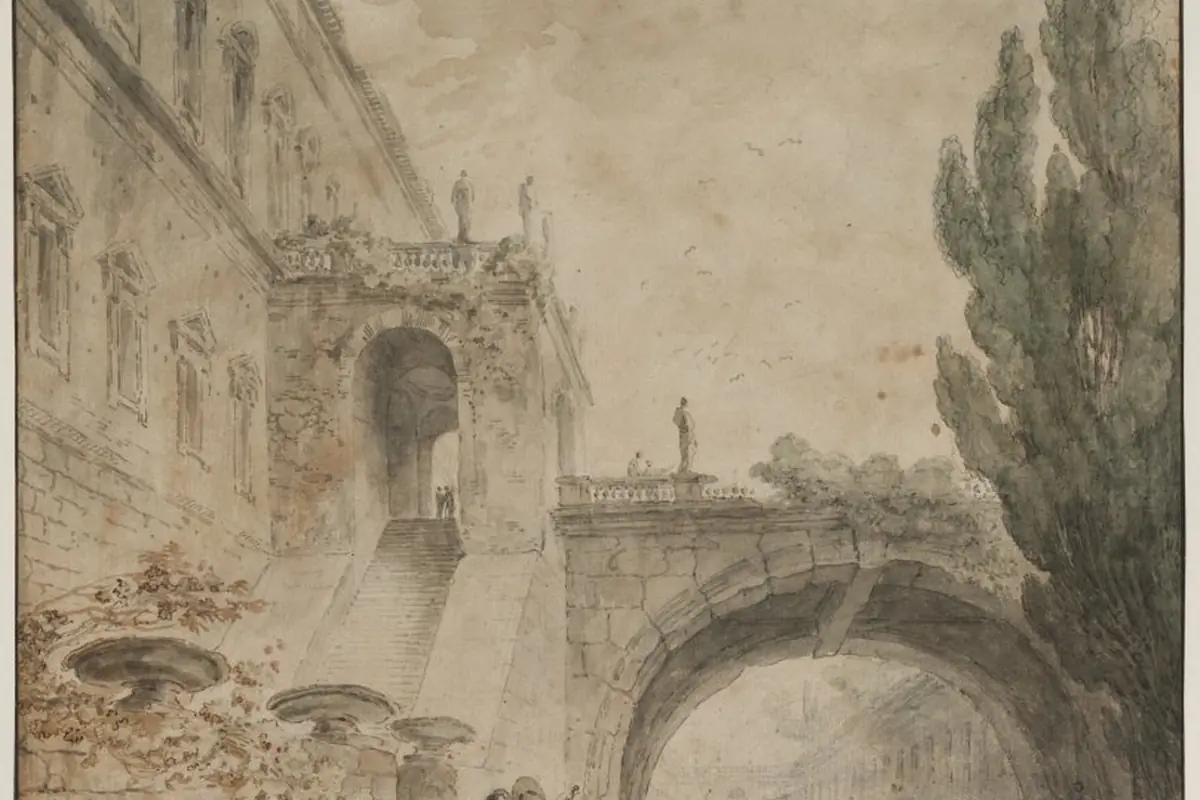
- A Palace with an Arched Bridge (A Roman Villa), Hubert Robert (1760) — Cleveland Museum of Art, CC0 1.0
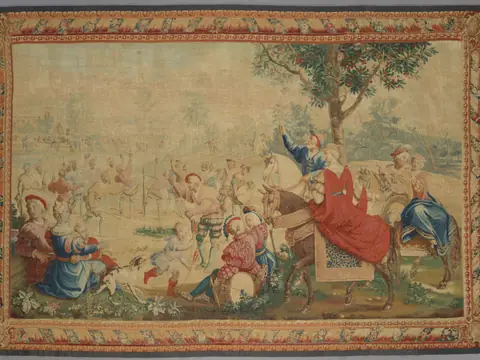
- Month of May: Scene of May Day Festival, Gobelins Manufactory (1723–1774) — Cleveland Museum of Art, CC0 1.0
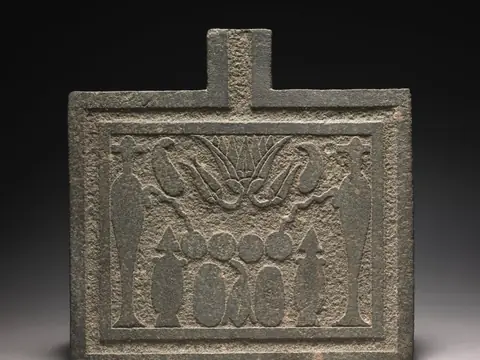
- Offering Table (305–30 BCE) — Cleveland Museum of Art, CC0 1.0
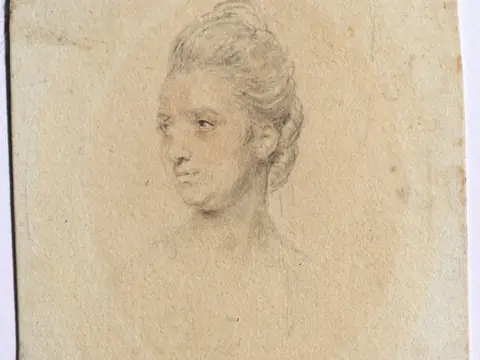
- Portrait of a Woman, John I Smart (c. 1772) — Cleveland Museum of Art, CC0 1.0
- Embroidered Panel: Holy Kinship (1500s) — Cleveland Museum of Art, CC0 1.0