
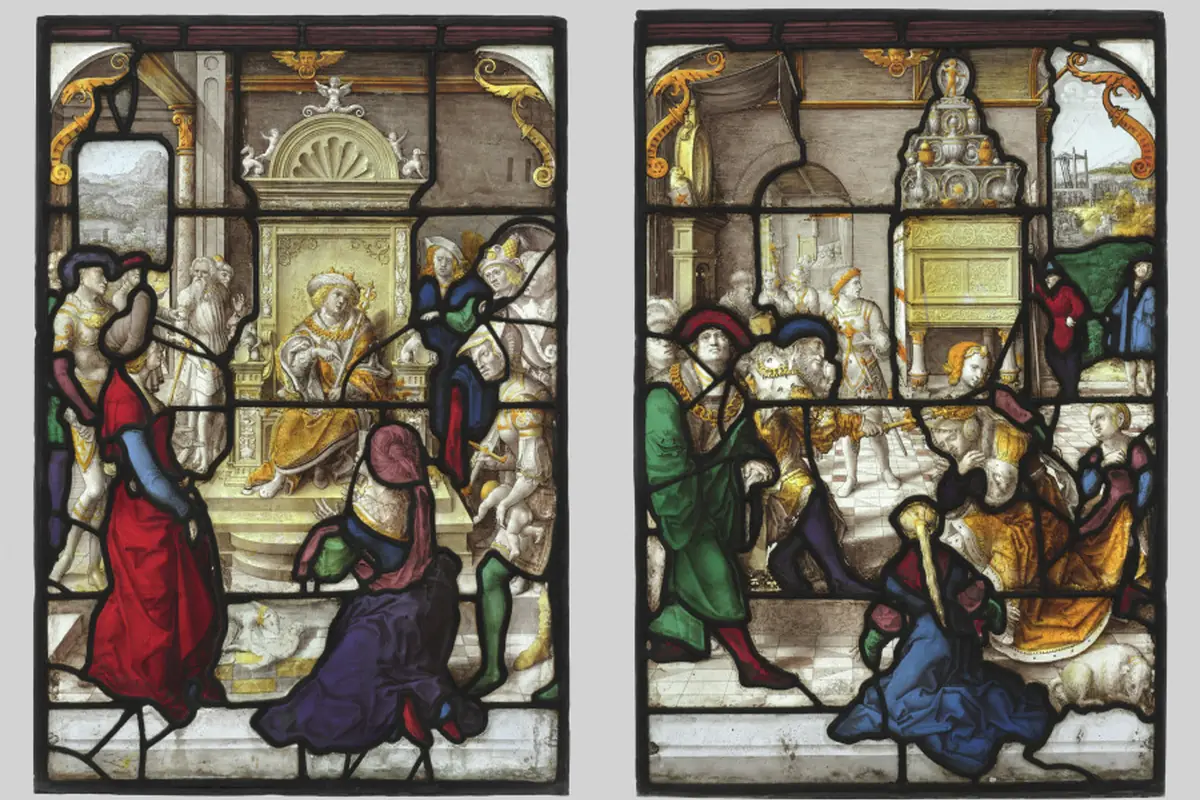
 Cleveland Museum of Art · CC0 1.0
Pages in this section
 Principles of authenticity disputesWarranty, mistake, fraud, burden of proof and limitation: the principles the tribunal applies on authenticity.›
 Appraisal in authenticity mattersAppointment, mission and report of the independent expert in an authenticity dispute before the TAO: methods, adversarial process and probative value.›
 Authenticity decisionsA few anonymised TAO decisions on authenticity: facts, question raised, outcome and lessons.›
Genuine or fake, who decides
A work bought as a Daubray may turn out to be by a follower. Who is right? On what evidence? With what consequences for the price? Authenticity disputes are the most delicate in art arbitration: they combine law, science and connoisseurship.
They account for 31% of the requests received by the TAO. The authenticity chamber, made up of lawyers and art historians, handles them with the help of independent experts.
This section presents the principles, appraisal and decisions.
Authenticity disputes in figures
Source: Registry of the OIMAP Arbitral Tribunal.
Three pages
One warranty, three questions
Every authenticity dispute rests on three questions: what did the seller promise (warranty, catalogue description, certificate), what does the appraisal prove, and what follows from it (annulment, price reduction, damages). The tribunal examines them in that order.
The answer depends a great deal on the applicable law and the terms of the contract. A mention of "attributed to" does not bind in the way "by the hand of" does.
The role of certification
A work certified by OIMAP has a detailed appraisal file, which is an important item of evidence. The tribunal may consult it with the parties' agreement. It does not, however, regard it as conclusive: certification is an expert opinion at a given time.
Challenges to a certification decision follow a particular route, that of an appeal to the TAO after review. They do not call the seller's liability into question, but the regularity of the procedure.
Varied outcomes
The arbitrator may declare the sale void, with return of the price against return of the work, or order a price reduction if authenticity is doubtful but not excluded. The arbitrator may also award damages or dismiss the claim if the buyer does not prove the allegation.
In 38% of cases, a mediation or agreement occurs during the proceedings, often after the appraisal report is filed.
Prevention rather than litigation
Most authenticity disputes could be avoided by a precise catalogue description, a prior appraisal and a clear contract. Buyers are well advised to demand the warranty of authenticity and to check provenance. Sellers gain by documenting the work.
OIMAP certification offers this security: it documents the work, its analyses and its history. See the Certification section for the procedure.
Stages of an authenticity dispute
| Stage | Subject | Duration |
|---|---|---|
| Requête | Challenge and claims | Day 0 |
| Appointment of the expert | With the parties | 2 months |
| Appraisal report | Examination of the work | 3 to 4 months |
| Hearing | Debates | 8 months |
| Award | Decision | 9 months |
Milestones
- Requête
Challenge.
- Expert appointed
Agreement of the parties.
- Report
Conclusions.
- Hearing
Discussion.
- Award
Decision.
Keep the work as it is
Joint or separate appraisal
Joint
A single expert- Reduced cost
- Fewer contradictions
- Agreement to be found
Recommended option.
Separate
One expert per party- In-depth debate
- Double cost
- Risk of conflicting reports
For major stakes.
Handling an authenticity dispute
- Gather
Contract, catalogue, certificate.
- Have appraised
Independent expert.
- Refer
Application.
- Plead
Briefs and hearing.
- Enforce
Restitution or compensation.
Essential documents
A collector
« I awaited the appraisal with dread. The report settled it, the award followed, and the price was refunded within the month. »
Vocabulary of authenticity
- Attribution
- Naming of the author of a work.
- Warranty of authenticity
- Seller's undertaking as to the author.
- Expertise
- Opinion of a specialist.
- Nullity
- Annulment of the sale.
Frequently asked questions
What time limit to act?
Depending on the applicable law, often five years.
Who pays the expert?
Advanced by the parties, allocated by the award.
Can the work be destroyed?
No, unless agreed.
Where can I see the principles?
See Principles.
Useful documents
Contacts
Related pages
 Principles of authenticity disputesWarranty, mistake, fraud, burden of proof and limitation: the principles the tribunal applies on authenticity.›
 Appraisal in authenticity mattersAppointment, mission and report of the independent expert in an authenticity dispute before the TAO: methods, adversarial process and probative value.›
 Authenticity decisionsA few anonymised TAO decisions on authenticity: facts, question raised, outcome and lessons.›
Read the principles
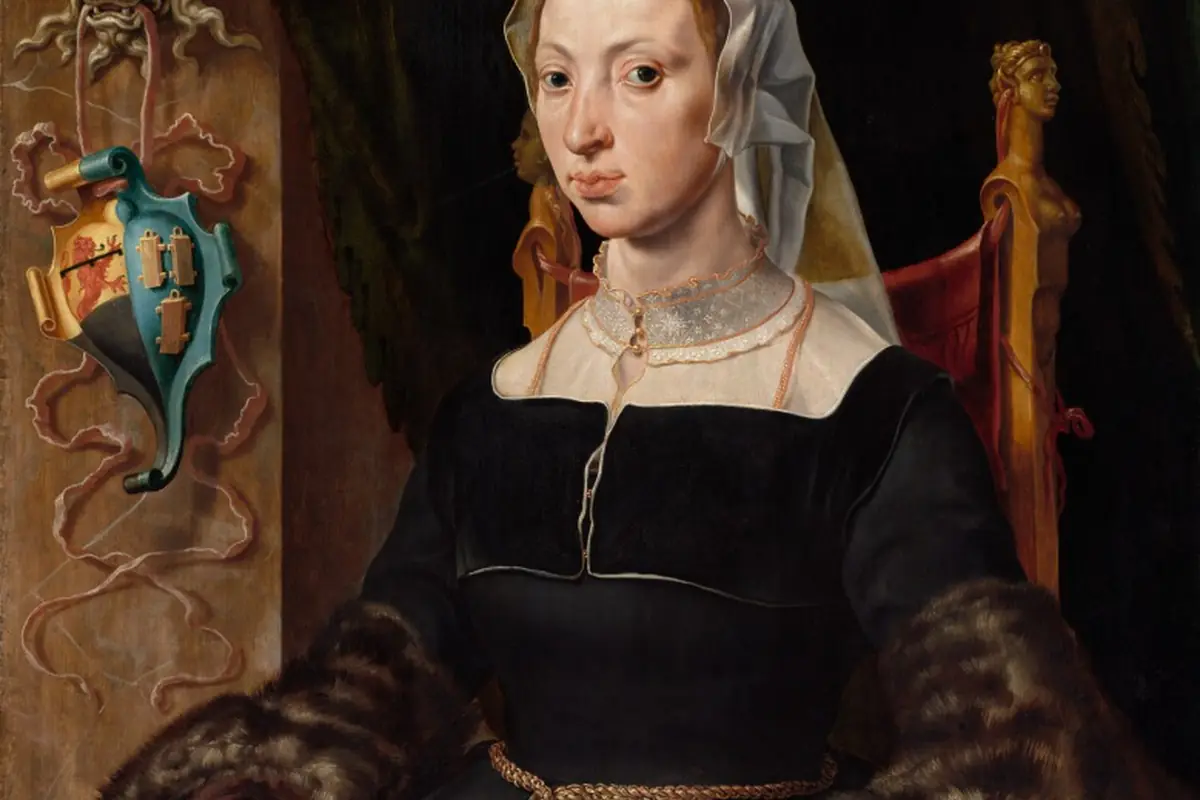
Image credits (22)
- The Judgment of Solomon and Esther before Ahasuerus (pair), Dirk Vellert (c. 1530) — Cleveland Museum of Art, CC0 1.0
- Dr. James Stuart; Mary Campbell Stuart, Gilbert Stuart (c. 1815) — Cleveland Museum of Art, CC0 1.0
- Leaf from a Psalter and Prayerbook: Ornamental Border with Carnations, a Thistle, and a Cook Ladling Soup (verso) (c. 1524) — Cleveland Museum of Art, CC0 1.0
- Telescoping basket (1800's) — Cleveland Museum of Art, CC0 1.0
- Annunciation to the Shepherds: Leaf from a Book of Hours (1 of 6 Excised Leaves), Henri d'Orquevaulx (c. 1420–30) — Cleveland Museum of Art, CC0 1.0
- Sketches in Belgium and Germany, Volume I: Hall of Justice of the Magistrates du Franc, Bruges, Louis Haghe (1840) — Cleveland Museum of Art, CC0 1.0
- Scenes of Witchcraft: Day, Salvator Rosa (c. 1645–49) — Cleveland Museum of Art, CC0 1.0
- The Antechamber of the Palace of Justice, Paris, Charles Meryon (1855) — Cleveland Museum of Art, CC0 1.0
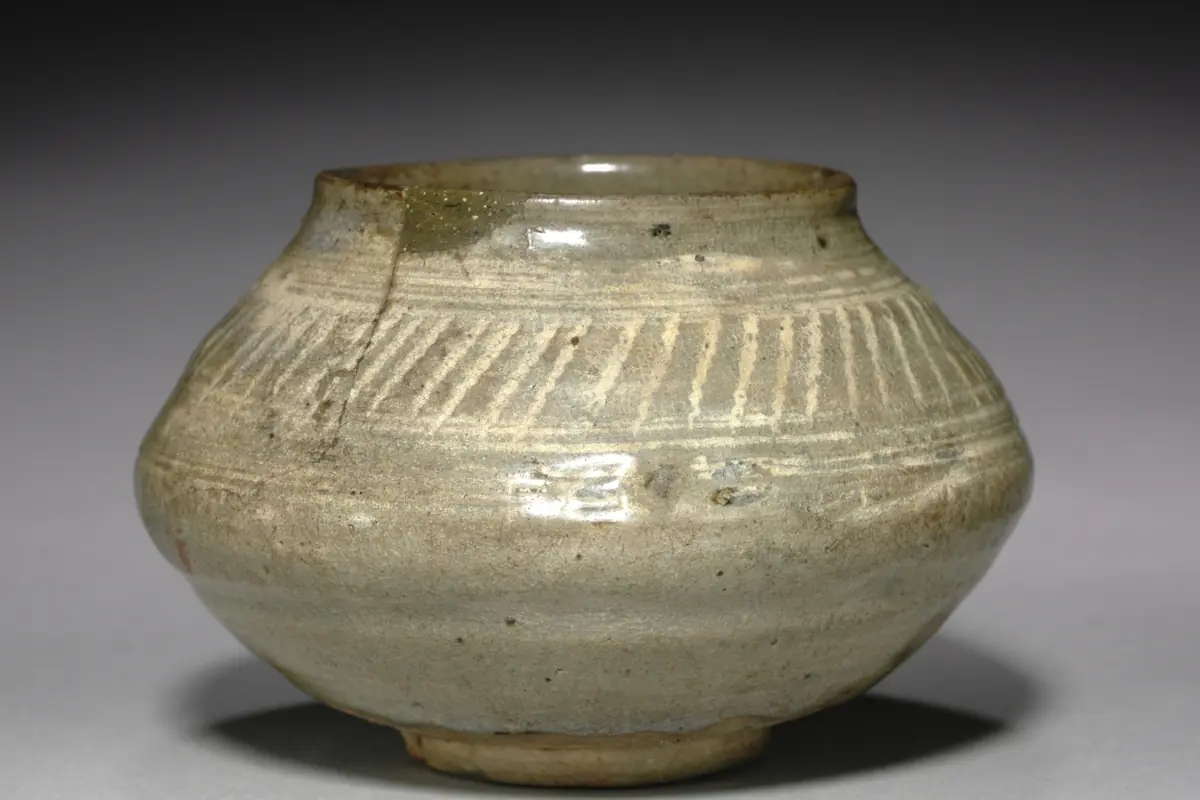
- Jar with Stamped Decoration (1400s) — Cleveland Museum of Art, CC0 1.0
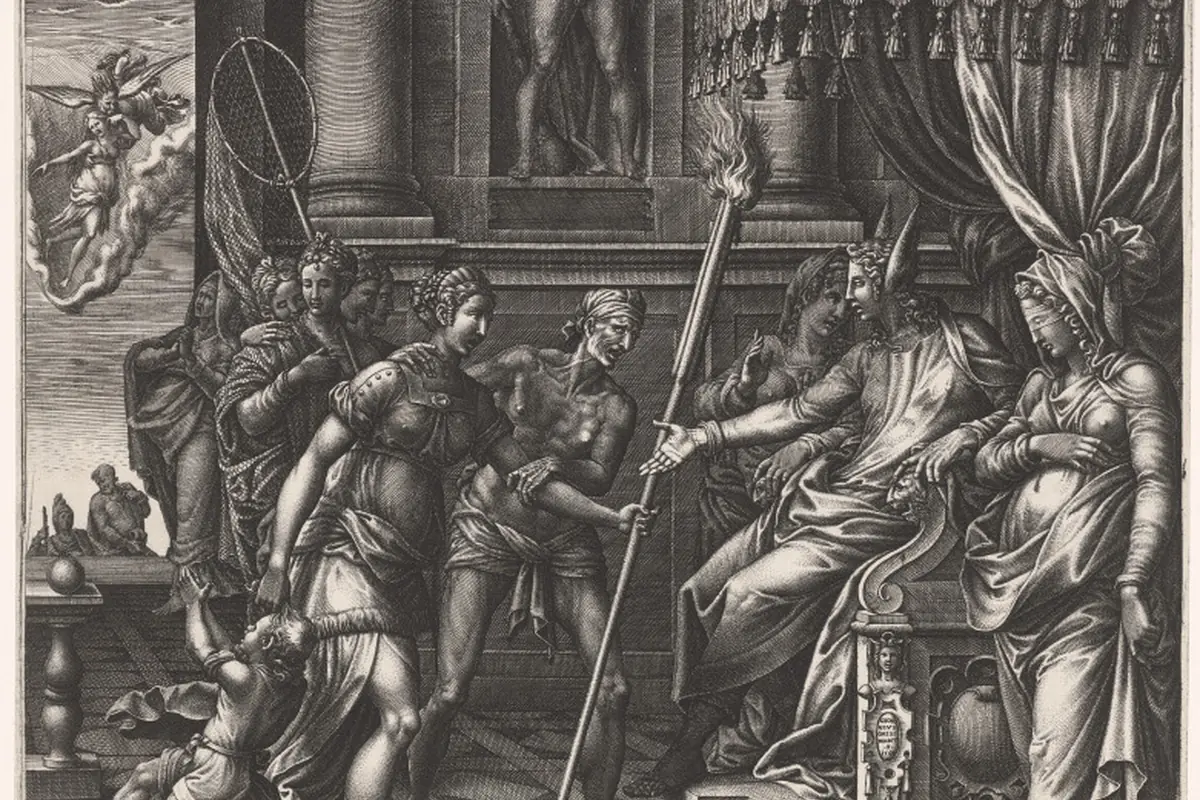
- The Calumny of Apelles, Giorgio Ghisi (1560) — Cleveland Museum of Art, CC0 1.0
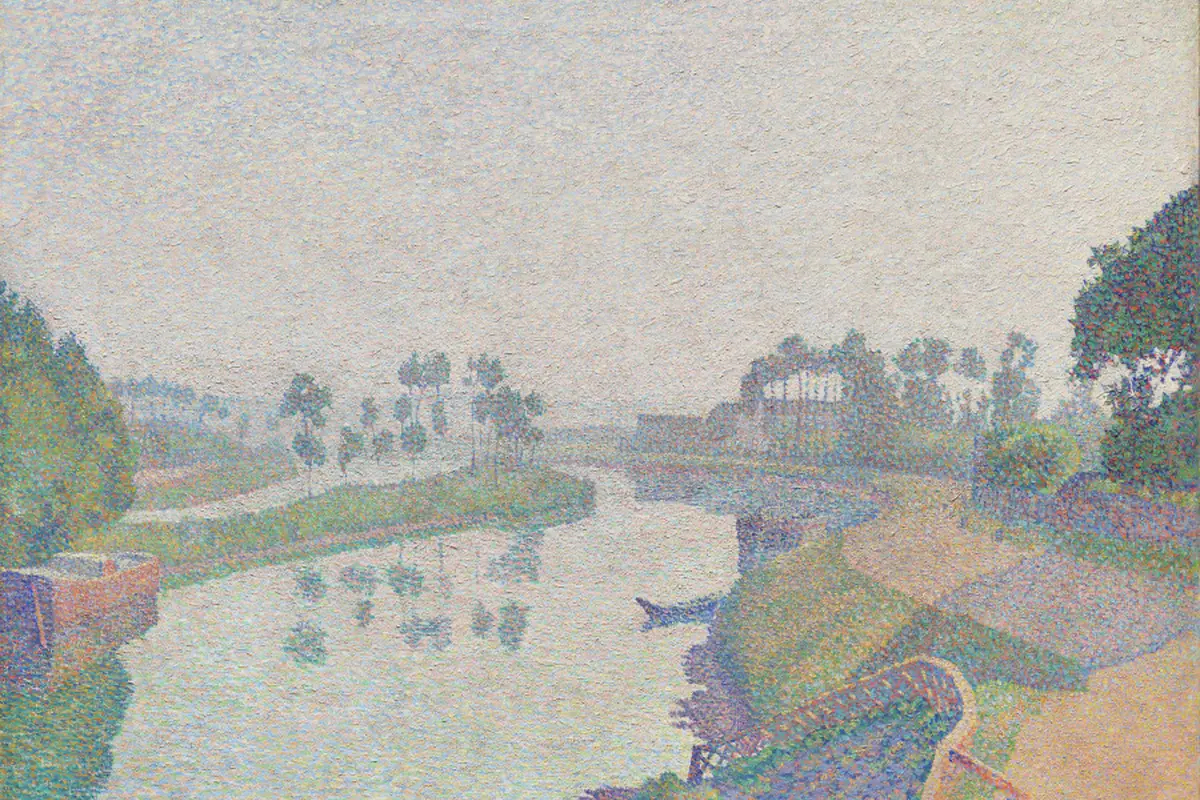
- Banks of the Oise at Dawn, Louis Hayet (1888) — Cleveland Museum of Art, CC0 1.0
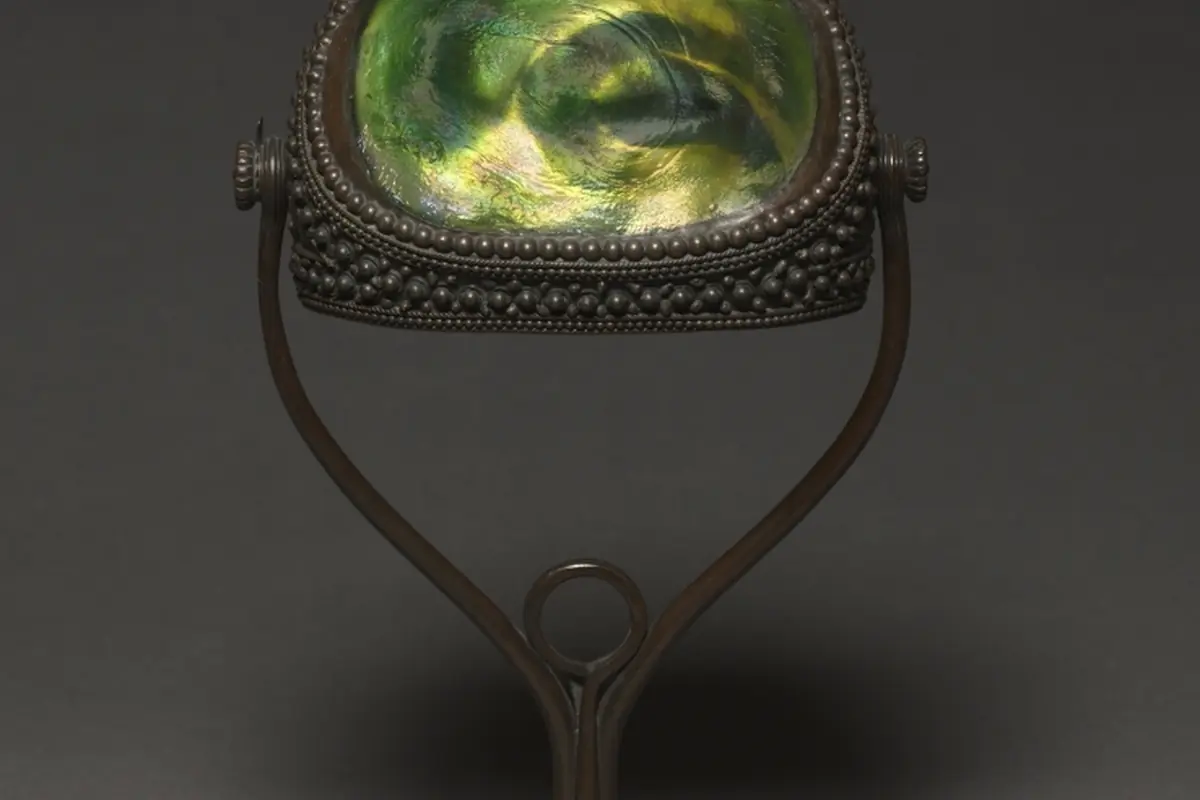
- Turtleback Reading Lamp, Tiffany Glass & Decorating Company (c. 1895–1902) — Cleveland Museum of Art, CC0 1.0
- Fragment of a Border with Standing and Seated Birds Amidst Vegetation (1500s) — Cleveland Museum of Art, CC0 1.0
- Saint Mary Magdalen, Simon Vouet (c. 1630) — Cleveland Museum of Art, CC0 1.0
- Compass and Sun Dial (1700–1750) — Cleveland Museum of Art, CC0 1.0
- Leaf from a Psalter and Prayerbook: Calendar Page with Labors (recto) (c. 1524) — Cleveland Museum of Art, CC0 1.0
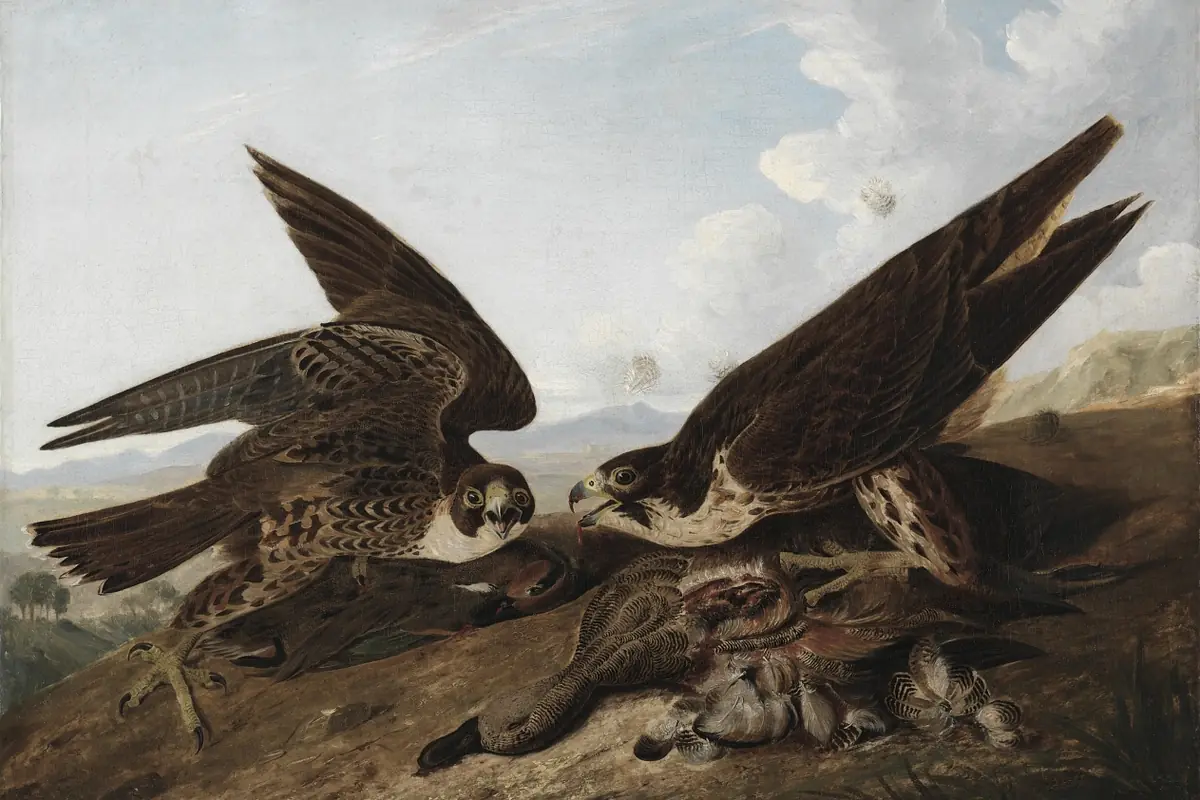
- Peregrine Falcons (Duck Hawks), John James Audubon (c. 1827) — Cleveland Museum of Art, CC0 1.0
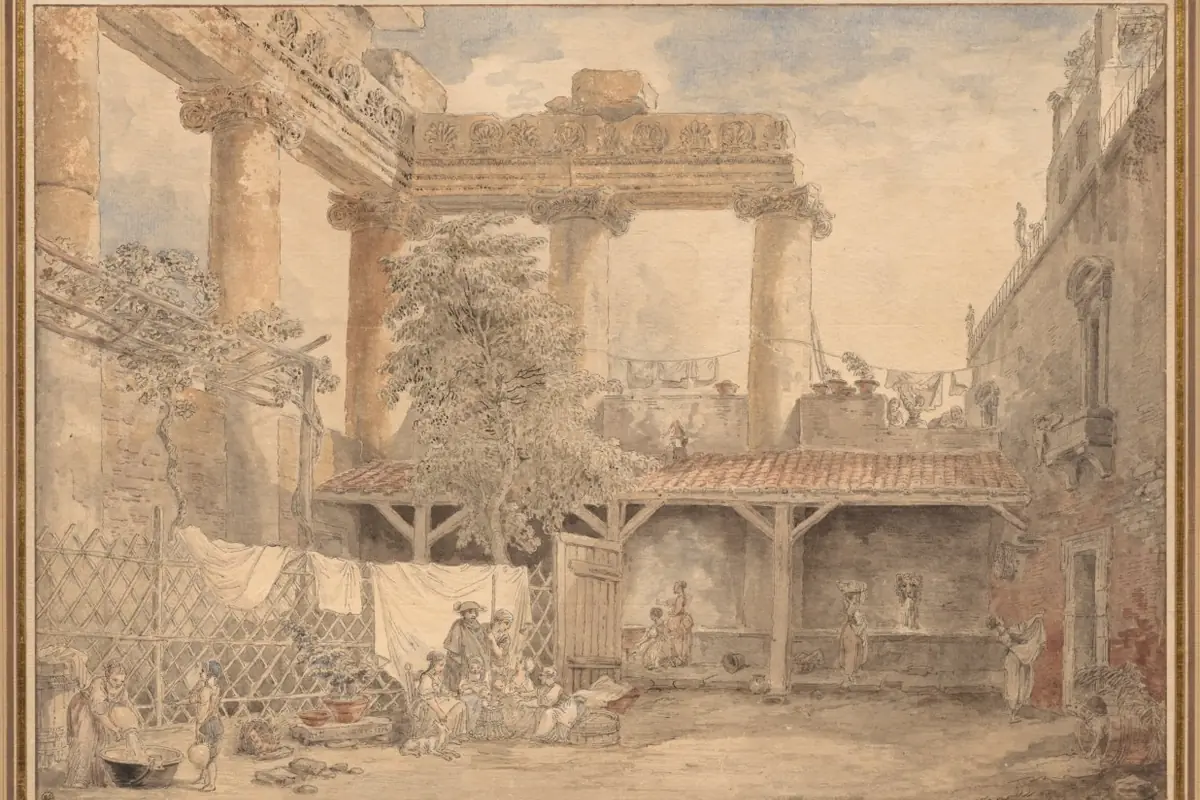
- Roman Ruins, Villa Pamfili, Hubert Robert (1774) — Cleveland Museum of Art, CC0 1.0
- The Judgment of Midas, Nicolaes Clock (1589) — Cleveland Museum of Art, CC0 1.0
- Still Life with Vegetables, Partridge, and a Jug, Adolphe-Félix Cals (1858) — Cleveland Museum of Art, CC0 1.0
- Sports on a Frozen River, Aert van der Neer (ca. 1660) — The Metropolitan Museum of Art, CC0 1.0
- Portrait of Machtelt Suijs, Maerten van Heemskerck (c. 1540–45) — Cleveland Museum of Art, CC0 1.0