
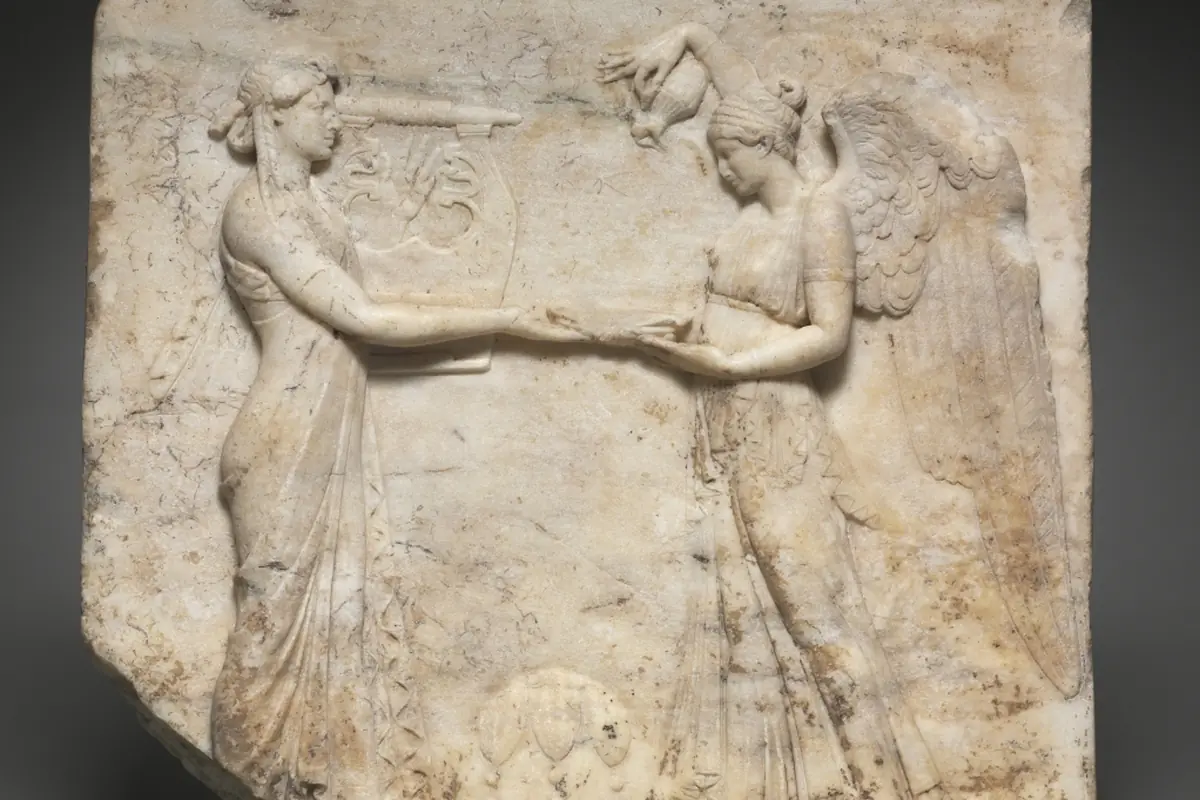
 Cleveland Museum of Art · CC0 1.0
14% of the market, rising steadily
Sculpture accounts for €9.5 billion in 2024, with 420,000 lots and a median price of €7,100. Its index rises by 5.2%.
The segment brings together marble, bronze, wood, terracotta, plaster and contemporary materials. Edition bronzes make up a major part, which raises specific questions of authenticity: who cast the copy, when, and in which series?
This page presents the breakdown by material, the specificities of the market and points of attention for the buyer.
Sculpture in 2024
Source: OIMAP Observatory.
The special case of bronze
A bronze is not unique: it is cast in a mould and may be produced in several copies. Authenticity therefore depends on several criteria: the authorisation of the artist or their rights holders, the cast number, the foundry and the date of casting.
A distinction is drawn between artist's casts, made in their lifetime, authorised posthumous casts and unauthorised casts. The former are generally worth far more than the latter; the third are counterfeits.
The OIMAP certificate states the category of the copy, the edition number and the foundry. It has become an expected document for any sale of a bronze worth more than €50,000.
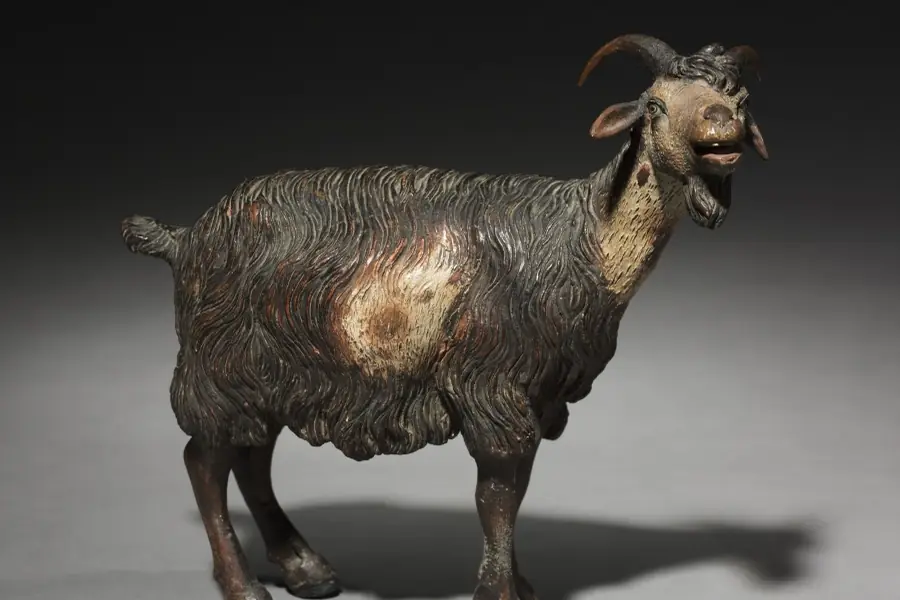
Types of casts and relative value
| Type of cast | Period | Relative value |
|---|---|---|
| Artist's cast | In the artist's lifetime | 100% |
| Authorised posthumous cast | After death, with the agreement of rights holders | 40 to 60% |
| Limited-edition cast | Numbered run | 30 to 50% |
| Unauthorised cast | Without agreement | No market value |
Indicative values at comparable quality.
Landmarks of the segment
- Segment at 12%
Market dominated by bronze.
- Casting certificate
Creation of the certificate specific to bronzes.
- Monumental sculpture
Rise in public commissions.
- €9.5bn
All-time high.
Beware of late casts
Unique sculpture or edition sculpture
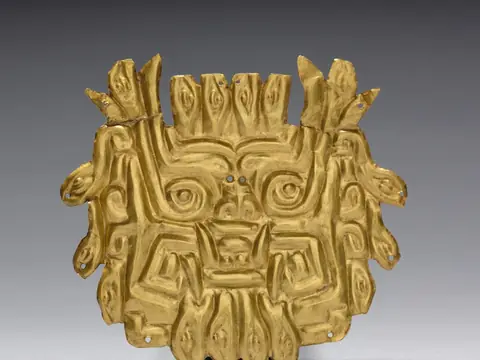
Unique sculpture
Direct carving, unique piece- High price
- Stylistic authenticity
- Provenance essential
Collectors' market.
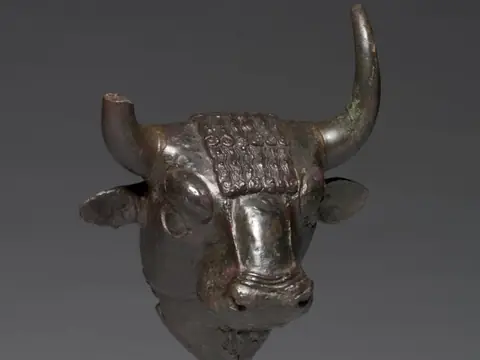
Edition sculpture
Bronze in several copies- More accessible price
- Cast number decisive
- Risk of unauthorised casts
Wider market.
Checking a bronze
- Examine
Check patina, weight, founder's mark.
- Number
Note the cast number.
- Archives
Consult the foundry's registers.
- Expert examination
Have the copy certified.
- Registry
Register the work with OIMAP.
Documents to ask for when buying a bronze
A founder
« A good founder leaves a trace: stamp, number, register. If all this is missing, questions must be asked. »
Vocabulary of sculpture
- Lost-wax casting
- Technique of moulding bronze.
- Patina
- Surface colour of bronze.
- Print run
- Copy of an edition.
- Rights holders
- Heirs holding the artist's rights.
Displaying and preserving a sculpture
Sculpture raises practical questions that painting ignores: weight, stability, transport, exposure to light, humidity variations and pollutants. An outdoor bronze patinates differently from an indoor bronze, and a porous stone fears frost.
The conservation report indicates the condition of surfaces, the stability of the base and handling precautions. For monumental works, it also includes an assessment of transport and installation conditions, often decisive for insurance.
Frequently asked questions
Is a numbered bronze authentic?
Not necessarily: only a certificate establishes the link with the authorised edition.
What is the difference between a proof and a copy?
None in everyday use: both words designate a cast from an edition.
Can a sculpture be exported?
Yes, with a licence if necessary.
Where can I see prices?
In the databases.
Useful documents
Contacts
Related pages
 Breakdown by segmentHow the market's volume is split between painting, contemporary art, furniture, sculpture and tribal art.›
 Certificates of authenticityThe OIMAP certificate of authenticity establishes, through independent expertise and scientific analysis, that the work is indeed the one claimed.›
 By segmentThe global index broken down into five segments: painting, contemporary art, sculpture, furniture and tribal art.›
Understand furniture
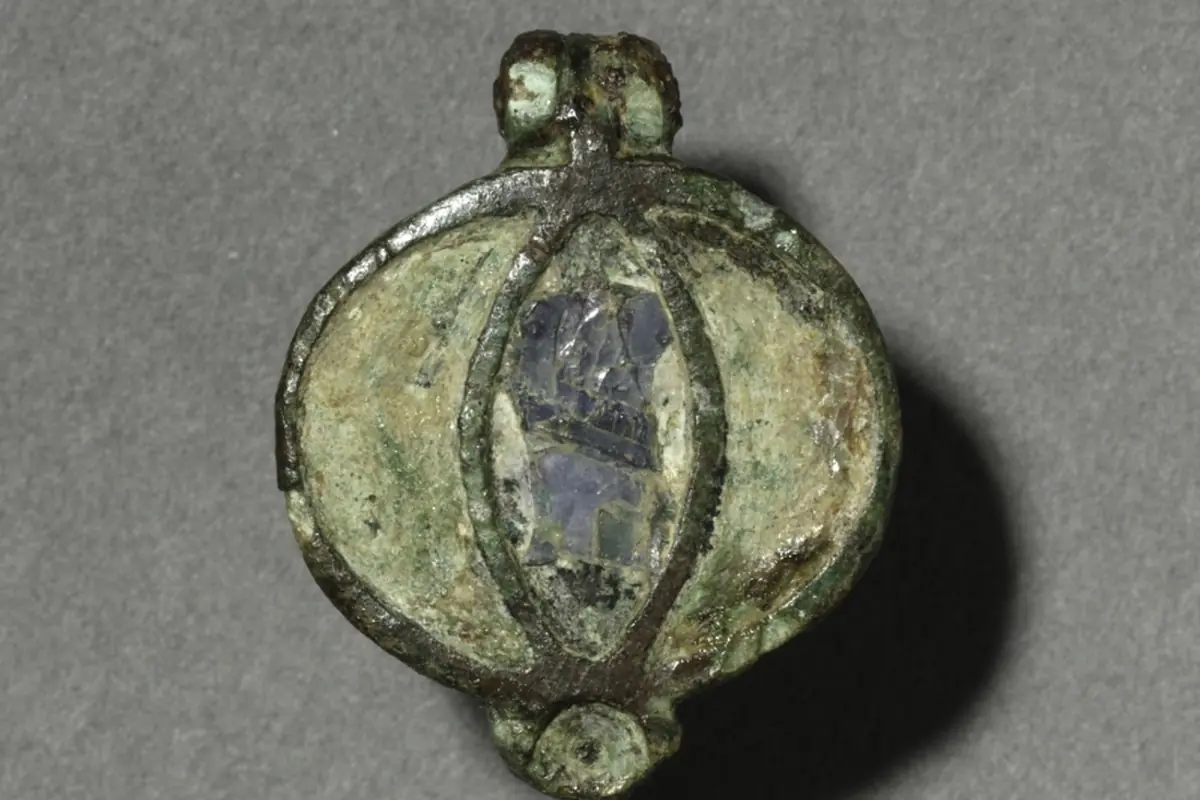
Image credits (16)
- Relief of Apollo with Nike (27 BCE–14 CE) — Cleveland Museum of Art, CC0 1.0
- Nymphs and a Satyr (Amor Vincit Omnia), Nicolas Poussin (c. 1625–27) — Cleveland Museum of Art, CC0 1.0
- Figure from a Crèche: Angel (1780–1830) — Cleveland Museum of Art, CC0 1.0
- Shallow Ribbed Bowl (50 BCE–100 CE) — Cleveland Museum of Art, CC0 1.0
- Figure from a Crèche: Standing Mountain Goat (1780–1830) — Cleveland Museum of Art, CC0 1.0
- Plaque (c. 500–200 BCE) — Cleveland Museum of Art, CC0 1.0
- Bull Head Attachment (c. 700–600 BCE) — Cleveland Museum of Art, CC0 1.0
- Marie-Yolande de Fitz-James, Henri Fantin-Latour (1867) — Cleveland Museum of Art, CC0 1.0
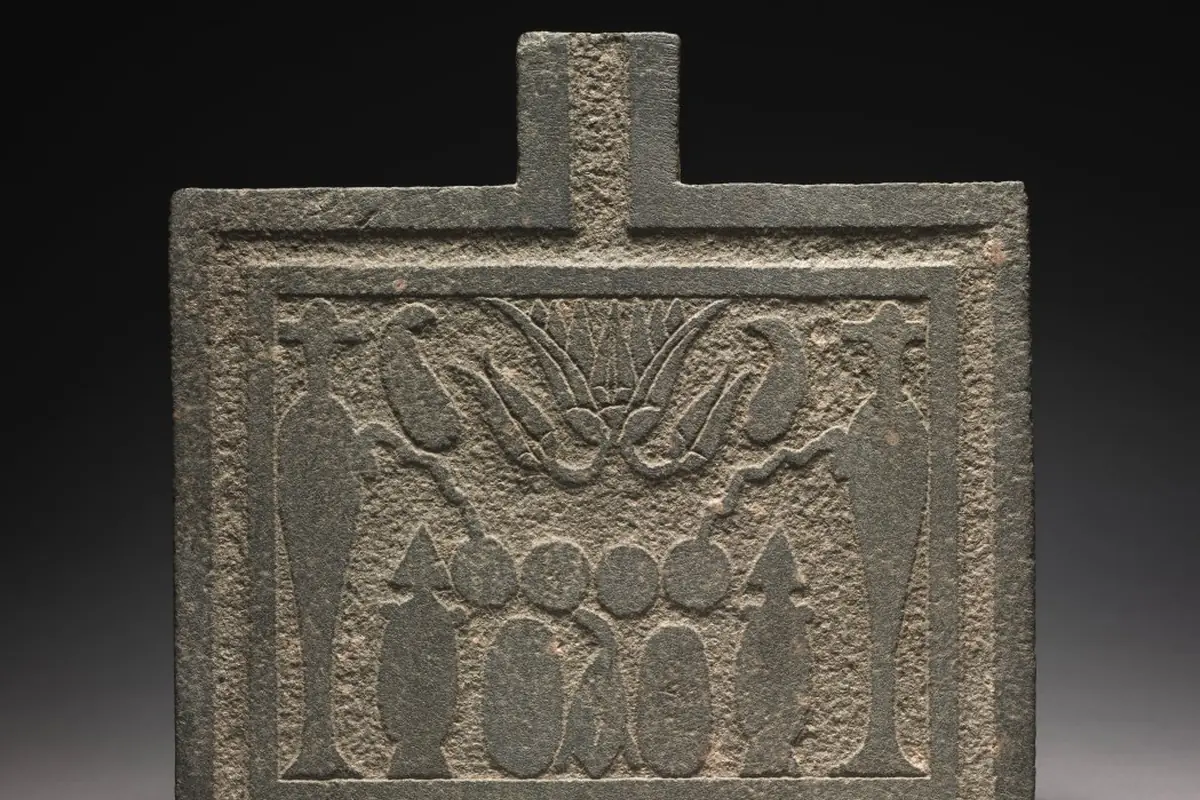
- Offering Table (305–30 BCE) — Cleveland Museum of Art, CC0 1.0
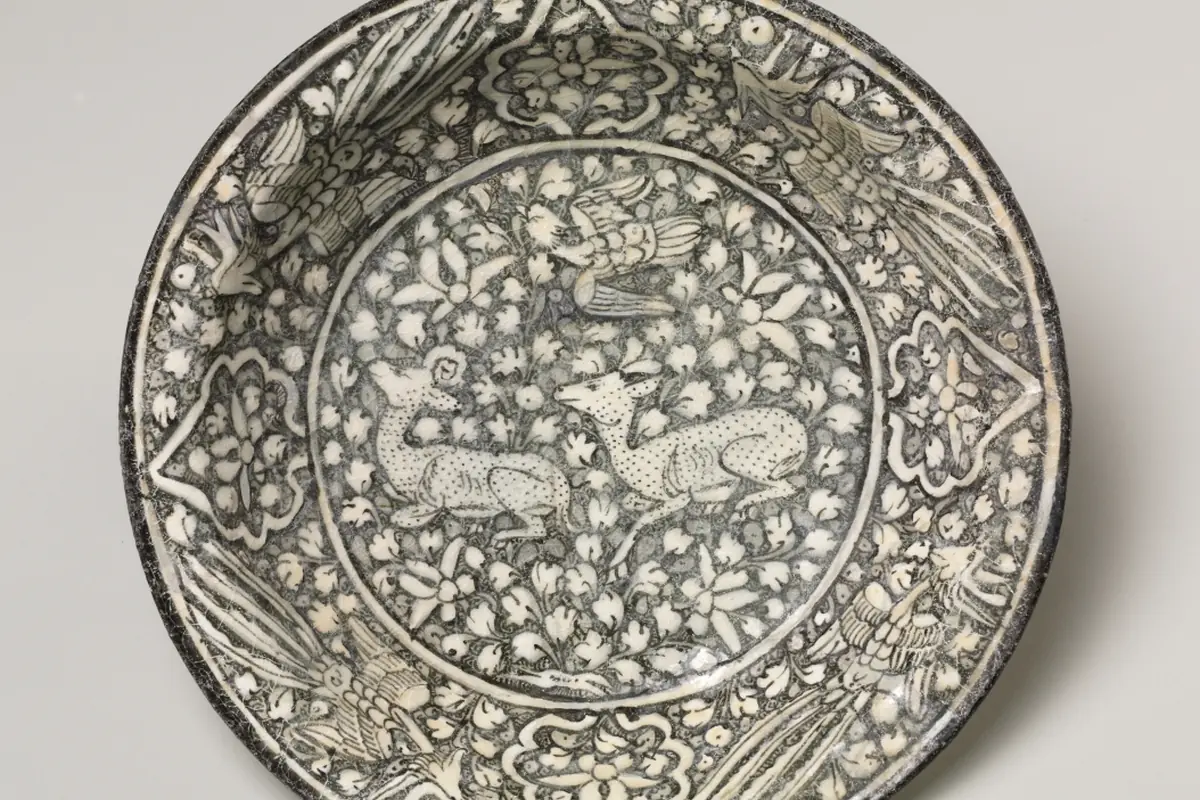
- Ceramic dish with deer, phoenix, and lotus blossoms (1300–1350) — Cleveland Museum of Art, CC0 1.0
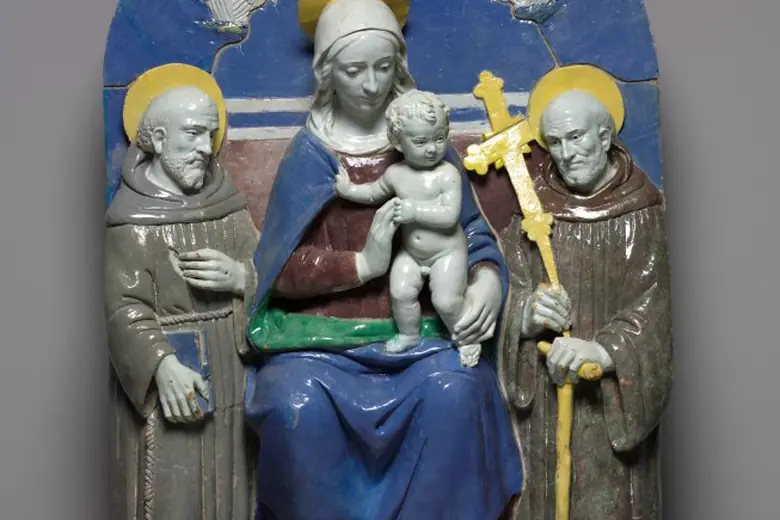
- Virgin and Child Enthroned with Saints Francis and Giovanni Gualberto, Benedetto Buglioni (c. 1510–20) — Cleveland Museum of Art, CC0 1.0
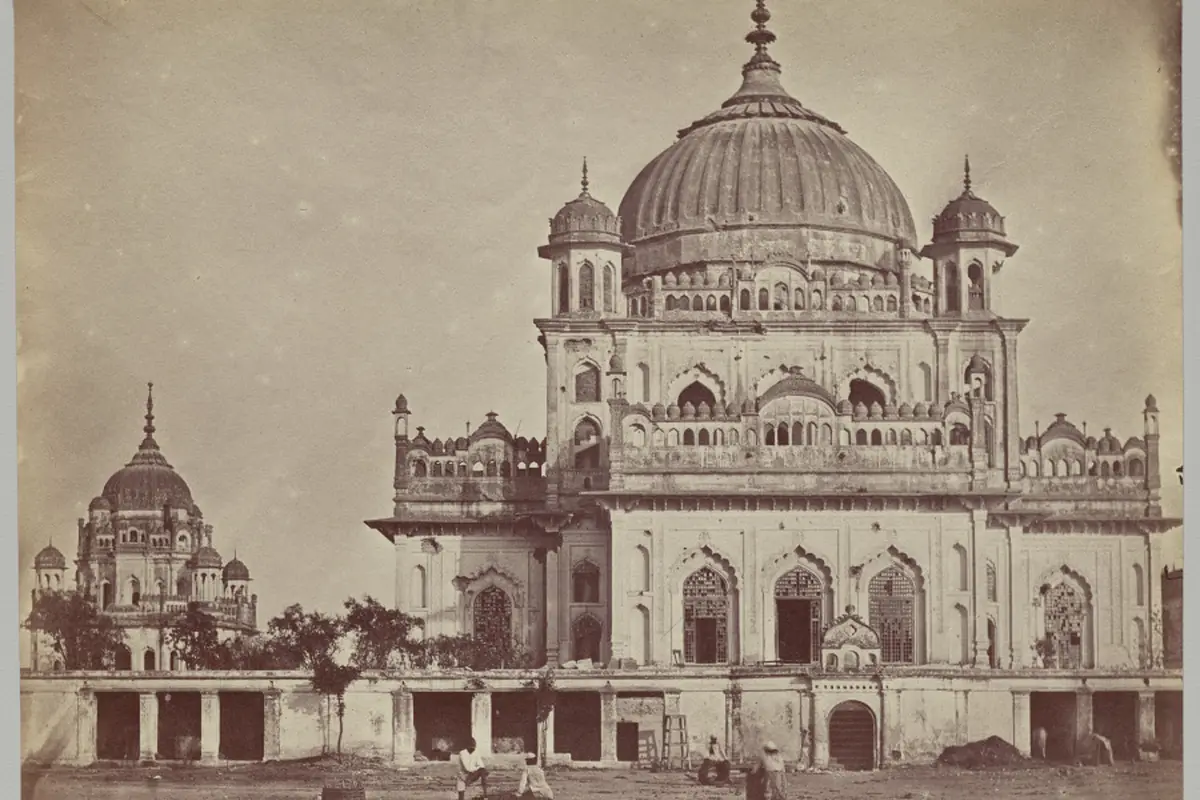
- Small Mosque in the Kaiserbagh, Felice A. Beato (1858) — Cleveland Museum of Art, CC0 1.0
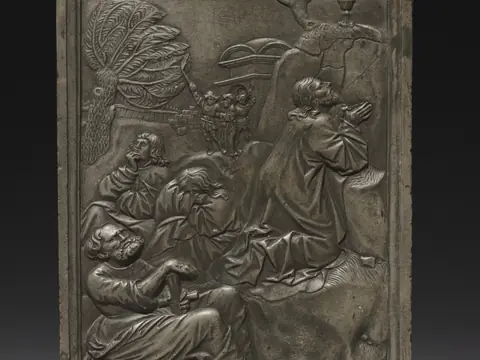
- Christ in the Garden of Gethsemane, Hans Daucher (1500s) — Cleveland Museum of Art, CC0 1.0
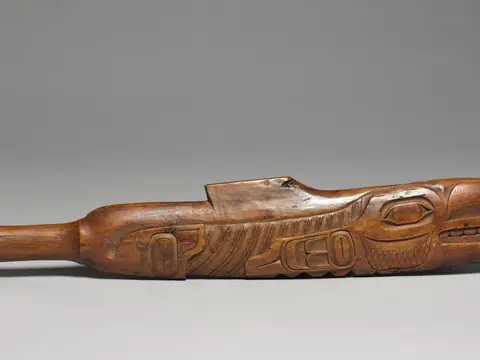
- Fish or Seal Club (X’ús’) (late 1800s–early 1900s) — Cleveland Museum of Art, CC0 1.0
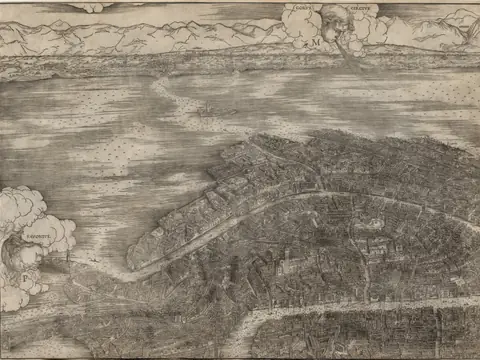
- View of Venice, Jacopo de' Barbari (1500) — Cleveland Museum of Art, CC0 1.0
- Ornamental Brooch (c. 100–300 CE) — Cleveland Museum of Art, CC0 1.0