
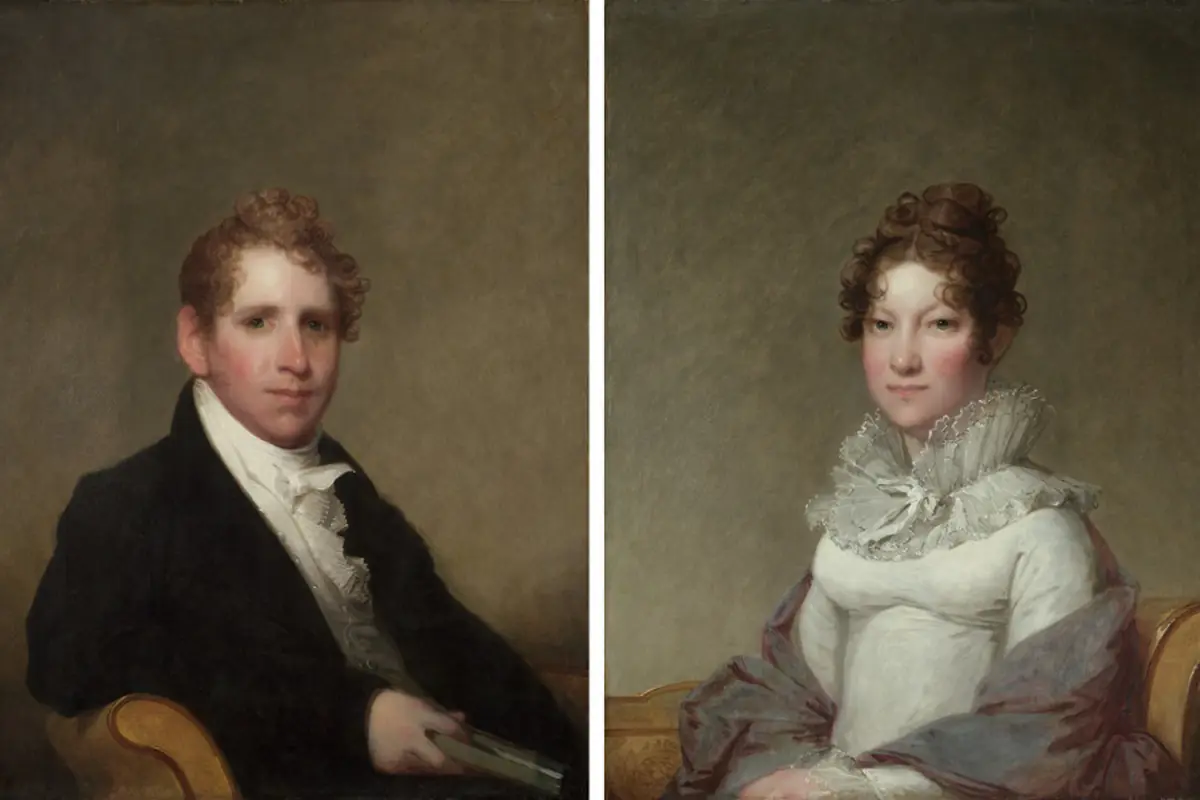
 Cleveland Museum of Art · CC0 1.0
The rules of the game
The tribunal applies the law chosen by the parties, supplemented by the customs of the art trade. Four notions recur in almost every dispute: the warranty, mistake as to substance, fraud and the burden of proof.
These notions do not have the same scope everywhere. A contract clause may limit the warranty or make it stricter. The arbitrators examine first the contract, then the applicable law.
This page sets out general principles, without replacing a lawyer's advice.
Principles of authenticity disputes in figures
Source: Registry of the OIMAP Arbitral Tribunal.
Warranty and description
A warranty of authenticity is an undertaking by the seller as to the author of the work. It may result from an express clause, a catalogue mention or the certificate handed over. Its scope depends on the terms used: "by", "attributed to", "workshop of", "after".
The tribunal interprets these terms according to the customs of the auction house and of the market. A reasonable buyer is presumed to understand the usual meaning of catalogue mentions, unless misled.
Mistake, fraud and good faith
Mistake as to substance allows annulment of the sale where authenticity was decisive for the buyer. Fraud assumes that the seller deliberately deceived the buyer. The seller's good faith does not prevent the warranty from applying, but it affects damages.
The tribunal takes account of the state of knowledge at the time of the sale: a work held to be authentic according to the science of the day does not necessarily engage the seller's liability, but the buyer may obtain restitution if the warranty was strict.
Evidence and limitation
The burden of proof lies, in principle, on the person contesting authenticity. The tribunal may reverse it if the seller alone holds the decisive elements. Evidence is free: appraisal, analyses, archives, catalogues raisonnés, testimony.
Limitation runs from discovery of the defect, within the limits of the applicable law. OIMAP recommends acting within two years of the serious doubt, without waiting for the outcome of a lengthy negotiation.
Art market customs
The tribunal takes customs into account: practices of auction houses, usual duration of the warranty (five years), the distinction between catalogues and condition reports, the value of catalogues raisonnés. These customs may be proved by any means, including OIMAP's good-practice guides.
They help fill gaps in the contract and interpret ambiguous clauses, taking account of the buyer's legitimate expectation.
Legal bases
| Basis | Condition | Effect |
|---|---|---|
| Warranty | Seller's undertaking | Restitution, reduction |
| Mistake | Decisive authenticity | Annulment |
| Fraud | Deliberate deception | Annulment, damages |
| Conformity | Gap from the description | Price reduction |
Milestones
- Description
Catalogue mentions.
- Contract
Warranty.
- Doubt
Finding.
- Requête
Procedure.
Catalogue mentions are binding
Strict warranty or limited warranty
Strict
Authenticity guaranteed without reservation- High protection
- Higher price
- Reimbursement in case of forgery
Practice of the major houses.
Limited
Restricted warranty- Limited duration or amount
- Lower price
- Risks to be shared
According to local customs.
Asserting one's rights
- Record
Gather the elements.
- Give formal notice
Notify the seller.
- Appraise
Have the work examined.
- Refer
File the request.
- Plead
Establish the evidence.
Items of evidence
An arbitrator
« The key to these disputes is rarely the work itself: it is what the seller had promised, and what the buyer could understand. »
Vocabulary of principles
- Warranty
- Undertaking by the seller.
- Fraud
- Deliberate deception.
- Mistake as to substance
- Mistake as to an essential quality.
- Limitation
- Extinction of a right through passage of time.
Frequently asked questions
Which law applies?
The one chosen by the parties.
Must I prove the fake?
Often yes.
What if the seller is in good faith?
The warranty may still apply.
Where can I see the appraisal?
See Appraisal.
Useful documents
Contacts
Related pages
 Authenticity disputesWhen the attribution of a work is contested: principles, appraisal and TAO decisions on authenticity.›
 Appraisal in authenticity mattersAppointment, mission and report of the independent expert in an authenticity dispute before the TAO: methods, adversarial process and probative value.›
 Authenticity decisionsA few anonymised TAO decisions on authenticity: facts, question raised, outcome and lessons.›
See the appraisal
Image credits (16)
- Dr. James Stuart; Mary Campbell Stuart, Gilbert Stuart (c. 1815) — Cleveland Museum of Art, CC0 1.0
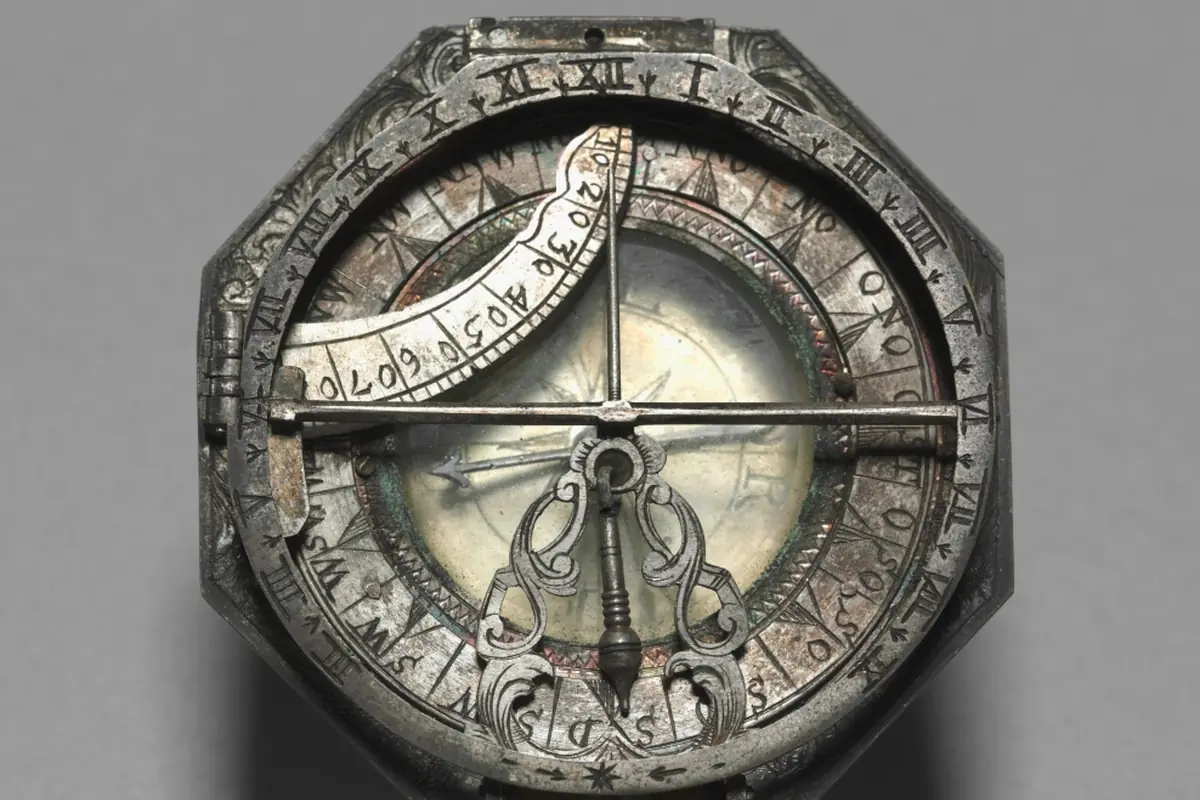
- Compass and Sun Dial (1700–1750) — Cleveland Museum of Art, CC0 1.0
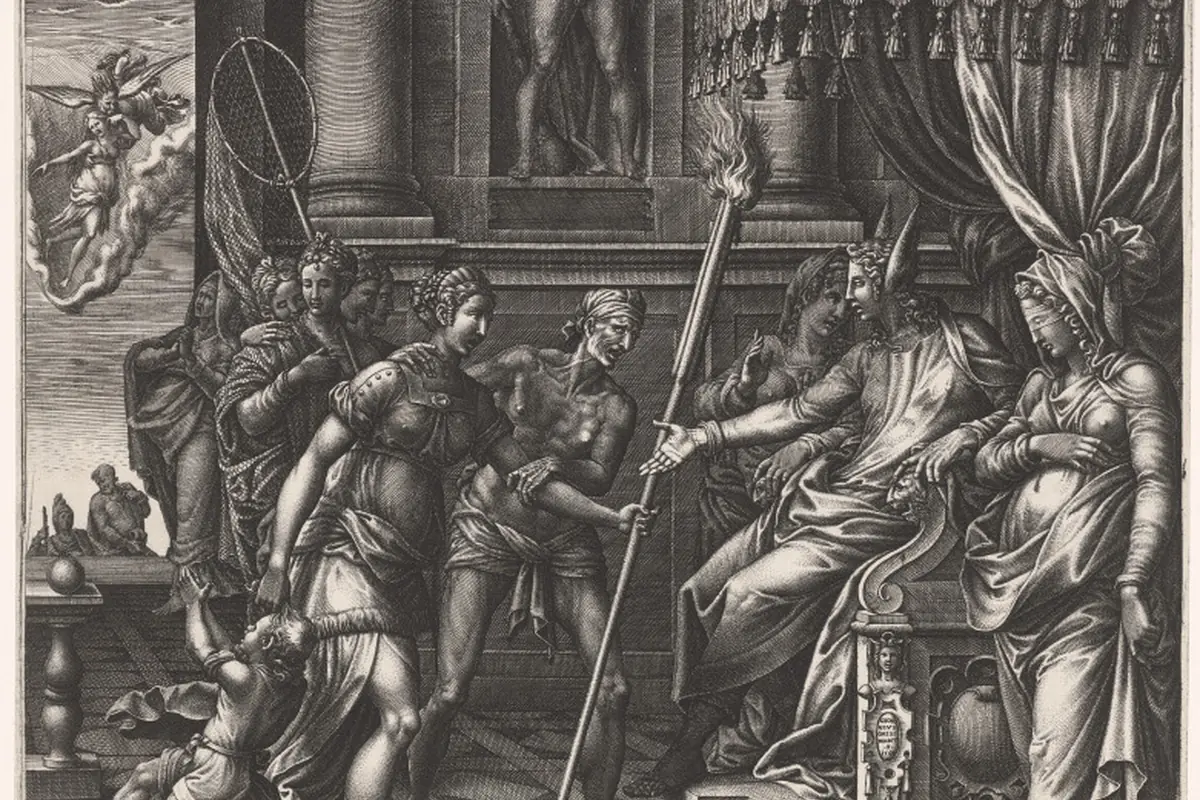
- The Calumny of Apelles, Giorgio Ghisi (1560) — Cleveland Museum of Art, CC0 1.0
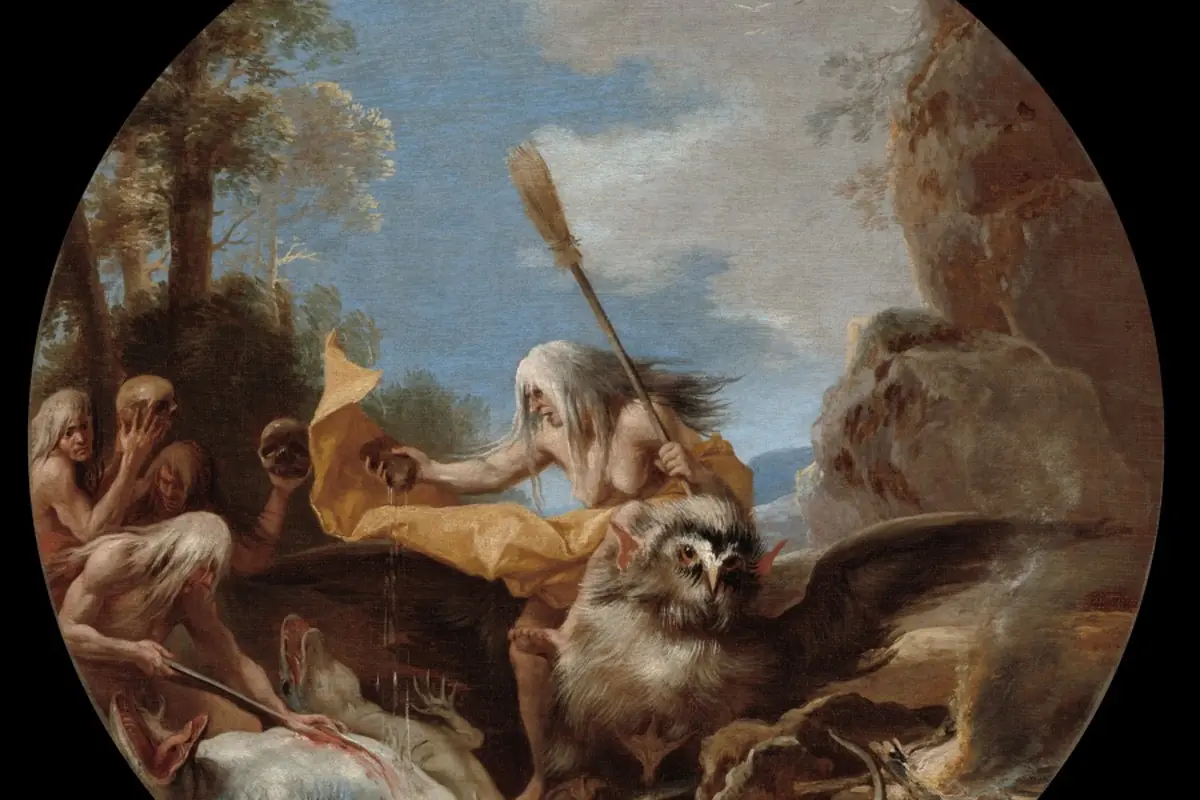
- Scenes of Witchcraft: Day, Salvator Rosa (c. 1645–49) — Cleveland Museum of Art, CC0 1.0
- Sketches in Belgium and Germany, Volume I: Hall of Justice of the Magistrates du Franc, Bruges, Louis Haghe (1840) — Cleveland Museum of Art, CC0 1.0
- The Judgment of Midas, Nicolaes Clock (1589) — Cleveland Museum of Art, CC0 1.0
- The Antechamber of the Palace of Justice, Paris, Charles Meryon (1855) — Cleveland Museum of Art, CC0 1.0
- Banks of the Oise at Dawn, Louis Hayet (1888) — Cleveland Museum of Art, CC0 1.0
- The Judgment of Solomon and Esther before Ahasuerus (pair), Dirk Vellert (c. 1530) — Cleveland Museum of Art, CC0 1.0
- Taj Mahal, Back View of the Rest-House, with Figure, Dr. John Murray (c. 1858–1862) — Cleveland Museum of Art, CC0 1.0
- An Indigo Factory, Allahabad, Louis-Théophile Marie Rousselet (1865–68, published 1869–70) — Cleveland Museum of Art, CC0 1.0
- A Palace with an Arched Bridge (A Roman Villa), Hubert Robert (1760) — Cleveland Museum of Art, CC0 1.0
- Annunciation to the Shepherds: Leaf from a Book of Hours (1 of 6 Excised Leaves), Henri d'Orquevaulx (c. 1420–30) — Cleveland Museum of Art, CC0 1.0
- Leaf from a Psalter and Prayerbook: Ornamental Border with Carnations, a Thistle, and a Cook Ladling Soup (verso) (c. 1524) — Cleveland Museum of Art, CC0 1.0
- Telescoping basket (1800's) — Cleveland Museum of Art, CC0 1.0
- Seascape with Open Sky, Eugène Boudin (1860) — Cleveland Museum of Art, CC0 1.0