
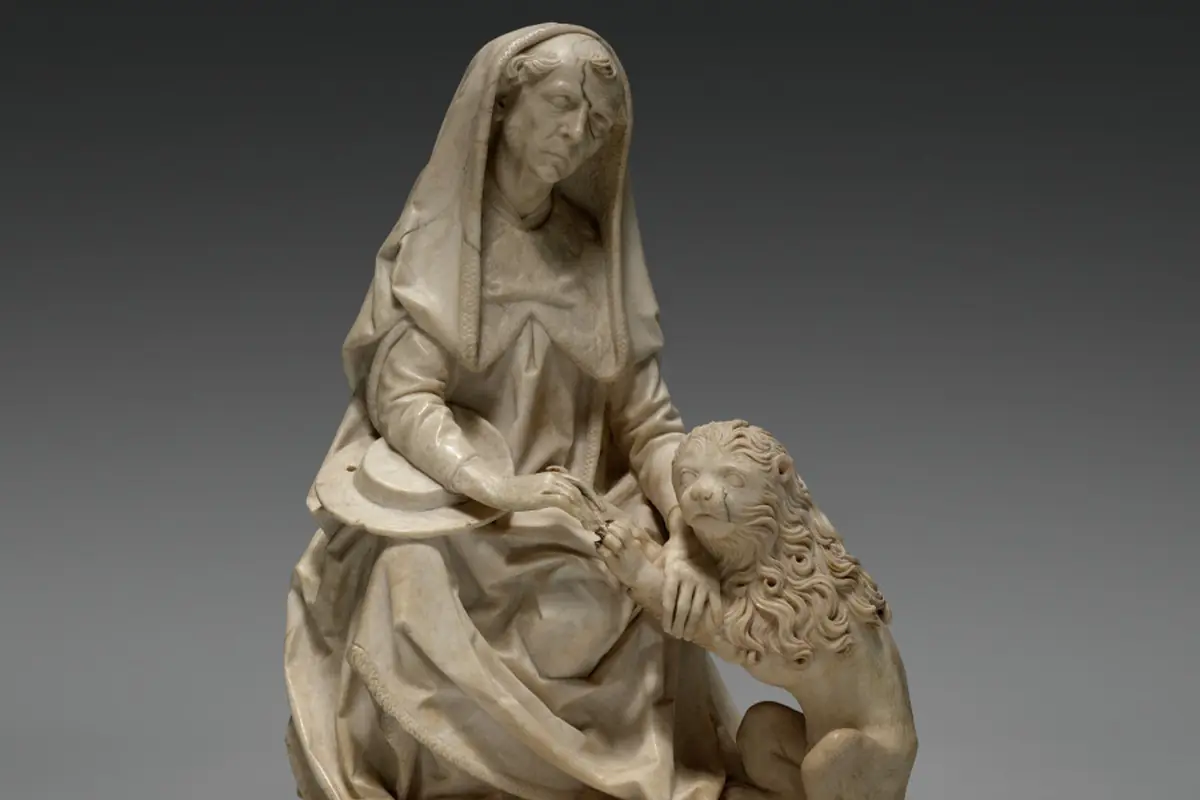
 Cleveland Museum of Art · CC0 1.0
The memory of alerts
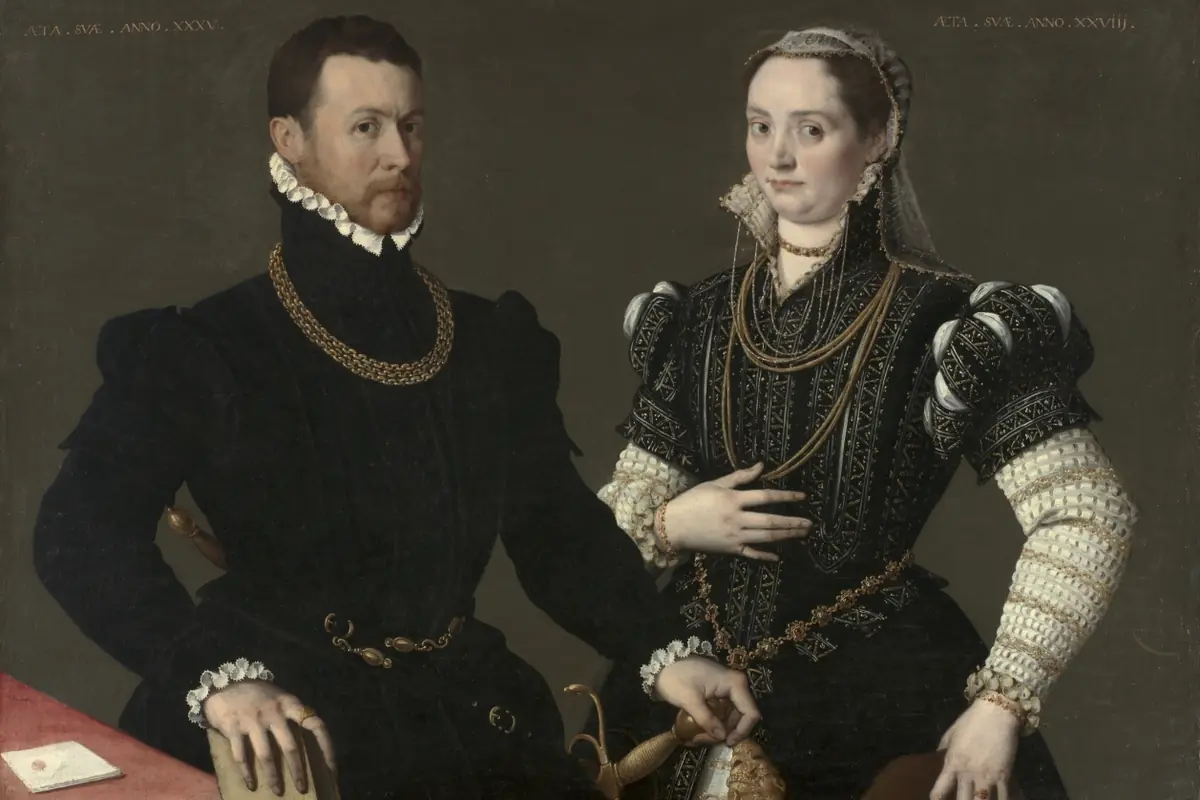
A closed alert keeps its value. The archives preserve all alerts published since 2012, about 1,900 (indicative figure), with their outcome: work recovered, returned, withdrawn or still missing.
Current alerts appear in the list of active alerts. The archives complement the database of the Protection section.
Alert archives in figures
Source: OIMAP General Secretariat.
Why keep alerts
A stolen work may resurface decades later. Keeping alerts, even old ones, makes it possible to match an object presented today with an earlier disappearance and to document its history.
The archives also serve research: art historians, jurists and criminologists find data there on the evolution of trafficking, its routes and its targets.
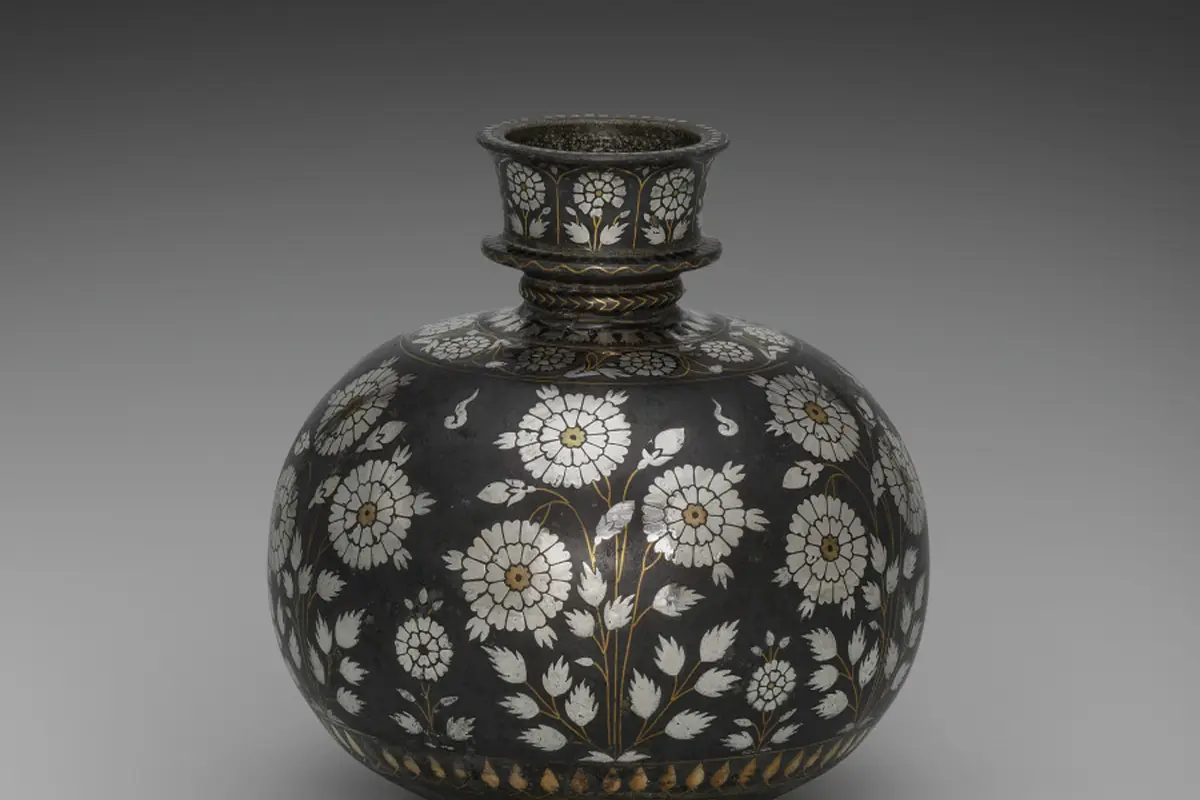
What an archived record contains
The record reproduces the text of the original alert and adds the date and reason for closure. When the work has been recovered, a note says so, without detailing the circumstances when proceedings are under way.
Photographs are kept where rights permit. Individuals' personal data are removed on closure, unless the persons concerned agree otherwise.
Archives and provenance verification
For a buyer, consulting the archives is a step of due diligence. An object whose description matches an old alert calls for documented explanations before any transaction.
This check does not remove the need to request a certificate. It works alongside document verification and the certification services.
Rights of access and rectification
The archives are public, but the persons mentioned retain a right of rectification. An owner whose work has been recovered may request that the record be updated or a comment added.
The request is made through the contact form. The Secretariat replies within an indicative period of ten working days.
Possible outcomes of an alert
| Outcome | Meaning | Note in the record |
|---|---|---|
| Recovered | The work is located | Date of location |
| Returned | It is given back to its owner | Date of return |
| Withdrawn | The evidence no longer justifies the alert | Reason for withdrawal |
| Unresolved | The work remains missing | Alert kept in the archive |
Milestones
- First alert
BIOP goes online and the archives begin.
- Search engine
Search by category and period (indicative).
- Upgrade
Harmonization of older records (indicative).
- Returns
847 works returned in total.
An archive is not a criminal record
Archives and active alerts
Archives
Closed alerts- Open consultation
- Outcome stated
- Research use
Memory.
Active alerts
Current alerts- Regular updates
- Reaction expected
- Operational use
Vigilance.
Search the archives
- Choose the period
Year or range.
- Filter by category
Painting, sculpture, archaeology.
- Read the outcome
Recovered, returned, withdrawn.
- Contact
Request further information if necessary.
Good practices for consultation
An art historian
« The archives allowed me to reconstruct the history of an altarpiece that disappeared in 1994 and resurfaced twenty years later. »
Glossary
- Archive
- Closed alert, kept for the record.
- Closing
- Decision ending an alert.
- Restitution
- Return of a property to its rightful owner.
- Due diligence
- Checks expected of a prudent buyer.
Using the archives
Statistics drawn from the archives feed the Organization's publications. Researchers may request an extract of aggregated data, subject to compliance with confidentiality rules.
The open datasets, described on the open data page, complement this offer for statistical uses.
Frequently asked questions
Are the archives free?
Yes, consultation is open to all.
Can I ask for a record to be deleted?
Records are kept, but personal data can be removed on request.
Can an archived work become active again?
Yes, if it disappears again.
Where do I report an error?
Through the online form.
Useful documents
Contacts
Related pages
 BIOP alertsThe BIOP alert system: report a theft or loss, view current alerts and subscribe free of charge.›
 Active alertsThe list of current BIOP alerts: how to read it, filter it and respond when an object is recognized.›
 Open dataOIMAP datasets in CSV and JSON, under an open licence, updated every quarter.›
 ProtectionRecovering stolen works, fighting illicit trafficking and protecting heritage: the BIOP database, international cooperation, restitutions and guides for law enforcement.›
Active alerts
Image credits (17)
- Saint Jerome and the Lion (From the former Church of St. Peter in Erfurt), Tilman Riemenschneider (c. 1495) — Cleveland Museum of Art, CC0 1.0
- Portrait of a Couple (c. 1580–88) — Cleveland Museum of Art, CC0 1.0
- Lace Towel End (c. 1700s–1800s) — Cleveland Museum of Art, CC0 1.0
- Figure from a Crèche: Standing Mountain Goat (1780–1830) — Cleveland Museum of Art, CC0 1.0
- Bidri Hookah Bowl with Roses (c. 1650s) — Cleveland Museum of Art, CC0 1.0
- Châteauvieux-sur-Suran, Antoine-Claude Ponthus-Cinier (1848) — Cleveland Museum of Art, CC0 1.0
- Farmhouse on the Slope of a Hill, Fra Bartolommeo (c. 1508) — Cleveland Museum of Art, CC0 1.0
- Banks of the Oise at Dawn, Louis Hayet (1888) — Cleveland Museum of Art, CC0 1.0
- Gathering among the Members of Office Censor-General (1700s) — Cleveland Museum of Art, CC0 1.0
- Bull Head Attachment (c. 700–600 BCE) — Cleveland Museum of Art, CC0 1.0
- Portrait of a Man, Gustave Caillebotte (1880) — Cleveland Museum of Art, CC0 1.0
- Nowshera, Kashmir (number 1000), Samuel Bourne (1864) — Cleveland Museum of Art, CC0 1.0
- Sports on a Frozen River, Aert van der Neer (ca. 1660) — The Metropolitan Museum of Art, CC0 1.0
- Adoration of the Shepherds, Bernardo Cavallino (c. 1650) — Cleveland Museum of Art, CC0 1.0
- Portrait of Machtelt Suijs, Maerten van Heemskerck (c. 1540–45) — Cleveland Museum of Art, CC0 1.0
- Head of a Bearded Man (c. 125 CE) — Cleveland Museum of Art, CC0 1.0
- View of the Gulf of Pozzuoli from Solfatara, Philipp Hackert (1803) — Cleveland Museum of Art, CC0 1.0