
 Cleveland Museum of Art · CC0 1.0
Pages in this section
 Antique furnitureThe antique furniture market: styles, cabinetmakers, stamps, restorations, prices and buying criteria.›
 Glass and ceramicsThe market for earthenware, porcelain and glassware: manufactories, marks, fragility and authenticity.›
 SilverwareThe market for silverware and precious objects: hallmarks, metals, silversmiths, authenticity and conservation.›
The segment of objects that are lived with
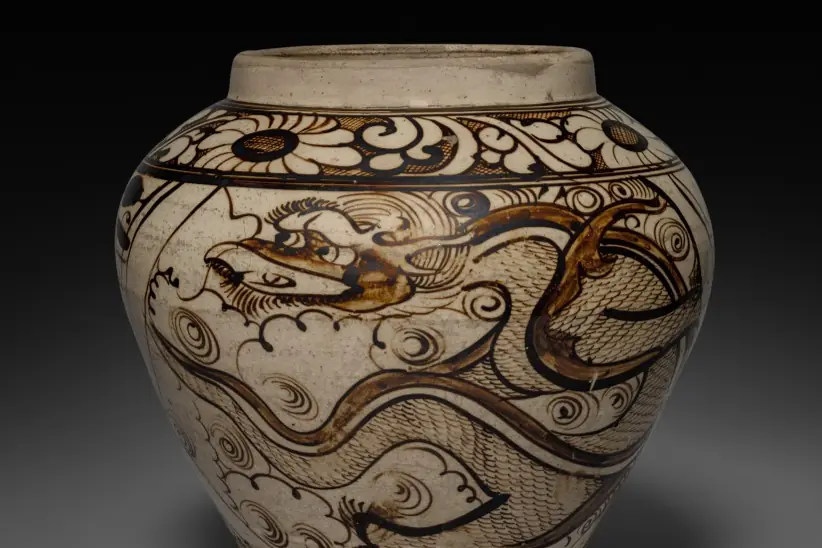
Furniture and decorative arts form the third segment by volume: €12.2 billion in 2024, 980,000 lots. The median price, €2,300, makes it an accessible segment.
It brings together everyday objects turned collectors' items: furniture, glass, ceramics, silverware, rugs, lighting. Their value depends on the period, the quality of execution, the stamp or hallmark, and the condition.
This section offers three pages: antique furniture, glass and ceramics and silverware.
Decorative arts and furniture in figures
Source: OIMAP Observatory.
Three groups of objects
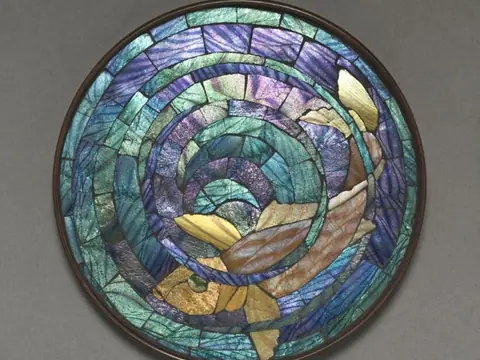
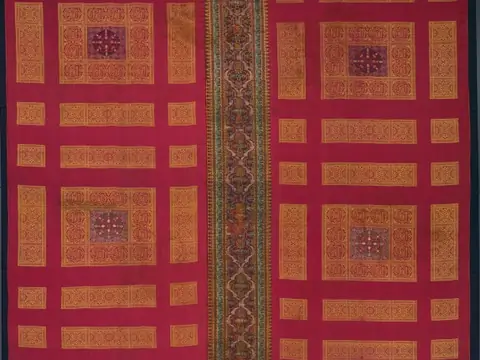
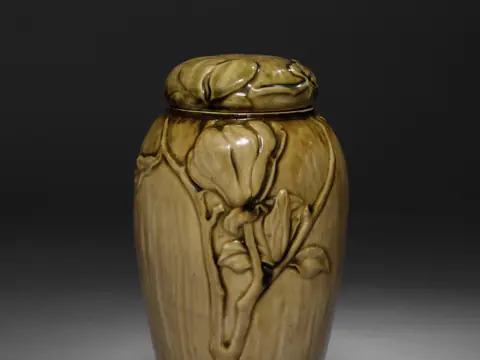
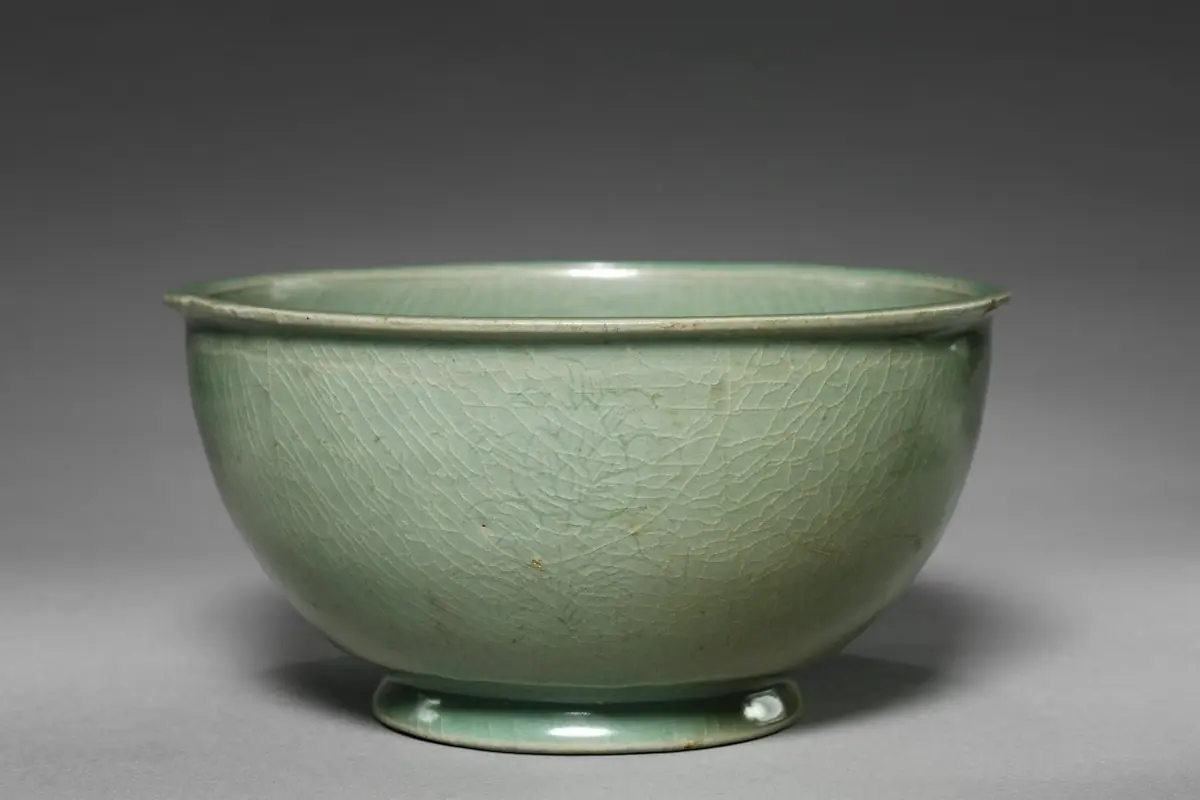
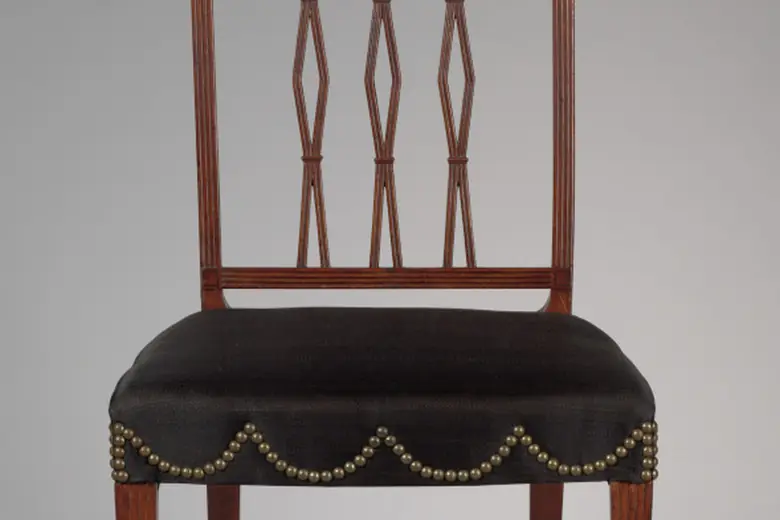
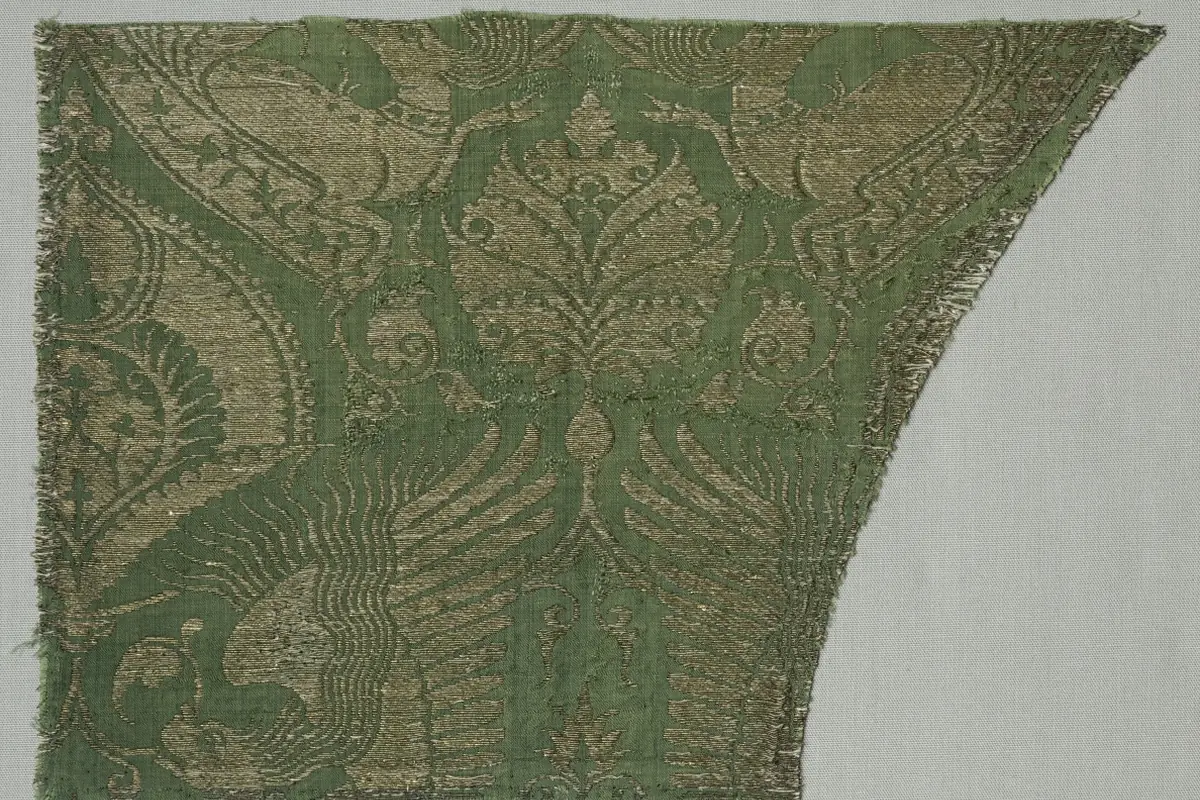
Marks that speak
Unlike paintings, decorative objects often bear marks that allow them to be identified: a cabinetmaker's stamp, a silversmith's hallmark, a manufactory mark, a glassmaker's signature. These marks are evidence, but also targets for forgers.
Reading marks requires a skill that only specialist experts possess. OIMAP maintains a directory of stamps and hallmarks, linked to the profiles of accredited experts.
A market in transition
The segment is changing: sales of classical-style furniture are falling, while 20th-century furniture, design and exceptional silverware are rising. Younger buyers look for pieces with a strong identity, easier to fit into contemporary interiors.
Online sales are particularly developed here: 38% of lots are now sold online, against 21% in 2019. They make documentation (photographs, condition reports) even more decisive.
The question of wood
Wood is a living material, which moves with humidity and heat. An antique piece of furniture is therefore rarely perfect: it has shifted, cracked, been repaired. The challenge is to tell normal wear from serious deterioration.
The examination of a piece of furniture includes the study of joints (dovetails, tenons, pegs), tool marks, the patina of hidden surfaces and the consistency of wood species. These elements make it possible to confirm the period and detect replacements.
Three categories of objects
| Category | Identifying mark | Median price | 2024 change |
|---|---|---|---|
| Antique furniture | Stamp | €2,900 | +1.8% |
| Glass and ceramics | Signature, manufactory mark | €1,400 | +3.6% |
| Silverware | Hallmark | €1,900 | +4.2% |
Landmarks
- Peak of the classical style
High prices for 18th-century furniture.
- Downturn
Fall in demand.
- 20th-century design
New demand.
- €12.2bn
Up 3.1%.
One piece can hide another
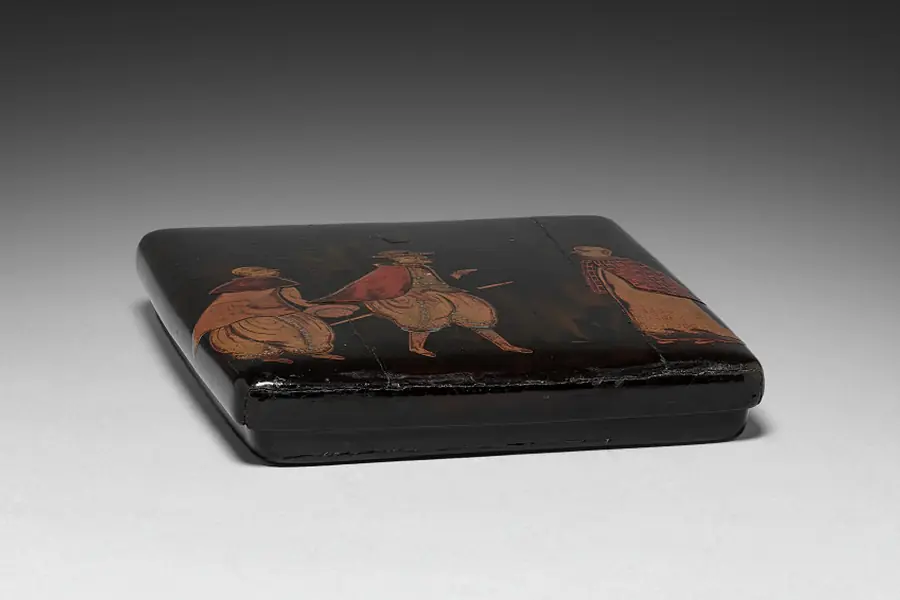
Period object or object in the style of
Period object
Made in the stated period- Heritage value
- Stamp or hallmark
- Restorations to document
Collector's piece.
Object in the style of
Later imitation- Decorative price
- Variable quality
- No heritage value
Piece for use.
Buying a decorative object with method
- Observe
Examine structure, assembly, materials.
- Look
Note marks and hallmarks.
- Document
Obtain invoice and provenance.
- Have it examined
Conservation report.
- Insure
Have it valued for insurance.
Questions to ask the antiques dealer
An antiques dealer
« The finest piece of furniture in the world is worth nothing if it has lost its history. I keep all the invoices for my pieces. »
Vocabulary of decorative arts
- Marriage
- Assembly of elements of different origins.
- Hallmark
- Guarantee mark on silverware.
- Stamp
- Cabinetmaker's mark.
- Style
- Imitation of a past period.
Frequently asked questions
Useful documents
Contacts
Related pages
 Antique furnitureThe antique furniture market: styles, cabinetmakers, stamps, restorations, prices and buying criteria.›
 Glass and ceramicsThe market for earthenware, porcelain and glassware: manufactories, marks, fragility and authenticity.›
 SilverwareThe market for silverware and precious objects: hallmarks, metals, silversmiths, authenticity and conservation.›
 FurnitureThe furniture and objets d'art segment: €12.2 billion in 2024, a market of volume and specialists.›
See antique furniture
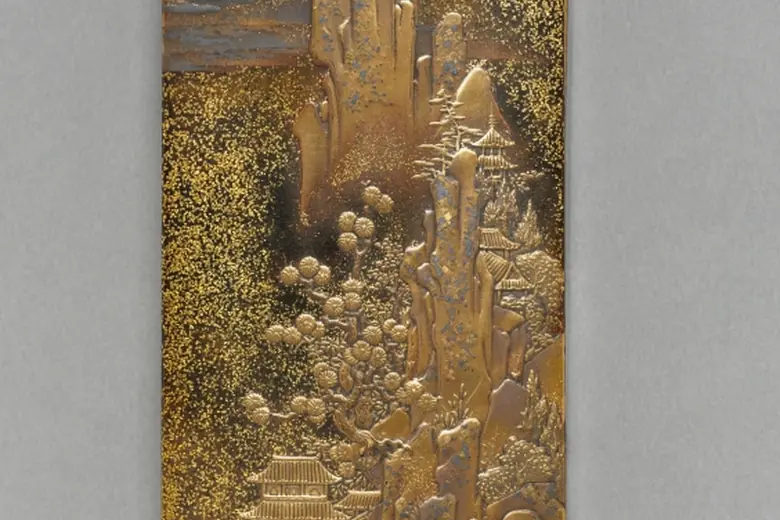
Image credits (23)
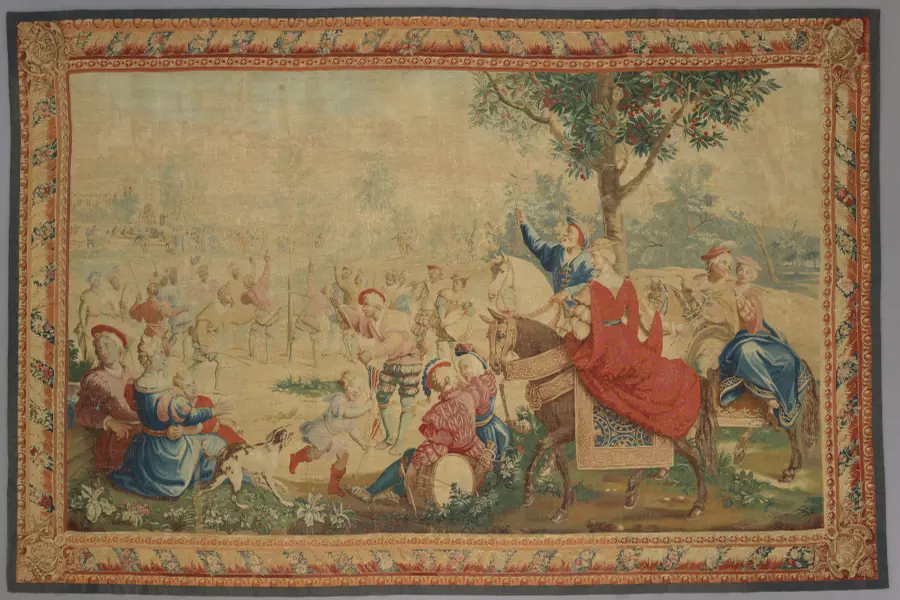
- Month of May: Scene of May Day Festival, Gobelins Manufactory (1723–1774) — Cleveland Museum of Art, CC0 1.0
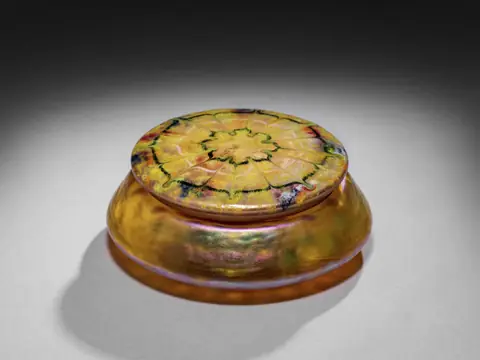
- Covered Box, Tiffany Glass & Decorating Company (c. 1898–1902) — Cleveland Museum of Art, CC0 1.0
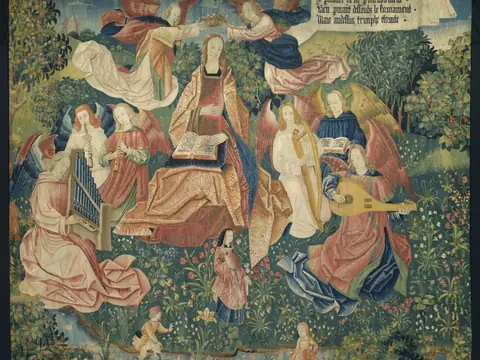
- The Triumph of Eternity (from Chateau de Chaumont set) (1512–15) — Cleveland Museum of Art, CC0 1.0
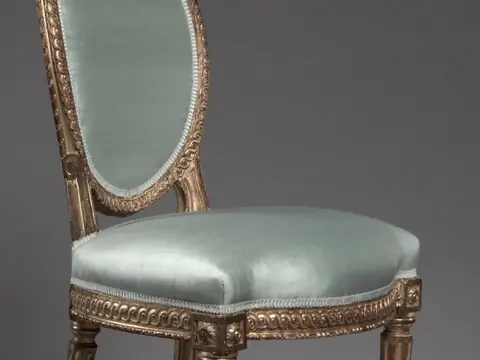
- Side Chair (2 of 2), Jean Baptiste fils Lelarge (1700s) — Cleveland Museum of Art, CC0 1.0
- Jar with Dragon (1271–1368) — Cleveland Museum of Art, CC0 1.0
- Trivet, Clara Wolcott Driscoll (c. 1902–9) — Cleveland Museum of Art, CC0 1.0
- Silk curtain from the Alhambra palace (1300s) — Cleveland Museum of Art, CC0 1.0
- Magnolia Ginger Jar, Tiffany Studios (c. 1904–14) — Cleveland Museum of Art, CC0 1.0
- Bowl (1100s) — Cleveland Museum of Art, CC0 1.0
- Side Chair (c. 1790–1800) — Cleveland Museum of Art, CC0 1.0
- Exotic Gold-patterned Silk (1360–1400) — Cleveland Museum of Art, CC0 1.0
- Writing Box (Suzuribako) with Europeans (1800s) — Cleveland Museum of Art, CC0 1.0
- Plate with Putto, Masques, and Trophies (c. 1530–50) — Cleveland Museum of Art, CC0 1.0
- Mercury tells Aeneas to Leave Carthage, Giovanni Francesco Romanelli (1679) — Cleveland Museum of Art, CC0 1.0
- Embroidered Panel: Holy Kinship (1500s) — Cleveland Museum of Art, CC0 1.0
- Autumn: Vintage Scene, Gobelins Manufactory (designed c. 1535, woven mid- to late 160) — Cleveland Museum of Art, CC0 1.0
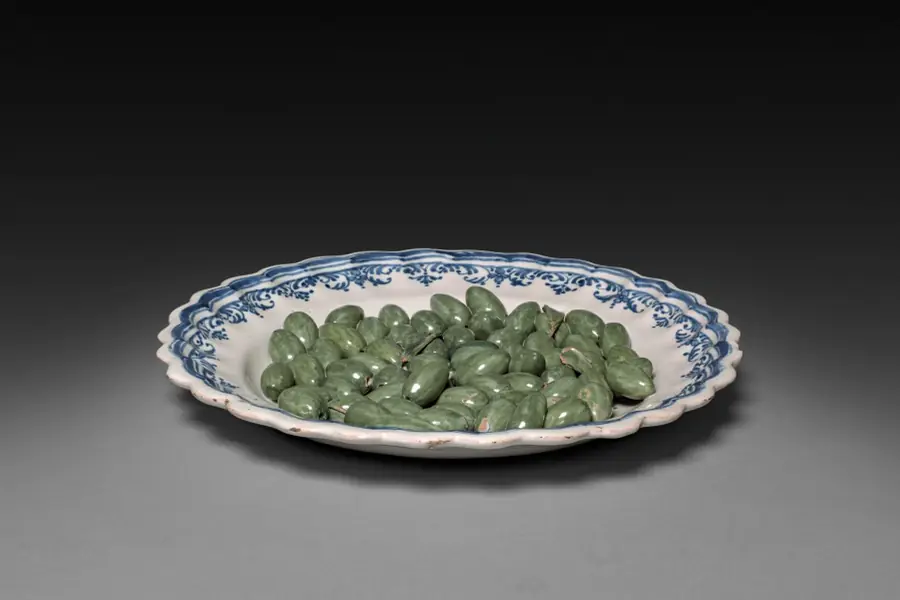
- Plate of Olives (mid-1700s) — Cleveland Museum of Art, CC0 1.0
- Small Mosque in the Kaiserbagh, Felice A. Beato (1858) — Cleveland Museum of Art, CC0 1.0
- Youth (from Chateau de Chaumont set) (1512–15) — Cleveland Museum of Art, CC0 1.0
- Sweets Bowl, Seifū Yohei III (1893–1914) — Cleveland Museum of Art, CC0 1.0
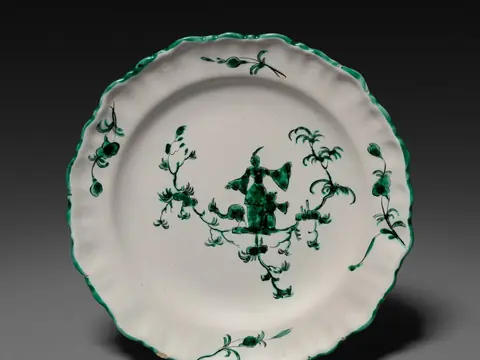
- Plate, Ferrat Factory (c. 1775) — Cleveland Museum of Art, CC0 1.0
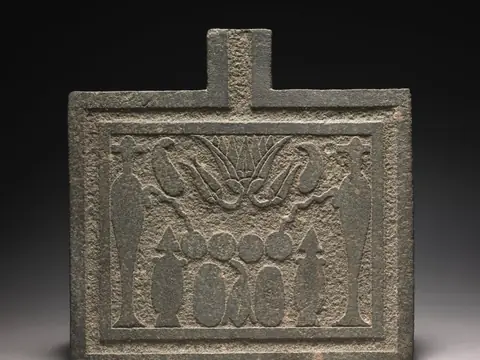
- Offering Table (305–30 BCE) — Cleveland Museum of Art, CC0 1.0
- Box (1800s) — Cleveland Museum of Art, CC0 1.0