
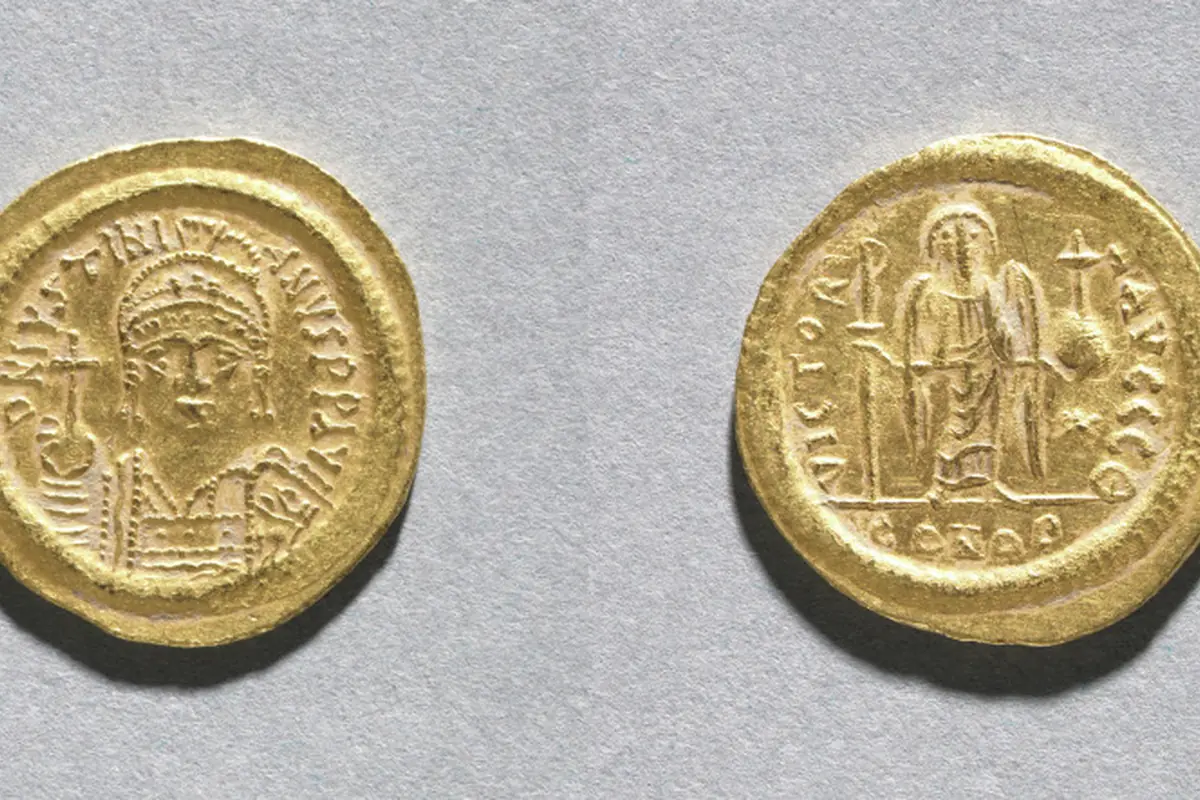
 Cleveland Museum of Art · CC0 1.0
Pages in this section
 CriteriaThe twelve criteria of the conformity label: content, evidence expected and assessment levels.›
 ApplicationApplying for the conformity label: file, audit on documents and on site, decision and renewal.›
 Label holdersThe organisations labelled by OIMAP: distribution, follow-up, suspensions and withdrawals.›
A verified sign of trust
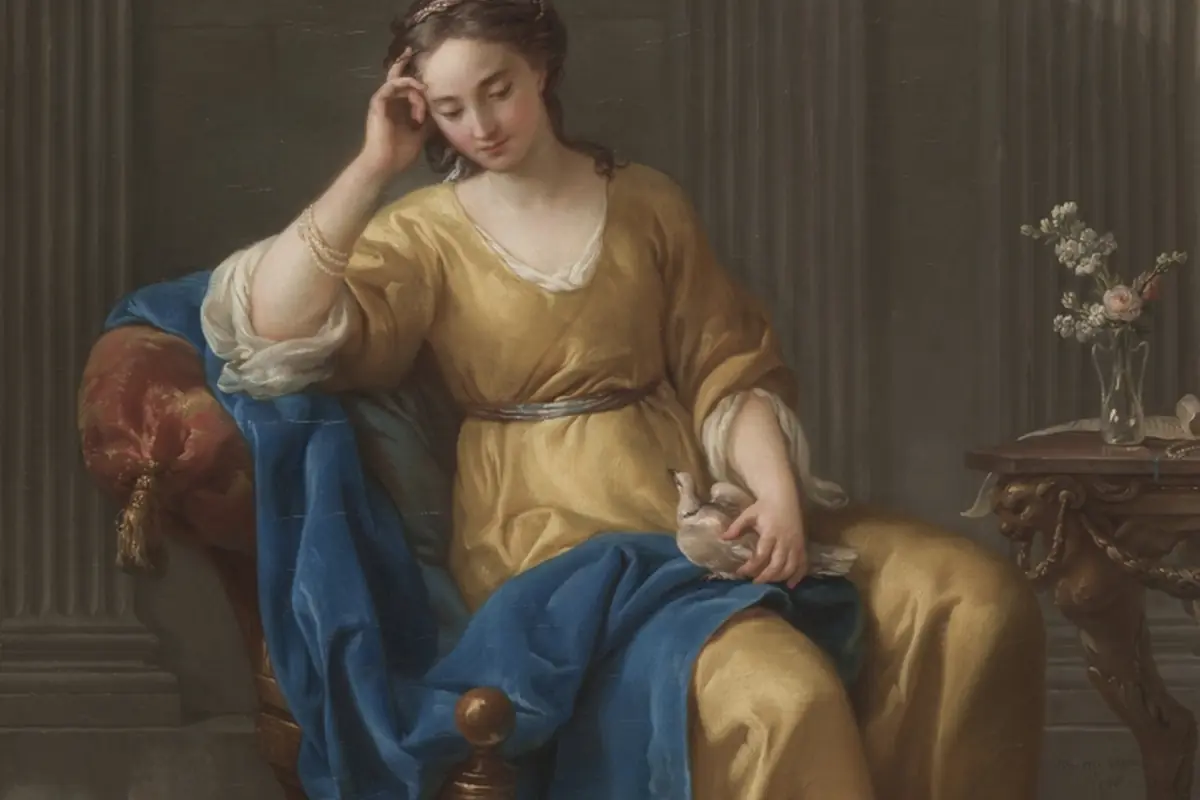
The OIMAP conformity label distinguishes professionals and collectors who apply, every day, the rules of due diligence. It is not a mere logo: it presupposes an audit, a written commitment and regular monitoring.
It is addressed to galleries, auction houses, dealers, advisers, but also to collectors who wish to attest to the rigour of their management. It is issued for three years, renewable, for an indicative €1,200 excl. VAT per year.
412 organisations in 51 States hold it. Their list is public, and the label may be withdrawn in case of breach.
The label in figures
Source: OIMAP Observatory, 2024.
Three pages to understand
Why a label
The art market rests on trust, but trust is hard to verify from outside. The label offers a simple reference point: a buyer or seller who sees the OIMAP mention knows the organisation has been audited on twelve precise points.
For the holder, it is also a concrete advantage: priority processing of cases, simplified sales approval, presence in the directory and recognition by insurers and banks.
The advantages of the label
| Advantage | Details |
|---|---|
| Simplified sales approval | Lighter checking of lots |
| Priority processing | Processing time halved |
| Public directory | Visibility to buyers |
| Recognition | Taken into account by partner insurers and banks |
| Training | Access to OIMAP Academy sessions |
From application to label
- Application
Compliance file and written commitments.
- Audit on documents
Examination of procedures and a sample of files.
- Audit on site
Visit by an independent auditor.
- Decision
The label committee grants or refuses.
- Follow-up
Random checks and renewal every three years.
A label that can be lost
Labelled or unlabelled organisation
Labelled
Audit and checking- Twelve criteria verified
- OIMAP mention
- Listed in the directory
Justified trust.
Unlabelled
No audit- No systematic checking
- No mention
- Liability to be assessed
Nothing proves rigour.
History of the label
- Due diligence charter
First voluntary commitments.
- Creation of the label
Twelve criteria and audit.
- First holders
One hundred labelled organisations.
- 412 holders
Presence in 51 States.
Case study: a gallery that obtains the label
Eighteen months of preparation
A gallery in Lyon commits to the process.
- It appoints a compliance officer.
- It puts its procedures in writing and trains its team.
- It passes the audit on documents then on site.
The label is awarded for three years; the gallery joins the directory.
Why do it
« The label does not make a professional honest. It makes their honesty verifiable. »
Vocabulary of the label
- Conformity label
- Distinction awarded after an audit.
- Audit on documents
- Examination of documents and files.
- Audit on site
- Visit by an independent auditor.
- Retrieval
- End of the label by reasoned decision.
Frequently asked questions
Is the label mandatory?
No, it is voluntary.
How long does the procedure last?
About thirty days for processing, plus the time to prepare the audit.
Can a collector obtain it?
Yes, if their management meets the criteria.
What happens in case of refusal?
The reasons are communicated; a new application is possible after six months.
Useful documents
Contacts
Related pages
 Auction housesThe role of auction houses in the certification chain, their obligations and the directory of approved houses.›
 The Collector's CharterTen good practices for acquiring, keeping and transmitting cultural property with legal certainty.›
 OIMAP AcademyThree campuses, eighty-six trainers and seventeen years of experience: OIMAP's school at the service of heritage.›
Discover the criteria
Image credits (22)
- Solidus of Justinian I (c. 545–65) — Cleveland Museum of Art, CC0 1.0
- Coin of Eukratides I (170–145 BCE) — Cleveland Museum of Art, CC0 1.0
- Tetradrachm: Owl, Crescent Moon, Olive Branch (reverse) (480–449 BCE) — Cleveland Museum of Art, CC0 1.0
- Leopard d'Or of Edward III of England (1327–1377) — Cleveland Museum of Art, CC0 1.0
- Sweet Melancholy, Joseph-Marie Vien (1756) — Cleveland Museum of Art, CC0 1.0
- Noble: Henry VI in Ship with Shield of Arms (obverse); Ornamental Cross with Lis Terminals (reverse) (1422–61) — Cleveland Museum of Art, CC0 1.0
- Dragon Fly Brooch, René Lalique (c. 1900–1910) — Cleveland Museum of Art, CC0 1.0
- Medal of Claude Joseph Rouget de L'Isle (1760-1836), Alfred Borrel (1911) — Cleveland Museum of Art, CC0 1.0
- Letter Box, Ogata Kōrin (1700s) — Cleveland Museum of Art, CC0 1.0
- Portrait of Gianfrancesco Gonzaga di Ròdigo, 1443–1496, Lord of Sabbionetta (reverse), Antico (1479) — Cleveland Museum of Art, CC0 1.0
- Pendant (1900s) — Cleveland Museum of Art, CC0 1.0
- Medal Commemorating Commodore Oliver Hazard Perry (1785-1819) and the Battle of Lake Erie, Moritz Fürst (1813) — Cleveland Museum of Art, CC0 1.0
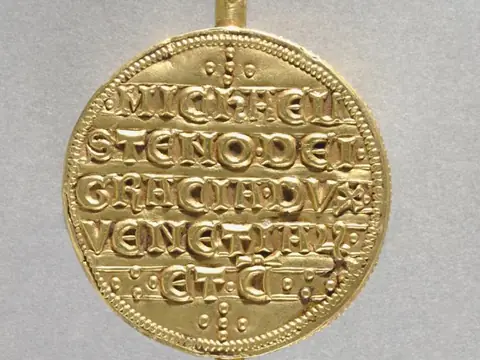
- Seal of Doge Michele Steno (reverse) (1400–1409) — Cleveland Museum of Art, CC0 1.0
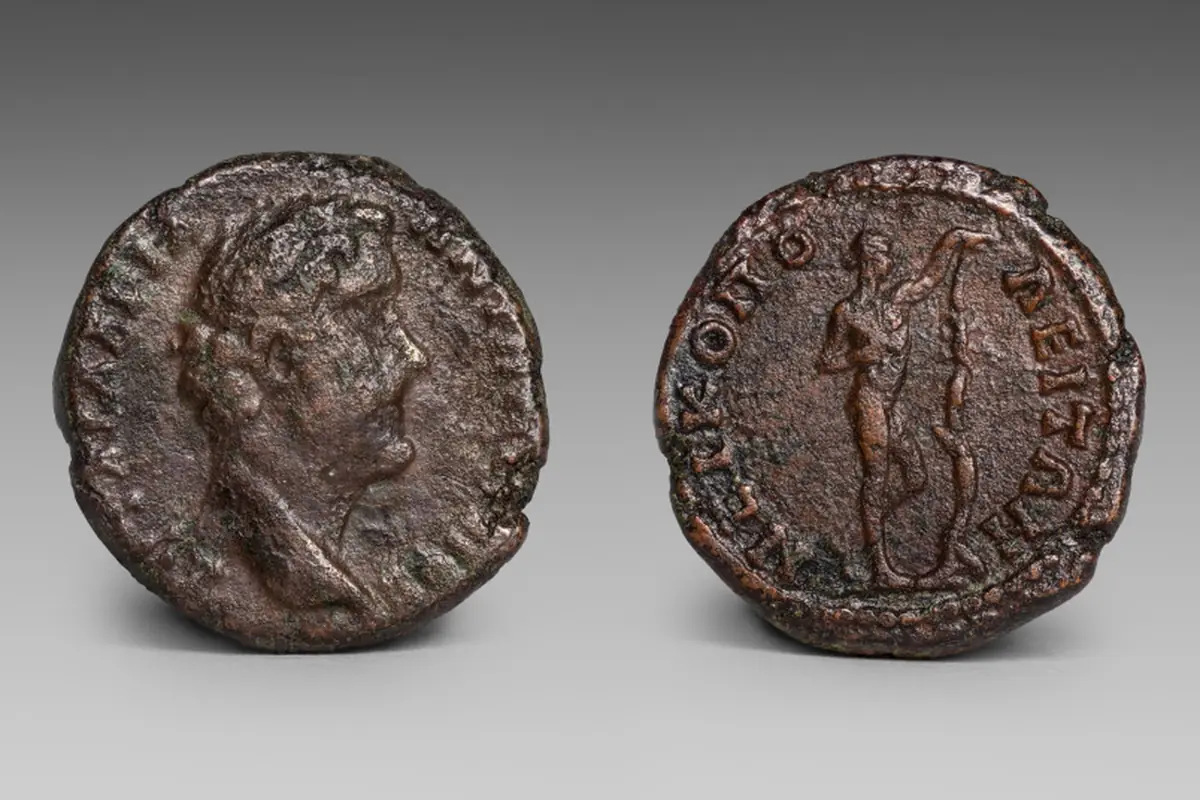
- Provincial Coin: Head of Antoninus Pius (obverse); Apollo Sauroktonos (reverse) (138–161 CE) — Cleveland Museum of Art, CC0 1.0
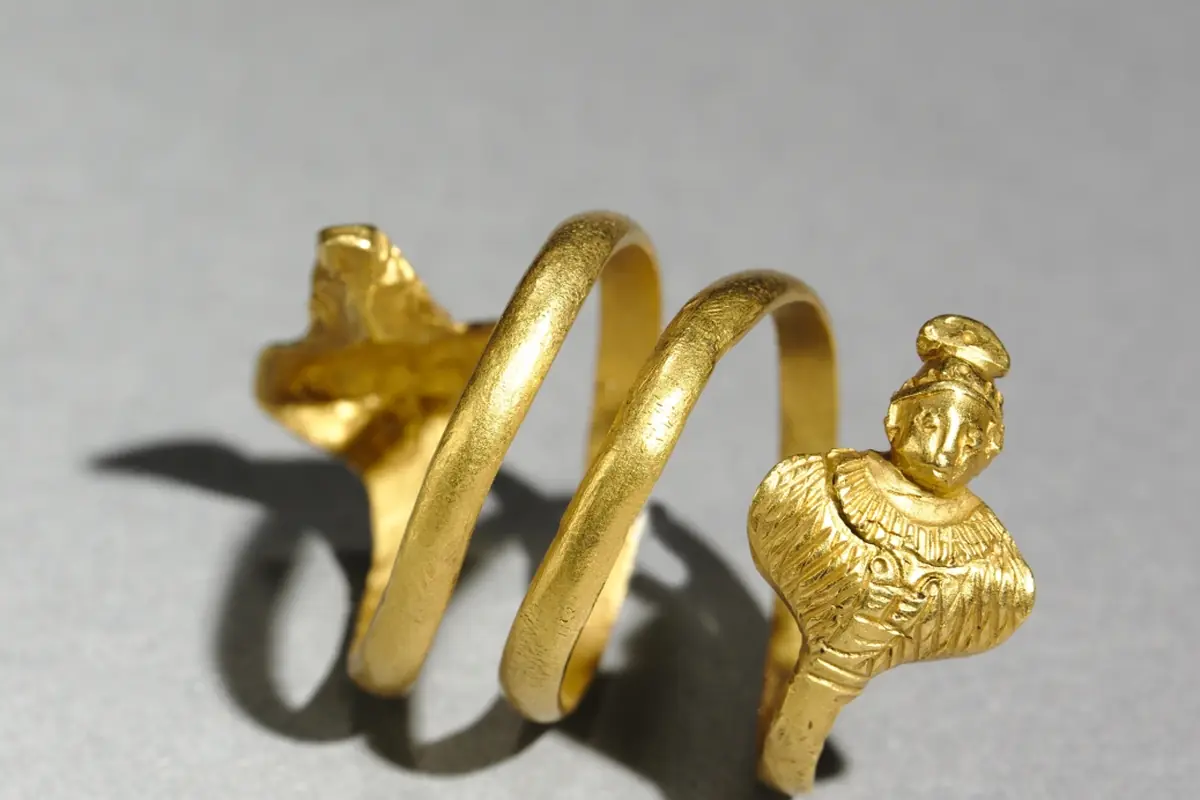
- Spiral Ring with Isis and Serapis (1–100 CE) — Cleveland Museum of Art, CC0 1.0
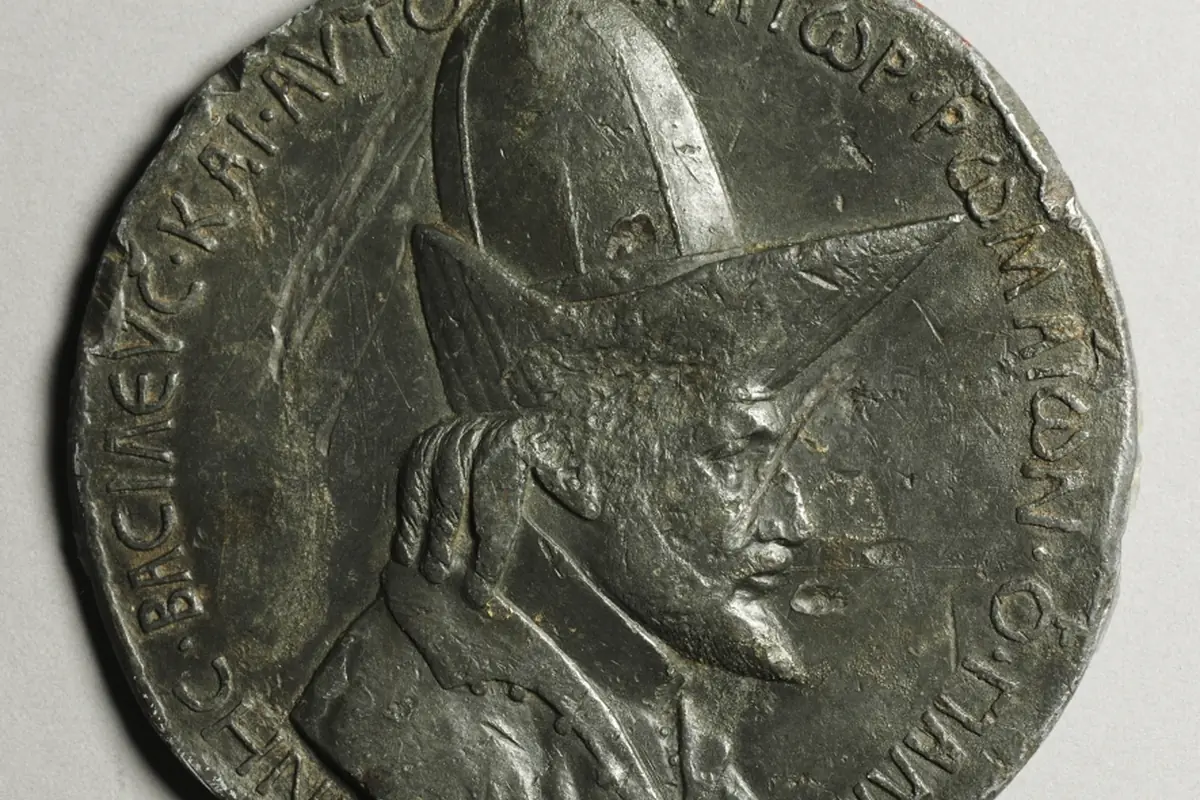
- Portrait of John VIII Palaeologus, Emperor of Constantinople, 1424-1428 (obverse), Pisanello (c. 1438–1439) — Cleveland Museum of Art, CC0 1.0
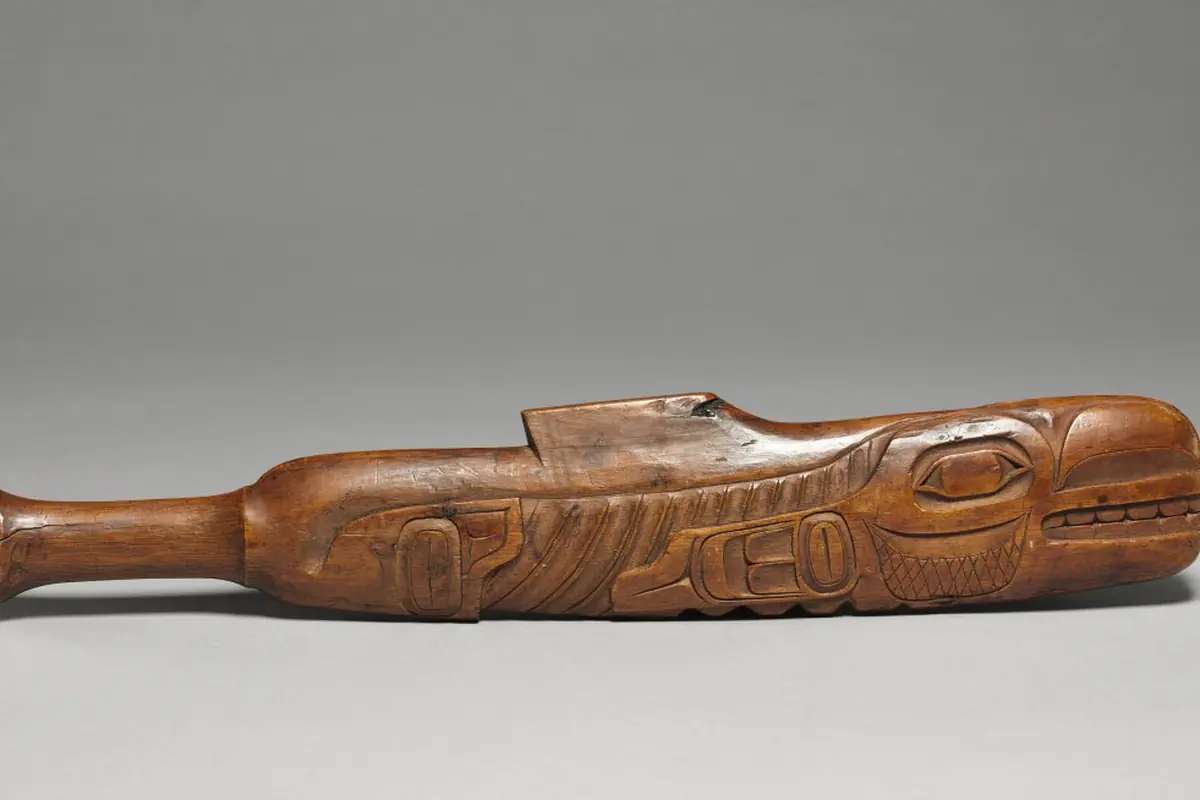
- Fish or Seal Club (X’ús’) (late 1800s–early 1900s) — Cleveland Museum of Art, CC0 1.0
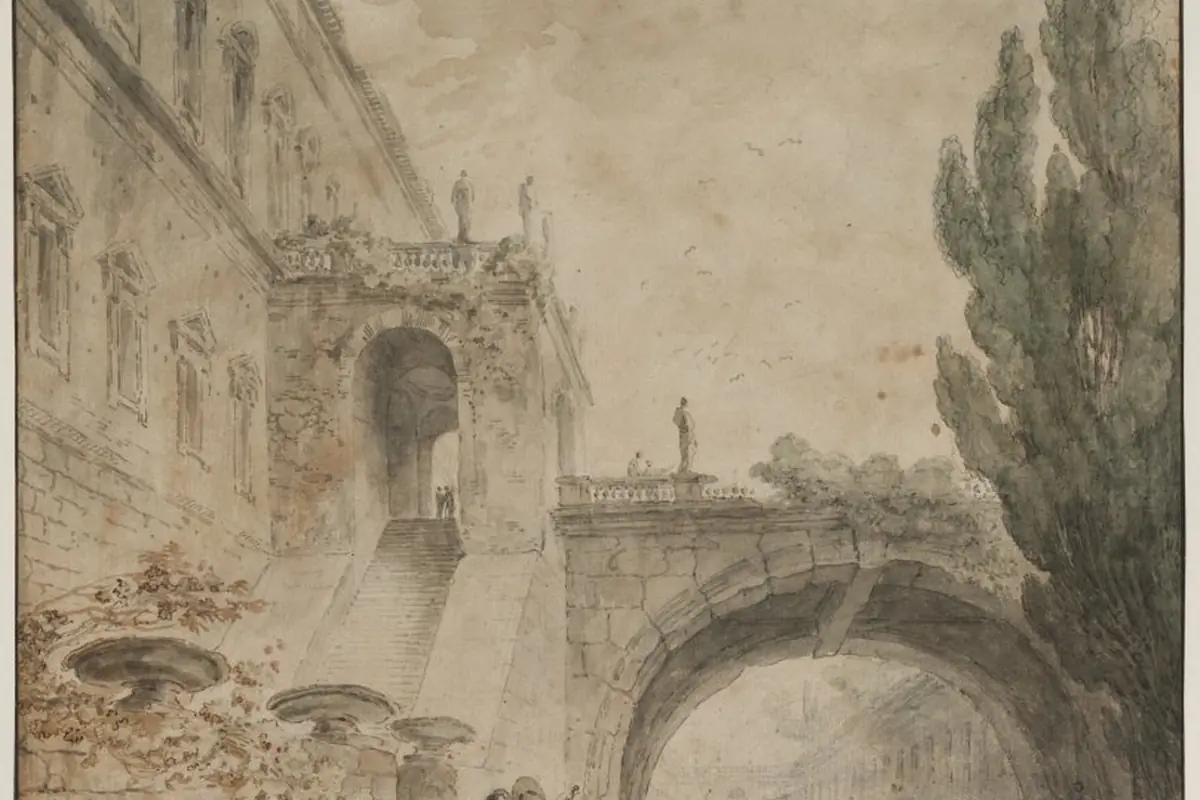
- A Palace with an Arched Bridge (A Roman Villa), Hubert Robert (1760) — Cleveland Museum of Art, CC0 1.0
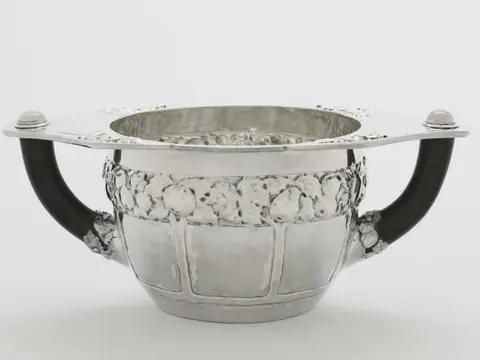
- Sugar Bowl, Louis Rorimer (c. 1910) — Cleveland Museum of Art, CC0 1.0
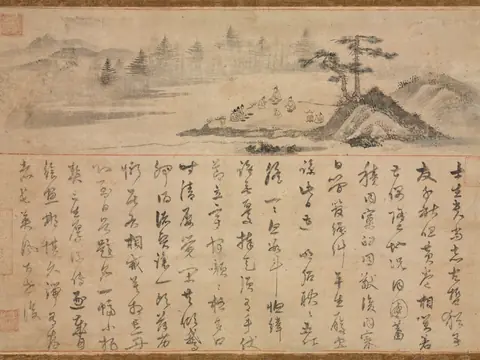
- Gathering among the Members of Office Censor-General (1700s) — Cleveland Museum of Art, CC0 1.0
- Leaf from a Lectionary with St. Luke (1057–1063) — Cleveland Museum of Art, CC0 1.0
- Coin of Kushan King Vasudeva I (c. 142/145+) — Cleveland Museum of Art, CC0 1.0