
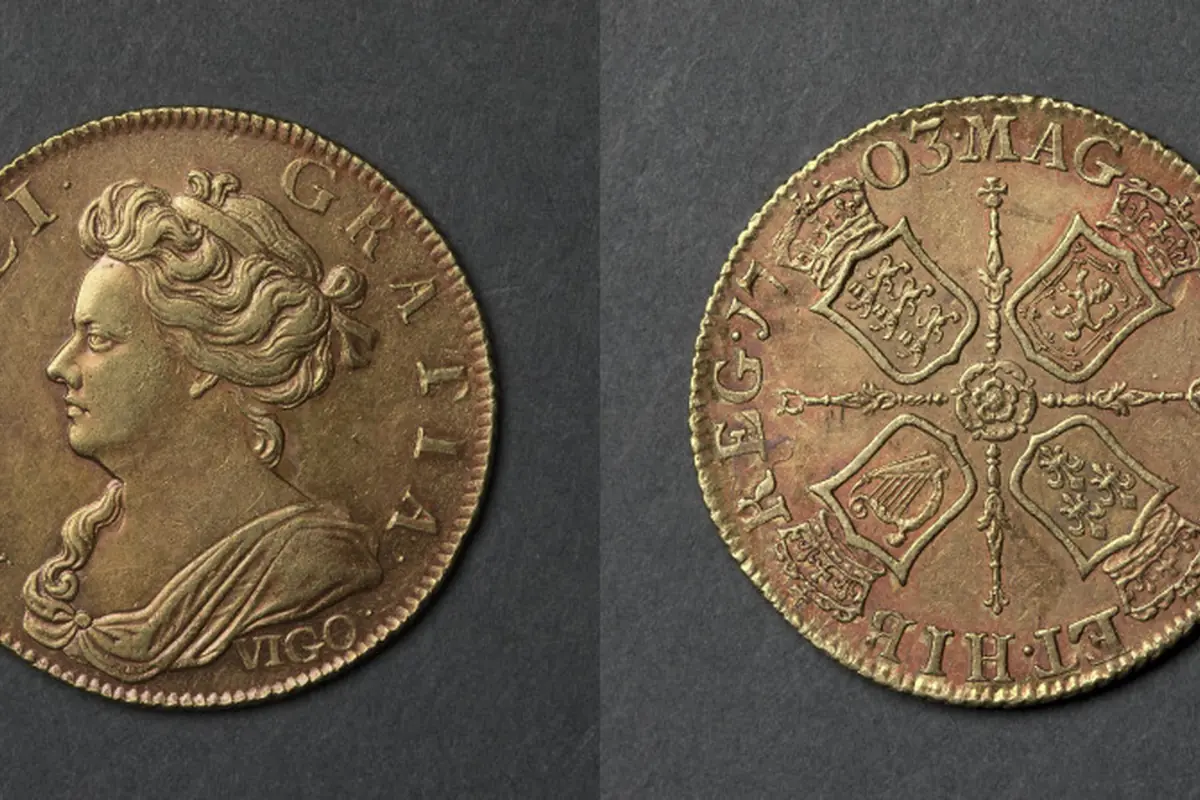
 Cleveland Museum of Art · CC0 1.0
Recognising restoration work
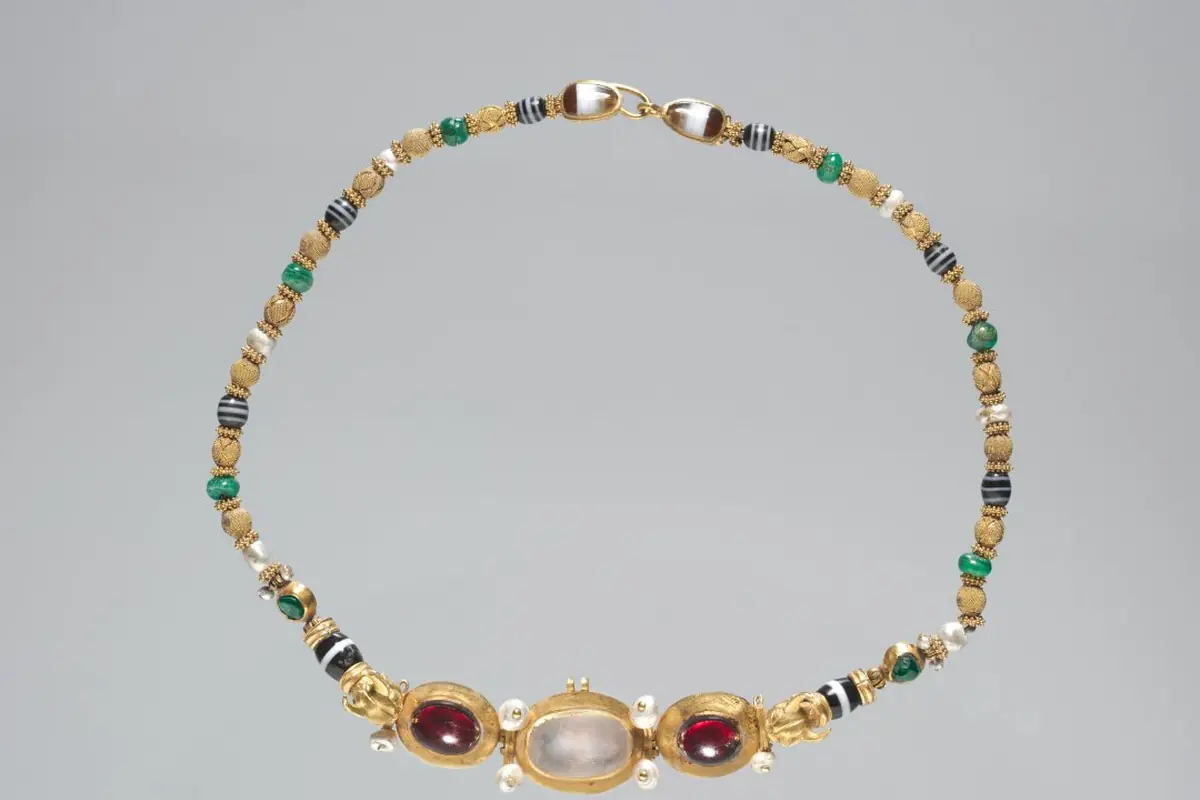
The Restoration Prize rewards a project that restores a cultural property's legibility without betraying its history. It carries an award of €20,000 (indicative amount) and is presented each year at the General Assembly. It recognises scientific quality as much as the transparency of the approach.
Restoration workshops, museums, foundations, collectors and university teams may apply.
Applications are submitted online between October and January.
Restoration Prize in figures
Source: Events and Communications Directorate.
What the prize rewards
The prize recognises a project completed within the three years preceding the call: restoration of a painting, consolidation of a site, treatment of a textile or an archaeological object. The file must show the initial condition, the methodological choices and the result.
A collective project is eligible. The award is then divided according to the laureate's decision, justified in writing to the jury.
Evaluation criteria
The jury assesses the scientific quality of the preliminary study, the appropriateness of the materials, the reversibility of interventions wherever possible, the documentation and the transmission of knowledge. It also considers respect for the integrity of the property and its context.
A property of disputed provenance is excluded. The applicant must be able to establish that the object was lawfully held and that the owner has consented to the application.
Preparing the file
The file comprises a presentation of no more than fifteen pages, a restoration report, photographs before, during and after, the list of contributors and a letter from the owner. It is submitted online, in one of the Organisation's three languages.
A two-page summary for the public is required. It is used to present the finalists in OIMAP publications.
Hearings and decision
After reviewing the files, the jury selects five finalists, whom it hears in May. Each has ten minutes to present their project, followed by questions. The jury then deliberates and designates one laureate and two mentions.
Unsuccessful applicants receive a reasoned reply. They may resubmit a file in a later edition, after a one-year interval.
Application file
| Document | Format | Remark |
|---|---|---|
| Project presentation | PDF, 15 pages maximum | Three languages accepted |
| Restoration report | Initial and final condition | |
| Photographs | Images | Before, during, after |
| Owner's letter | Consent to the application |
Milestones
- Call opens
Rules published.
- Closing
Submission of files.
- Hearings
Five finalists.
- Prize ceremony
General Assembly.
Provenance
Individual or collective project
Individual
A restorer- Simpler file
- Award to a single beneficiary
- Sole responsibility
For a workshop.
Collective
A team- Several specialities
- Justified allocation
- Coordination required
For a complex site.
Submitting an application
- Read
The rules.
- Gather
The supporting documents.
- Write
The presentation.
- Submit
Before the closing date.
- Present
At the hearings.
Complete file
A laureate
« The recognition of the prize enabled us to train two young restorers and to publish our method. »
Restoration vocabulary
- Reversibility
- The possibility of undoing an intervention.
- Initial condition
- Assessment before treatment.
- Mention
- Secondary distinction.
- Finalist
- Applicant heard by the jury.
Use of the award
The award is intended to support continued conservation work: financing a new project, training a young restorer, a scientific publication. The laureate reports on its use within twelve months of the ceremony.
No part of the award may finance a commercial operation. Failure to comply with this rule entails repayment of the sum.
Frequently asked questions
What is the amount?
€20,000 (indicative).
Can an individual apply?
Yes, with the consent of the owner of the property.
In which language should I apply?
French, English or Spanish.
Where can I see previous laureates?
See Laureates.
Useful documents
Contacts
Related pages
 Prizes and AwardsThe Restoration Prize and the Collector Prize: two annual awards presented at the General Assembly.›
 Collector PrizeAnnual distinction of €15,000 (indicative) for a collection that is exemplary in its provenance, conservation and openness.›
 LaureatesHonour roll of the Restoration and Collector Prizes: laureates, finalists and jury citations.›
 AgendaThe items entered on the agenda of the 19th General Assembly, published 60 days before the opening in Singapore.›
See the laureates
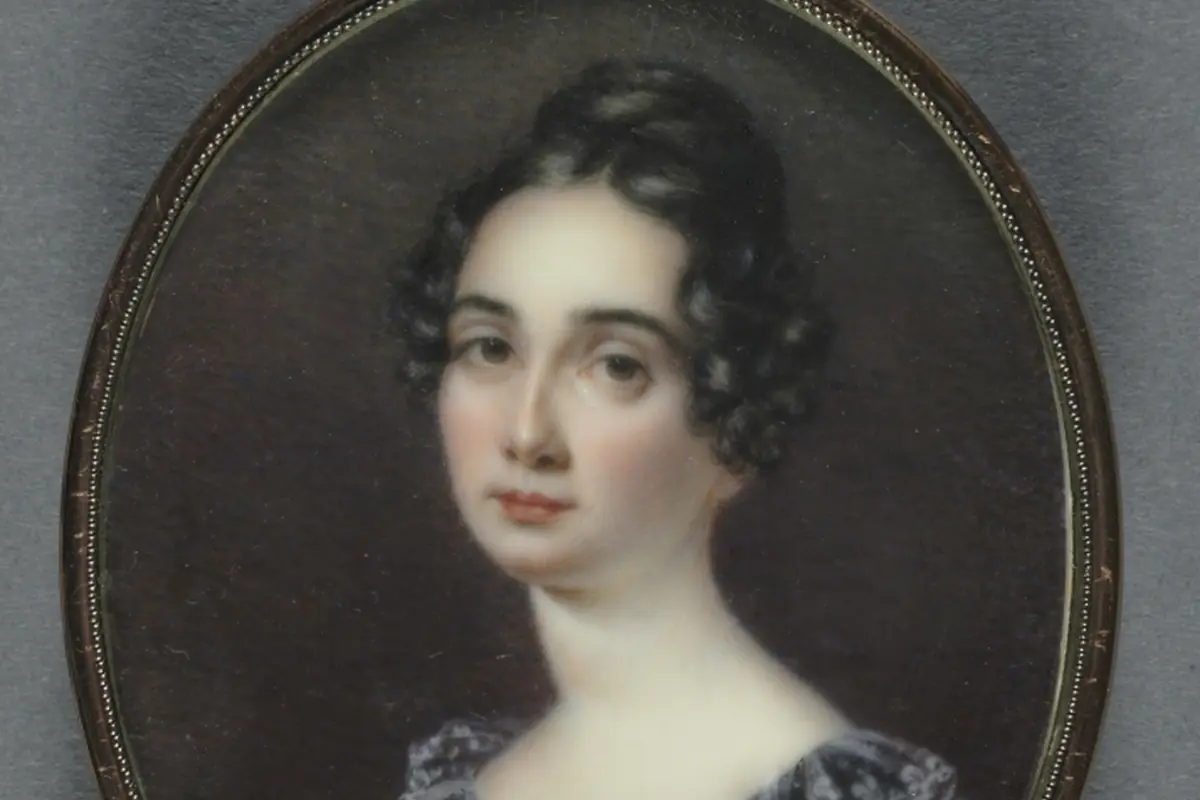
Image credits (17)
- Guinea: Anne (obverse); Shields and rose (reverse) (1703) — Cleveland Museum of Art, CC0 1.0
- Necklace (100s BCE) — Cleveland Museum of Art, CC0 1.0
- Stater: BODVOC on plain field (obverse); Horse, Wheel, and Crescent (reverse) (10 BCE–20 CE) — Cleveland Museum of Art, CC0 1.0
- Portraits of the Qianlong Emperor and His Twelve Consorts, Giuseppe Castiglione (1736–70s) — Cleveland Museum of Art, CC0 1.0
- Solidus with Busts of Constans II and Constantine IV (obverse) (659–661) — Cleveland Museum of Art, CC0 1.0
- Bracelet (1700s) — Cleveland Museum of Art, CC0 1.0
- Portrait of Pope Paul II Barbo (obverse) and (reverse), Cristoforo di Geremia (c. 1468) — Cleveland Museum of Art, CC0 1.0
- Portrait of a Woman, Gerard ter Borch (c. 1665) — Cleveland Museum of Art, CC0 1.0
- American Red Cross War Council Medal (reverse), Daniel Chester French (1920) — Cleveland Museum of Art, CC0 1.0
- Octagonal Pendant (324–26 CE) — Cleveland Museum of Art, CC0 1.0
- Solidus of Justinian I (reverse) (545–565) — Cleveland Museum of Art, CC0 1.0
- Small Mosque in the Kaiserbagh, Felice A. Beato (1858) — Cleveland Museum of Art, CC0 1.0
- Leopard d'Or of Edward III of England (1327–1377) — Cleveland Museum of Art, CC0 1.0
- Solidus of Justinian I (obverse) (c. 545–565) — Cleveland Museum of Art, CC0 1.0
- Portrait of Gianfrancesco Gonzaga di Ròdigo, 1443–1496, Lord of Sabbionetta (reverse), Antico (1479) — Cleveland Museum of Art, CC0 1.0
- The Dance at the Court of Herod, Israhel van Meckenem (c. 1500) — Cleveland Museum of Art, CC0 1.0
- Portrait of a Woman, Anna Claypoole Peale (1820) — Cleveland Museum of Art, CC0 1.0