
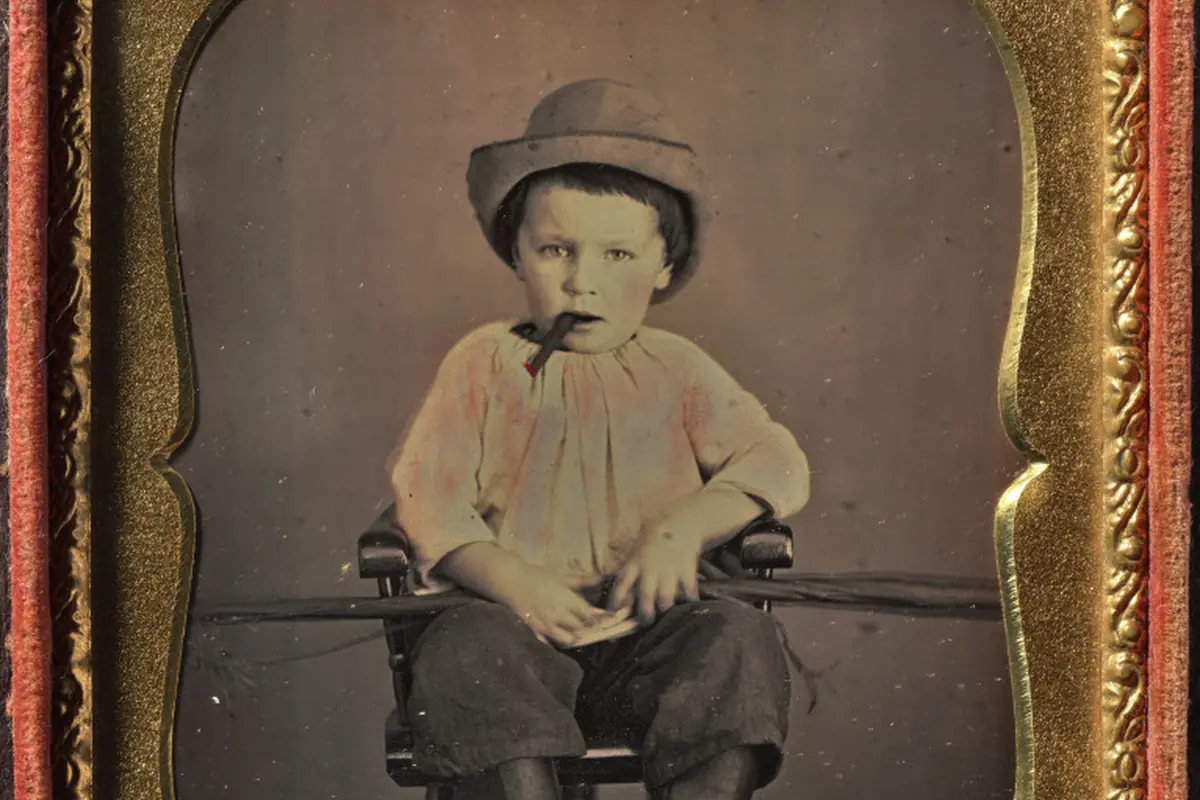
 Cleveland Museum of Art · CC0 1.0
The witness of the moment
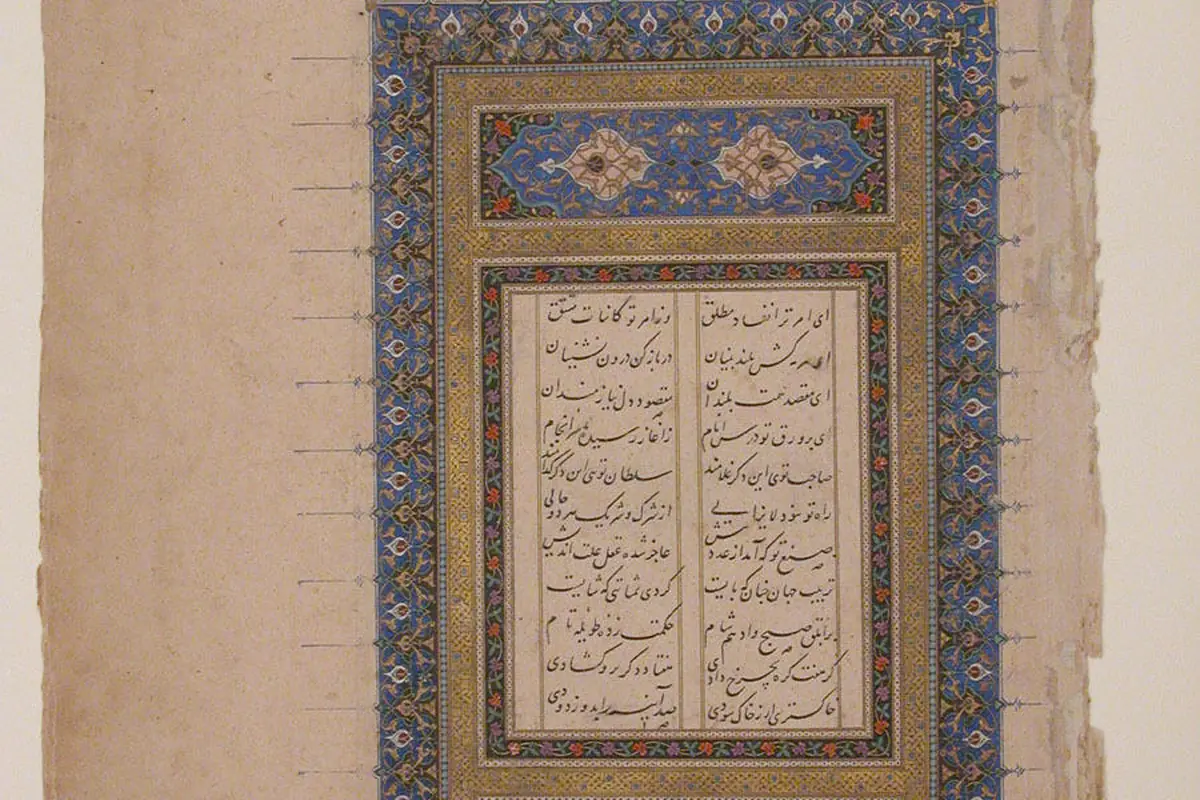
A vintage print is a print made at the time of the exposure or the engraving, often by the artist themselves. The market is narrow: €1.9 billion in 2024, with a median price of €4,600.
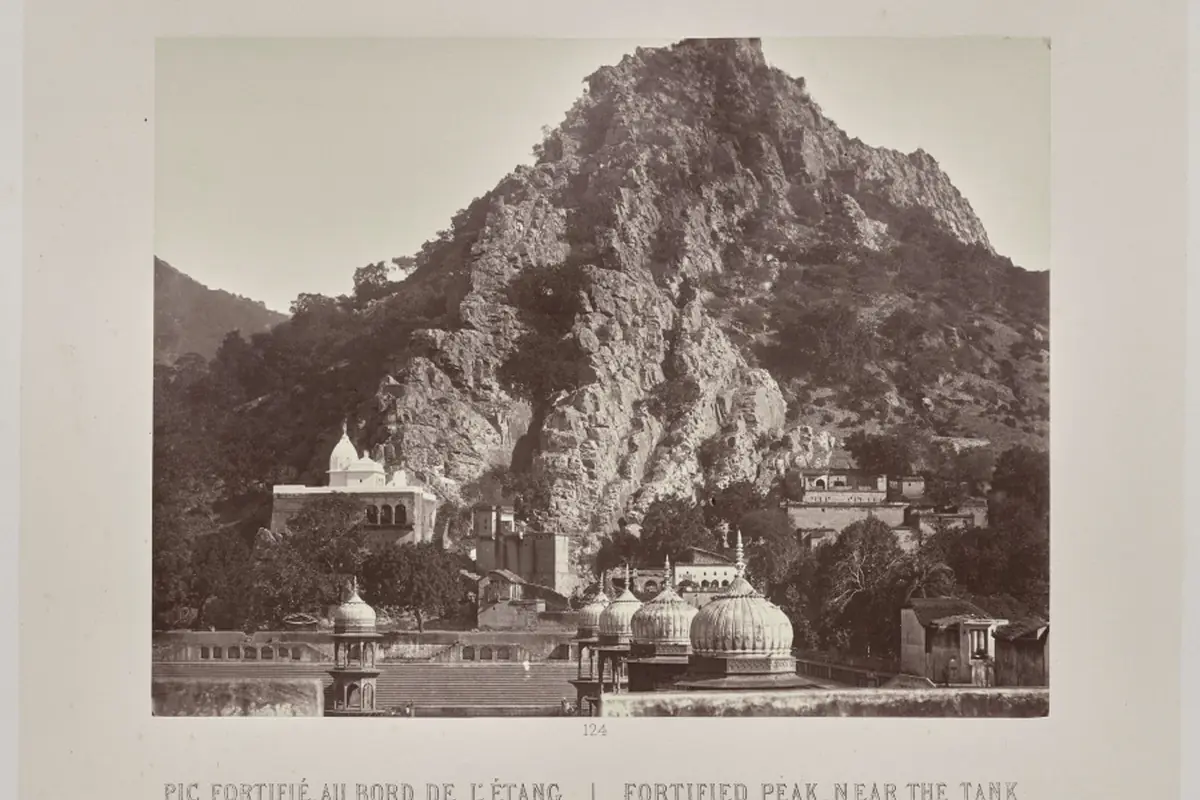
The most sought-after processes are the daguerreotype, the calotype, albumen, the carbon print and the silver print of the early decades of the 20th century. Each produces different prints, which the expert eye recognises.
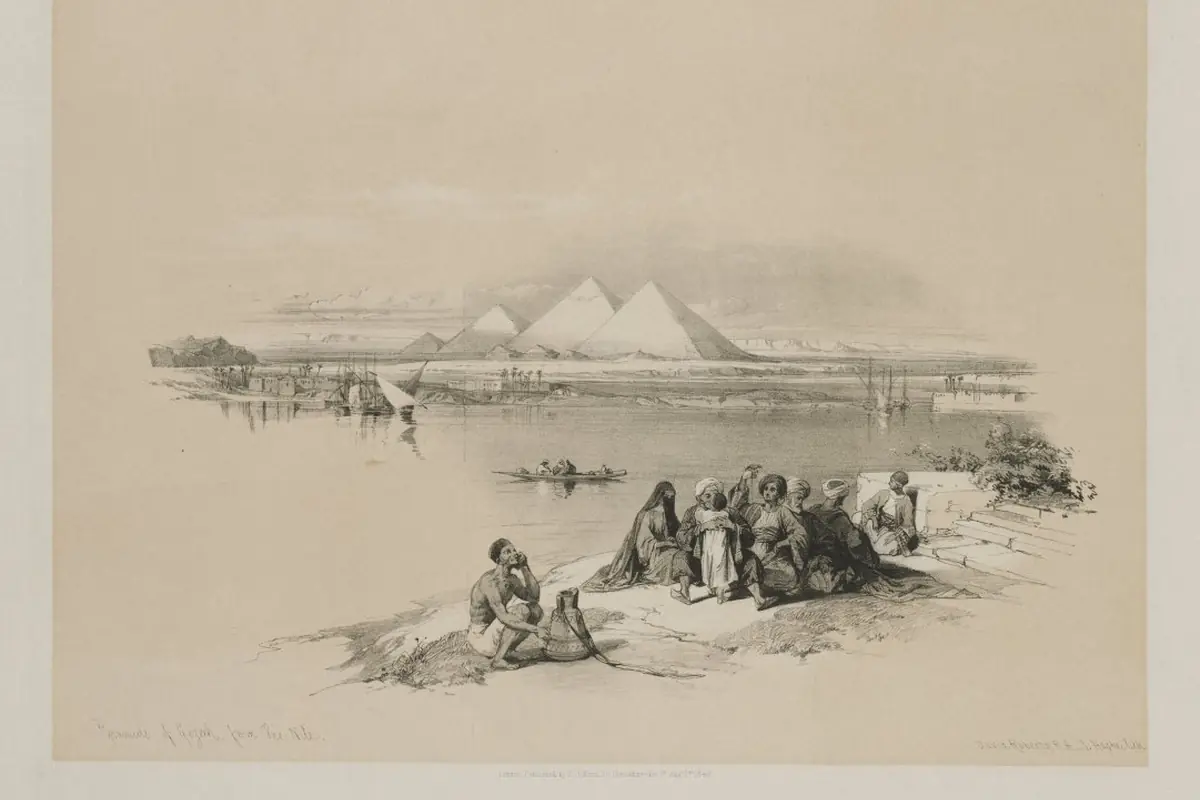
Old prints (etchings, lithographs, woodcuts) obey similar rules, with the notion of the "state" of the plate.
Vintage prints in figures
Source: OIMAP Observatory.
Photographic processes
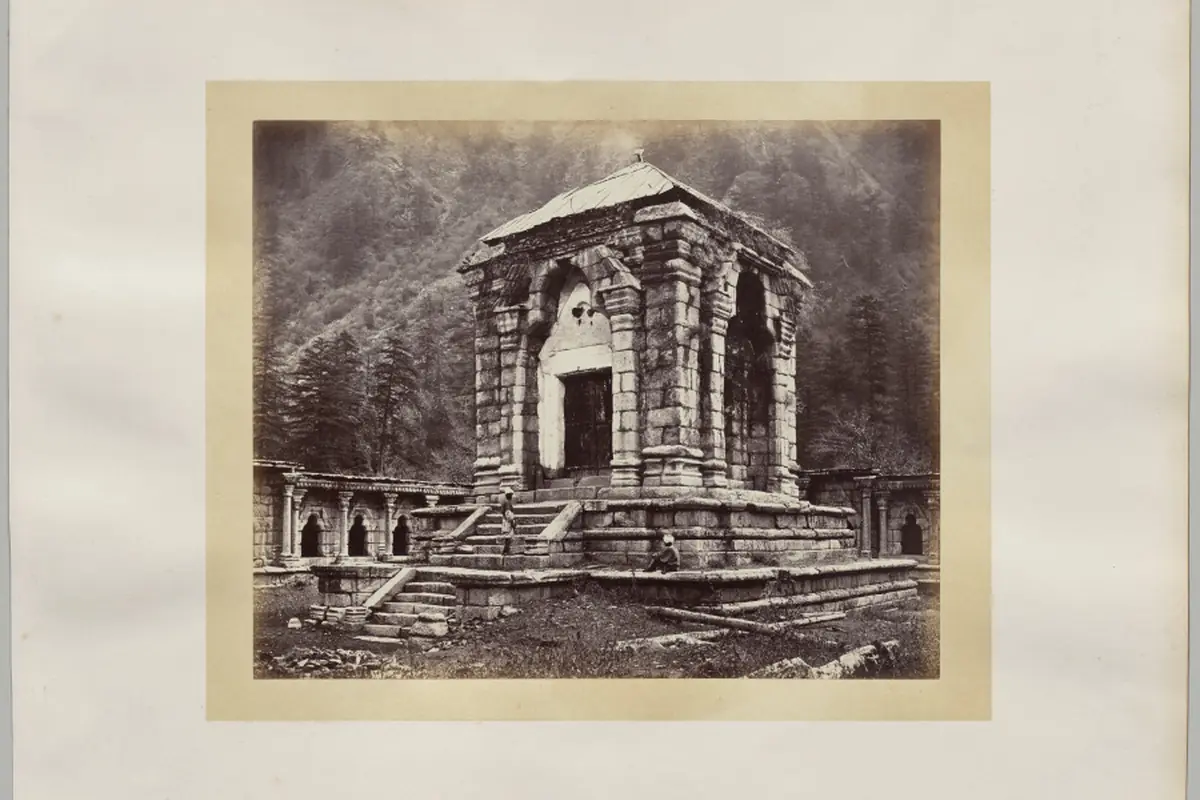
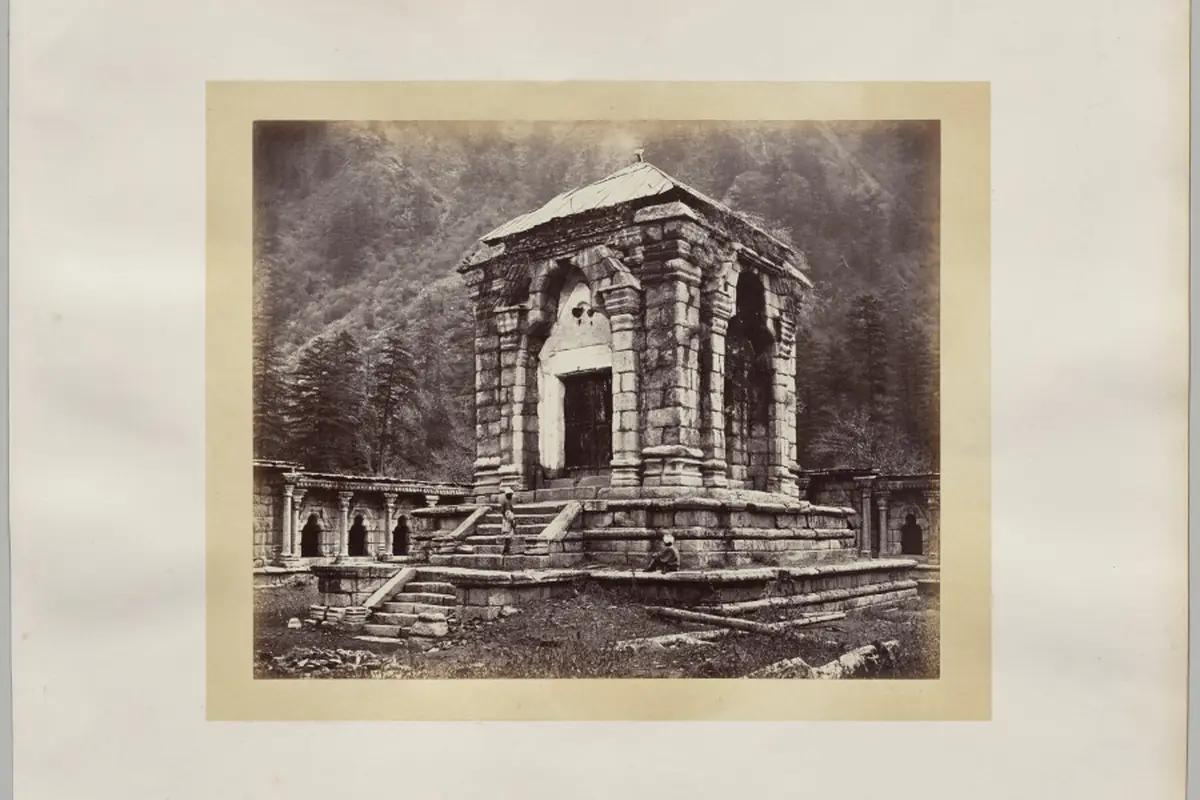
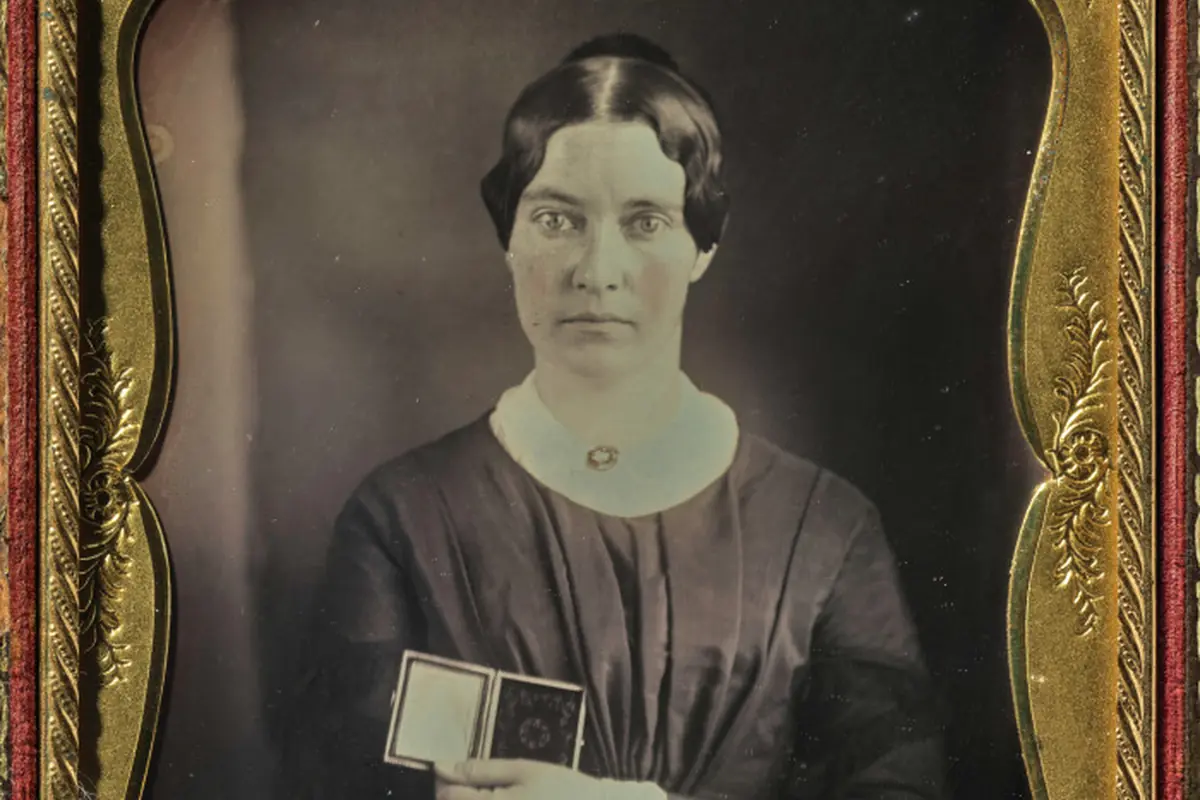
Each process has a material signature. The daguerreotype is a mirror of silvered metal, unique and irreplaceable. The albumen print, golden brown, spread in the second half of the 19th century. The carbon print, very stable, appeals to collectors for the depth of its blacks.
Identifying the process is the first step of authentication: a process that did not exist at the stated date signals a fake or a later print.
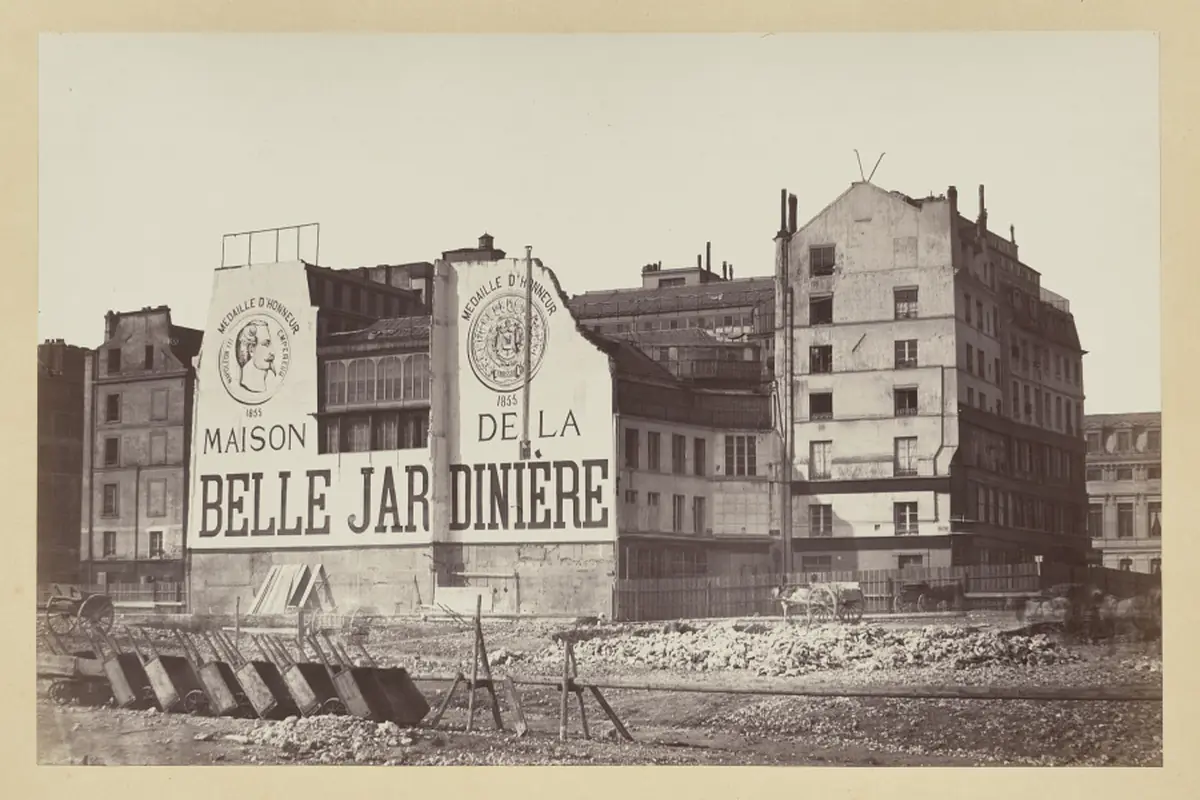
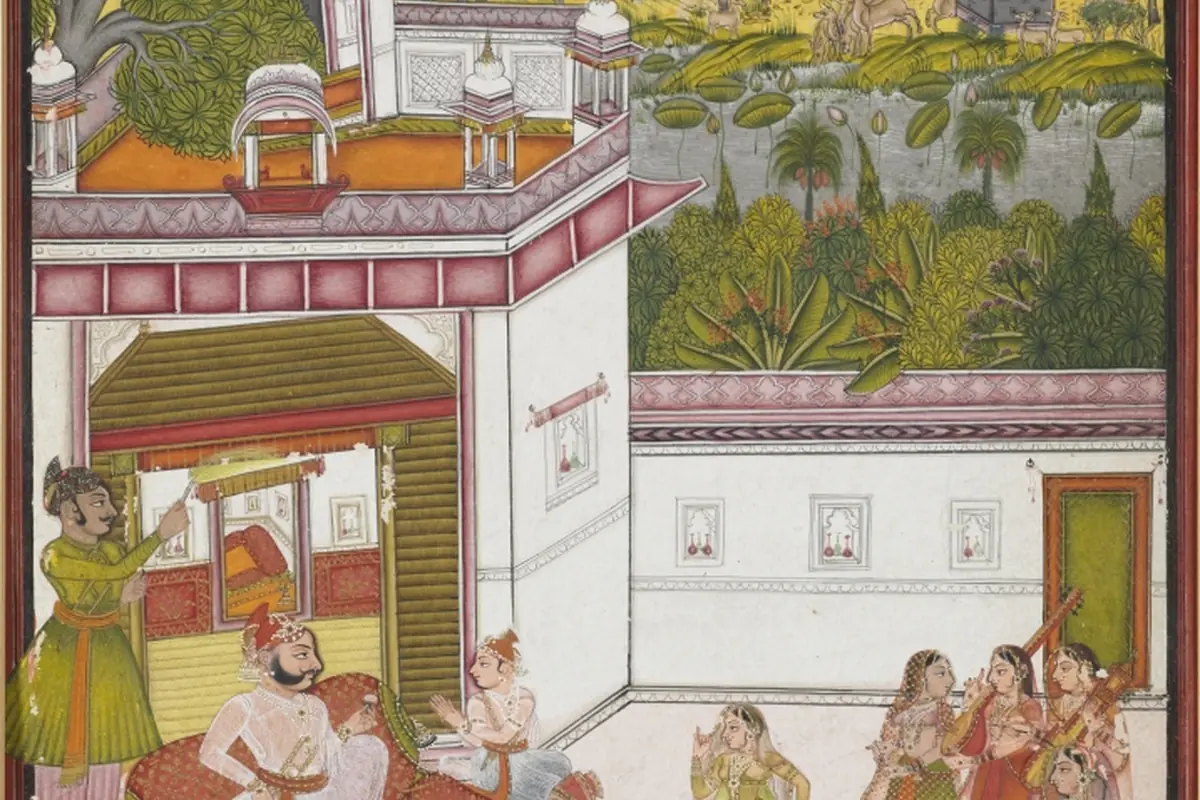
The states of a print
An engraving plate can be reworked, which produces different "states". The first states, pulled when the plate is fresh, are the most sought after. The last states, often pulled after the artist's death, are worth much less.
Identifying the state means comparing with reference copies held in the major print rooms. OIMAP has a network of experts linked to these print rooms.
The role of photographic archives
Archives of studios, agencies and photographers are an essential source of authentication. They often contain contact sheets, printing registers, studio notebooks and correspondence that make it possible to date a print.
OIMAP digitises photographers' archives in cooperation with museums and foundations. This base speeds up expert examination and protects against false attributions.
Processes and characteristics
| Process | Period | Distinctive feature | Median price |
|---|---|---|---|
| Daguerreotype | 1839–1860 | Unique image on metal | €9,800 |
| Calotype | 1841–1860 | Paper with visible fibre | €7,200 |
| Albumen | 1850–1895 | Golden brown, very widespread | €3,400 |
| Carbon | 1860–1930 | Deep blacks | €4,100 |
| Period silver print | 1900–1960 | Silver gelatin | €3,700 |
Landmarks
- Daguerreotype
First photographic process.
- Glass negative
Reproducibility.
- Pictorialism
Art prints.
- €1.9bn
Up 5.9%.
Fragility
Vintage print or later print
Vintage print
Made in the artist's lifetime- Historical value
- Period paper
- Rare
High price.
Later print
Made long afterwards- Moderate price
- Modern paper
- Good quality possible
Value in use.
Authenticating a vintage print
- Examine
Paper, process, colour.
- Compare
With reference copies.
- Date
Watermark and supports.
- Document
Provenance and publications.
- Certify
OIMAP certificate.
Signs of a vintage print
A photography curator
« The eye is educated by comparing. You must have seen hundreds of prints to feel the difference. »
Vocabulary of prints
- Daguerreotype
- Unique image on a silvered plate.
- Albumen
- Paper coated with egg white.
- State
- Stage of progress of an engraved plate.
- Pictorialism
- Artistic photographic movement.
Frequently asked questions
How do I recognise a daguerreotype?
By its mirror-like appearance, its small size and its case.
Can a vintage print be restored?
With great caution, by a specialist.
Are modern reproductions common?
Yes, hence the importance of the certificate.
Where can I see the experts?
In the directory.
Useful documents
Contacts
Related pages
 Photography and graphic artsThe market for photographic prints, limited editions and artists' books: prints, editions, states and authentication.›
 Limited editionsContemporary numbered prints and multiples: edition, numbering, signature, certificates and resale.›
 Certificates of authenticityThe OIMAP certificate of authenticity establishes, through independent expertise and scientific analysis, that the work is indeed the one claimed.›
See the limited editions
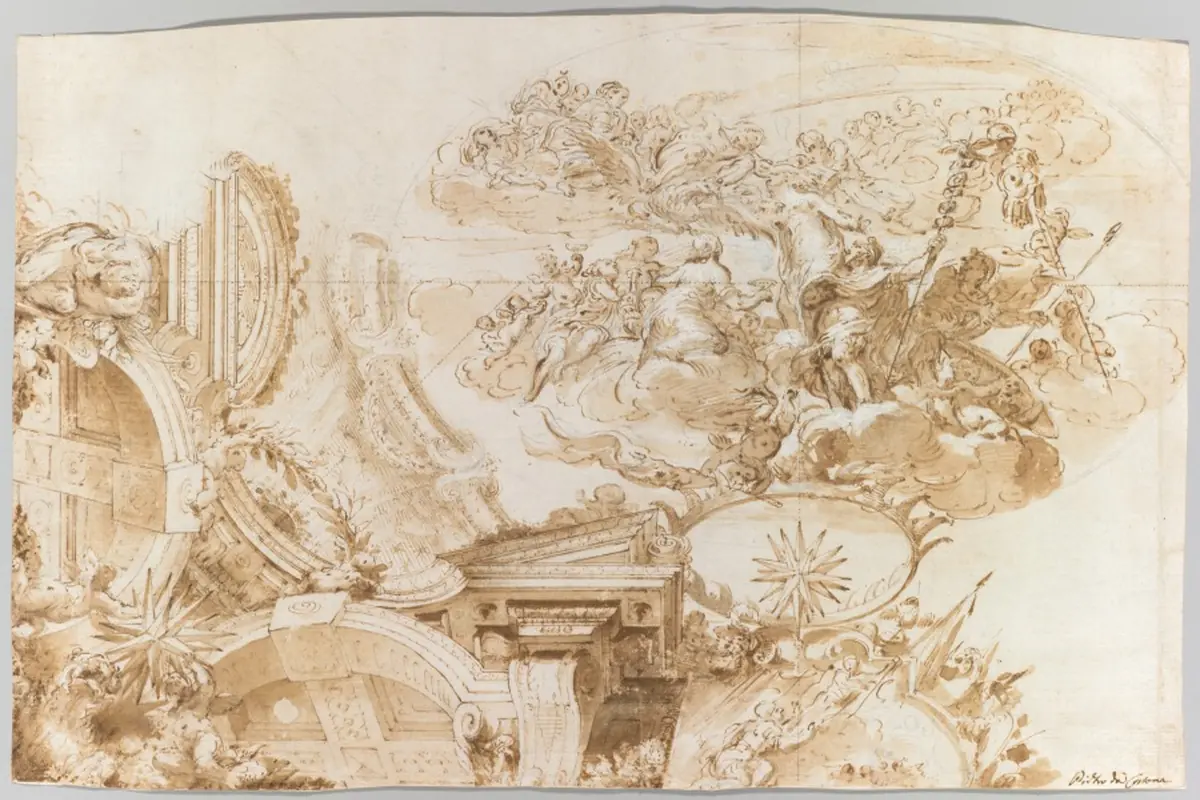
Image credits (16)
- Boy with Cigar (c. 1855) — Cleveland Museum of Art, CC0 1.0
- Illuminated Opening Page Titled Laila and Majnun from a Khamsa (Quintet) of Nizami of Ganja, Ja'far Baisunghuri (835 AH/1431–32 CE) — The Metropolitan Museum of Art, CC0 1.0
- La Belle Jardinère: le magasin de la rue de la Cité pendant sa demolition, Paris, Charles Marville (1864–66) — Cleveland Museum of Art, CC0 1.0
- Maharaja of Kotah Listening to Music and Watching Dancers (c. 1820) — Cleveland Museum of Art, CC0 1.0
- Nowshera, Kashmir (number 1000), Samuel Bourne (1864) — Cleveland Museum of Art, CC0 1.0
- A Manuscript of Five Sections of a Qur'an (18th century) — The Metropolitan Museum of Art, CC0 1.0
- Kenilworth Castle, Warwickshire, England, Adolphe Braun (c. 1870s) — Cleveland Museum of Art, CC0 1.0
- Nowshera, Kashmir (number 1000), Samuel Bourne (1864) — Cleveland Museum of Art, CC0 1.0
- The Music Teacher's Wife (c. 1850s) — Cleveland Museum of Art, CC0 1.0
- Left side of a double-page album folio: Outside a Royal Encampment (recto) and Calligraphy, Persian Verses (verso), Bihzad (c. 1485) — Cleveland Museum of Art, CC0 1.0
- Fortified Peak, Near the Tank, Ulwur, Louis-Théophile Marie Rousselet (1865–68, published 1869–70) — Cleveland Museum of Art, CC0 1.0
- Egypt and Nubia, Volume I: Pyramids of Geezeh, from the Nile, Louis Haghe (1846) — Cleveland Museum of Art, CC0 1.0
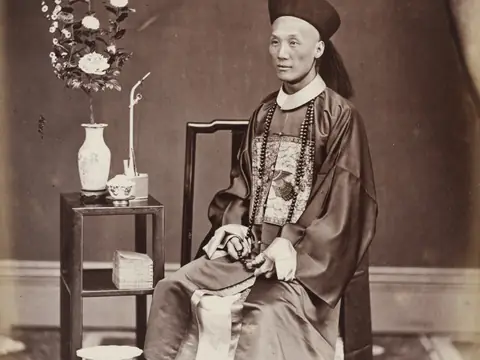
- Portrait of a Naval Officer, Lai Fong (1870s) — Cleveland Museum of Art, CC0 1.0
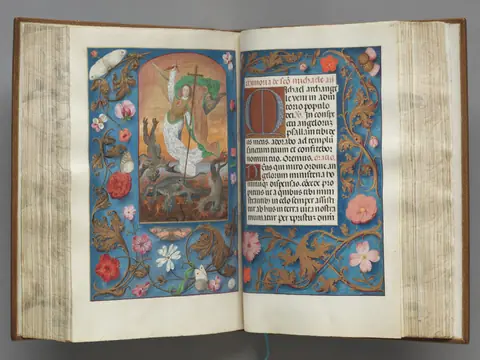
- Hours of Queen Isabella the Catholic, Queen of Spain, Master of the First Prayerbook of Maximillian (c. 1500) — Cleveland Museum of Art, CC0 1.0
- Fish or Seal Club (X’ús’) (late 1800s–early 1900s) — Cleveland Museum of Art, CC0 1.0
- The Apotheosis of Romulus: Design for a Ceiling, Domenico Maria Canuti (c. 1675–76) — Cleveland Museum of Art, CC0 1.0