
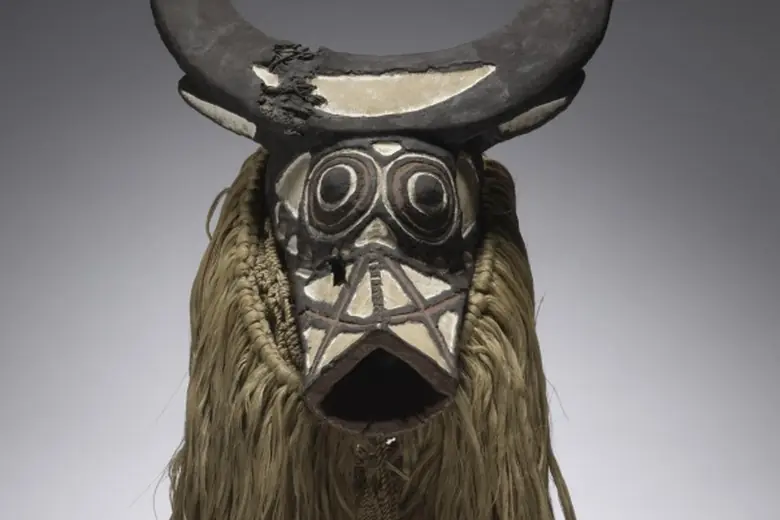
 Cleveland Museum of Art · CC0 1.0
What has been returned
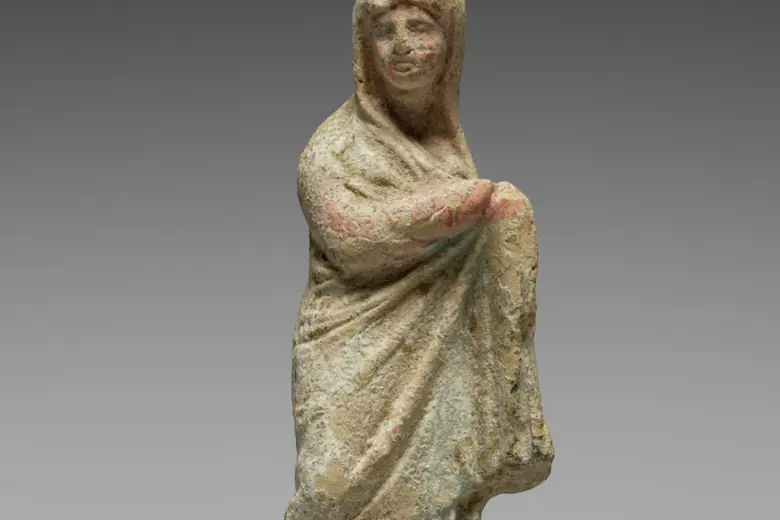
Since 2007, 847 works have found their lawful owner again with OIMAP's support. Paintings, sculptures, archaeological objects, manuscripts: each piece tells a story of disappearance, search and reunion.
The pace has quickened: about a dozen restitutions a year before 2012, ninety-six in 2024. This progress reflects the effectiveness of the BIOP database, better cooperation with police forces and the growing strength of mediation.
This page presents the figures, a few examples and the lessons learned.
Restitutions completed in figures
Source: OIMAP Heritage Protection Department.
A few stories
A bronze statue, stolen from a museum in 2005, was identified in 2022 when offered for sale in a gallery abroad. The gallery, informed by the BIOP database, withdrew it from the market and returned it to the institution three months later.
A set of thirty-two tablets looted from an archaeological site was seized during a joint operation. After appraisal, it was handed to its country of origin at an official ceremony attended by elected officials, archaeologists and residents of the region.
What these cases teach
The first lesson is that speed counts: the earlier the work is spotted, the simpler the restitution. The second is that operators' cooperation is decisive: most quick restitutions come from a dealer or auction house that withdrew the work as soon as it discovered its origin.
The third is that documentation, notably old photographs and inventories, saves months of procedure. Hence the importance of prevention.
After the restitution
Once the work is returned, OIMAP offers support: conservation advice, help with exhibiting, setting up suitable security. For small museums, this support is valuable, because a restituted item must also be protected.
Good-faith holders are compensated when the law or the agreement so provides. Their collaboration is recognised: OIMAP publishes, with their agreement, thanks that highlight their exemplary conduct.
A heritage recovered
Every restitution strengthens trust in the market: it shows that the rules serve a purpose. It also encourages owners to report a theft, dealers to withdraw doubtful pieces and States to cooperate.
OIMAP's goal is to reach one thousand cumulative restitutions within three years, by consolidating mediation, speeding up identification and supporting States in preparing their cases.
Figures by period
| Period | Restitutions | Annual average |
|---|---|---|
| 2007-2011 | 58 | 12 |
| 2012-2016 | 142 | 28 |
| 2017-2021 | 246 | 49 |
| 2022-2024 | 401 | 134 |
Landmarks
- First restitution
A painting.
- One hundred works
Milestone passed.
- Five hundred works
Mediation in place.
- 847 works
Cumulative total.
Good-faith holders are recognised
Definitive return or loan
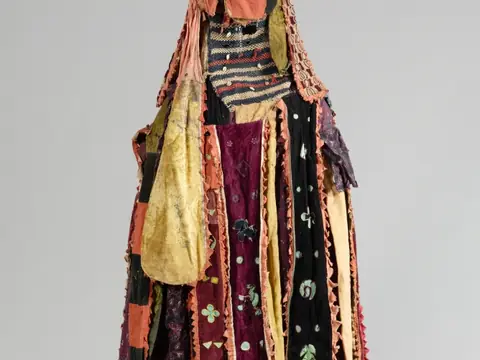
Definitive return
The work goes back to its owner- Solution of principle
- End of the dispute
- Sometimes hard to accept
Usual answer.
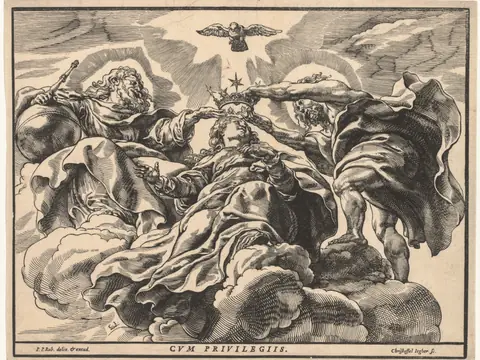
Long-term loan
The work stays on display in the holding museum- Compromise
- Keeps public access
- Requires a precise contract
Negotiated option.
Organising a handover
- Prepare
Fix the date and place.
- Pack
Prepare the work.
- Transport
Use secure transport.
- Hand over
Organise the ceremony.
- Document
Draw up the report.
A holder's reflexes
A dealer
« When I found out the painting was stolen, I withdrew it that same evening. The owner phoned to thank me, and we have stayed in touch. »
Vocabulary of handovers
- Official handover
- Ceremony for the return of a work.
- Compensation
- Sum paid to the good-faith holder.
- Handover report
- Instrument recording the return.
- Ceremony
- Public handover event.
Frequently asked questions
Are restitutions public?
Some are, with the parties' agreement.
Who pays for the transport?
According to the agreement, often shared.
Are holders compensated?
In some cases, according to the law or the agreement.
Where can I see other examples?
In the annual report.
Useful documents
Contacts
Related pages
 RestitutionsReturning works to their lawful owners: 847 restitutions since 2007, ongoing cases and procedure for requesting a restitution.›
 Ongoing restitution casesThe 126 cases under investigation: nature, progress, time limits, steps and follow-up arrangements for the parties.›
 Reports on illicit traffickingOIMAP publications on trafficking: annual report, thematic studies, summary notes and open data.›
Request a restitution
Image credits (16)
- Buffalo Mask (early to mid-1900s) — Cleveland Museum of Art, CC0 1.0
- Figurine (300–100 BCE) — Cleveland Museum of Art, CC0 1.0
- Female Bowl-Bearing Figure (lid) (late 1800s-early 1900s) — Cleveland Museum of Art, CC0 1.0
- The Dance at the Court of Herod, Israhel van Meckenem (c. 1500) — Cleveland Museum of Art, CC0 1.0
- Beaded Necklace (c. 1900) — Cleveland Museum of Art, CC0 1.0
- Gathering among the Members of Office Censor-General (1700s) — Cleveland Museum of Art, CC0 1.0
- Female Mask (Gambanda or Kambanda) (early 1900s) — Cleveland Museum of Art, CC0 1.0
- Black-Figure Kotyle (Drinking Cup): Animal Friezes, Shoe Lane Painter (600s–500s BCE, with modern painting and ) — Cleveland Museum of Art, CC0 1.0
- Egúngún Masquerade Dance Costume (1900s) — Cleveland Museum of Art, CC0 1.0
- Coronation of the Virgin, Christoffel Jegher (1632–36) — Cleveland Museum of Art, CC0 1.0
- Pendant: Crocodile (1930 or earlier) — Cleveland Museum of Art, CC0 1.0
- The Doge's Palace, Venice, Richard Parkes Bonington (1826) — Cleveland Museum of Art, CC0 1.0
- Beaded Hat or Headpiece (early 1900s(?)) — Cleveland Museum of Art, CC0 1.0
- Figure (iginga) (probably 1800s) — Cleveland Museum of Art, CC0 1.0
- Enjoying the Evening Cool Along the Sumida River, Kitagawa Utamaro (c. 1797–98) — Cleveland Museum of Art, CC0 1.0
- Farmhouse on the Slope of a Hill, Fra Bartolommeo (c. 1508) — Cleveland Museum of Art, CC0 1.0