
 Cleveland Museum of Art · CC0 1.0
Pages in this section
 Reporting obligationsWho must declare, which sales, within what time and through which channel: the reporting regime of the art market.›
 Transaction registersKeeping a compliant register: content, format, retention, access and good practices for art market operators.›
 Transparency inspectionsHow the authority checks declarations and registers: course of an inspection, operator's rights, sanctions and remedies.›
A market that accounts for itself
The art market has long been seen as opaque: confidential prices, anonymous sellers, discreet payments. Directive 2019-04 laid down a principle of proportionate transparency: operators declare their sales, keep a register and accept inspections.
Transparency does not mean publicity. The identities of buyers and sellers remain protected; it is the authorities and the Observatory that receive the information.
This section presents the reporting obligations, the transaction registers and the inspections.
Financial transparency in figures
Source: OIMAP Legal Affairs Department.
The three pages of the section
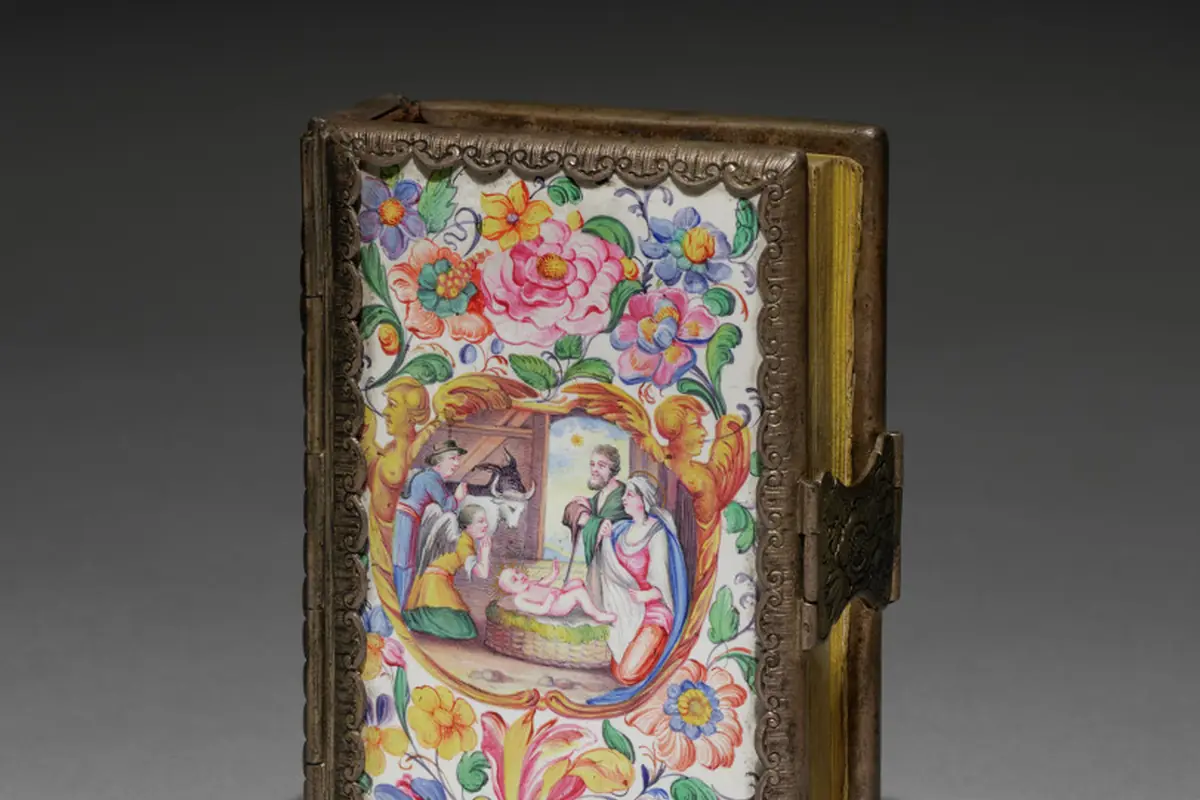
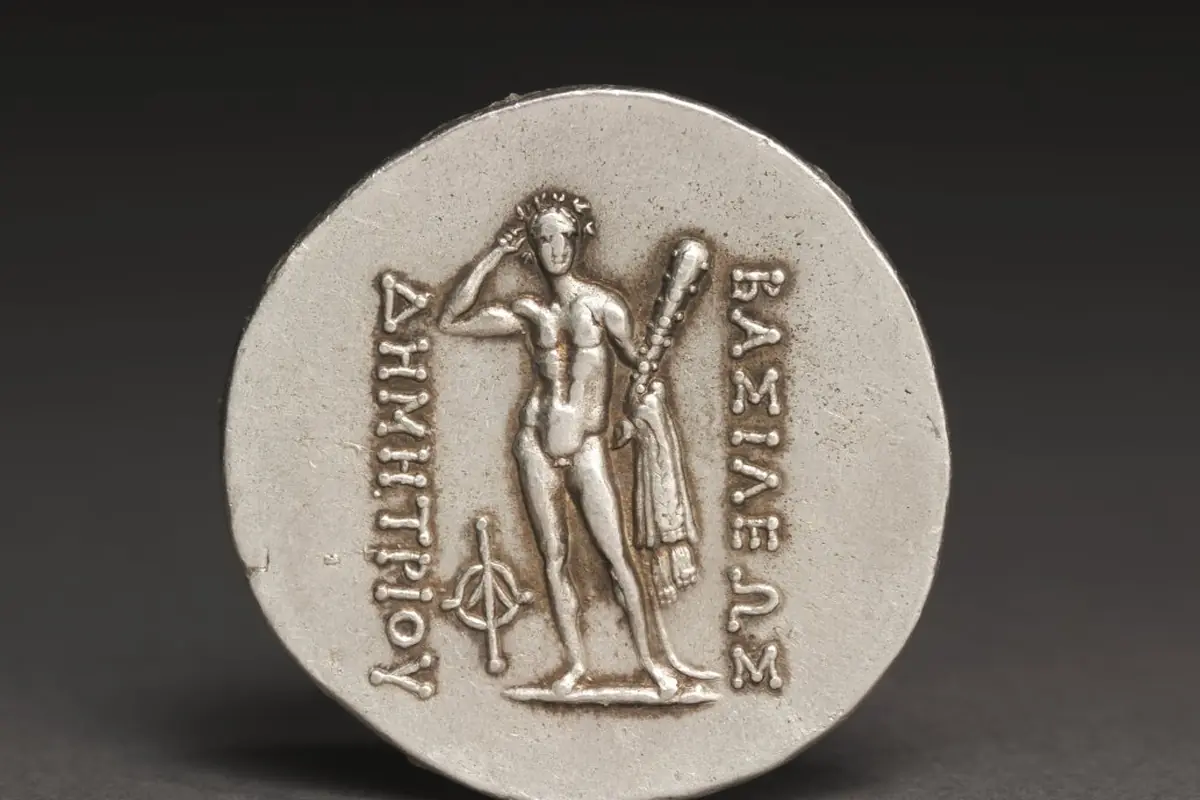
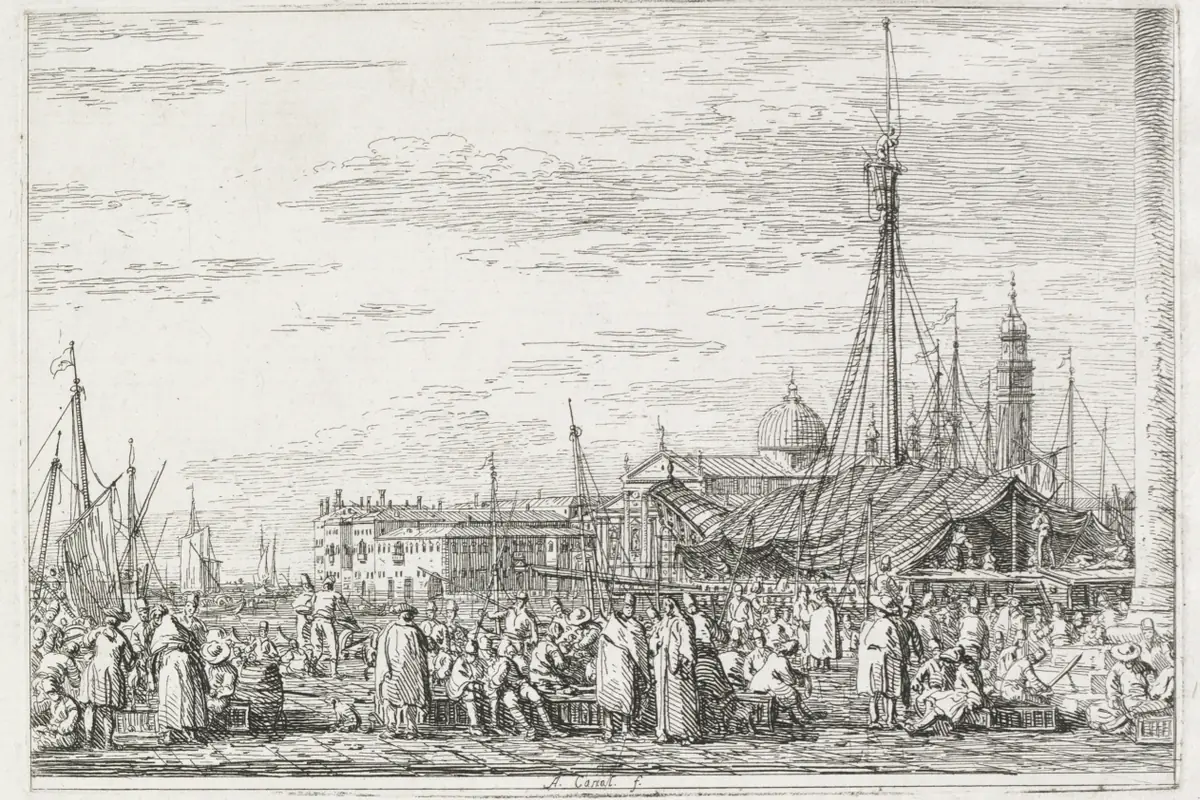
Three obligations
The first obligation is to declare each significant sale within thirty days: date, lot, price, terms. The second is to keep a register of transactions, which keeps all the operator's transactions in an orderly manner. The third is to accept inspections by the national authority and the Observatory.
These obligations are graduated: an occasional operator is subject to a simplified declaration, an approved operator to the full regime.
Why transparency benefits the market
The data declared feeds the Observatory, which produces the world index, rankings and price analyses. Without it, buyers, insurers and States would be working in the dark. Transparency also reduces the risk of money laundering, by making transactions more readable.
Finally, it protects operators themselves: a well-kept register is valuable evidence in the event of a dispute or inspection.
A balance to preserve
Transparency is a balance: too little, and the market remains opaque; too much, and players turn to less supervised channels. OIMAP has therefore chosen proportionate obligations, with simplified regimes and strong data protection.
This balance is reviewed at each revision of the directives. The 2025 public consultation will notably address extending the declaration to over-the-counter transactions between private individuals.
The three obligations
| Obligation | Deadline | Recipient |
|---|---|---|
| Declaration of a sale | 30 days | OIMAP Observatory and national authority |
| Keeping the register | As they happen | Kept by the operator |
| Reply to an inspection | 15 days | Competent authority |
Landmarks
- Directive 2019-04
Principle of transparency.
- Online declaration
Desk portal.
- Digital register
Standard model.
- 96% of declarations on time
Observatory review.
Confidentiality
Approved or occasional operator
Approved
Auction house, gallery, platform- Full declaration
- Digital register
- Periodic inspections
Full regime.
Occasional
Private individual or small dealer- Simplified declaration
- Lightened register
- Spot checks
Simplified regime.
Getting into compliance
- Identify
Know which sales are concerned.
- Declare
Use the portal.
- Register
Keep the register.
- Keep
Archive for ten years.
- Monitor
Prepare for inspections.
Reflexes
An inspector
« Transparency is not police control. It is the condition for a market to deserve its reputation. »
Vocabulary of transparency
- Declaration
- Information transmitted on a sale.
- Registry
- Log of transactions.
- Statistical confidentiality
- Protection of individual data.
- Check
- Verification of an operator's compliance.
Frequently asked questions
Must a private sale be declared?
Yes, if it is made by an operator.
Who receives the declarations?
The Observatory and the national authority.
Where do I declare?
On the Desk portal.
What sanctions for lateness?
See the Inspections page.
Useful documents
Contacts
Related pages
 Reporting obligationsWho must declare, which sales, within what time and through which channel: the reporting regime of the art market.›
 Transaction registersKeeping a compliant register: content, format, retention, access and good practices for art market operators.›
 Transparency inspectionsHow the authority checks declarations and registers: course of an inspection, operator's rights, sanctions and remedies.›
 Anti-money launderingThe art market and money laundering: typologies, vigilance obligations, reporting and sanctions.›
Read the reporting obligations
Image credits (23)
- Coin of Eukratides I (170–145 BCE) — Cleveland Museum of Art, CC0 1.0
- Medal of Claude Joseph Rouget de L'Isle (1760-1836), Alfred Borrel (1911) — Cleveland Museum of Art, CC0 1.0
- Portrait of Gianfrancesco Gonzaga di Ròdigo, 1443–1496, Lord of Sabbionetta (reverse), Antico (1479) — Cleveland Museum of Art, CC0 1.0
- Document Box (Ryōshibako) with Chrysanthemum and Plum (lid) (late 1800s-early 1900s) — Cleveland Museum of Art, CC0 1.0
- Seal of Doge Michele Steno (reverse) (1400–1409) — Cleveland Museum of Art, CC0 1.0
- Leopard d'Or of Edward III of England (1327–1377) — Cleveland Museum of Art, CC0 1.0
- At the Market, Camille Pissarro (late 1800s) — Cleveland Museum of Art, CC0 1.0
- Tetradrachm: Owl, Crescent Moon, Olive Branch (reverse) (480–449 BCE) — Cleveland Museum of Art, CC0 1.0
- Carnet (1863–1865) — Cleveland Museum of Art, CC0 1.0
- Coin of Demetrios, I (reverse) (200–190 BCE) — Cleveland Museum of Art, CC0 1.0
- Views: The Market on the Molo, Antonio Canaletto (1735–1746) — Cleveland Museum of Art, CC0 1.0
- American Red Cross War Council Medal (obverse), Daniel Chester French (1920) — Cleveland Museum of Art, CC0 1.0
- Sweet Melancholy, Joseph-Marie Vien (1756) — Cleveland Museum of Art, CC0 1.0
- Solidus of Justinian I (obverse) (c. 545–565) — Cleveland Museum of Art, CC0 1.0
- The Auction House: The Town Crier, Honoré Daumier (1864, printed 1920) — Cleveland Museum of Art, CC0 1.0
- Portrait of Pope Paul II Barbo (obverse) and (reverse), Cristoforo di Geremia (c. 1468) — Cleveland Museum of Art, CC0 1.0
- Letter Box, Ogata Kōrin (1700s) — Cleveland Museum of Art, CC0 1.0
- Eighteen Views of Rome: The Piazza Farnese (recto), Lievin Cruyl (1664) — Cleveland Museum of Art, CC0 1.0
- Seal Color Box (1662–1722) — Cleveland Museum of Art, CC0 1.0
- Chemin de fer de Toulouse à Bayonne. Pont de l'Aran (en trois arches de 17m d'ouverture chacune). Situation des travaux au 21 juillet 1861, Édouard Baldus (1861) — Cleveland Museum of Art, CC0 1.0
- Medal Commemorating Commodore Oliver Hazard Perry (1785-1819) and the Battle of Lake Erie, Moritz Fürst (1813) — Cleveland Museum of Art, CC0 1.0
- Solidus with Busts of Constans II and Constantine IV (obverse) (659–661) — Cleveland Museum of Art, CC0 1.0
- Solidus of Justinian I (reverse) (545–565) — Cleveland Museum of Art, CC0 1.0