
 Cleveland Museum of Art · CC0 1.0
Pages in this section
 Emerging artistsHow to spot, assess and buy the work of an emerging artist, with its opportunities and risks.›
 GalleriesThe role of galleries in the careers of contemporary artists: representation, sales, advice and ethics.›
 FairsContemporary art fairs: venues, calendar, operation and good practices for buying or exhibiting.›
The segment rising fastest after tribal art
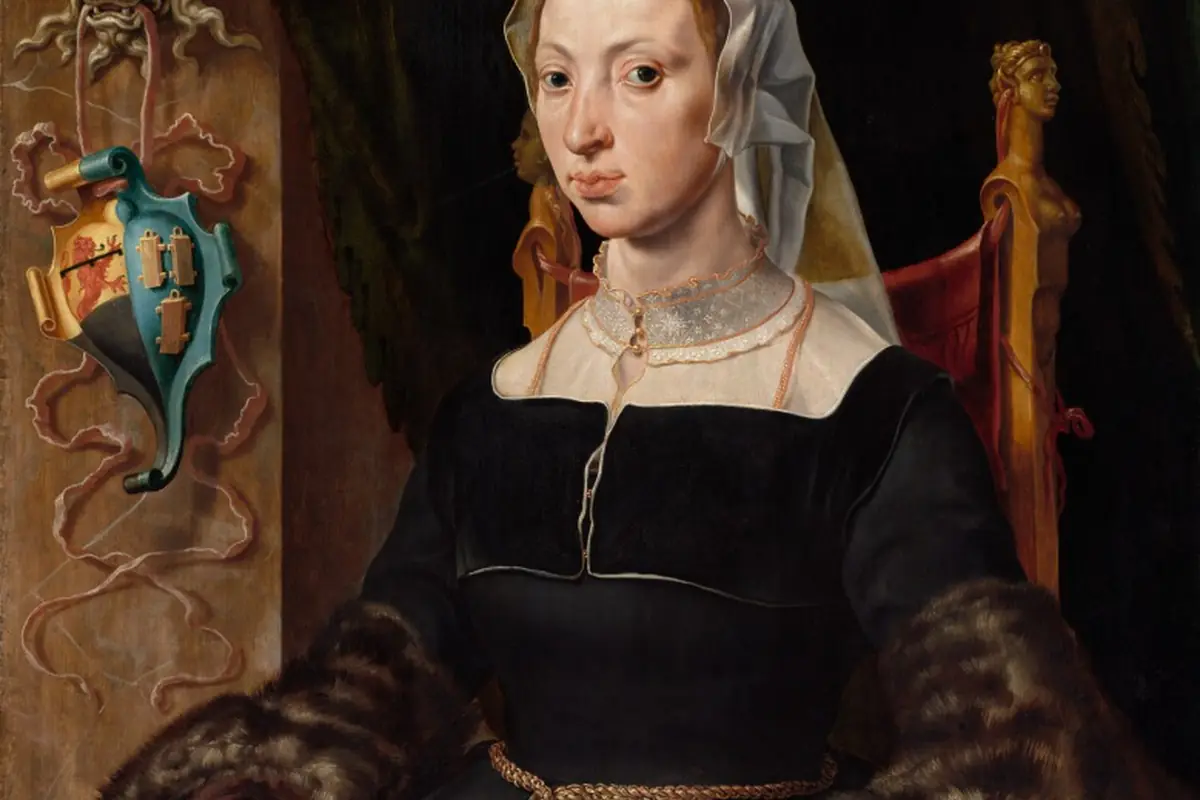
Contemporary art accounts for €14.9 billion in 2024, i.e. 22% of the market, and is growing by 8.7%. Its clientele is younger, more international and more digital than that of other segments.
The segment is defined as the art of artists born after 1945. It is the most volatile: artists may see their prices multiplied by ten in three years, then halve.
This section is organised in three pages: the emerging artists, the galleries and the fairs.
Contemporary art in figures
Source: OIMAP Observatory.
Three pages to find your way
A market of reputation
In contemporary art, value is largely built on reputation: exhibitions, reviews, museum acquisitions, gallery support. This construction makes the segment sensitive to fashion effects, but it also creates opportunities for informed buyers.
The primary and secondary markets are distinct. The first is that of galleries selling the artist's work directly; the second is that of resale, in galleries or at auction. Secondary prices reflect real demand and feed the index.
Authenticity and documentation
The authenticity of contemporary works raises few problems of fakes, but raises other questions: conceptual works resting on a certificate, installations to be reassembled according to instructions, ephemeral works, numbered editions, digital works.
In all these cases, the artist's or gallery's certificate is the work itself or nearly so. The OIMAP certificate ensures its traceability and conservation: it records the work, the artist's certificate and the reinstallation conditions.
The growing role of institutions
Museums and contemporary art foundations have become essential opinion-makers. An exhibition in a recognised institution is often followed by a rise in prices, while an acquisition by a major museum lastingly validates an artist's career.
This influence is double-edged: the institutions themselves are subject to fashion effects, and their choices are not always backed by the market. The Observatory follows the links between exhibitions and prices in an annual study.
The three faces of the segment
| Dimension | Emerging artists | Established-career artists | Established artists |
|---|---|---|---|
| Median price | €1,900 | €14,000 | €210,000 |
| Volatility | Very high | High | Moderate |
| Main market | Primary | Mixed | Secondary |
| Documentation | Weak | Medium | Strong |
Landmarks
- Structured market
Rise of international galleries.
- Financial crisis
Prices fall then rebound.
- Global fairs
Multiplication of events.
- €14.9bn
Up 8.7%.
Volatility
Primary market or secondary market
Primary
Sale by the artist's gallery- Prices set by the gallery
- Waiting lists
- No quick resale
To support an artist.
Secondary
Resale in gallery or at auction- Market prices
- Works available
- Documentation to check
To buy a specific work.
Buying contemporary art with method
- Educate yourself
Visit exhibitions, museums and fairs.
- Target
Choose artists backed by institutions.
- Check
Examine certificate and edition.
- Register
Enter the work in the Registry.
- Preserve
Respect the installation conditions.
Documents to require
A gallery owner
« Contemporary art is sold on trust: trust in the artist, in the gallery, in the document that accompanies the work. »
Vocabulary of contemporary art
- Primary market
- First sale of a work by the gallery.
- Secondary market
- Resale of a work already sold.
- Edition
- Numbered series of a multiple work.
- Conceptual work
- Work resting on an idea and its instructions.
Frequently asked questions
Are NFTs contemporary art?
They are tracked separately: see Digital market and NFTs.
How can I tell whether an emerging artist is solid?
By their institutional exhibitions and the support of recognised galleries.
What should be done with an installation?
Document it and keep the assembly instructions.
Where are works sold?
See the fairs.
Useful documents
Contacts
Related pages
 Emerging artistsHow to spot, assess and buy the work of an emerging artist, with its opportunities and risks.›
 GalleriesThe role of galleries in the careers of contemporary artists: representation, sales, advice and ethics.›
 FairsContemporary art fairs: venues, calendar, operation and good practices for buying or exhibiting.›
See the emerging artists
Image credits (22)
- Prayer Niche (Mihrab) (c. 1500s or mid-1900s) — Cleveland Museum of Art, CC0 1.0
- Mirror with Concentric Circles and Linked Arcs (late 300s BCE–50 CE) — Cleveland Museum of Art, CC0 1.0
- Mirror with Concentric Circles, an Immortal, and Auspicious Animals (25–100 CE) — Cleveland Museum of Art, CC0 1.0
- Scenes of Witchcraft: Morning, Salvator Rosa (c. 1645–49) — Cleveland Museum of Art, CC0 1.0
- Portrait of Machtelt Suijs, Maerten van Heemskerck (c. 1540–45) — Cleveland Museum of Art, CC0 1.0
- TLV Mirror with Multiple Nipples (9–23 CE) — Cleveland Museum of Art, CC0 1.0
- Virgin and Child Enthroned with Saints Francis and Giovanni Gualberto, Benedetto Buglioni (c. 1510–20) — Cleveland Museum of Art, CC0 1.0
- Arion on a Sea Horse and Bacchante on a Panther (pair), William Adolphe Bouguereau (1855) — Cleveland Museum of Art, CC0 1.0
- Study for "A Sunday on La Grande Jatte", Georges Seurat (1884) — The Metropolitan Museum of Art, CC0 1.0
- Bull Head Attachment (c. 700–600 BCE) — Cleveland Museum of Art, CC0 1.0
- Mirror with Concentric Circles, an Immortal, and Auspicious Animals (100 BCE–100 CE) — Cleveland Museum of Art, CC0 1.0
- Scenes of Witchcraft: Day, Salvator Rosa (c. 1645–49) — Cleveland Museum of Art, CC0 1.0
- Jar with Design in Underglaze Iron (1800s–1900s) — Cleveland Museum of Art, CC0 1.0
- Figure from a Crèche: Standing Mountain Goat (1780–1830) — Cleveland Museum of Art, CC0 1.0
- Historiated Initial (O) Excised from an Antiphonary: The Donor, Gorus Fucci, Kneels before Christ (c. 1300–1350) — Cleveland Museum of Art, CC0 1.0
- Banks of the Oise at Dawn, Louis Hayet (1888) — Cleveland Museum of Art, CC0 1.0
- Daffodil Table Lamp, Tiffany Studios (c. 1910–13) — Cleveland Museum of Art, CC0 1.0
- The Doge's Palace, Venice, Richard Parkes Bonington (1826) — Cleveland Museum of Art, CC0 1.0
- Still Life with Vegetables, Partridge, and a Jug, Adolphe-Félix Cals (1858) — Cleveland Museum of Art, CC0 1.0
- Relief of Apollo with Nike (27 BCE–14 CE) — Cleveland Museum of Art, CC0 1.0
- Mirror with Concentric Circles (late 300s BCE–50 CE) — Cleveland Museum of Art, CC0 1.0
- Figure from a Crèche: Angel (1780–1830) — Cleveland Museum of Art, CC0 1.0