
 Cleveland Museum of Art · CC0 1.0
Pages in this section
 Tailor-made training for StatesNational programmes for customs, justice, culture and police: multi-year plans, training of trainers and impact follow-up.›
 Tailor-made training for institutionsMuseums, auction houses, galleries, foundations and companies: bespoke programmes for your teams.›
 Request a quotationDescribe your need, receive a proposal within ten days and launch your programme: how to use the quotation form.›
Training on your scale
A customs administration, a museum, an auction house or a ministry of culture has specific needs. The Academy designs bespoke programmes for them, delivered on site or remotely, in their language and with their cases.
The system rests on a needs analysis, a quotation drawn up in ten days and an impact follow-up after the training. One hundred and forty tailor-made programmes have been delivered since 2015.
This section presents the offers for States, for institutions and the quotation request.
Tailor-made training in figures
Source: OIMAP Academy.
Three pages
How it works
The process begins with an interview to understand the objectives, the audience and the constraints. The Academy then proposes a programme: objectives, content, duration, trainers, schedule, budget. Once approved, it prepares the adapted materials and organises the logistics.
An assessment measures the acquisition of skills and the impact after six months.
What can be customised
Everything is adaptable: duration (from one day to six months), language, level, place, practical cases, format (face-to-face, remote, blended). Content draws on existing modules and on elements designed for the client: internal procedures, cases specific to their country.
Trainers can work in the local language, with interpreters if necessary.
Prices and funding
The price depends on the duration, the number of trainers and the place. Member States benefit from preferential rates. Funding can be mobilised: Protection Fund, cooperation programmes, donors. The Academy helps clients put together their application.
No programme may be funded by an operator whose activity would be contrary to market ethics.
Impact evaluation
Each programme includes an evaluation system: tests before and after, satisfaction survey, six-month follow-up. A report is given to the client, with recommendations. The results feed into the design of subsequent programmes.
For programmes for States, impact is measured in seizures, reports and proceedings begun.
Stages of a programme
| Stage | Time limit | Deliverable |
|---|---|---|
| Interview | 1 week | Scoping notes |
| Proposal | 10 days | Quotation |
| Design | 3 to 6 weeks | Materials |
| Session | Depending on the programme | Training |
| Tracking | 6 months | Impact report |
Milestones
- First programme
A State.
- 40 programmes
Extension.
- 100 programmes
Milestone passed.
- 140 programmes
Total.
One programme, one contact
Tailor-made or catalogue
Tailor-made
Designed for you- Adapted content
- Targeted audience
- Higher cost
For specific needs.
Catalogue
Existing programmes- Public prices
- Short lead times
- Less adapted
For general needs.
Ordering a programme
- Contact
Interview.
- Validate
Proposal.
- Prepare
Materials.
- Train
Session.
- Assess
Impact.
Preparing your request
A museum director
« The programme was built from our own collections and our own difficulties. Our teams recognised themselves in it. »
Vocabulary of tailor-made training
- Programme manager
- Dedicated contact.
- Scoping
- Definition of needs.
- Impact evaluation
- Measurement of effects.
- Confidentiality agreement
- Undertaking of discretion.
Confidentiality
Information provided by the client (organisation, cases, data) remains confidential. Materials developed for them may be reused in anonymised form, with their agreement. A confidentiality agreement is signed at the start.
Trainers are bound by professional secrecy.
To go further
The Academy's reception service answers practical questions Monday to Friday, in French, English and Spanish, and can direct each visitor to the programme, scholarship or free resource that fits their situation. A guidance counsellor also offers a thirty-minute individual meeting, by appointment, to build a realistic training pathway.
Trainees' feedback is valuable: each session gives rise to a questionnaire, and the most useful suggestions are examined each quarter by the teaching committee. Do not hesitate to write to report a difficulty, propose a subject or tell us what the training has changed in your practice.
Frequently asked questions
How long for a quotation?
Ten days.
Can training be delivered on site?
Yes.
In which languages?
Three, and others on request.
Where to request a quotation?
See Quotation.
Useful documents
Contacts
Related pages
 TrainingThe OIMAP Academy trains judges, customs officers, market professionals, experts and curators: certification programmes, online training, scholarships and regional sessions.›
 Tailor-made training for StatesNational programmes for customs, justice, culture and police: multi-year plans, training of trainers and impact follow-up.›
 Tailor-made training for institutionsMuseums, auction houses, galleries, foundations and companies: bespoke programmes for your teams.›
 Request a quotationDescribe your need, receive a proposal within ten days and launch your programme: how to use the quotation form.›
Request a quotation
Image credits (23)
- Leaf from a Lectionary with St. Luke (1057–1063) — Cleveland Museum of Art, CC0 1.0
- Corner Cabinet, René Dubois (c. 1765–1770) — Cleveland Museum of Art, CC0 1.0
- Panel (c. 1780–1840) — Cleveland Museum of Art, CC0 1.0
- Farmhouse on the Slope of a Hill, Fra Bartolommeo (c. 1508) — Cleveland Museum of Art, CC0 1.0
- Boy with Anchor, Winslow Homer (1873) — Cleveland Museum of Art, CC0 1.0
- Woman Sitting Reading , Georges Lemmen (1905) — Cleveland Museum of Art, CC0 1.0
- Salver, Carlo Bugatti (c. 1907) — Cleveland Museum of Art, CC0 1.0
- High Class Students and Teachers at Bishop Cotton School, Shimla (verso), Raja Deen Dayal (c. 1882–87) — Cleveland Museum of Art, CC0 1.0
- St. Anthony Reading, Albrecht Dürer (1519) — Cleveland Museum of Art, CC0 1.0
- Carpenter's Plane (1400s) — Cleveland Museum of Art, CC0 1.0
- A Lady Reading, Francis Seymour Haden (1833–1910) — Cleveland Museum of Art, CC0 1.0
- Bowl with Chrysanthemums, Seifū Yohei IV (1914–46) — Cleveland Museum of Art, CC0 1.0
- Bookplate: Boylston Medical Library, George Girdler Smith (1806–39) — Cleveland Museum of Art, CC0 1.0
- Jar with Design in Underglaze Iron (1800s–1900s) — Cleveland Museum of Art, CC0 1.0
- Cabinet Plate, W. T. Copeland & Sons (1883) — Cleveland Museum of Art, CC0 1.0
- Winding Yarn (Interior of a Nantucket Kitchen), Eastman Johnson (1872) — Cleveland Museum of Art, CC0 1.0
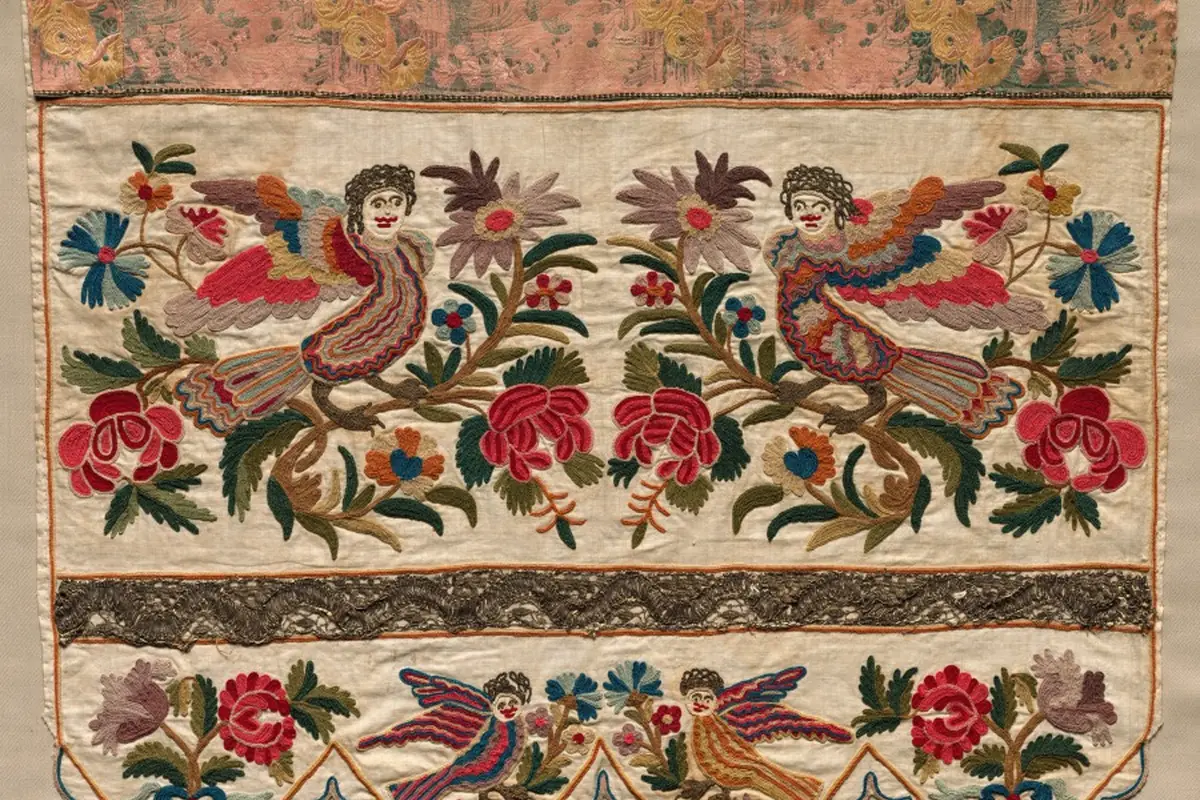
- Towel End (c 1700s- 1800s) — Cleveland Museum of Art, CC0 1.0
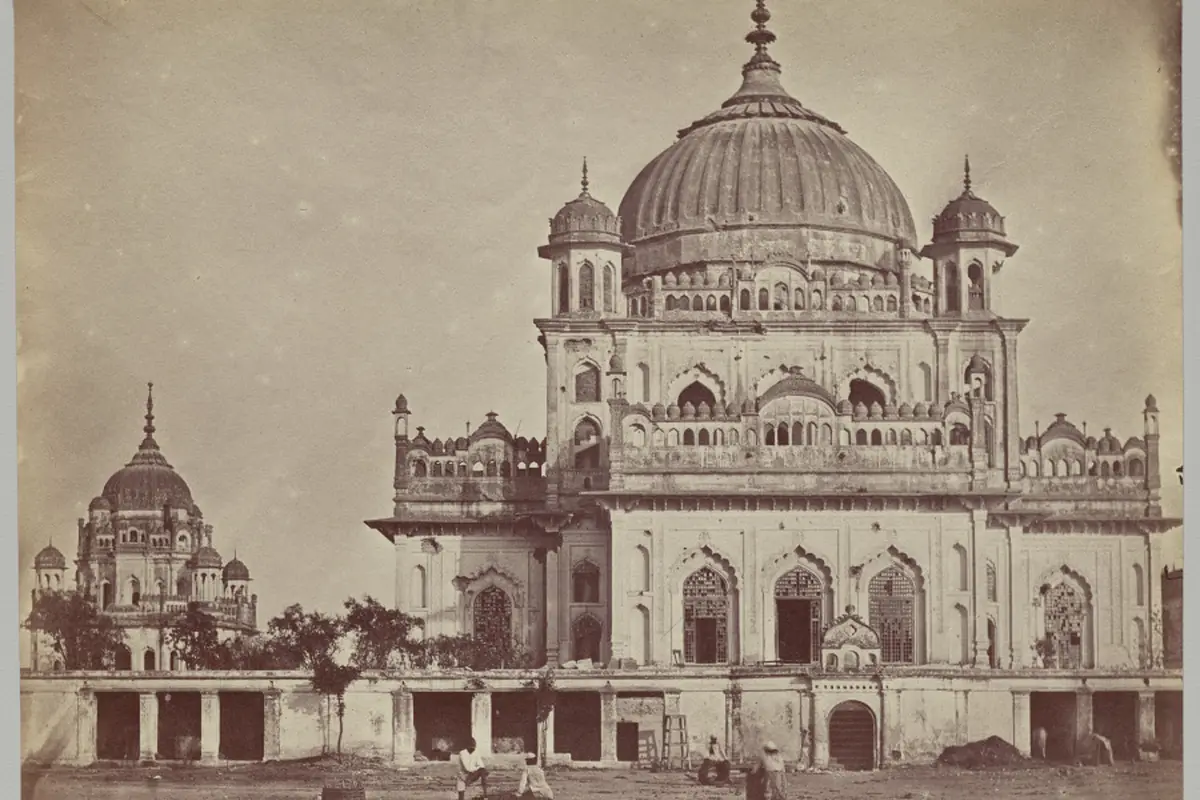
- Small Mosque in the Kaiserbagh, Felice A. Beato (1858) — Cleveland Museum of Art, CC0 1.0
- Head of Proserpina, Gian Lorenzo Bernini (1650–1700) — Cleveland Museum of Art, CC0 1.0
- Medal of Claude Joseph Rouget de L'Isle (1760-1836), Alfred Borrel (1911) — Cleveland Museum of Art, CC0 1.0
- The Shepherd, Paulus Potter (1644) — Cleveland Museum of Art, CC0 1.0
- Curtain (1600s–1700s) — Cleveland Museum of Art, CC0 1.0
- Presentation Bowl (1900) — Cleveland Museum of Art, CC0 1.0