
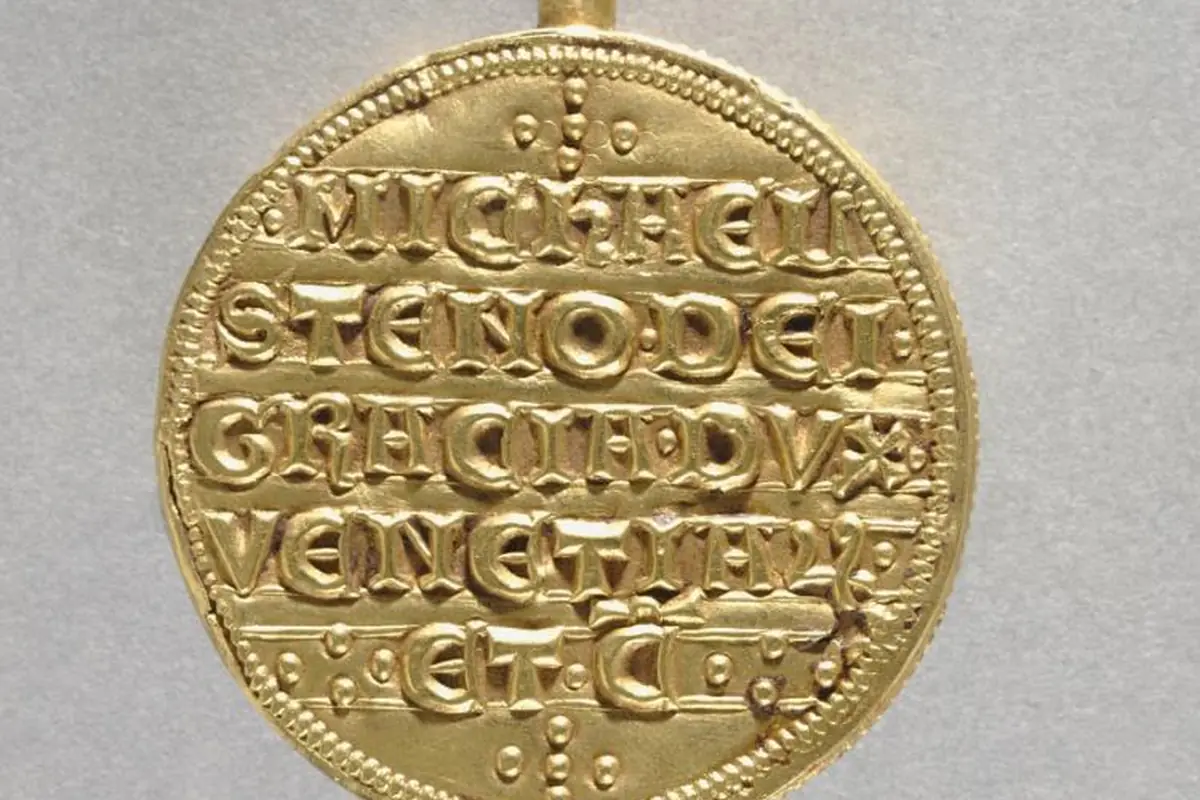
 Cleveland Museum of Art · CC0 1.0
Pages in this section
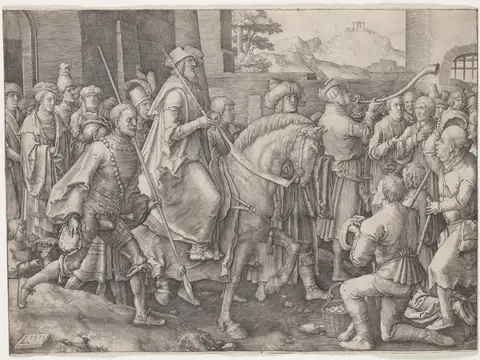 Alerts by countryConsult the active alerts of a State: their breakdown, the types of property most affected and national contacts.›
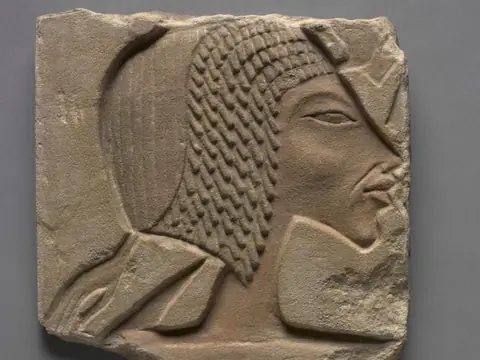 Alerts by type of propertyPaintings, sculptures, archaeological objects, tribal art, books and manuscripts: alerts classified by kind of property to target your vigilance.›
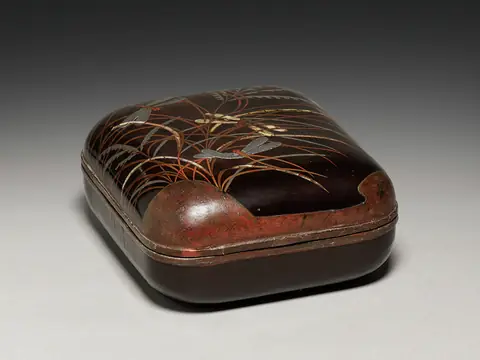 RSS feed of alertsReceive new alerts automatically in your feed reader or software: instructions, formats, filters and professional use.›
What is being sought today
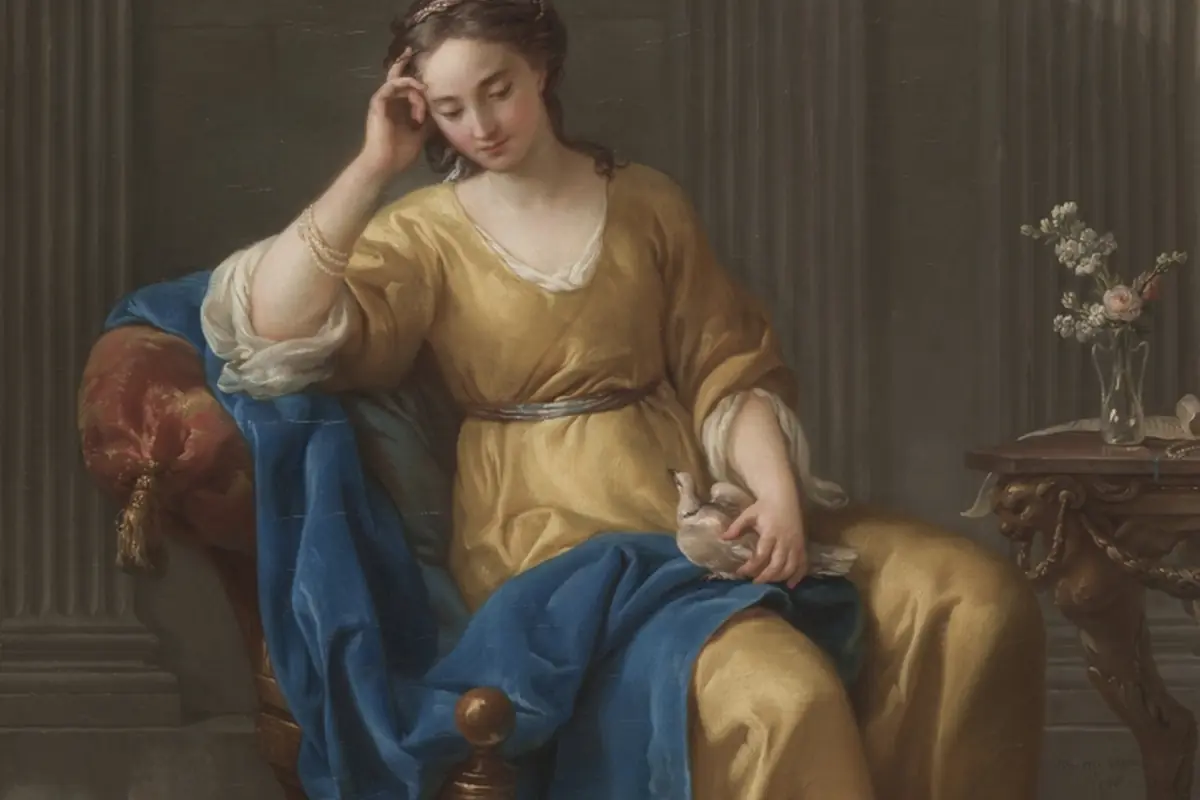
An active alert is a BIOP record whose work has not yet been found. There are 1,920 at the moment, of every kind: stolen paintings, looted archaeological objects, missing sculptures, lost manuscripts.
The section brings these alerts together and offers several ways to consult them: by country, by type of property or by RSS feed to build them into your own tools.
It is aimed at market operators, customs, museums and anyone who wants to stay informed.
Active alerts in figures
Source: OIMAP Heritage Protection Department.
What is an active alert
An alert is active as long as the work has not been found and the record has not been struck off. It contains the identifying details, the publication date and the country. The most recent alerts, published less than thirty days ago, are marked with a badge.
An alert is withdrawn as soon as the work is found, the report is recognised as erroneous or the reporter requests closure. The history remains available to the BIOP unit and investigators.
Why follow alerts
For an operator, following alerts is a way of anticipating: stolen works often appear on the market in the weeks following the theft. Regular monitoring makes it possible to spot suspect listings before they become a problem.
For customs or police, alerts specify the types of property to look for in checks: objects from a given region, targeted periods, materials. They complement the identification guides.
Quality alerts
The BIOP unit checks each alert before publication and reviews those that have had no update for a year. A reporter is invited each year to confirm that the alert is still current; if there is no reply, the record goes on hold.
This housekeeping avoids cluttering the database with obsolete alerts and ensures that search results remain relevant for operators.
Alerts and prevention
Consulting alerts is not only a verification tool: it is also a way of learning. The records show the types of works targeted, the modus operandi and the periods of risk, which helps museums and collectors adapt their security.
Each quarter OIMAP publishes a summary of alert trends, with prevention recommendations by type of property. It is circulated to museums and insurers.
Three ways to consult
| Mode | Use | Audience |
|---|---|---|
| By country | See what has been stolen in a State | Customs, investigators |
| By type of property | Focus on one's specialty | Operators, experts |
| RSS feed | Build alerts into one's tools | Platforms, services |
Landmarks
- First alerts
Manual publication.
- Classifications
By country and type.
- RSS feed
Launch.
- New-alert badge
Alerts less than 30 days old.
Alerts go out of date
Manual or automatic monitoring
Manual
Consulting the pages- Simple
- Takes time
- Risk of forgetting
For occasional use.
Automatic
RSS feed and alerts- Nothing to do
- Built into tools
- Requires set-up
For regular use.
Organising your monitoring
- Choose
Define countries and types of property.
- Configure
Create your alerts.
- Read
Review every week.
- Act
Contact the unit if in doubt.
- Archive
Keep the captures.
Effective monitoring
A tribal art expert
« I follow the alerts on masks and sculptures from Central Africa. It has already allowed me to warn two auction houses. »
Vocabulary of alerts
- Active alert
- Alert whose work has not been found.
- Striking off
- Withdrawal of a record.
- RSS feed
- Automatic distribution format.
- Monitoring
- Regular monitoring of information.
Frequently asked questions
How many alerts are published each month?
About one hundred and ten.
Can I create a personalised alert?
Yes, with a professional account.
Are the alerts public?
Yes, for the identifying details.
Where do I report an erroneous alert?
Via the contact form.
Useful documents
Contacts
Related pages
 Alerts by countryConsult the active alerts of a State: their breakdown, the types of property most affected and national contacts.›
 Alerts by type of propertyPaintings, sculptures, archaeological objects, tribal art, books and manuscripts: alerts classified by kind of property to target your vigilance.›
 RSS feed of alertsReceive new alerts automatically in your feed reader or software: instructions, formats, filters and professional use.›
Consult by country
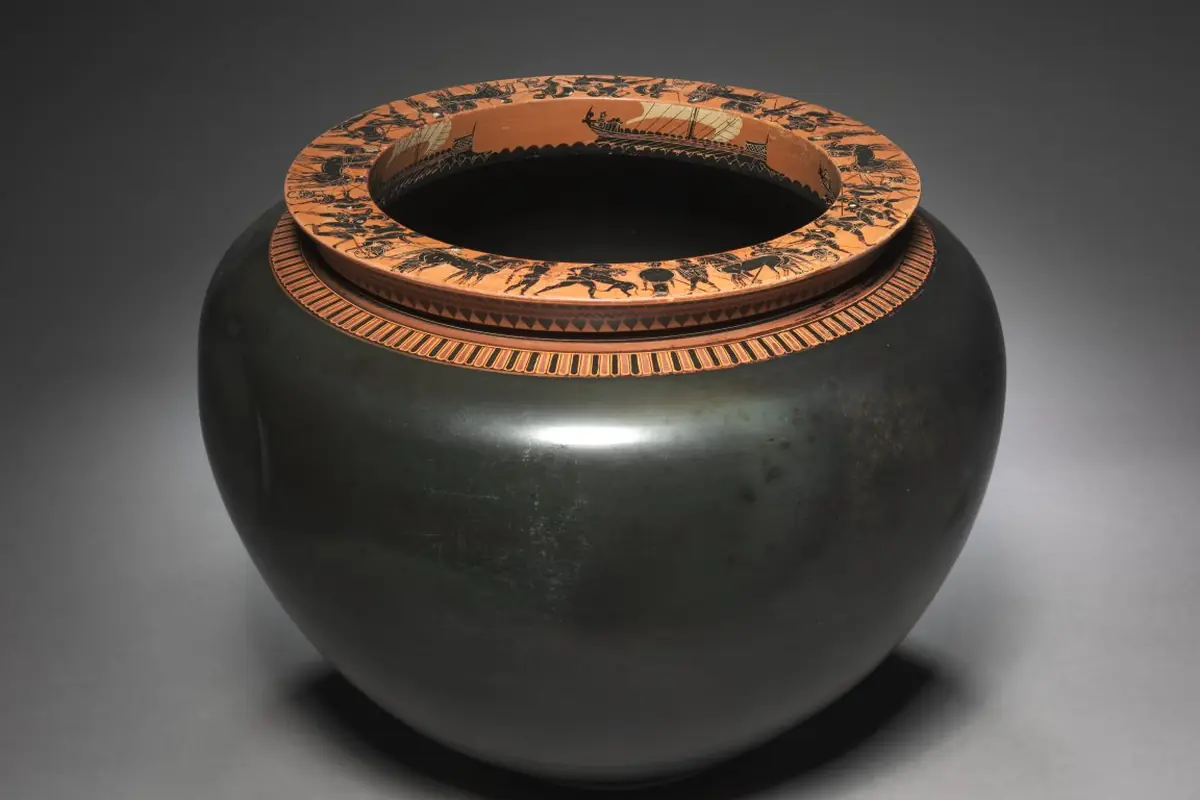
Image credits (19)
- Seal of Doge Michele Steno (reverse) (1400–1409) — Cleveland Museum of Art, CC0 1.0
- The Triumph of Mordecai, Lucas van Leyden (1515) — Cleveland Museum of Art, CC0 1.0
- Talatat: Portrait of Nefertiti (c. 1353–1347 BCE) — Cleveland Museum of Art, CC0 1.0
- Letter Box, Ogata Kōrin (1700s) — Cleveland Museum of Art, CC0 1.0
- Sweet Melancholy, Joseph-Marie Vien (1756) — Cleveland Museum of Art, CC0 1.0
- Boy with Cigar (c. 1855) — Cleveland Museum of Art, CC0 1.0
- Fragment from Red-Figure Oinochoe (Wine Jug) or Hydria (Water Jar): Woman Holding Box, Shuvalov Painter (c. 425–420 BCE) — Cleveland Museum of Art, CC0 1.0
- Carnet (1863–1865) — Cleveland Museum of Art, CC0 1.0
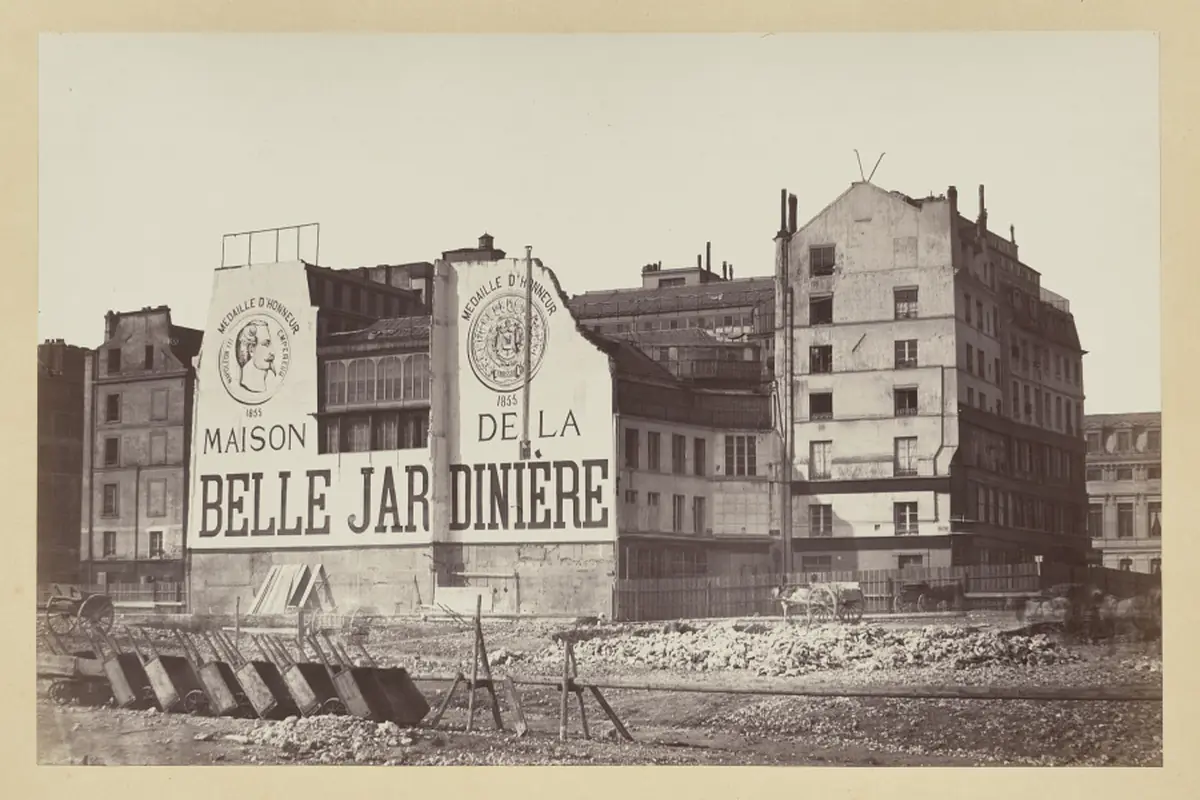
- La Belle Jardinère: le magasin de la rue de la Cité pendant sa demolition, Paris, Charles Marville (1864–66) — Cleveland Museum of Art, CC0 1.0
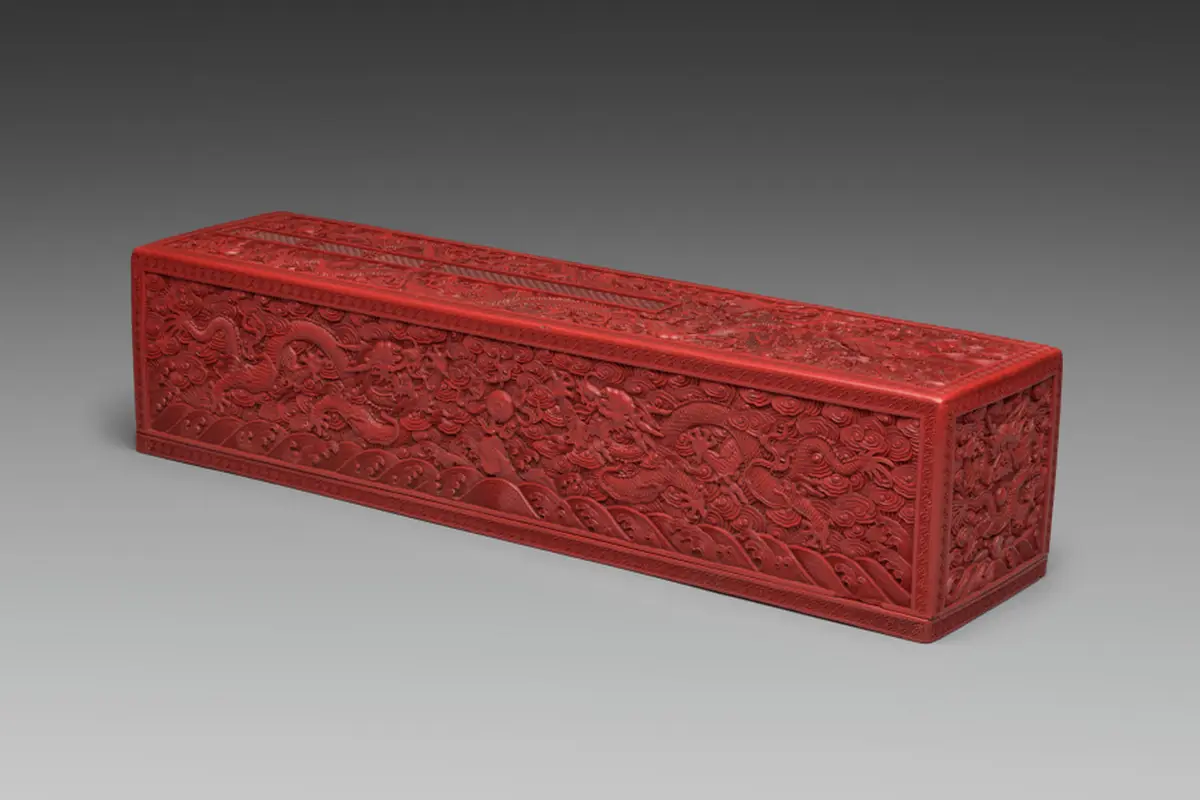
- Carved Lacquer Scroll Box (1736–95) — Cleveland Museum of Art, CC0 1.0
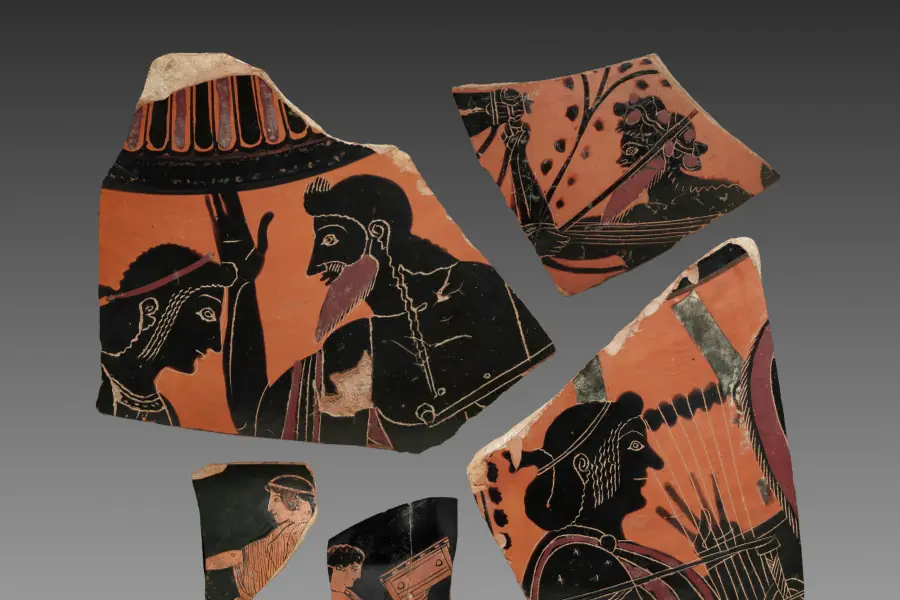
- Five Fragments from Four Painted Vases (c. 520–430 BCE) — Cleveland Museum of Art, CC0 1.0
- Seal with Two Qilin Playing (1849) — Cleveland Museum of Art, CC0 1.0
- Nowshera, Kashmir (number 1000), Samuel Bourne (1864) — Cleveland Museum of Art, CC0 1.0
- Fish or Seal Club (X’ús’) (late 1800s–early 1900s) — Cleveland Museum of Art, CC0 1.0
- The Grotto of Posillipo, Hubert Robert (c. 1769) — Cleveland Museum of Art, CC0 1.0
- Two Boats with Female Mourners (c. 667–647 BCE) — Cleveland Museum of Art, CC0 1.0
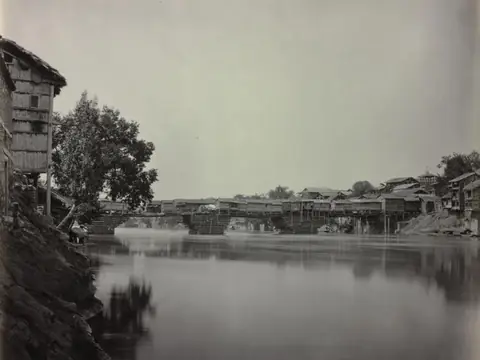
- Bridge of Shops, Srinagar, Kashmir, Samuel Bourne (1864) — Cleveland Museum of Art, CC0 1.0
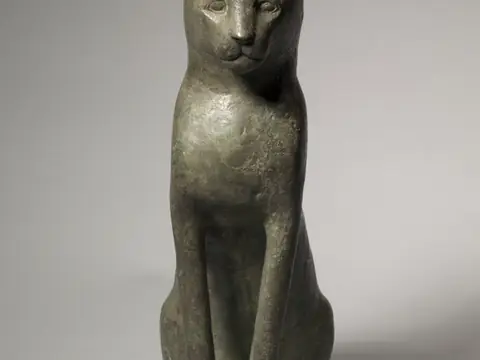
- Cat Coffin (305–30 BCE) — Cleveland Museum of Art, CC0 1.0
- Black-Figure Dinos (Mixing Vessel): Warships (Int.); Heroic Scenes (Top), Antimenes Painter (c. 520–515 BCE) — Cleveland Museum of Art, CC0 1.0